
Main Courses
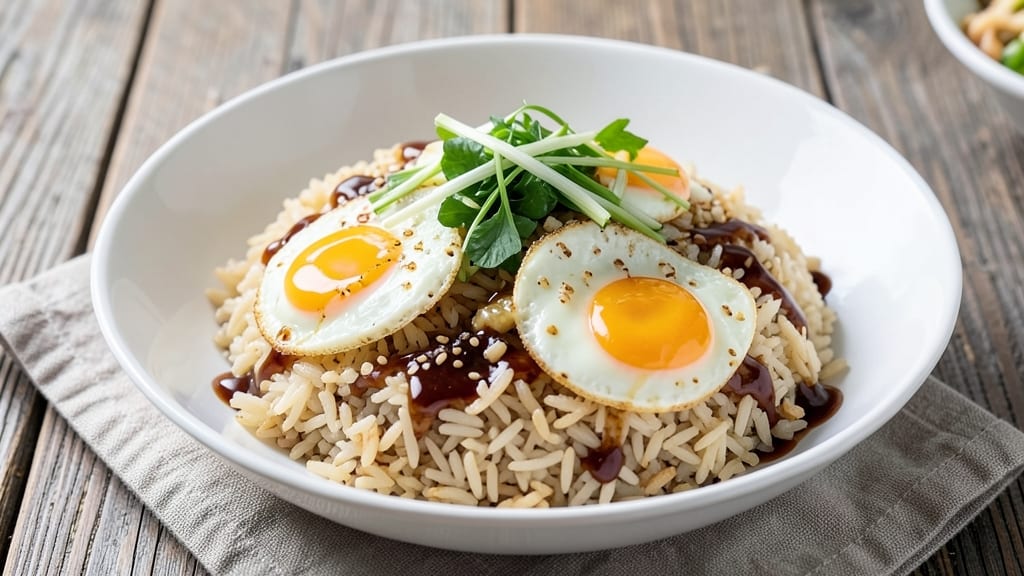
This Uncle Ben's egg fried rice recipe delivers restaurant-quality results with a few simple techniques—sizzling wok heat, perfectly ribboned eggs, and a balance of textures that keeps every bite exciting.
The secret lies in high-heat stir-frying, which caramelizes the rice edges while keeping the centers tender, and a quick scramble of eggs that transforms into delicate, silky strands.
I’ve refined this recipe over years of testing, ensuring it’s foolproof whether you’re feeding a crowd or just craving a quick, satisfying meal.
The foundation starts with day-old Uncle Ben’s rice—never freshly cooked, as it releases too much moisture. We’ll build flavor with a classic soy-vinegar-garlic base, then layer in optional proteins like shrimp or chicken for extra depth.
The eggs are the star here: beaten just until set, then folded into the rice at the last moment to maintain their signature ribboned texture. This isn’t just fried rice; it’s a perfect harmony of smoky, savory, and umami notes that comes together in under 20 minutes.
What sets this apart is the wok hei—those coveted smoky aromas that lift the dish from ordinary to extraordinary. Achieving it at home requires a hot skillet or wok, but even a large nonstick pan works if you crank the heat and work quickly. The result?
Crisp-tender rice with eggs that melt in your mouth, all coated in a glossy sauce that clings to every grain. Serve it as-is for a clean, classic version or customize with your favorite veggies, peanuts, or a drizzle of chili oil for a modern twist.
This recipe is designed to be adaptable—swap in whatever proteins or veggies you have on hand, but never skip the high-heat stir-fry. That’s where the magic happens, transforming simple ingredients into a dish that tastes like it came from a bustling Asian kitchen.
Let’s get cooking—your taste buds will thank you.
Ingredients for uncle ben's egg fried rice
Day-old rice, fresh eggs, and a few pantry staples—this is your shortcut to restaurant-style fried rice.
| Ingredient | Amount | Notes |
|---|---|---|
| Day-Old Uncle Ben's Rice 🍚 | 4 cups | Cooked and cooled overnight |
| Large Eggs 🥚 | 3 whole | Fresh, room temperature |
| Soy Sauce 🍶 | 3 tbsp | Light or dark preferred |
| Rice Vinegar 🫒 | 1 tbsp | White or seasoned |
| Garlic Cloves 🧄 | 3 cloves | Minced for aroma |
| Sesame Oil 🫒 | 1 tbsp | Toasted, for aroma |
| Neutral Oil 🫒 | 2 tbsp | Vegetable or canola |
| Green Onions 🧅 | 3 whole | Sliced, white and green parts |
| Salt 🧂 | ½ tsp | Adjust to taste |
| Black Pepper 🌶️ | ¼ tsp | Freshly ground |
| Optional Protein 🍗 | 1 cup | Chicken, shrimp, or tofu |
| Optional Veggies 🥕 | 1 cup | Peas, carrots, or bell peppers |
The rice is non-negotiable—day-old Uncle Ben's works best (fresh rice gets mushy). Cook a full batch the night before and store it in the fridge. For the eggs, room temperature is key—they scramble faster and create those perfect ribbons. Soy sauce is the flavor anchor here; Kikkoman or La Choy are solid choices, but any light or dark variety will work. The garlic should be minced fine—you want aroma, not chunks. Sesame oil adds that signature nutty depth, but use it sparingly—it's strong stuff. If you're feeling fancy, grab the toasted kind at Asian markets for extra flavor.
No soy sauce? Coconut aminos or tamari work in a pinch, though the flavor won't be identical. Swapping proteins? Shrimp cooks in 2 minutes, chicken needs 4-5, and tofu should be pressed and cubed first. The veggies can be whatever you've got—frozen peas thawed and drained work great, or baby carrots cut into matchsticks. No green onions? Chives or scallions are perfect substitutes. The oil matters too—stick with neutral kinds like vegetable or canola; olive oil burns too easily at high heat. And if you're adding peanuts, toast them first—crunch is everything.
This dish reheats beautifully—just add a splash of water or broth to the pan and stir-fry again. Keeps for 4-5 days in the fridge, but honestly, it's best eaten fresh. For leftovers, store in an airtight container with a paper towel on top to absorb any moisture. Freezes for up to 3 months if you're planning ahead. Pro tip: double the batch and freeze half—you'll thank me later when you're craving takeout but don't want to leave the house.
Why You'll Love This Recipe
- Use what you’ve got: leftover rice, a few eggs, and basic seasonings. It’s the kind of meal that saves money and keeps everyone full without breaking the bank. I’ve made it for date nights and lazy Sundays alike.
- No-Chop Needed: I swear by this trick—just mince that garlic with the flat side of my knife in seconds. The eggs scramble in one pan, the rice gets tossed in, and suddenly you’ve got dinner without the usual prep battle.
- Umami Bomb: That soy sauce and rice vinegar combo? It’s the secret weapon—salty, tangy, with just enough acid to cut through the richness. Honestly, I’ve tried fancier versions, but this one hits the spot every time.
- Lunchbox Hero: Pack it cold or reheat it—this rice stays solid and tasty. My kids grab it for school lunches, and I take it to work when I’m too tired to cook. (Yes, even on a Tuesday night.)
Step-by-step instructions for wok-heated egg fried rice
Here's how to transform day-old rice into restaurant-quality fried rice with silky eggs and bold wok flavors.
Prep Ingredients for Maximum Flavor
Start by slicing the 3 whole green onions into ½-inch pieces, separating the white and green parts. Mince the 3 cloves garlic into tiny flecks—you want them to disappear quickly during cooking. If using 1 cup optional protein like chicken or shrimp, cut it into ½-inch bite-sized pieces and season lightly with ½ tsp salt and ¼ tsp black pepper. For 1 cup optional veggies, chop into uniform ¼-inch cubes—this ensures even cooking.
Crack the 3 whole large eggs into a small bowl and whisk vigorously until the yolks and whites are fully combined. This step prevents rubbery eggs later. Keep all prepped ingredients within arm's reach of your wok or skillet—efficient prep makes this dish shine. The key here is organization: cold ingredients should be ready to go when your wok is hot.
Cook the Eggs to Ribbon Perfection
Heat a large wok or skillet over medium-high heat until it's smoking hot. Add 2 tablespoons neutral oil and swirl to coat the pan completely. Pour in the whisked eggs and let them sit undisturbed for 5-7 seconds—this creates a smooth, even layer. Using a spatula, gently push the cooked edges toward the center while tilting the pan to let uncooked egg flow to the edges. Repeat until the eggs form soft, silky ribbons that hold together when lifted.
Remove the eggs from the wok and set aside. The eggs should be just set—still slightly runny in the center. If they look fully cooked, your heat was too low. This is where the magic happens: properly cooked eggs make all the difference in authentic fried rice. Don't overcook them—they'll finish in the wok later.
Stir-Fry Aromatics and Protein
In the same wok, add a splash of neutral oil if needed and increase heat to high. Add the minced garlic and stir constantly for 10-15 seconds until fragrant—you should smell that unmistakable garlic aroma. Immediately add the 1 cup optional protein (if using) and stir-fry for 2-3 minutes until it's 80% cooked but still slightly underdone. Remove the protein and set aside with the eggs.
Next, add the 1 cup optional veggies and stir-fry for 2 minutes until they begin to soften but still retain a slight crunch. The vegetables should be bright and vibrant—don't overcook them or they'll turn mushy. If using carrots, they should be tender-crisp. This quick cooking preserves their texture and color, which is crucial for visual appeal.
Combine Rice and Seasonings
Add the 4 cups day-old Uncle Ben's rice to the wok and break up any clumps with your spatula. Drizzle 1 tablespoon rice vinegar and 1 tablespoon sesame oil over the rice, then toss everything together for 1 minute to distribute the flavors evenly. The rice should look glossy and separated—this is your cue to add the 3 tablespoons soy sauce. Stir continuously for 2 minutes until the rice is hot and fragrant, absorbing all the seasonings.
Here's where the magic happens: the rice should be slightly sticky but not wet. If it looks dry, add 1-2 tablespoons hot water from the stove. If it's too wet, let it cook uncovered for 30 seconds to evaporate excess moisture. The goal is separate, flavorful grains that hold together when packed down—this is what makes fried rice satisfying to eat.
Finish with Eggs and Garnish
Return the eggs and protein to the wok, along with the white and green parts of the green onions. Toss everything together for 1-2 minutes until the eggs are fully set and the protein reaches 165°F (if using meat). The rice should be steaming hot and coated in a glossy sheen from the seasonings. Taste and adjust with additional soy sauce or salt if needed—this is your chance to perfect the balance of flavors.
Serve immediately while the rice is steaming hot, garnished with extra green onion slices. Each bite should deliver tender rice, silky eggs, and bold wok-heated flavors in perfect harmony. The eggs should be creamy but not dry, the rice separate but not mushy, and the seasoning well-balanced. This is the moment you've been working toward—enjoy your homemade fried rice!
Pro Tips For Making Uncle Ben'S Egg Fried Rice
- USE COLD RICE: Uncle Ben’s rice straight from the pot is a soggy mess in fried rice. Let it cool completely—even better, refrigerate it for a few hours—so it stays dry and absorbs flavors like a sponge. I used to skip this, and my rice turned into gluey pudding no matter how much I stirred.
- SCRAMBLE EGGS LOW AND SLOW: Crack those eggs into a separate bowl first, then scramble them in a cool pan on low heat until just set—about 2 minutes. Dumping them straight into the hot wok with the rice will turn them rubbery. My first few attempts ended with sad, overcooked eggs that tasted like shoe leather.
- MINCE GARLIC FINE: Don’t just chop those cloves—smash them flat with the side of your knife first, then mince into a paste. This releases more flavor and burns faster, giving your rice that deep, toasty aroma. I used to add whole cloves, and my fried rice just smelled like "maybe garlic was here once."
- SAVE THE VINEGAR FOR LAST: Stir in the rice vinegar after everything else is cooked—just a splash at the end—to brighten the dish without making the rice turn mushy. Add it too early, and your perfectly crispy rice will start to steam back into a sad, limp pile. (Yes, I learned this the hard way.)
Regional styles of this dish
Classic Chinese Style
This version stays true to the dish’s Cantonese roots, where egg fried rice originated. Use light soy sauce instead of dark for a cleaner flavor, and add 1 teaspoon of Shaoxing wine (or dry sherry) when stir-frying the garlic.
I like to include ½ cup frozen peas and ½ cup diced carrots for that classic crunch and sweetness. The key is high heat—your wok should be so hot it smokes when oil hits it. Serve with a side of pickled vegetables to cut through the richness. 🥢
Japanese Okonomiyaki Twist
For a Japanese-inspired take, swap the soy sauce for ½ cup tonkatsu sauce and add 1 tablespoon of Worcestershire sauce for depth. Include ½ cup finely chopped cabbage and 2 tablespoons of mayo mixed into the rice at the end.
Top with bonito flakes and aonori seaweed for that okonomiyaki flair. The texture becomes slightly denser, almost like a savory pancake. This version is perfect for breakfast or brunch. 🍳
Thai Green Curry Fusion
Infuse the rice with 2 tablespoons of green curry paste (like Maesri) and add ½ cup coconut milk at the end for creaminess. Stir in ½ cup sliced bell peppers and ½ cup shredded chicken for a vibrant, aromatic twist.
Garnish with fresh cilantro and a squeeze of lime. The curry paste adds a fragrant, slightly sweet heat that balances the eggs beautifully. Serve with steamed jasmine rice on the side if you want extra portions. 🌶️
Korean Kimchi Fried Rice
Add ½ cup chopped kimchi (with its juice) when stir-frying the garlic for a tangy kick. Include 1 tablespoon of gochujang (Korean chili paste) with the soy sauce for extra depth. Top with fried egg (cooked separately) and sesame seeds for crunch.
The kimchi’s acidity brightens the dish, making it a great lunch option. This version is hearty and packed with umami. 🥒
Vietnamese Lemongrass Egg Rice
Infuse the rice with 1 stalk of lemongrass (bruised and tied in cheesecloth) and 1 teaspoon of fish sauce along with the soy sauce. Add ¼ cup chopped cilantro and 1 tablespoon of lime zest at the end for a citrusy aroma.
The lemongrass adds a fragrant, herbal note that’s distinctly Vietnamese. Serve with sliced cucumber and a drizzle of nuoc cham (Vietnamese dipping sauce) for extra zing. 🍋
Modern Fusion with Sriracha Mayo
For a contemporary twist, mix 2 tablespoons of mayo with 1 tablespoon of sriracha and drizzle it over the finished rice. Add ½ cup diced jalapeños and ¼ cup chopped cilantro for heat and freshness.
This version is perfect for those who love a little kick. The mayo adds creaminess, while the sriracha brings the spice. Serve with crushed peanuts for crunch. 🔥
Nutrition facts
Frequently asked questions
Why does the recipe call for day-old rice?
Day-old rice is essential because freshly cooked rice releases too much moisture when stir-fried, making the final dish soggy. The grains need to be slightly dry and separated so they absorb the seasonings and crisp up beautifully at the edges. Cook a full batch of Uncle Ben's rice the night before, spread it on a tray to cool quickly, and store it in the fridge until ready to use.
Can I use freshly cooked rice if I don't have day-old?
You can try, but expect less-than-perfect results. Spread freshly cooked rice on a baking sheet and refrigerate for at least 2 hours to dry it out. For best texture, aim for rice that's 24 hours old. If you're in a pinch, spread the rice in a thin layer and microwave it for 1-2 minutes to remove excess moisture before cooking.
How do I get that perfect ribboned egg texture?
The secret is high heat and quick cooking. Whisk eggs until fully combined, then cook them in a smoking hot wok until just set—about 5-7 seconds before stirring. The eggs should be soft but not runny when you remove them. They'll finish cooking when mixed back into the rice. Overcooking turns eggs rubbery, so keep a close eye on them.
What's the best protein to add for extra flavor?
For classic flavor, use chicken thighs (they stay juicy) or shrimp (cooks in minutes). For vegetarian options, try firm tofu (pressed and cubed) or mushrooms (shiitake adds depth). If using meat, cook it 80% done before adding to the rice—it'll finish cooking in the final stir. Pro tip: marinate proteins in 1 tbsp soy sauce + 1 tsp cornstarch for extra tenderness.
Can I make this in a regular skillet instead of a wok?
While a wok gives that signature wok hei (smoky aroma), a large nonstick skillet works perfectly. Use medium-high heat and work quickly—keep the rice moving constantly to prevent sticking. For extra flavor, add ½ tsp smoked paprika to the oil before cooking. The key is maintaining high heat throughout the process to achieve that crisp-tender texture.