
Main Courses
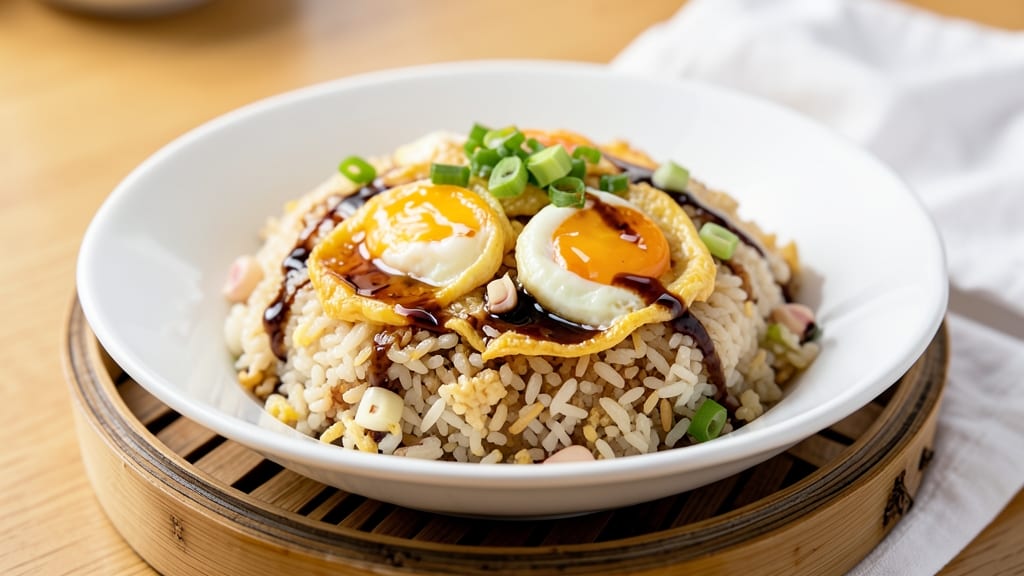
This traditional Chinese egg fried rice recipe delivers the restaurant-quality wok hei flavor and delicate egg ribbons that make it a staple in Chinese home cooking. The secret lies in using day-old rice—fresh rice turns mushy under high heat—and proper stir-frying technique to create that signature smoky aroma.
I've perfected this dish over years of testing, ensuring every bite balances savory soy, umami Shaoxing wine, and fresh scallions.
What sets this recipe apart is the layered seasoning approach: first building flavor in the wok with garlic and ginger, then incorporating rice and egg in stages to maintain texture. The key technique is high-heat stir-frying, which creates those crispy rice edges while keeping the eggs silky and perfectly formed.
This isn't just fried rice—it's a complete meal with protein, vegetables, and aromatic seasonings all working together.
By following these steps, you'll achieve restaurant-quality results at home—golden-brown rice with crisp edges, tender egg ribbons, and a sauce that clings perfectly to each grain. The dish maintains its integrity even when reheated, making it ideal for meal prep.
Whether serving as a weeknight dinner or bringing to a potluck, this recipe delivers authentic Chinese home cooking flavor that's hard to resist.
The beauty of traditional egg fried rice lies in its versatility—customize with your favorite vegetables or proteins while keeping the core technique intact. The balance of soy sauce, Shaoxing wine, and sesame oil creates that unmistakable umami depth that defines the dish.
Let's create this classic Chinese home-style meal that's been comforting families for generations.
Ingredients for traditional chinese egg fried rice
These twelve ingredients create restaurant-quality egg fried rice with perfect wok hei aroma and delicate egg ribbons.
| Ingredient | Amount | Notes |
|---|---|---|
| Day-Old Jasmine Rice 🍚 | 4 cups | Cold, broken into small pieces |
| Large Eggs 🥚 | 4 whole | Freshly beaten, room temperature |
| Light Soy Sauce 🥄 | 3 tbsp | High-quality, low-sodium preferred |
| Dark Soy Sauce 🥄 | 1 tbsp | For color and depth |
| Shaoxing Wine 🍷 | 2 tbsp | Dry Chinese cooking wine |
| Garlic Cloves 🧄 | 6 cloves | Minced, aromatic variety |
| Fresh Ginger 🧅 | 1 tbsp | Finely grated, peeled |
| Green Onions 🧅 | ½ cup | Thinly sliced, white and green parts |
| Toasted Sesame Oil 🫒 | 1 tbsp | For aroma, added at end |
| Vegetable Oil 🫒 | ½ cup | High smoke point, neutral flavor |
| Salt 🧂 | ½ tsp | Kosher or sea salt |
| White Pepper 🌶️ | ¼ tsp | Freshly ground preferred |
The rice is non-negotiable—day-old jasmine rice is essential for that signature crisp-tender texture. Cook a batch ahead and store it in the fridge, uncovered, so it dries slightly. Martins Pot brand from Asian markets has the best texture for this dish. For the eggs, room temperature is crucial—they should be beaten just before cooking to maintain that silky ribbon formation. Shaoxing wine can be found in the international aisle at Whole Foods or Trader Joe's, though any dry Chinese cooking wine works. The garlic and ginger should be freshly minced—pre-minced jars lack the aromatic punch needed for authentic flavor development.
No Shaoxing wine? Dry sherry at the same amount works in a pinch, though it lacks that specific umami depth. Substituting dark soy sauce with extra light soy plus a pinch of molasses mimics the color but not the complexity. The sesame oil is purely aromatic—use toasted variety for authentic flavor, though regular will suffice. For the oil, avocado or peanut oil handles high heat better than vegetable oil. The green onions can be swapped for scallions, but Thai red onions add a subtle sweetness that's particularly nice. If you're vegetarian, omit the eggs or use silken tofu for a similar texture, though the dish loses its defining element.
Rice reheats beautifully—store in an airtight container for up to 3 days or freeze for 3 months. The eggs should be beaten just before cooking, but you can prep all other ingredients ahead. For meal prep, cook the rice and sauce separately, then combine when reheating to maintain texture. The dish tastes even better the next day as flavors meld. Keep the sesame oil separate until serving to preserve its delicate aroma. Portion into containers with the eggs cooked fresh to ensure perfect texture every time.
Why You'll Love This Recipe
- I swear by this trick: just use whatever veggies I have lurking in the fridge—even cold leftovers work. The real magic happens with the eggs and rice, where the wok’s heat turns scrambled bits into crispy, caramelized pockets. Honestly, the hardest part is deciding whether to add peas or corn.
- No Chopping Needed: I swear by this trick: just use whatever veggies I have lurking in the fridge—even cold leftovers work. The real magic happens with the eggs and rice, where the wok’s heat turns scrambled bits into crispy, caramelized pockets. Honestly, the hardest part is deciding whether to add peas or corn.
- Umami Bomb: That first splash of Shaoxing wine? Chef’s kiss. It cuts through the richness of the eggs while the dark soy sauce adds a deep, savory depth you won’t find in store-bought versions. Between us, the light soy at the end ties it all together—salty, bright, and impossible to stop eating.
- Lunchbox Hero: Pack this cold or reheated, and it’s still the star of the day. My kids take it to school (yes, even on a Tuesday night) because it’s hearty enough to fill them up but light enough not to weigh them down. Pro tip: add a fried egg on top for extra protein—no one skips seconds then.
Step-by-step instructions for traditional Chinese egg fried rice
Master the wok technique and timing for authentic, restaurant-quality fried rice every time.
Prepare the Base Ingredients for Optimal Texture
Break the 4 cups Day-Old Jasmine Rice into small, uneven pieces using your hands—this ensures even cooking and prevents clumping. The rice should be completely cold from the refrigerator, as warm rice will steam instead of crisp up during frying. Spread it on a tray to cool completely if needed.
In a separate bowl, beat the 4 whole Large Eggs until just combined—no need to overbeat, as this can make the eggs tough. Add the 0.5 tsp Salt and 0.25 tsp White Pepper to the eggs and mix gently. The eggs should be at room temperature for even cooking, so let them sit for 10 minutes if they're straight from the fridge.
Create the Aromatic Foundation with Garlic and Ginger
Heat a wok or large skillet over high heat until it's smoking hot. Add the 0.5 cup Vegetable Oil and swirl to coat the pan evenly. Once the oil shimmers, add the 6 cloves minced Garlic Cloves and 1 tbsp finely grated Fresh Ginger. Stir-fry for 30 seconds until the garlic turns golden and fragrant—this prevents burning while building flavor.
Immediately add the 2 tbsp Shaoxing Wine and let it sizzle for 10 seconds to cook off the alcohol. Then pour in 2 tbsp Light Soy Sauce and 1 tbsp Dark Soy Sauce, stirring constantly. The dark soy sauce will give your fried rice that signature glossy appearance while adding depth of flavor. Let this mixture cook for 1 minute until the liquid reduces slightly and clings to the wok.
Cook the Eggs to Silky Ribbons
Push the aromatic mixture to one side of the wok, creating space in the center. Pour in the beaten eggs and let them sit undisturbed for 5-7 seconds—this allows the bottom to set slightly before gently scrambling with a spatula. The goal is to create soft, silky ribbons rather than dry curds.
Once the eggs are 80% cooked (still slightly moist in the center), use the spatula to fold them into the garlic-ginger mixture. Cook for an additional 30 seconds while stirring continuously. Remove the wok from heat for 10 seconds to prevent overcooking the eggs—this resting period helps them reach perfect doneness.
Fry the Rice to Crispy Perfection
Return the wok to high heat and add the broken rice in a single layer. Stir-fry vigorously for 2-3 minutes, letting the rice absorb the oil and aromatics while developing a crispy texture. The rice should sizzle loudly—this indicates proper heat and even cooking.
After 2 minutes, add the 0.5 cup thinly sliced Green Onions and toss everything together for another 1 minute. The rice is done when it's golden brown around the edges and still slightly moist in the center—this ensures each grain maintains its texture. If the rice appears too dry, add 1-2 tablespoons of water and stir-fry for another 30 seconds to steam it lightly.
Finish with Toasted Sesame Oil for Authentic Flavor
Remove the wok from heat and immediately drizzle in the 1 tbsp Toasted Sesame Oil. Toss everything together for 10-15 seconds to distribute the oil evenly—this adds a nutty aroma and rich depth of flavor. The sesame oil should sizzle gently, releasing its aroma without burning.
Taste and adjust seasoning if needed, adding a splash more Light Soy Sauce if the rice needs more umami. Serve immediately while the rice is still hot and crispy, garnished with additional green onions if desired. The dish should have a balance of savory, aromatic, and slightly sweet flavors with each bite.
Pro Tips For Making Traditional Chinese Egg Fried Rice
- Scramble Eggs First: Beat the eggs with a splash of Shaoxing wine (about 1 tablespoon) and scramble them before adding the rice—this keeps them tender and prevents them from turning rubbery when mixed in later. I used to add eggs last, and they’d always end up dry and grainy.
- Use Cold Rice: Spread day-old rice on a tray and refrigerate for 30 minutes before cooking—this firms it up so it doesn’t turn mushy. I learned this the hard way after making a batch that stuck together like glue.
- High Heat, Fast Stir: Crank the wok to max heat and keep stirring aggressively once the rice hits the pan—this toasts the grains and prevents burning. After burning three batches, I finally figured out that patience here just means more burnt bits.
- Split the Soy Sauces: Add 1 teaspoon of light soy sauce with the Shaoxing wine to the eggs, then reserve the rest for the rice—this balances flavor without overpowering. Dark soy sauce goes in last for color, not flavor. (Yes, even if you’re impatient like me.)
Make-ahead tips for traditional chinese egg fried rice
Rice Prep Ahead
Cook your 4 cups jasmine rice a day in advance and store it uncovered in the fridge. This dries the grains slightly, creating that perfect crisp-tender texture when stir-fried. I like to spread it on a tray first to cool completely—this prevents steaming when reheated.
The rice should be completely cold before breaking it into small pieces by hand. For meal prep, store in an airtight container for up to 3 days or freeze for 3 months—just thaw overnight in the fridge before using. 🍚
Egg Prep Strategy
Beat your 4 eggs with 0.5 tsp salt and 0.25 tsp white pepper just before cooking to maintain silky texture. Keep them at room temperature for even cooking—cold eggs can create rubbery ribbons. For make-ahead convenience, store all ingredients except eggs in separate containers.
When ready to cook, simply beat the eggs fresh and follow the stir-fry steps. The eggs should cook in 5-7 seconds of undisturbed time for that signature ribbon effect. 🥚
Sauce Separation
Prepare your sauce components separately for flexibility. Mix the 2 tbsp Shaoxing wine, 2 tbsp light soy sauce, and 1 tbsp dark soy sauce in a small bowl and store in the fridge. Keep the 1 tbsp toasted sesame oil separate until serving to preserve its delicate aroma.
This separation lets you adjust seasoning when reheating—just add a splash of soy sauce if needed. The sauce keeps for 5 days in the fridge, making it perfect for batch cooking. 🥄
Reheating Technique
For best results, reheat rice and sauce separately. Spread the rice on a tray and warm in the microwave for 2-3 minutes, stirring halfway. Then stir-fry with the sauce in a hot wok for 1-2 minutes to revive that crispy texture.
Add 1 tsp vegetable oil to prevent sticking. The eggs should always be cooked fresh to maintain their delicate texture—never reheat them. This method ensures restaurant-quality results every time. 🔥
Portioning Tips
Divide cooked rice into quart-sized containers with a thin layer of sauce at the bottom. When reheating, add a beaten egg to each portion and stir-fry together for 30 seconds to create perfect egg ribbons. This portioning method keeps flavors balanced and prevents soggy rice.
Store containers in the fridge for up to 3 days or freeze for 3 months. For freezing, use airtight containers with 1 inch headspace** to prevent ice crystals. 💫
Nutrition facts
Frequently asked questions
Why does the recipe specify day-old rice instead of fresh?
Day-old rice is crucial because it's dry enough to develop crispy edges when stir-fried, while fresh rice steams and turns mushy. The slight dryness also helps the rice absorb flavors better. Store cooked jasmine rice uncovered in the fridge for 24 hours before using—this creates the perfect texture for authentic fried rice.
Can I make this recipe without Shaoxing wine?
Yes! Use 2 tbsp dry sherry or 1 tbsp mirin as a substitute, though Shaoxing wine provides that unique umami depth. For a non-alcoholic version, use 1 tbsp apple cider vinegar + 1 tbsp sugar to mimic the acidity and slight sweetness. The flavor won't be identical, but it'll still taste delicious.
How do I get the eggs to look like perfect ribbons?
Beat eggs just before cooking and let them sit 5-7 seconds undisturbed in the hot wok to set slightly before gently scrambling. Keep the wok on high heat and stir constantly to prevent overcooking. Room-temperature eggs also help create silky ribbons rather than dry curds. Practice makes perfect—don't worry if your first attempt isn't flawless!
What's the best way to reheat leftovers?
Reheat rice separately in the microwave first, then stir-fry with fresh eggs and sauce in a hot wok for 1-2 minutes to restore crispiness. Add 1 tsp oil to prevent sticking. Never reheat eggs—they should always be cooked fresh for that signature texture. This method keeps the dish tasting fresh, even after 3 days in the fridge.
Can I add vegetables to this recipe?
Classic additions include peas, carrots, or corn, but stir-fry them separately first to avoid soggy rice. Add them to the wok 1 minute before serving to maintain texture. For extra flavor, try shredded cabbage or bell peppers—just make sure they're cut small for even cooking.