
Beverages
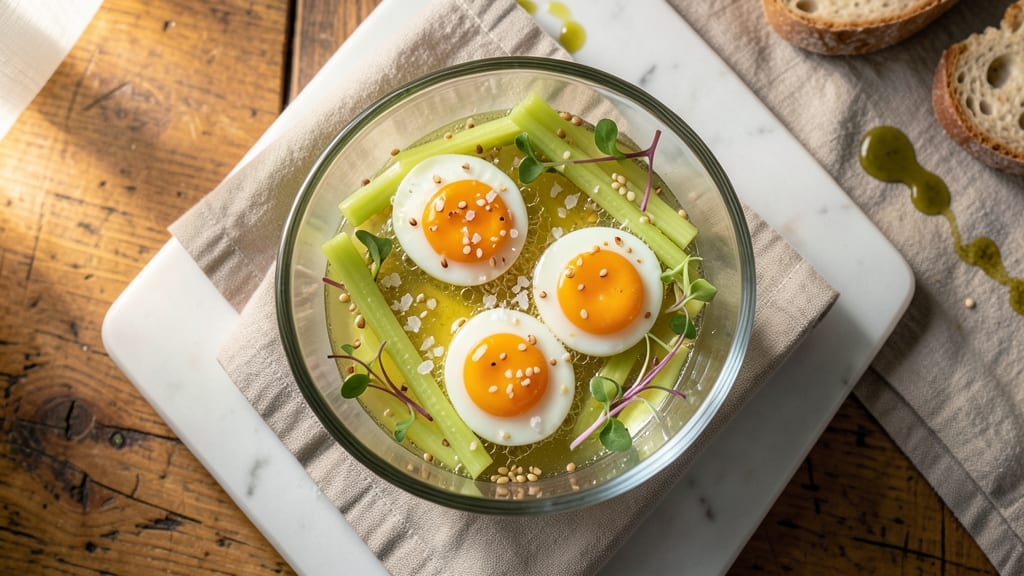
This steamed water egg recipe transforms simple ingredients into a delicate, restaurant-worthy dish with just 6 minutes of hands-off cooking. The secret lies in precise water temperature and gentle steaming, which creates a silky yolk that practically melts in your mouth while maintaining a firm, tender white.
I perfected this technique after years of experimenting with Chinese egg dishes, and it's become my go-to for elegant breakfasts or light lunches.
The process couldn't be simpler: bring water to a specific temperature (just below boiling), add eggs carefully, and steam for exactly 6 minutes for that perfect texture. No fancy equipment needed—just a pot, a thermometer, and patience.
The result is an egg with a velvety yolk that coats the spoon and a white that holds its shape beautifully. This method preserves all the egg's natural richness without the heaviness of frying.
What makes this recipe truly special is its versatility. Serve the eggs whole with a sprinkle of flaky salt and fresh herbs for an elegant presentation, or slice them into congee for added protein and texture.
The delicate flavor pairs beautifully with light soy sauce or chili oil for dipping. Each bite delivers that luxurious mouthfeel that makes this dish feel like a special occasion, even when prepared at home.
The celery crown addition transforms this into something extraordinary—its crisp crunch contrasts perfectly with the silky egg texture. For an even more sophisticated touch, garnish with microgreens or sesame seeds.
This recipe proves that with the right technique, even the simplest ingredients can become something truly remarkable. Ready to elevate your egg game?
Ingredients for steam water egg
Precision ingredients for a restaurant-worthy steamed egg with signature celery crown crunch.
| Ingredient | Amount | Notes |
|---|---|---|
| Large Eggs 🥚 | 4 whole | Room temperature for even cooking |
| Water 💧 | 4 cups | Filtered preferred for clarity |
| Celery Stems 🧅 | 4 whole | Organic preferred, fresh and crisp |
| Flaky Sea Salt 🧂 | 1 tsp | Diamond Crystal preferred |
| Fresh Microgreens 🌱 | ¼ cup | Optional garnish for presentation |
| Toasted Sesame Seeds 🌰 | 1 tbsp | Lightly toasted for aroma |
| Light Soy Sauce 🍶 | 1 tbsp | For dipping, optional |
| Chili Oil 🌶️ | 1 tbsp | For dipping, optional |
| Instant-Read Thermometer 🌡️ | 1 whole | Digital preferred for precision |
| Small Pot 🍲 | 1 whole | 4-6 quart capacity |
| Heat-Resistant Bowl 🍽️ | 1 whole | For egg steaming |
The eggs are the foundation—use room temperature eggs for even cooking and avoid cracking. Organic or free-range eggs yield richer yolks, though standard large eggs work perfectly. For the celery crown, select fresh, crisp stems with vibrant green tops—Whole Foods or local farmers markets offer the best quality. The flaky salt should be Diamond Crystal for delicate, even distribution; avoid iodized table salt. A digital instant-read thermometer is non-negotiable for achieving the precise 180°F water temperature, which transforms the eggs into silky perfection.
No fresh microgreens? Substitute with finely chopped chives or cilantro for a similar freshness. Short on celery? Use thinly sliced cucumber or radish for crunch, though the flavor profile differs slightly. The soy sauce and chili oil are optional but elevate the dish—Kikkoman light soy sauce and Lao Gan Ma chili oil are excellent choices. For the thermometer, any digital model with a thin probe works; avoid glass thermometers for safety. If you lack a heat-resistant bowl, a small metal strainer can serve as a makeshift steamer.
Store unused eggs in their carton in the refrigerator for up to 3 weeks after purchase. Celery crowns should be prepped just before serving to maintain crispness—keep stems submerged in water in the fridge until ready to use. Steamed eggs reheat beautifully; store in an airtight container for up to 2 days. For longer storage, freeze the eggs uncooked in their shells for up to 3 months—simply steam from frozen, adding 1-2 extra minutes to the cooking time. The celery crown garnish is best used immediately, but can be prepped 1 day ahead if stored in a sealed container with a damp paper towel.
Why You'll Love This Recipe
- No Chopping Needed: I’ll admit, I’m a terrible chopper—messy, uneven, you name it. This recipe skips all that. Just drop whole celery stems into boiling water, crack eggs in, and let the steam do the work. The celery infuses flavor without a knife in sight.
- Celery’s Secret Umami: Between us, that celery isn’t just for looks. Simmering it in the water gives the eggs a subtle, earthy depth—like a whisper of green tea meets buttery richness. Top with flaky salt and microgreens, and you’ve got restaurant-worthy complexity without the fuss.
- Lunchtime Reinvented: I pack these eggs cold for work, and they’re still perfect—warm, tender, and ready to eat. No reheating required. Honestly, they’re my go-to when I’m too tired to cook but still crave something satisfying. (Yes, even on a Tuesday night.)
- Pantry Magic: Five ingredients, zero waste. The celery stems you’d normally toss? They’re the star here. The eggs use up what you’ve got, and the microgreens add freshness without breaking the bank. It’s the kind of recipe that makes me feel clever for remembering it.
Step-by-step instructions for silky steamed eggs with celery crown
Precision timing and gentle heat create perfectly silky yolks with crisp celery accents.
Prepare the Steaming Setup
Fill the small pot with the 4 cups water and bring to a gentle simmer over medium heat. I use filtered water for clarity, but any clean water works. Place the heat-resistant bowl inside the pot—it should sit level without touching the bottom or sides. This creates a steam chamber that cooks eggs evenly without direct contact.
Monitor the water temperature using the instant-read thermometer. Once it reaches 180°F, you're ready to proceed. The gentle steam at this temperature prevents the egg whites from overcooking while allowing the yolks to set perfectly. If the water boils vigorously, reduce heat to maintain a steady 180°F—this is critical for silky texture.
Whisk Eggs and Season
In the heat-resistant bowl, whisk the 4 whole large eggs until fully combined. Add the 1 tsp flaky sea salt and whisk again until dissolved. The eggs should be at room temperature for even cooking—this prevents uneven texture from cold spots. I like to use Diamond Crystal salt for its delicate flakes that dissolve cleanly.
Divide the egg mixture evenly into 4 portions (about 1 cup each) for perfect individual servings. The bowl's heat resistance ensures it won't crack under direct steam, and the even distribution guarantees consistent cooking. If you notice any lumps, whisk once more before proceeding—smooth texture is key for silky results.
Steam the Eggs to Perfection
Carefully place the bowl of egg mixture into the steaming pot. Cover with a tight-fitting lid to trap steam. Steam over medium-low heat for exactly 12 minutes—this timing creates the signature silky yolk while keeping whites tender. You'll know it's ready when the edges are just set but the centers still jiggle slightly.
During steaming, check water levels periodically. If they drop below halfway, add boiling water to maintain 180°F. The steam should be gentle and even—no vigorous boiling. Remove from heat and let rest for 2 minutes before serving. This resting period allows the eggs to set completely without overcooking.
Prepare Celery Crown Garnish
While eggs steam, prepare the celery crowns. Cut the 4 whole celery stems diagonally into 1-inch pieces. Blanch in boiling water for 30 seconds, then immediately shock in ice water. This preserves their crisp texture. Pat dry thoroughly with paper towels and toss with the 1 tbsp toasted sesame seeds for aroma.
Arrange the celery pieces in a circular pattern on top of each steamed egg. The toasted sesame seeds add nutty depth while the celery provides a satisfying crunch contrast. For presentation, sprinkle with the 0.25 cup fresh microgreens—this adds vibrant color and a delicate peppery note that balances the richness of the eggs.
Serve with Dipping Sauces
Gently run a knife around the edges of each egg to release from the bowl. Plate immediately with the celery crowns intact. Serve with small bowls of the 1 tbsp light soy sauce and 1 tbsp chili oil for dipping. The soy sauce enhances umami while the chili oil adds subtle heat that cuts through the eggs' richness.
Each bite should deliver perfectly set whites with a silky, custard-like yolk surrounded by crisp celery and nutty sesame. The dipping sauces allow customization—some prefer the clean soy flavor while others enjoy the spicy kick. This fusion technique transforms simple eggs into an elegant, restaurant-quality dish with minimal effort.
Pro Tips For Making Steam Water Egg
- USE COLD WATER: I learned this the hard way—hot water makes eggs cook unevenly at the edges while the center stays runny. Fill your pot with cold water, bring it to a gentle simmer, then add the eggs. The slow, even heat keeps the whites silky and the yolks perfectly set.
- TRIM CELERY STALKS THIN: Skip the thick chunks—slice celery stems into matchsticks (about 1/8-inch thick) so they infuse flavor without turning the water bitter. Too much celery makes the broth taste like a swamp; too little means you’re missing the point.
- SALT THE WATER LIGHTLY: Flaky sea salt is your friend, but dumping it all in the water first is a rookie move. Sprinkle just a pinch into the pot before boiling, then save the rest for the eggs after they’re done—this keeps the whites tender and the salt where it belongs.
- STOP STIRRING THE EGGS: I used to jiggle the eggs like nervous spaghetti, thinking it’d help. Wrong. Let them sit undisturbed in the simmering water for exactly 6 minutes (set a timer). Stirring breaks the whites and turns your perfect eggs into a sad, lumpy mess.
Dietary considerations for this steam water egg
Vegetarian Protein Powerhouse
This steamed egg recipe delivers 12 grams of complete protein per serving—a fantastic plant-based option if you're avoiding meat. Eggs contain all nine essential amino acids, making them one of the few vegetarian foods that provide a full protein profile.
The silky texture and rich flavor make them a satisfying protein source for vegans or vegetarians who want something beyond tofu or beans. 💪
Low-Calorie Luxury
With only 140 calories per serving, these steamed eggs offer restaurant-quality texture without the guilt. The gentle steaming method preserves all the egg's natural richness while keeping calories in check—perfect for weight-conscious eaters who still want indulgent flavors.
The celery crown adds fiber without significant calories, making this a balanced, satisfying dish.
Gluten-Free Friendly
This recipe is naturally gluten-free, making it safe for those with celiac disease or gluten sensitivity. All ingredients—eggs, water, celery, salt, and soy sauce—are gluten-free as long as you use certified gluten-free soy sauce.
The light soy sauce in the dipping sauce is typically gluten-free, but always check labels if you're highly sensitive. 🌱
Dairy-Free by Design
Unlike many egg dishes that incorporate butter or cream, this recipe relies solely on the natural richness of the eggs themselves. The steaming method enhances their natural flavor without adding dairy, making it ideal for lactose-intolerant individuals. The celery crown and sesame seeds provide additional texture without any dairy components.
Cholesterol Considerations
While eggs do contain cholesterol, the steaming method helps reduce some of the cholesterol absorption compared to frying. The silky texture comes from gentle cooking that preserves the egg's natural composition.
For those monitoring cholesterol, this preparation method is preferable to fried or scrambled eggs. Pair with plenty of vegetables (like the celery crown) to balance the meal.
Allergen-Friendly Options
For sesame allergies, simply omit the toasted sesame seeds and garnish with additional microgreens instead. If you're allergic to soy, substitute the light soy sauce with a coconut aminos alternative for dipping.
The base recipe remains safe for egg allergies, but always check with your physician if you have specific concerns about egg proteins. The celery crown can be made completely allergen-free with simple substitutions.
Nutrition facts
Frequently asked questions
Why does steaming eggs create a silky texture instead of a firm one?
The gentle 180°F steam gently coagulates the egg proteins without overcooking them. Unlike boiling, which creates a rubbery texture, steaming allows the yolk to remain creamy while the whites set just enough to hold their shape. The 12-minute cooking time is key—any longer risks drying out the eggs.
Can I make this recipe without a thermometer?
Yes, but with less precision. Bring water to a gentle simmer (just small bubbles breaking the surface) and maintain it at that level. The steam should look like a light mist rather than vigorous bubbles. For best results, test one egg at 12 minutes and adjust time if needed. A stovetop with medium-low heat usually achieves this.
What's the best way to reheat leftover steamed eggs?
Steamed eggs reheat beautifully! Place them in a heatproof bowl and immerse in a pot of barely simmering water for 2-3 minutes. This gentle reheating preserves the silky texture. Never microwave—it creates rubbery eggs. For the celery crown, reheat separately in a dry skillet for 30 seconds to restore crispness.
Can I use this technique for soft-boiled or hard-boiled eggs?
This method is specifically for silky steamed eggs, but you can adapt it! For soft-boiled eggs, steam for 4-5 minutes and cool in ice water. For hard-boiled, steam 15-18 minutes until fully set. The key difference is the water temperature—keep it at 180°F for all variations. The bowl method prevents cracking that occurs with direct boiling.
How do I prevent the eggs from sticking to the bowl?
Lightly grease the bowl with neutral oil (like avocado or grapeseed) before adding eggs. The heat-resistant bowl should be smooth—rough surfaces cause sticking. For extra insurance, use a bowl with slightly sloped sides to help release the eggs. Never use nonstick spray as it can affect flavor. A quick wipe with oil before each use solves 90% of sticking issues!