
Beverages
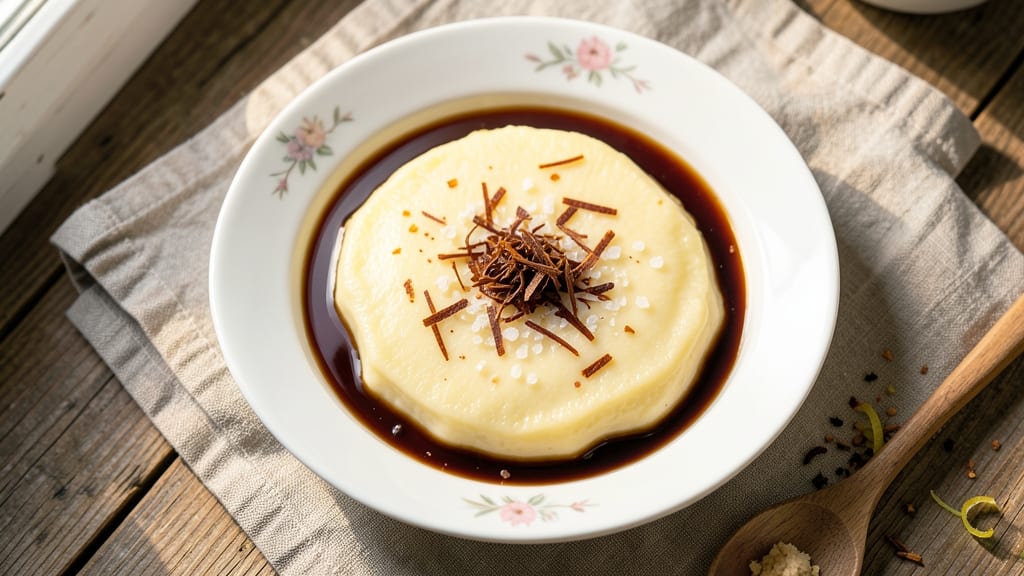
Steamed egg pudding transforms simple ingredients into a silky, custardy delight using just gentle heat and patience. This Japanese-inspired dish relies on precise technique to achieve its signature jelly-like texture, where the yolks remain rich and tender while the whites set perfectly.
The secret lies in the steaming process—too much heat ruins it, but just enough creates that magical balance between custard and gelatinous smoothness.
This recipe delivers a foolproof method for home cooks, requiring only eggs, milk, sugar, and a pinch of salt. The key to success is tempering the eggs with warm milk before steaming, which prevents curdling and ensures a velvety finish.
Whether you prefer classic sweet versions or savory twists with mushrooms and dashi, the technique remains the same—just the fillings change.
What you’ll end up with is a restaurant-quality dessert that’s light yet satisfying, with a delicate wobble when cut. The aroma of steaming milk and eggs fills the kitchen, promising a treat that’s both elegant and comforting.
Serve it warm with a drizzle of soy sauce or a sprinkle of bonito flakes for that authentic Japanese touch.
Perfect for brunch, tea-time, or as a light dessert after a meal, this pudding is versatile enough to adapt to your tastes. The beauty of steamed egg pudding lies in its simplicity—no fancy equipment needed, just a steamer and a little time. Let’s get started on creating this delicate masterpiece.
Ingredients for steamed egg pudding
Four simple ingredients transform into a delicate, restaurant-quality dessert using gentle heat.
| Ingredient | Amount | Notes |
|---|---|---|
| Large Eggs 🥚 | 4 whole | Room temperature preferred |
| Whole Milk 🥛 | 1 ½ cups | Full-fat for creaminess |
| Granulated Sugar 🍚 | ¼ cup | Adjust to taste |
| Salt 🧂 | ¼ tsp | Fine sea salt preferred |
| Soy Sauce 🥢 | 1 tbsp | For finishing (optional) |
| Bonito Flakes 🐟 | 1 tsp | For garnish (optional) |
| Dried Shiitake Mushrooms 🍄 | 2 whole | For savory version (optional) |
| Dashi Powder 🍜 | ½ tsp | For savory version (optional) |
The eggs are the foundation—room temperature ones blend more smoothly and prevent curdling. Organic pastured eggs from Trader Joe's or your local farmers market yield the best texture, but any good-quality eggs work. For the milk, whole milk creates the richest texture, though 2% works in a pinch. The sugar should be fine granulated—no powdered or raw sugar substitutes here. If you're making the savory version, dried shiitake mushrooms from an Asian market add depth, but regular dried mushrooms from the grocery store suffice.
No soy sauce? Lightly salted caramel or honey works for sweet versions, though the authenticity suffers. Short on bonito flakes? Sesame seeds or furikake make decent substitutes. For the savory twist, dashi powder from a Japanese market delivers authentic flavor, but vegetable broth powder plus a pinch of MSG mimics it reasonably. The sugar can be reduced to 2 tablespoons if you prefer a less sweet pudding—taste as you go. For a vegan option, replace eggs with silken tofu blended with cornstarch, but the texture will differ slightly.
Store any leftovers in an airtight container for up to 3 days in the fridge. Reheat gently in a steamer for 5-7 minutes—microwaving risks rubbery texture. For make-ahead convenience, prepare the egg mixture up to 24 hours ahead and refrigerate until ready to steam. The pudding reheats beautifully, making it perfect for brunch prep. Freezing isn't recommended as it alters the delicate texture, but you can freeze the egg mixture before steaming for up to 1 month.
Why You'll Love This Recipe
- Five-Ingredient Magic: I swear by this recipe—just eggs, milk, sugar, a pinch of salt, and a splash of soy sauce. That’s it. No fancy gadgets, no stress, just whisk, steam, and boom—silky perfection.
- Umami-Packed Punch: The soy sauce does something wild here. It turns this pudding into a savory-sweet dream—creamy, slightly caramelized edges, and that deep, comforting flavor that lingers. (Yes, even my soy-sauce-skeptical husband asks for seconds.)
- Steam-and-Go Meal Prep: Between us, this is my lazy Sunday lunch. Make a big batch, portion it into jars, and steam them all at once. Reheat in minutes—breakfast, snack, or midnight craving? Covered. No reheating disasters, either.
- Budget Breakfast Win: Eggs and milk are cheap staples, and this recipe stretches them far. I’ve fed four people for under $5 with leftovers that taste just as good cold the next day. Plus, no waste—every drop of that egg-milk mix becomes pudding.
Step-by-step instructions for steamed egg pudding
Master this delicate technique for velvety, jiggly egg pudding with perfect texture every time.
Prepare the Egg Mixture
In a heatproof mixing bowl, combine the 4 whole large eggs and the 1.5 cups whole milk. Whisk vigorously for 2-3 minutes until the mixture becomes noticeably thicker and pale yellow. This process fully emulsifies the eggs, preventing curdling during steaming.
Add the 0.25 cup granulated sugar and the 0.25 teaspoon salt, whisking until completely dissolved. The sugar should dissolve evenly—if you see any undissolved grains, whisk for another 30 seconds. For the savory version, add the 0.5 teaspoon dashi powder and whisk until fully incorporated. This base mixture is your foundation, so take your time to ensure everything is perfectly blended.
Soak and Prepare Optional Savory Additions
For the savory version, place the 2 whole dried shiitake mushrooms in a small bowl and cover with hot water. Let them soak for 10 minutes until softened. Drain and finely chop them, reserving 2 tablespoons of the soaking liquid. This adds umami depth that complements the egg mixture beautifully.
In a separate small bowl, combine the chopped mushrooms with the reserved soaking liquid. Add the 1 teaspoon bonito flakes and let them sit for 5 minutes to infuse the flavors. This step is optional but transforms the classic sweet pudding into a rich, savory variation that's equally satisfying.
Steam the Pudding to Perfection
Set up a steaming apparatus using a heatproof stand or a metal colander that fits snugly over a pot of boiling water. Pour the egg mixture into a heatproof ramekin or small baking dish, covering it with plastic wrap to prevent a skin from forming on the surface. Place the ramekin in the steaming apparatus.
Bring the water in the pot to a gentle simmer—you should see small bubbles forming at the bottom but not a rolling boil. Steam the pudding for 12-15 minutes until the edges are set but the center still jiggles slightly when gently shaken. The key is gentle heat; if the water boils vigorously, the pudding may cook unevenly or develop a rubbery texture.
Finish and Serve
Remove the ramekin from the steaming apparatus and let it rest for 5 minutes. This resting period allows the pudding to set completely without overcooking. Gently run a small knife around the edges to loosen it from the ramekin.
For the sweet version, serve immediately with a drizzle of soy sauce or a sprinkle of sugar. For the savory version, drizzle with the 1 tablespoon soy sauce and garnish with the remaining bonito flakes. The texture should be silky and slightly wobbly in the center, with a delicate custard-like consistency that melts in your mouth.
Pro Tips For Making Steamed Egg Pudding
- STIR VIGOROUSLY AFTER WHISKING: I learned this the hard way—when you mix eggs, milk, and sugar, give that bowl a good 30-second whirl with a whisk (or immersion blender) before adding soy sauce. The sauce clumps if you toss it in too soon, and you’ll end up with weird, grainy pockets in your pudding. Once it’s smooth, stir in the soy sauce gently—just until combined.
- USE ROOM-TEMP EGG MIX: Cold eggs? Skip the wait. Crack them into a separate bowl first, let them sit for 10 minutes while you warm the milk (just enough to feel slightly toasty, not scalding). Warm eggs blend smoother and won’t curdle when they hit the milk. Trust me, your pudding will be silkier—no weird rubbery bits when steamed.
- CHECK DONENESS BY JIGGLE: The steamer basket lies. Your pudding might look set but still wobble like Jell-O inside. After the recommended time, give it a gentle shake—if the center jiggles firmly (not liquid, not loose), it’s done. Oversteaming dries it out; understeaming leaves it raw. If unsure, cut a corner to peek (yes, it’s messy, but better than a sad, gummy center).
- SALT THE MILK FIRST: This isn’t just about taste—it’s about texture. Dissolve the salt (about ¼ tsp) directly into the warm milk before mixing with eggs. It prevents the soy sauce from overpowering the flavor and helps the custard set evenly. I was skeptical until I tried it: the pudding holds its shape better and tastes balanced, not salty in weird spots.
Dietary considerations for steamed egg pudding
Classic Sweet Version
This traditional recipe uses eggs, milk, sugar, and salt for a delicate dessert that’s naturally vegetarian and lactose-sensitive-friendly if you opt for lactose-free milk. The dish is egg-heavy, making it a great source of high-quality protein and choline, which supports brain health.
For those watching calories, use low-fat milk and reduce sugar to 2 tablespoons—the texture remains creamy but lighter. 🥚
Savory Mushroom Twist
The savory version with dried shiitake mushrooms and dashi powder creates a gluten-free option perfect for those avoiding wheat or refined sugars. This umami-rich variation is packed with antioxidants from mushrooms and B vitamins from eggs, making it a nutrient-dense alternative to sweet desserts.
For extra protein, add soft tofu cubes to the ramekin before steaming. The soy sauce garnish adds a low-sodium option if you use reduced-sodium soy sauce.
Vegan Adaptation
For a vegan version, replace eggs with 1 cup silken tofu blended with 2 tablespoons cornstarch and 1 tablespoon nutritional yeast for a cheesy flavor. Use coconut milk instead of dairy milk to keep it plant-based while maintaining creaminess.
The texture will be slightly firmer but still silky. Garnish with toasted sesame seeds or vegan furikake for an authentic touch. This adaptation is nut-free and dairy-free, making it allergy-friendly. ✨
Diabetic-Friendly Adjustments
To make this dessert diabetic-friendly, reduce sugar to 1 tablespoon and use monk fruit sweetener or erythritol instead. The natural sweetness of the eggs balances the flavor without spiking blood sugar. For extra fiber, stir in 1 tablespoon chia seeds before steaming—they add thickness and nutrients.
Serve with unsweetened berries on the side for a low-glycemic pairing. Always monitor portion sizes, as even reduced-sugar versions contain carbohydrates.
Allergy Considerations
This recipe is naturally egg-free-free when using the vegan adaptation, but the classic version contains eggs—a common allergen. For egg-allergic cooks, the tofu-based vegan version is the safest alternative. If avoiding soy (common in soy sauce or dashi), substitute with coconut aminos or miso paste for umami.
Always check labels on ingredients like bonito flakes or dashi powder, as they may contain hidden allergens like fish or wheat. Cross-contamination is a risk if using shared kitchen tools—clean surfaces thoroughly before preparing.
Nutrition facts
Frequently asked questions
Why does my egg pudding turn rubbery instead of silky?
Overcooking or too much heat is the usual culprit! Steam just until the edges set (12-15 minutes) and the center still jiggles slightly. If the water boils vigorously, the pudding cooks unevenly. Also, make sure your eggs aren't too cold—room temperature eggs blend better. For extra silkiness, whisk the egg-milk mixture for 2-3 minutes until thick and pale.
Can I make this ahead of time?
Yes! Prepare the egg mixture up to 24 hours ahead and refrigerate it in an airtight container. When ready to steam, bring it to room temperature first. For best texture, steam it fresh—but if you must reheat, use a steamer for 5-7 minutes (never microwave). The flavor holds well, though the texture may firm up slightly after refrigeration.
What's the secret to the perfect wobble?
The wobble comes from proper steaming and resting! The pudding should be set at the edges but still slightly jiggly in the center when done. Let it rest for 5 minutes after steaming—this helps it firm up without overcooking. If it's too firm, it may have been oversteamed. For extra jiggle, reduce sugar slightly (to 2 tablespoons) and use full-fat milk.
How do I know when it's fully cooked?
Look for three key signs: the edges should be fully set, the center should jiggle slightly when gently shaken, and a toothpick inserted should come out clean (or with just a tiny bit of moist mixture). The pudding will continue setting as it rests, so don't overcook it. If unsure, err on the side of undercooking—it's easier to steam longer than to fix an overdone pudding.
Can I use this technique for other custards?
This gentle steaming method works beautifully for chawanmushi (Japanese savory egg custard) or even crème brûlée bases. For chawanmushi, add fillings like shrimp or mushrooms before steaming. For crème brûlée, add 1 tablespoon cornstarch to thicken the mixture. The key is always using gentle heat and proper resting time—never direct boiling!