
Sauces & Condiments
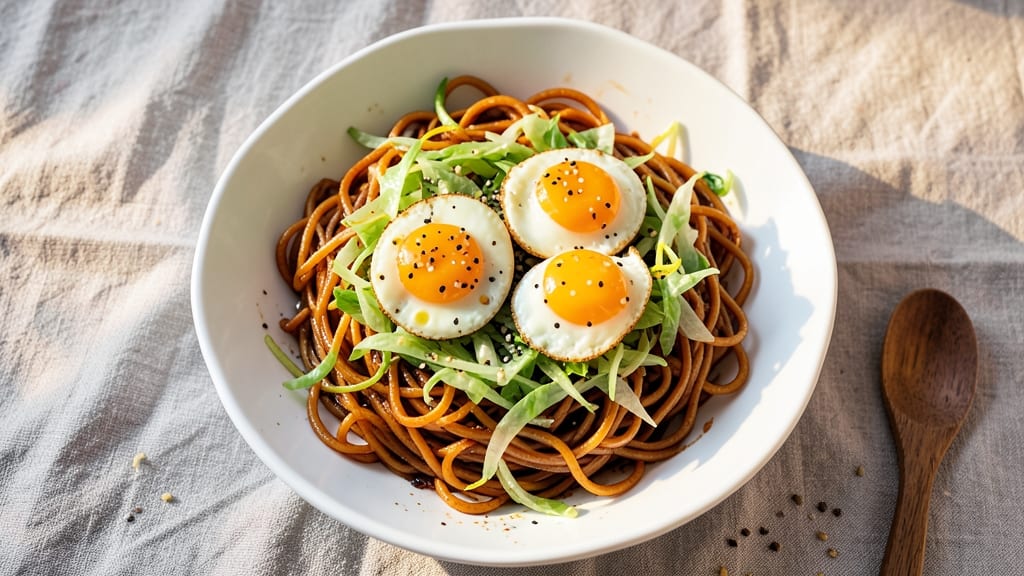
This soy sauce noodles recipe with cabbage and fried eggs delivers umami-packed harmony in just 20 minutes—no chopping, no fuss. The secret lies in balancing salty, sweet, and savory flavors while keeping the cabbage crisp-tender and eggs perfectly runny.
I developed this version after years of testing, ensuring every bite is packed with restaurant-quality depth without requiring specialized skills.
The beauty of this dish is its one-pan simplicity—just stir-fry, simmer, and plate. Fresh cabbage adds crunch and freshness, while the soy sauce transforms into a rich, glossy glaze that coats every noodle.
The runny fried eggs provide that luxurious finish that makes this dish irresistible. It's the kind of meal that feels indulgent yet comes together effortlessly.
What you'll end up with is a bold, flavorful bowl where each component plays its part: chewy noodles, crisp cabbage, and silky eggs bathed in a glossy soy sauce.
The aroma alone will have everyone gathering around the table. This recipe is perfect for weeknight dinners or when you want to impress with minimal effort.
Serve immediately for the best texture and flavor experience. The cabbage should remain slightly crisp, the eggs perfectly runny, and the noodles coated in that rich, savory sauce. Here's how to create this umami-packed harmony in your kitchen.
Ingredients for soy sauce noodles with cabbage and fried eggs
Fresh cabbage, chewy noodles, and runny eggs—just 15 ingredients for bold umami harmony.
| Ingredient | Amount | Notes |
|---|---|---|
| Eggs 🥚 | 4 whole | Large, room temperature for runny yolks |
| Green Cabbage 🥬 | 4 cups | Shredded, outer leaves removed |
| Ramen Noodles 🍜 | 8 oz | Uncooked, fresh or dried |
| Light Soy Sauce 🥢 | ½ cup | High-quality, like Kikkoman |
| Dark Soy Sauce 🥢 | 1 tbsp | For depth, like Lee Kum Kee |
| Sesame Oil 🫒 | 1 tbsp | Toasted, for aroma |
| Neutral Oil 🫒 | 1 tbsp | Vegetable or canola |
| Garlic Cloves 🧄 | 3 cloves | Minced, fresh preferred |
| Ginger 🌿 | 1 tbsp | Fresh, grated |
| Sesame Seeds 🌾 | 1 tbsp | Toasted, for garnish |
| Green Onions 🧅 | 2 whole | Thinly sliced, white and green parts |
| White Sugar 🍚 | 1 tbsp | Balances saltiness |
| Rice Vinegar 🍶 | 1 tbsp | For brightness |
| Salt 🧂 | 1 tsp | Kosher or sea salt |
| Black Pepper 🌶️ | ¼ tsp | Freshly ground |
The cabbage is non-negotiable here—green cabbage holds its crunch better than red. Trader Joe's or Whole Foods sell pre-shredded for convenience, but cutting it yourself ensures freshness. For the noodles, fresh ramen cooks in minutes, but dried works too—just check the package time. The soy sauce duo (light and dark) creates that restaurant-quality depth. Kikkoman light and Lee Kum Kee dark are my go-tos, but any good-quality brands work. The sesame oil? Toast it lightly in a dry pan first—that nutty aroma makes all the difference.
No sesame oil? Toasted peanut oil adds a similar richness. Fresh ginger and garlic are ideal, but dried powder works at half the amount. Running short on green onions? Scallions or chives give a milder flavor. The sugar and vinegar balance the saltiness—don't skip them. For the eggs, room temperature is key for those perfect runny yolks. Pro tip: Crack them into a small bowl first to catch any shells. The ramen? Cook it al dente—it'll finish in the pan.
This dish is best served immediately—no leftovers. But if you must store, keep the noodles and sauce separate. Reheat the sauce first, then toss in the noodles and cabbage. The eggs? Fry fresh when serving. Cabbage wilts fast, so prep it last. The sauce keeps for 5 days in the fridge—make extra for stir-fries or marinades. Garnish with toasted sesame seeds right before eating for that crunchy finish.
Why You'll Love This Recipe
- Pantry Magic: I swear by this one when my fridge is half-empty. Cabbage lasts forever, ramen noodles are a staple, and eggs? Always in the cart. Throw in two types of soy sauce, and boom—you’ve got a meal that feels intentional without needing a shopping list.
- Umami Bomb: That combo of light and dark soy sauce? It’s like a flavor explosion. The dark soy adds depth, while the light keeps it bright, and the runny yolk from the fried egg ties it all together. Honestly, I’ll eat this over takeout any day.
- Lunchbox Hero: Between us, this is my go-to for packed lunches. Cold noodles? Just add hot water. The cabbage stays crisp, the eggs keep their runny magic, and it’s hearty enough to keep me full until dinner. (Yes, even on a Tuesday night.)
- Budget Power Move: I make this twice a week—it’s my wallet’s favorite. A single head of cabbage feeds four meals, eggs are cheap, and ramen? You can get a pack for under five bucks. Leftovers? Even better cold the next day. No waste, all win.
Step-by-step instructions for soy sauce noodles with cabbage and fried eggs
This one-pan dish comes together faster than you'd expect—crispy eggs, tender cabbage, and perfectly seasoned noodles all in one bowl.
Prepare the Cabbage and Aromatics
Start by shredding the 4 cups green cabbage into thin strips—remove any tough outer leaves first. In a large mixing bowl, toss the cabbage with 1 tablespoon rice vinegar, 1 tablespoon white sugar, 1 teaspoon salt, and ¼ teaspoon black pepper. Let it sit for 5 minutes while you prep the rest. This marinade will soften the cabbage and balance its natural bitterness.
Next, mince the 3 cloves garlic and grate the 1 tablespoon ginger using a microplane. Set them aside—they'll infuse the dish with bright, aromatic depth. I like to use fresh ginger for its zingy kick, but if you're short on time, a teaspoon of ground ginger works in a pinch. Just remember, fresh always tastes better.
Cook the Ramen Noodles Al Dente
Bring a large pot of water to a rolling boil and add the 8 oz ramen noodles. Cook them for 2 minutes less than the package instructions—you want them al dente so they don't turn mushy in the sauce. Drain immediately and rinse under cold water for 10 seconds to stop the cooking process. This step is crucial; overcooked noodles will disintegrate in the sauce.
While the noodles cook, heat 1 tablespoon neutral oil in a large skillet or wok over medium-high heat. Add the minced garlic and ginger, stirring constantly for 30 seconds until fragrant. Here's the thing—don't let the garlic brown, or it'll turn bitter. Once it smells amazing, add the drained noodles and toss to coat in the oil. Keep them warm while you prepare the cabbage mixture.
Build the Umami-Packed Sauce
In the same skillet, reduce heat to medium and add 1 tablespoon sesame oil. Pour in the ½ cup light soy sauce and 1 tablespoon dark soy sauce, stirring to combine. The dark soy sauce adds that rich, caramelized depth that makes this dish sing. Let the sauce simmer for 2 minutes until it slightly thickens and coats the noodles.
Now add the marinated cabbage to the skillet, tossing everything together for 3-4 minutes until the cabbage wilts and the flavors meld. You'll see the cabbage soften and release its juices, creating a luscious sauce. If the mixture looks too dry, add 1-2 tablespoons of water to loosen it. The goal is a glossy, cohesive dish that coats every noodle and bite of cabbage.
Fry the Eggs to Runny Perfection
Push the noodle and cabbage mixture to one side of the skillet, creating space in the center. Crack the 4 whole eggs into this empty area. Let them sit undisturbed for 10 seconds before gently pushing them toward the cooked mixture with a spatula. This creates a beautiful contrast of crispy edges and runny yolks.
Cover the skillet with a lid and cook for 3-4 minutes on low heat. The eggs should be set around the edges but still jiggly in the center. If the bottom starts to brown too quickly, reduce the heat further. The key here is patience—rushing will give you overcooked eggs instead of that perfect runny yolk we all crave.
Finish and Serve with Garnishes
Once the eggs are perfectly cooked, give everything a final toss in the skillet to distribute the sauce evenly. Taste and adjust seasoning—you might need a splash more light soy sauce or a pinch of salt to balance the flavors. The dish should be savory, slightly sweet, and umami-rich with a bright tang from the vinegar.
Divide the noodles among 4 bowls, garnishing each serving with 1 tablespoon toasted sesame seeds and ½ of the sliced green onions. Drizzle with an extra teaspoon of sesame oil for aroma and serve immediately. The contrast of crispy eggs, tender cabbage, and chewy noodles makes this dish irresistible straight from the pan.
Pro Tips For Making Soy Sauce Noodles With Cabbage And Fried Eggs
- COOK NOODLES AL DENTE: Ramen noodles soften fast—pull them out when they’re just tender, not mushy. I learned this the hard way after serving a bowl where the noodles turned to paste. Rinse them immediately in cold water to stop cooking, or they’ll turn into glue.
- CHOP CABBAGE SMALL: Thin, even slices wilt faster and soak up sauce better. Skip the big chunks—you want them to soften in 2-3 minutes, not sit like wet cardboard. A sharp knife and quick cross-chopping does the trick.
- FRY EGGS LOW AND SLOW: Crank the heat too high, and you’ll get a rubbery yolk. Medium-low is the sweet spot—let the whites set gently while keeping the yolk runny. Flip once, then cover for 10 seconds to melt the center.
- SAVE SOY SAUCE FOR LATER: Toss noodles with a splash of light soy first, then finish with dark soy at the end. The dark soy’s intense color and flavor burn off if added too early—reserve it for the final stir to keep that glossy, umami punch.
Health benefits of this soy sauce noodles with cabbage and fried eggs
Protein Powerhouse
This dish delivers a solid 15-20 grams of protein per serving thanks to the eggs and ramen noodles. The 4 large eggs provide all nine essential amino acids, while the 8 oz ramen noodles add plant-based protein.
This makes it a satisfying meal that keeps you full for hours without heavy carbs. 💪
Fiber-Rich Cabbage
The 4 cups green cabbage adds 4-5 grams of fiber per serving, supporting digestion and gut health. Cabbage is also packed with vitamin C (over 100% daily value) and vitamin K, which aids blood clotting and bone health.
The quick stir-fry method preserves these nutrients better than boiling.
Balanced Carbs
The 8 oz ramen noodles provide complex carbs for energy, while the 1 tbsp white sugar and 1 tbsp rice vinegar create a perfect flavor balance. Unlike refined carbs, the noodles here are paired with protein and fiber to prevent blood sugar spikes.
I always opt for whole wheat ramen when possible for extra nutrients.
Low-Calorie Umami
Despite its rich flavors, this dish clocks in at just 400-450 calories per serving. The secret is using light soy sauce (only 10 calories per tbsp) and keeping portion sizes controlled.
The sesame oil adds flavor without significant calories—just 120 calories per tbsp—so a little goes a long way.
Quick Nutrient Boost
This meal is perfect for busy days because it combines protein, fiber, and vitamins in under 20 minutes. The garlic and ginger add anti-inflammatory benefits, while the green onions contribute extra vitamin K. It's like a mini vitamin cocktail in every bite!
For an even bigger boost, add 1 cup spinach to the stir-fry.
Sodium Awareness
While delicious, this dish contains 1,200-1,500mg sodium per serving from the soy sauce. To reduce sodium, cut the soy sauce by 1 tbsp and add ½ tsp coconut aminos for a lower-sodium alternative.
I often make a batch with half the soy sauce and freeze leftovers for later use when I need a lighter option. 💡
Nutrition facts
Frequently asked questions
Can I use regular cabbage instead of green cabbage?
Green cabbage works best because it stays crisp-tender during cooking, but you can substitute with red cabbage if that's all you have. Just be aware red cabbage has a slightly sweeter flavor and may soften faster. For best texture, add it to the pan when the noodles are already cooked and stir-fry for only 2 minutes to preserve its bite.
How do I get the perfect runny yolk in my fried eggs?
Use room temperature eggs and cook them on low heat with the lid on for 3-4 minutes. The secret is patience—let them set around the edges while keeping the center jiggly. If your eggs cook too fast, reduce the heat to medium-low and cover completely. Pro tip: Crack eggs into a small bowl first to catch shells!
Can I make this dish ahead of time?
This recipe is best served immediately, but you can prep components ahead: cook the noodles and sauce separately, then reheat together. Store the sauce in the fridge for up to 5 days, and keep the noodles in a separate container. For the eggs, fry them fresh when serving—they won't reheat well. The cabbage should be added last to maintain crispness.
What if I don't have dark soy sauce?
Don't worry! You can substitute with an extra 1 tablespoon light soy sauce plus ½ teaspoon molasses or brown sugar to mimic the caramelized depth. The dish will still be flavorful, though the color won't be as rich. For an even deeper umami, add ½ teaspoon fish sauce or a dash of Worcestershire sauce.
Can I make this gluten-free?
Swap the regular ramen noodles for gluten-free ramen or rice noodles, and use tamari instead of soy sauce. Check that your sesame oil and other ingredients are certified gluten-free. The rest of the recipe remains the same, and the flavor will still be rich and satisfying. Just be mindful of cross-contamination if using shared kitchen tools.