
Breakfast & Brunch
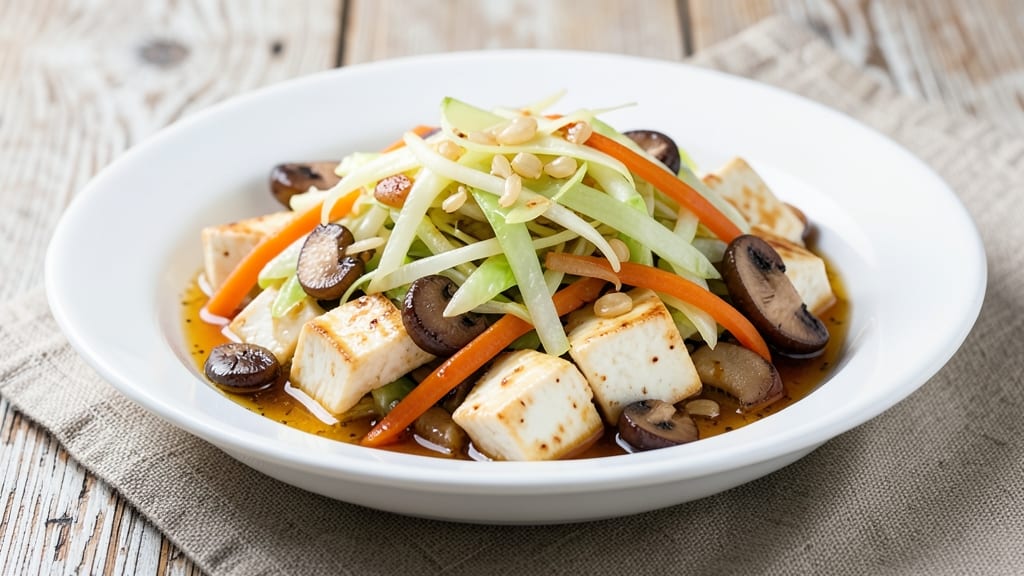
This vegetable egg roll filling recipe delivers the perfect balance of wok-fried crunch and vibrant herb brightness—ideal for homemade egg rolls that rival takeout. The secret lies in quick-cooking vegetables and aromatic seasonings that transform simple ingredients into a flavor-packed filling.
Whether you're making crispy fried rolls or healthier baked versions, this recipe ensures every bite stays tender yet packed with texture.
What sets this filling apart is the combination of julienned cabbage, carrots, and mushrooms that develop a satisfying crunch when wok-fried, while fresh herbs like cilantro and green onions add a bright, fresh finish. The seasoning blend—garlic, ginger, and a touch of soy—creates depth without overpowering the natural flavors.
For extra protein, tofu or bean sprouts can be added, making this filling both vegetarian-friendly and adaptable to dietary needs.
Once wrapped in your choice of egg roll wrappers (or gluten-free alternatives), these rolls can be fried until golden or baked for a lighter option. The result is a crisp exterior and tender, flavorful interior that pairs beautifully with sweet chili sauce, hoisin, or a tangy dipping sauce.
This recipe proves homemade egg rolls can be just as satisfying—and healthier—than takeout.
Perfect for meal prep or serving at gatherings, these egg rolls keep well in the fridge for up to 3 days or can be frozen for later. Whether you're a beginner or an experienced cook, this filling is simple to prepare but delivers restaurant-quality results every time.
Ingredients for vegetable egg roll filling
Quick-cooking vegetables and aromatic seasonings transform these 14 ingredients into restaurant-quality egg roll filling.
| Ingredient | Amount | Notes |
|---|---|---|
| Napa Cabbage 🥬 | 4 cups | Julienned into matchsticks |
| Carrots 🥕 | 2 medium | Julienned into matchsticks |
| Shiitake Mushrooms 🍄 | 8 oz | Stemmed and sliced thin |
| Extra-Firm Tofu 🥬 | 1 lb | Pressed and cubed |
| Garlic Cloves 🧄 | 4 cloves | Minced for aromatic depth |
| Fresh Ginger 🌿 | 1 inch | Peeled and grated |
| Green Onions 🧅 | 4 whole | White and green parts separated |
| Fresh Cilantro 🌿 | ¼ cup | Chopped for brightness |
| Low-Sodium Soy Sauce 🍶 | 2 tbsp | For umami depth |
| Sesame Oil 🫒 | 1 tbsp | For nutty aroma |
| Neutral Oil 🫒 | 2 tbsp | Avocado or vegetable oil |
| Salt 🧂 | ½ tsp | Diamond Crystal preferred |
| Black Pepper 🌶️ | ¼ tsp | Freshly ground |
| Cornstarch 🌾 | 1 tbsp | For crisp-tender texture |
The vegetables are the heart of this filling, so prioritize freshness and even cutting. Napa cabbage should be crisp with tightly packed leaves—avoid wilted heads. Shiitake mushrooms add meaty texture; opt for dried ones if you prefer deeper umami, rehydrating first. Carrots should be firm with vibrant orange color, not rubbery or dry. For the tofu, press it for 20 minutes before cubing to remove excess moisture, ensuring it fries up properly. Whole Foods or Trader Joe's carry pre-sliced mushrooms and julienned cabbage to save time, though fresh prep yields better texture.
No sesame oil? Toasted peanut oil offers a similar nutty depth, though the flavor profile shifts slightly. Low-sodium soy sauce is critical—regular versions can overpower the delicate vegetable flavors. For the ginger, if you only have powdered, use half the amount but toast it lightly in the pan first to revive its potency. Fresh cilantro is non-negotiable for brightness, but if you're cilantro-challenged, fresh basil or mint work as substitutes. The cornstarch is essential for that signature crisp-tender texture; don't skip it. For extra protein, add 1 cup of bean sprouts or extra tofu—just increase the oil slightly to compensate.
Prepped vegetables keep 3 days in the fridge, sealed in airtight containers. Tofu should be used within 2 days for best texture. The filling itself can be stored 2 days before wrapping, though freshly made rolls always taste superior. For freezing, wrap individual portions in parchment and plastic—this prevents freezer burn and makes reheating easier. Thaw overnight in the fridge before frying or baking. Reheat gently to avoid drying out the vegetables; a steamer basket works perfectly.
Why You'll Love This Recipe
- Fewer Ingredients, More Impact: I swear by this combo—Napa cabbage’s crunch, shiitake’s meaty bite, and that garlic-tofu sizzle. You don’t need 10 things to make it pop.
- Weeknight Magic: Ten minutes of chopping, five of stir-frying, and boom—filling ready. Honestly, I’ve made this while waiting for pasta to boil. No excuses.
- Leftovers That Shine: Freeze half the batch and toss it into noodles or a fried rice later. The tofu stays tender, the mushrooms deepen in flavor—it’s like time travel for lunch.
- Budget-Friendly Powerhouse: A block of tofu and a handful of mushrooms stretch farther than you’d think. Between us, this is how I feed my book club without breaking the bank.
Step-by-step instructions for vegetable egg roll filling
Here's how to achieve the perfect balance of wok-fried crunch and fresh herb brightness in your egg roll filling.
Prepare the Vegetable Base
Heat a wok or large skillet over medium-high heat and add the 2 tablespoons neutral oil. Once the oil shimmers, add the 4 cups julienned napa cabbage and 2 medium julienned carrots. Stir-fry for 3-4 minutes until the cabbage wilts and the carrots begin to soften but still retain their shape.
Real talk: The cabbage should look like it's melting down but not turning mushy. If it sticks, you're not cooking it hot enough—crank the heat up. This is the foundation of your filling, so take your time to get it right. Once the vegetables are tender-crisp, remove them from the wok and set aside in a bowl.
Cook the Tofu and Aromatics
In the same wok, add the 1 pound pressed and cubed extra-firm tofu and cook for 5-6 minutes until golden brown on all sides. You want the tofu to develop a nice crust—this adds texture to your filling. Remove the tofu and set it aside with the vegetables.
Add the 2 tablespoons neutral oil back to the wok if needed, then add the 8 ounces sliced shiitake mushrooms. Cook for 3-4 minutes until the mushrooms release their moisture and begin to brown. Push the mushrooms to one side of the wok and add the 4 cloves minced garlic and 1 inch grated ginger. Stir for 30 seconds until fragrant—this is where the flavor really starts to develop.
Combine and Season
Return the tofu and vegetables to the wok. Add the 2 tablespoons low-sodium soy sauce, 0.5 teaspoon salt, and 0.25 teaspoon black pepper. Stir everything together and cook for another 2-3 minutes until the vegetables are heated through and the flavors meld.
Here's the thing—this is where you can taste and adjust. If the filling needs more umami, add a splash more soy sauce. If it needs brightness, hold off on the herbs until the very end. The mixture should be vibrant and slightly glossy from the soy sauce, with the vegetables still holding their shape but tender enough to eat.
Finish with Fresh Herbs and Crisp-Tender Texture
In a small bowl, whisk together the 1 tablespoon cornstarch with 1 tablespoon sesame oil. Add this mixture to the wok and stir vigorously for 1-2 minutes until the filling becomes crisp-tender. You'll see the vegetables start to firm up slightly—this is the magic that gives egg roll filling its signature texture.
Finally, add the 4 whole green onions (white parts only, chopped) and 0.25 cup chopped cilantro
Transfer the filling to a large bowl and let it cool to room temperature. This is crucial—warm filling will make your egg rolls soggy. Once cooled, give it a final taste and adjust seasoning if needed. The filling should be vibrant, slightly sticky from the cornstarch, and packed with texture from the crisp-tender vegetables. Your egg roll filling is now ready to wrap. The key to great egg rolls is using this filling while it's still at room temperature—it's the perfect consistency for rolling. If you're not wrapping immediately, store it in an airtight container in the refrigerator for up to 2 days. Reheat gently in a skillet before wrapping to restore the crisp-tender texture.Cool and Prepare for Wrapping
Pro Tips For Making Vegetable Egg Roll Filling
- CHOP CABBAGE THIN: Skip the thick wedges—slice Napa cabbage paper-thin for even cooking and a texture that mimics traditional egg roll fillings. I used to overlook this, and the cabbage would stay crunchy or turn mushy; now I grab a sharp knife and work in one motion.
- PRESS TOUFO DRY: Wrap extra-firm tofu in a towel, place a heavy pan on top for 10 minutes, then slice it. This removes excess moisture so it fries crispy instead of soggy. I learned this the hard way after making egg rolls that fell apart when biting in.
- SAUTE MUSHROOMS FIRST: Cook shiitake mushrooms until they release their liquid and start browning before adding anything else. This concentrates their flavor and prevents the filling from turning watery later. Trust me, it makes a real difference in the final bite.
- STOP WHEN GARLIC GLOWS: Sauté garlic cloves until they’re just golden—not browned or burnt. Overdoing it turns them bitter, and the whole filling suffers. Keep an eye on them; they’ll only need about 30 seconds at medium-high heat.
Essential equipment for this dish
Wok Essentials
A carbon steel wok is my go-to for this recipe—it heats up quickly and evenly, which is crucial for stir-frying the vegetables at high heat. I recommend a 14-inch wok like the Mauviel M'Cook for home cooks, or a Calphalon stainless steel wok if you prefer durability.
For beginners, a non-stick skillet (like GreenPan) works in a pinch, though it won’t give the same crispy texture. 🔥
If you don’t own a wok, a large, deep skillet (at least 12-inch diameter) with sloped sides will do the trick. The key is to use enough oil to prevent sticking—about 2 tablespoons total—and keep the heat high to mimic wok-frying.
Avoid small pans; they’ll overcrowd the filling and steam the veggies instead of searing them.
Knife & Cutting Tools
Precision cutting is everything for egg roll filling. A sharp chef’s knife (like Wüsthof or Shun Premier) and a mandoline (for even julienne cuts) are game-changers. For the Napa cabbage and carrots, aim for ¼-inch x ¼-inch matchsticks—this ensures even cooking and maximum crunch. 🌟
If you’re new to julienning, practice on a vegetable peeler first to get the hang of thin, even strips. The shiitake mushrooms should be sliced into ¼-inch thick pieces for quick cooking.
A Japanese santoku knife is ideal for this task, but a regular chef’s knife works too—just take your time. Pro tip: Keep your knife sharp to avoid crushing the vegetables.
Heat Source
A gas stove is ideal for this recipe because it gives you precise, high-heat control—essential for stir-frying. If you’re using electric, opt for a flat-bottomed wok or skillet to ensure even heat distribution.
Avoid induction cooktops unless your wok has a magnetic base; otherwise, the heat won’t transfer properly, leading to uneven cooking. 🌡️
For outdoor cooking, a propane burner (like Weber QuickFire) works great, but monitor the heat closely—open flames can char the filling if you’re not careful. Indoor electric ranges should be set to medium-high heat (around 375°F) to achieve the same wok-fried texture.
Preheat your pan for 2-3 minutes before adding oil to ensure it’s ready for high-heat cooking.
Miscellaneous Must-Haves
A fine-mesh strainer (like OXO Good Grips) is handy for draining excess moisture from the tofu before pressing—this step is non-negotiable for crispy tofu cubes. For pressing tofu, I use a tofu press (like Norpro), but a heavy object (a cast-iron skillet with weights) works too.
The goal is to remove as much water as possible to prevent soggy filling. ⚡
Don’t overlook a microplane for the ginger—it yields finer, more aromatic zest than a grater. A small mixing bowl (for the cornstarch slurry) and a pair of tongs (for tossing the filling) will also make your life easier.
If you’re freezing the filling, grab some parchment paper and plastic wrap to prevent freezer burn and maintain texture.
Nutrition facts
Frequently asked questions
Can I substitute tofu with another protein for extra texture?
For a meatier texture, try 1 cup of chopped water chestnuts (they add crunch) or ½ cup of cooked quinoa (for heartiness). For a protein boost, add ½ cup of cooked chickpeas or ½ cup of shredded tempeh—just increase the oil slightly to compensate for extra moisture. The key is keeping the filling dry enough to hold its shape when wrapped.
How do I prevent my egg rolls from getting soggy when frying?
Work with completely cooled filling (room temp or chilled) and keep your oil at 350°F—too hot will burn the wrappers, too cool will make them greasy. Use a slotted spoon to drain excess oil between batches, and fry in small groups (no more than 4 at a time) to maintain even cooking. For extra crispiness, double-wrap them in a second layer of dough.
What's the best way to make baked egg rolls instead of fried?
Brush the wrapped egg rolls with a light coat of olive oil and bake at 400°F for 18-20 minutes on a parchment-lined tray. For extra crunch, broil for 2-3 minutes at the end. The filling will be tender but not crispy—think of them as "baked potstickers." Serve with the same dipping sauces, but add a sprinkle of sesame seeds for texture contrast.
Can I make this filling ahead of time and freeze it?
Yes! Let the filling cool completely, then portion it into airtight containers or freezer bags (remove as much air as possible). It keeps for 3 months in the freezer. Thaw overnight in the fridge before wrapping—never microwave directly from frozen. For best texture, reheat gently in a skillet before wrapping, adding 1 teaspoon oil to restore crisp-tenderness.
What's the secret to getting the perfect julienne cut?
Use a sharp knife and make even, thin slices (about ¼-inch wide) by holding the vegetable firmly and cutting at a 45-degree angle for the first slice, then straight down for consistency. For cabbage, remove the thick core first. A mandoline works too—just use the ¼-inch julienne attachment and work quickly to prevent wilting before cooking.