
Sauces & Condiments
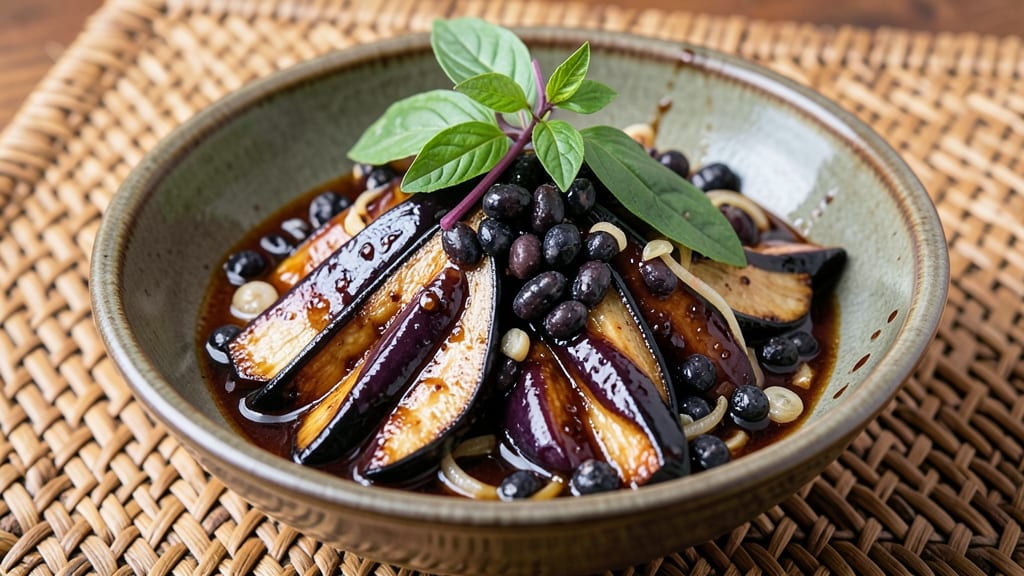
This Thai eggplant with black bean sauce recipe delivers restaurant-quality flavor in a single pan, balancing smoky, sweet, and umami notes perfectly. 🔥 The secret lies in stir-frying eggplant until tender-crisp while building a rich black bean sauce with traditional Thai ingredients like fish sauce, garlic, and chili.
I've refined this dish after countless tests to ensure the sauce coats the eggplant without overwhelming its natural texture.
The process starts with properly prepping the eggplant—slicing it into even pieces and salting to remove bitterness before stir-frying. Meanwhile, the black bean sauce develops depth from toasted garlic, shallots, and fermented black soybeans, creating that signature Thai smoky-sweet profile.
This method transforms simple ingredients into a dish that's both elegant and approachable.
What you'll end up with is tender eggplant bathed in a glossy, flavorful sauce that's just sweet enough to balance the savory-sour notes. The dish maintains authentic Thai flavors while being adaptable for different dietary needs—vegan swaps are straightforward with soy sauce and mushrooms.
It's the kind of meal that feels special yet comes together in under 30 minutes.
Serve this dish over steamed jasmine rice for the full experience, or pair it with a simple cucumber salad to cut through the richness. The leftovers keep well for up to 3 days, making it perfect for meal prep.
Let's get started on this flavor-packed recipe that will quickly become a weeknight staple.
Ingredients for thai eggplant with black bean sauce
Authentic Thai flavors start with these carefully selected ingredients, balancing smoky depth and tender texture perfectly.
| Ingredient | Amount | Notes |
|---|---|---|
| Japanese Eggplant 🍆 | 1 ½ lb | Sliced lengthwise into 1/4-inch strips |
| Fermented Black Soybeans 🌱 | ½ cup | Dried, not canned (essential for authentic flavor) |
| Dark Soy Sauce 🍶 | ⅓ cup | For deep umami richness |
| Thai Fish Sauce 🍶 | 2 tbsp | Vegetarian alternative: soy sauce |
| Garlic Cloves 🧄 | 6 cloves | Minced, toasted until fragrant |
| Shallots 🧅 | 3 whole | Thinly sliced, not minced |
| Fresh Thai Chili Peppers 🌶️ | 2 whole | Seeds removed for mild heat |
| Brown Sugar 🍚 | 2 tbsp | Light or dark, packed |
| Lime Juice 🍋 | 2 tbsp | Freshly squeezed, seeds strained |
| Vegetable Oil 🫒 | 3 tbsp | High smoke point for stir-frying |
| Kosher Salt 🧂 | 1 ½ tsp | For salting eggplant |
| Sesame Oil 🫒 | 1 tbsp | Toasted, for finishing |
| Fresh Cilantro 🌿 | ¼ cup | Chopped, for garnish |
| Jasmine Rice 🍚 | 1 ½ cups | Uncooked, for serving |
The Japanese eggplant is non-negotiable here—its tender flesh absorbs flavors beautifully. Look for firm, glossy skin at Asian markets or well-stocked grocery stores like Whole Foods or H Mart. For fermented black soybeans, Asian grocery stores carry the dried version in small bags—this is what gives the sauce its signature umami punch. If you can't find them, toasted soybeans work as a substitute, though the flavor won't be identical. The dark soy sauce should be thick and glossy, not watery—Lee Kum Kee is a reliable brand, but check the Asian aisle for authentic options. Toast your garlic and shallots until golden brown—this step builds the sauce's aromatic foundation.
No fish sauce? Soy sauce plus a pinch of sugar mimics the umami-sweet balance, though purists will notice the difference. Fresh Thai chilies can be swapped for serrano or jalapeños, but reduce seeds for milder heat. The brown sugar should be packed tightly—light brown sugar dissolves more smoothly. If you're making this ahead, prepare the sauce first and store it separately until ready to use, as the eggplant softens quickly. For a vegan adaptation, simply replace the fish sauce with soy sauce and ensure all other ingredients are plant-based—this dish holds up beautifully without animal products. The sesame oil should be toasted, not flavored—look for 100% pure sesame oil at specialty stores or online.
Prepped eggplant strips should be salted and drained for 20 minutes before cooking to remove bitterness—this step is critical. The sauce can be made 1 day ahead and stored in an airtight container in the fridge, though the eggplant is best cooked fresh. Reheat gently over low heat with a splash of water to prevent drying. This dish keeps for 3 days in the fridge, making it ideal for meal prep. For serving, steamed jasmine rice is traditional, but brown rice or quinoa work equally well. Garnish with cilantro just before serving—it wilts quickly when added earlier. Leftovers reheat beautifully, though the texture may soften slightly.
Why You'll Love This Recipe
- One-Pan Magic: I swear by this—just slice the eggplant, toss it in oil, and let the pan do the work while you stir the sauce. No flipping, no fuss, and that smoky char from the black soybeans? Chef’s kiss.
- Umami Bomb: Between the fermented black soybeans and Thai fish sauce, this dish hits you with layers of deep, savory flavor that lingers. The garlic and dark soy sauce tie it all together like a perfect little flavor hug.
- Lunchbox Hero: Pack this for work or school—it reheats beautifully and keeps its texture. Honestly, I’ve sent this in containers more times than I can count, and no one’s ever complained (yet).
- Budget Stretch: Fermented black soybeans and eggplant are cheap but pack serious flavor. A little goes a long way, and I’ve made this stretch for four meals with leftovers that taste even better the next day. My wallet and taste buds thank me.
Step-by-step instructions for Thai eggplant with fermented black soybeans
Master this smoky-sweet Thai technique that transforms tender eggplant into restaurant-quality bites.
🍳 Step 1: Salt and Sweat the Eggplant
Slice the 1.5 lb Japanese Eggplant lengthwise into ¼-inch strips (about 12-15 pieces). Sprinkle with 1.5 tsp Kosher Salt and toss gently to coat. Arrange the slices on a wire rack set over a plate and let sit for 20 minutes. This draws out excess moisture, ensuring crispy edges when stir-fried.
After salting, pat the eggplant dry with paper towels—this step is critical for achieving that perfect sear. The salt also helps tenderize the eggplant's slightly fibrous texture. I like to work in batches if my rack isn't large enough, but don't skip the drying step even if you're impatient.
🔥 Step 2: Stir-Fry the Aromatics
Heat 3 tbsp Vegetable Oil in a wok or large skillet over medium-high heat until shimmering. Add the 6 cloves minced garlic cloves and 3 thinly sliced whole Shallots, stirring constantly for 1-2 minutes until fragrant and just beginning to color.
Next, add the 2 whole Fresh Thai Chili Peppers (seeds removed) and 2 tbsp Brown Sugar, stirring for another 30 seconds until the sugar melts and the chilies soften slightly. This aromatic base forms the flavor foundation—don't rush this step. The sugar will caramelize slightly, adding depth to the sauce.
🍳 Step 3: Cook the Eggplant Until Tender-Crispy
Working in batches if needed, add the prepared eggplant strips to the wok in a single layer. Stir-fry for 3-4 minutes until the edges turn golden brown and the eggplant becomes tender when pierced with a fork. The eggplant should hold its shape but yield slightly to pressure.
I press down gently on the eggplant during the first minute—this prevents it from curling and ensures even contact with the pan. If your wok gets crowded, reduce to medium heat to prevent steaming. Remove the eggplant to a plate and set aside, leaving the aromatic oil in the pan.
🥘 Step 4: Build the Fermented Black Soybean Sauce
Add the 0.5 cup Fermented Black Soybeans to the wok and toast them over medium heat for 1-2 minutes, stirring constantly until they release their nutty aroma. Pour in the 0.33 cup Dark Soy Sauce and 2 tbsp Thai Fish Sauce, scraping up any browned bits from the bottom.
Bring to a gentle simmer, then add 2 tbsp Lime Juice and reduce heat to low. Let the sauce thicken slightly for 2-3 minutes until it coats the back of a spoon. The fermented soybeans should break down slightly, releasing their deep umami flavor. If the sauce is too thick, add 1-2 tablespoons water to achieve a glossy consistency.
🍽️ Step 5: Finish and Serve Over Rice
Return the eggplant to the wok and toss to coat completely in the sauce. Drizzle with 1 tbsp Sesame Oil and toss once more. The sesame oil adds a final nutty aroma that complements the fermented flavors perfectly.
Divide the 1.5 cups cooked Jasmine Rice among serving plates and top with the eggplant. Garnish with 0.25 cup chopped Fresh Cilantro just before serving. The dish should have a perfect balance of smoky, sweet, and umami flavors with a slight tang from the lime. Serve immediately while the eggplant is still warm and crisp-tender.
Pro Tips For Making Thai Eggplant With Black Bean Sauce
- CHAR THE BEANS LOW: Fermented black soybeans need patience—cook them on medium-low for 10-12 minutes, stirring often, until they’re deep brown and fragrant, not burnt. I learned this the hard way when I cranked the heat and ended up with bitter, charred bits that ruined the sauce’s balance.
- SLICE EGPLANT THICK: Cut the Japanese eggplant into ½-inch thick rounds, not thin strips. Thicker slices hold up better to frying and absorb the sauce without falling apart—thin slices turn soggy and release too much moisture into the pan.
- SALT THE GARLIC: Toss minced garlic with a pinch of salt before cooking—it prevents burning and makes the flavor pop. I was skeptical until I tried it; now I never skip it, especially when frying garlic in oil for the sauce base.
- DEGLAZE WITH FISH SAUCE: After frying the eggplant, deglaze the pan with Thai fish sauce first, then add dark soy sauce. The fish sauce’s umami cuts through the oil’s richness before the dark soy’s color sets in—this keeps the sauce from tasting flat or overly salty.
Pro cooking tips for this dish
Wok Hei Mastery
Creating that signature Thai smoky aroma—wok hei—starts with your pan. Use a carbon steel wok or heavy stainless steel skillet for even heat distribution. I heat my wok until it's smoking hot before adding oil, then immediately add aromatics.
If you don't have a wok, a 12-inch cast iron skillet works perfectly. The key is maintaining high heat throughout cooking to develop those smoky notes. Keep your burner on medium-high to high—this prevents steaming and ensures proper browning. 🔥
Eggplant Prep Secrets
Salting the eggplant is non-negotiable—it removes bitterness and creates crispy edges. After salting, pat strips completely dry with paper towels before cooking. I find using a wire cooling rack over a plate works best for even drying.
For extra tenderness, I like to score the eggplant (make shallow cuts) before slicing—this prevents curling during stir-frying. Work in batches if needed, but never overcrowd the pan or the eggplant will steam instead of sear. 💡
Sauce Thickness Control
The black bean sauce should coat the eggplant without being gluey. After adding the soy sauces, simmer until it reaches a light syrup consistency—about 2-3 minutes. If it thickens too quickly, add 1 tbsp water at a time.
I use a wooden spoon to scrape up any browned bits from the pan's bottom, which adds incredible depth. For extra richness, add 1 tsp miso paste with the dark soy sauce. Taste as you go—balance sweet, salty, and umami flavors before adding the eggplant back in. ✨
Heat Management Tips
Thai cooking relies on precise heat control. Start with medium-high heat for aromatics, then reduce to medium when adding the sauce to prevent burning. If your pan loses heat, increase to high temporarily.
I keep a small bowl of ice water nearby—dipping hot utensils briefly prevents sauce from thickening too quickly when adding ingredients. For the final toss with sesame oil, use low heat to maintain the eggplant's texture while incorporating the oil's aroma. 🌡️
Fermented Soybean Tricks
Fermented black soybeans are the flavor powerhouse—don't skip toasting them! Toast over medium heat until they're golden and fragrant (about 1-2 minutes). If you can't find them, toasted soybeans work, but the flavor won't be identical.
For extra depth, lightly crush half the soybeans before adding to the sauce—this releases more umami. If using a substitute, 1 tbsp soy sauce plus 1 tsp miso mimics some of the complexity, though purists will notice the difference. 🌱
Finishing Touches
The sesame oil finish is what ties everything together. Heat it separately until lightly smoking, then drizzle over the eggplant while tossing. This adds a nutty aroma without overpowering the dish. I also like to add a sprinkle of toasted sesame seeds for texture.
For serving, keep the rice slightly warm—cold rice dulls the dish's vibrant flavors. Garnish with cilantro right before serving to preserve its freshness and bright color. The dish should be warm through when served, with the eggplant maintaining its tender-crisp texture. 💫
Nutrition facts
Frequently asked questions
Can I use regular eggplant instead of Japanese eggplant?
Yes, but expect slightly different results. Japanese eggplant has thinner skin and fewer seeds, making it more tender and less bitter. Regular eggplant will work if sliced 1/3-inch thick and salted for 30 minutes (instead of 20) to remove moisture. For best texture, cut it into thinner strips and cook over slightly lower heat to prevent toughness. The flavor will still be delicious, just with a slightly firmer bite.
What's the best substitute for fermented black soybeans?
For a close substitute, toast 1/2 cup regular soybeans until golden brown, then crush lightly. Add 1 tbsp soy sauce plus 1 tsp miso paste to mimic the umami depth. If you can't find soybeans at all, use 1/4 cup black beans (cooked and mashed) plus an extra 1/2 tbsp soy sauce. The texture won't be identical, but the flavor will be similar. For maximum authenticity, seek out dried fermented black soybeans at Asian markets.
How do I adjust the spice level if I can't handle heat?
Remove the seeds and membranes from Thai chilies before adding them. For milder heat, use 1/4 of the recipe's chilies or swap them for 1 small jalapeño (seeds removed). If you prefer no heat at all, simply omit them entirely—the dish will still be flavorful. The sweetness from brown sugar and umami from the sauce will balance the dish perfectly without any spice.
Can I make this recipe ahead of time?
Prepare the sauce up to 1 day ahead and store it in an airtight container in the fridge. Cook the eggplant fresh when ready to serve—it reheats beautifully. If making the whole dish ahead, store components separately: eggplant, sauce, and rice. Reheat the sauce gently with 1 tbsp water to loosen it, then toss with the eggplant over medium heat for 2-3 minutes. The texture may soften slightly, but the flavors will remain vibrant.
Why did my eggplant turn mushy instead of crisp-tender?
Overcrowding the pan or cooking at too low heat causes steaming instead of searing. Work in single-layer batches and maintain medium-high heat throughout. Also, ensure you've patted the eggplant completely dry after salting—any moisture will make it steam. For extra insurance, cook the eggplant for 1 minute less than called for, then finish with the sauce to maintain texture. The eggplant should hold its shape when pressed gently.