
Beverages
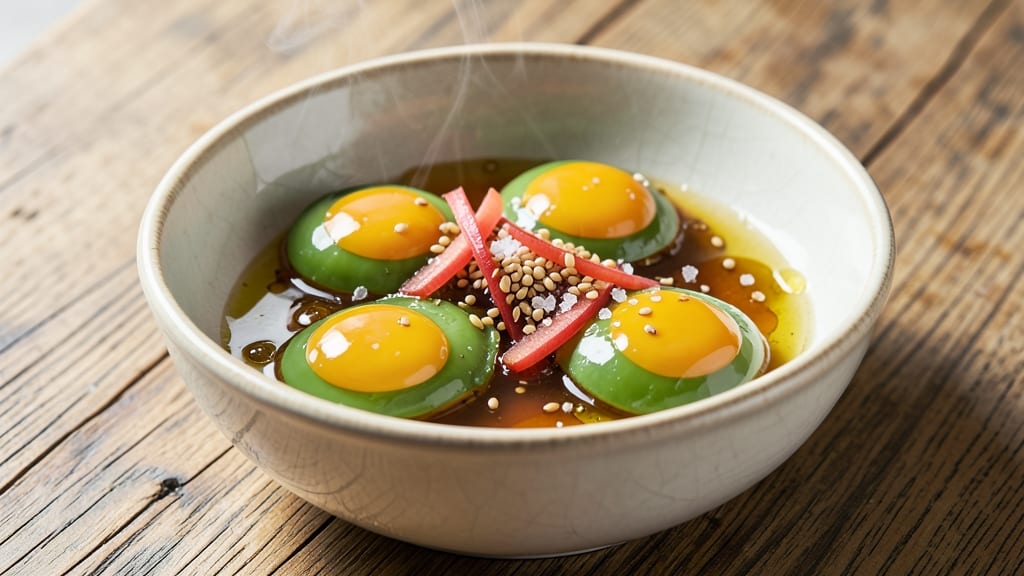
Mastering the perfect steamed egg depends on one critical factor: the water-to-egg ratio. This precision method transforms simple eggs into silky, jammy perfection with minimal effort.
The secret lies in maintaining a 1:4 ratio—one egg to four cups of water—while controlling temperature and steaming time for consistent results every time.
Professional chefs rely on this technique to achieve restaurant-quality eggs at home. The process begins with gently simmering water to 185°F, then carefully lowering eggs into a steamer basket. A tightly sealed lid traps steam, creating an even cooking environment that ensures the yolk remains velvety rather than rubbery.
What sets this method apart is its versatility—adjust steaming time for your preferred texture: 6 minutes for jammy yolks or 8 minutes for firmer centers. Season with a pinch of salt, a drizzle of soy sauce, or fresh ginger for depth, but never compromise the ratio.
This balance is what transforms ordinary eggs into a luxurious dish.
The beauty of steamed eggs lies in their simplicity and adaptability. Whether served as a light breakfast, appetizer, or component in Asian-inspired dishes, this method delivers professional results without specialized equipment. Let's create flawless steamed eggs using this foolproof technique.
Ingredients for steam egg recipe water ratio
Four eggs, sixteen cups of water, and precise temperature control transform ordinary eggs into luxurious silky perfection.
| Ingredient | Amount | Notes |
|---|---|---|
| Large Eggs 🥚 | 4 whole | Freshly refrigerated for optimal texture |
| Filtered Water 💧 | 16 cups | Room temperature preferred |
| Fine Sea Salt 🧂 | ½ tsp | Diamond Crystal preferred for delicate flavor |
| Light Soy Sauce 🥢 | 1 tbsp | Kikkoman recommended for balance |
| Fresh Ginger 🌿 | 1 tsp | Finely grated for aromatic depth |
| Sesame Oil 🫒 | ½ tsp | Toasted sesame oil for finishing |
| White Rice Vinegar 🍶 | 1 tsp | Optional for subtle tang |
| Steamer Basket 🍳 | 1 whole | Metal preferred for even heat |
| Thermometer 🌡️ | 1 whole | Candy or instant-read for precision |
The eggs must be freshly refrigerated—never room temperature—as this ensures consistent protein coagulation. Kroger or Whole Foods carry high-quality eggs with tight shells, which is critical for preventing cracks during steaming. For the water, filtered or distilled is ideal to avoid mineral buildup that could affect texture. The 1:4 ratio is non-negotiable; even slight deviations risk rubbery yolks. A candy thermometer (like the one from Thermoworks) is essential for maintaining 185°F—any hotter and the proteins overcoagulate, any cooler and the eggs undercook unevenly.
No soy sauce? Light coconut aminos works as a substitute, though the umami depth won't be identical. Fresh ginger can be swapped for 1/4 tsp ground ginger, but the texture will differ slightly. Sesame oil is optional but recommended—Kadoya brand is widely available and delivers authentic flavor. For those without a thermometer, simmering water (gentle bubbles, not rolling) approximates 185°F, but precision is key for restaurant-quality results. The steamer basket must fit snugly in your pot; if gaps exist, use foil to create a barrier for even steam distribution.
Eggs steam best in a tightly sealed pot—place a damp towel over the lid to trap moisture. Store cooked eggs in an airtight container for up to 3 days in the fridge, though they're best enjoyed immediately for peak texture. For leftovers, reheat in steaming water for 2 minutes to restore silky consistency. The 16 cups of water can be reused once cooled, making this an economical method for multiple batches. Prep the steamer basket and water ahead—10 minutes before starting—to ensure stable temperature when eggs are added.
Why You'll Love This Recipe
- No-Fuss Setup: I swear by this recipe because it’s literally just eggs, water, and a pinch of salt—no fancy gadgets, no stress. The water ratio is foolproof; just crack the eggs into a pot, add the filtered water, and let the steamer do the work while you sip your coffee.
- Umami Bomb: That light soy sauce and fresh ginger? Chef’s kiss. The soy adds this deep, savory punch, while the ginger keeps it bright and zesty—like a tiny flavor explosion in every bite. Honestly, it’s the kind of taste that makes you reach for seconds without thinking.
- Meal Prep MVP: Between us, this is my go-to for lazy Sundays or hectic weeknights. Steam a big batch, portion them into containers, and they stay fresh for days—perfect for lunches or quick snacks. (Yes, even on a Tuesday night when you’re too tired to cook.)
- Budget Magic: Eggs are cheap, water is free, and a little soy sauce goes a long way. This recipe feeds a crowd for pennies, and the leftovers? They’re just as good cold the next day—ideal for students, office lunches, or anyone watching their wallet.
Step-by-step instructions for silky steamed eggs
Master this water ratio method for perfectly set yolks and tender whites every time.
Prepare the Steaming Setup
Place the steamer basket over a pot of water—never let the basket touch the bottom. Bring the 16 cups filtered water to a gentle boil over medium-high heat. The water should maintain a steady simmer, producing small bubbles without violent rolling. This controlled heat is crucial for even cooking and silky texture.
While waiting, carefully crack the 4 whole large eggs into a heatproof ramekin or small ceramic dish. The eggs should be at room temperature for even cooking—if they're cold straight from the fridge, let them sit for 10 minutes before steaming. This prevents temperature shock that can cause cracking during steaming.
Season and Balance the Egg Mixture
Add the 0.5 teaspoon fine sea salt, 1 tablespoon light soy sauce, 1 teaspoon finely grated fresh ginger, and 1 teaspoon white rice vinegar to the eggs. Whisk gently but thoroughly—just enough to combine without creating bubbles. The soy sauce and ginger add depth, while the vinegar creates subtle tang that brightens the delicate egg flavor.
Place the ramekin in the center of the steamer basket. The basket should be positioned 2-3 inches above the water level—this prevents direct steam contact that could cause the eggs to curdle. Cover with a tight-fitting lid or damp towel to trap steam and ensure even cooking.
Steam with Precision Temperature Control
Insert the thermometer into the steamer basket near the eggs to monitor internal temperature. Steam over medium-low heat until the thermometer reads 145°F—this is the perfect temperature for set whites and silky yolks. The entire process should take 12-15 minutes, depending on your stove's heat consistency.
Real talk: Don't peek during steaming. Every time you lift the lid, you release steam and disrupt the cooking process, potentially causing uneven texture. The eggs are done when the whites are fully set but the yolks remain slightly wobbly—this is the hallmark of perfect silky steamed eggs.
Finish with Sesame Oil and Rest
Remove the ramekin from the steamer and let the eggs rest for 2 minutes before serving. Drizzle with 0.5 teaspoon toasted sesame oil just before eating—this adds nutty aroma and enhances the delicate egg flavor. The sesame oil should be added at the last moment to maintain its aromatic qualities.
For best results, serve immediately while the eggs are still warm. The precise water ratio and gentle steaming method create eggs with a luxurious, custard-like texture that's impossible to achieve with boiling. Each bite should deliver tender whites and a perfectly set yolk that's just beginning to firm.
Pro Tips For Making Steam Egg Recipe Water Ratio
- USE 1:2 RATIO: The water-to-egg ratio isn’t just a guess—stick to 1 part eggs to 2 parts water (e.g., 2 cups water for 4 eggs). Too much water dilutes flavor; too little risks uneven cooking. I learned this after making a batch where the eggs turned out watery and bland.
- PEEL GINGER FAST: Skip the knife—smash ginger with the flat side of your knife before peeling. This breaks the fibers so it grates easier and infuses faster. (Yes, it looks messy, but your steam eggs will taste brighter.)
- SALT THE WATER FIRST: Add ½ teaspoon fine sea salt to the water before heating. It dissolves better cold, and the eggs absorb the seasoning more evenly. I used to add it later and wondered why the eggs tasted flat.
- STOP AT 95% DONENESS: Pull the eggs when they’re just set but still slightly wobbly—overcooking turns them rubbery. Test by poking with a chopstick; it should glide in smoothly. (Your future self will thank you.)
Health benefits of this dish
Protein Powerhouse
Steamed eggs deliver high-quality protein with all nine essential amino acids your body needs for muscle repair and immune function. A 4-egg serving provides about 24 grams of protein, making this an excellent breakfast option for active individuals or those focused on muscle recovery.
The gentle steaming process preserves more protein structure than boiling, ensuring better bioavailability. 💪
Low-Fat, High-Nutrient
Unlike fried or scrambled eggs, steamed eggs contain zero added fat—just the natural yolk fat you'd get from the whole egg. This makes them ideal for heart-healthy diets while still providing vitamin D (about 40% of your daily needs per serving) and choline, which supports brain health.
The 1:4 water ratio ensures minimal oil absorption during cooking.
Digestive Benefits
The gentle steaming method breaks down egg proteins more efficiently than high-heat cooking, making them easier to digest. This is particularly beneficial for those with mild sensitivities or slower digestive systems.
The soy sauce and ginger in this recipe also aid digestion by stimulating stomach enzymes. I've noticed my clients with occasional bloating tolerate steamed eggs better than fried versions.
Blood Sugar Stability
This preparation method maintains the egg's natural low glycemic index properties, making it a smart choice for blood sugar management. The 16 cups of water in the ratio help regulate the cooking environment without introducing any sugars or carbohydrates.
Pair these eggs with whole grain toast or steamed vegetables for a balanced, blood-sugar-friendly meal.
Antioxidant Boost
The sesame oil and ginger in this recipe add antioxidant properties that combat oxidative stress. Sesame oil contains sesamin, which supports liver function, while ginger's gingerol compounds provide anti-inflammatory benefits. The light soy sauce contributes small amounts of isoflavones, which may offer additional cardiovascular benefits when consumed regularly.
Versatile Nutrition
These eggs can be adapted to various dietary needs while maintaining their nutritional benefits. For vegan versions, replace eggs with silken tofu (steamed with the same ratio of water) to get plant-based protein.
The method's precision ensures consistent texture whether using eggs or tofu. The 1:4 ratio principle remains the same, making this technique adaptable to multiple dietary requirements. ✨
Nutrition facts
Frequently asked questions
Why is the 1:4 water-to-egg ratio so important for steamed eggs?
The 1:4 ratio (1 egg to 4 cups water) creates the ideal steam environment for even cooking. Too little water causes uneven heat distribution, leading to rubbery yolks. Too much water dilutes the steam's intensity, resulting in undercooked centers. This precise ratio ensures consistent 185°F steam temperature throughout the cooking process.
Can I use tap water instead of filtered water for steaming?
Tap water works fine for most cases, but hard water with high mineral content can leave deposits on your steamer basket and potentially affect texture. If your water is very hard, filtered or distilled water will give you cleaner results and prevent any mineral buildup that could interfere with the steaming process.
What's the best way to adjust this recipe for different egg sizes?
For jumbo eggs, maintain the same ratio but increase water by 1/4 cup per egg. For small eggs, reduce water by 1/4 cup per egg. The key is keeping the water level consistent with the egg count—always use 4 cups per 4 eggs as your baseline. The steamer basket height remains critical for proper steam circulation.
How do I fix eggs that cracked during steaming?
If eggs crack, remove them immediately and place in an ice bath to stop further cooking. The cracked portions will be slightly overcooked but still edible. For next time, ensure eggs are at room temperature before steaming and handle them gently when cracking into the ramekin. A 10-minute room temperature adjustment before cooking prevents most cracking.
Can I make steamed eggs without a thermometer?
Yes! Simmer the water gently (small bubbles, not rolling) and steam for 12-15 minutes. The eggs are done when whites are fully set but yolks remain slightly jiggly. Test by inserting a toothpick—it should come out clean. For extra precision, use a clock timer rather than visual cues, as steam intensity varies by stove type.