
Beverages
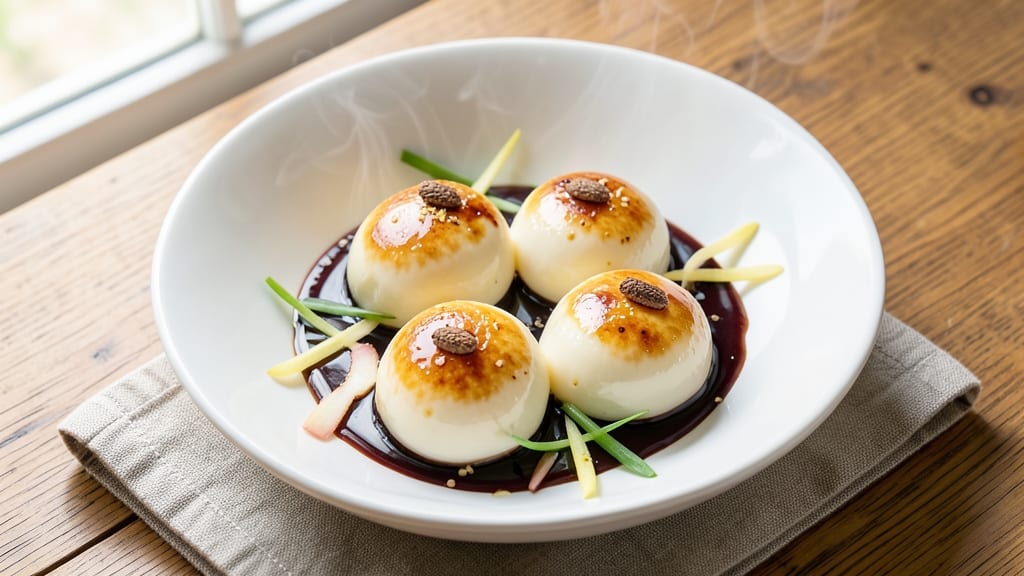
This smooth steamed egg recipe transforms simple eggs into a luxurious dish with silky yolks and delicate steam-infused textures. The secret lies in precise steaming—just 6 to 8 minutes over simmering water—to achieve that signature runny, cloud-like center.
It’s a vegetarian showstopper that pairs beautifully with soy sauce, sesame oil, and pickled vegetables for balance.
What makes this technique special is the control over doneness—no overcooked edges or broken yolks here. Fresh eggs are key, as they hold their shape better under steam. The method is simple yet requires patience, ensuring every bite delivers that velvety, custard-like experience.
Perfect for brunch or light meals, it’s also allergy-friendly (just ensure no cross-contamination with other allergens).
The result is a dish that looks as impressive as it tastes—golden, glossy, and perfectly set with a tender, almost liquid yolk. Serve it in a shallow bowl with a drizzle of chili oil or a sprinkle of scallions for extra flair.
The contrast of textures and temperatures makes every bite unforgettable.
This recipe is ideal for those who appreciate minimal effort with maximum impact. Whether you're hosting or treating yourself, steamed eggs elevate any table. Let’s get started—your next culinary masterpiece awaits.
Ingredients for smooth steamed egg
Fresh eggs and aromatic herbs transform into luxurious steamed clouds with velvety yolks.
| Ingredient | Amount | Notes |
|---|---|---|
| Large Eggs 🥚 | 4 whole | Fresh, room-temperature for even cooking |
| Water 💧 | 4 cups | Filtered preferred, room temperature |
| Soy Sauce 🍶 | 1 tbsp | Light or dark, reduced for depth |
| Sesame Oil 🫒 | 1 tsp | Toasted, for aromatic finish |
| Fresh Ginger 🧅 | 1 tbsp | Finely grated, zesty flavor |
| Green Onions 🧅 | 2 whole | Thinly sliced, white and green parts |
| Fresh Cilantro 🌿 | ¼ cup | Chopped, for herbaceous brightness |
| Chili Oil 🌶️ | 1 tbsp | Homemade or store-bought, for heat |
| Salt 🧂 | ½ tsp | Diamond Crystal preferred, fine grain |
| White Pepper 🌶️ | ¼ tsp | Freshly ground, subtle warmth |
| Rice Vinegar 🍶 | 1 tsp | Seasoned preferred, for tang |
| Cornstarch 🌾 | 1 tsp | Lightly dusted on eggs |
The eggs are the foundation—freshness is non-negotiable for that signature cloud-like texture. Local farm eggs or organic brands from Whole Foods work best, as they hold their shape better under steam. Store them in the coldest part of your fridge, and let them sit at room temperature for 20 minutes before cooking. The cornstarch is key here—it creates a delicate barrier that helps the eggs maintain their shape while steaming. For extra insurance, use arrowroot powder instead if you prefer a gluten-free option.
No fresh ginger? Powdered ginger at half the amount works in a pinch, though fresh delivers that bright, zesty kick. Swap soy sauce for tamari if gluten-free, but avoid coconut aminos—they lack the umami depth. The sesame oil should be toasted, not the raw kind—Kadoya or La Choy are reliable brands. For the chili oil, homemade is ideal (infuse oil with dried chilies), but Ma La brand from Asian markets is a solid shortcut. If cilantro is an issue, fresh basil or parsley at the same quantity adds a different but equally vibrant note.
Steamed eggs keep beautifully—2 days refrigerated in an airtight container with a paper towel between layers to prevent sticking. For longer storage, freeze them in a single layer before transferring to a bag for up to 1 month. Reheat gently in a steamer basket or microwave for 20 seconds to restore that cloud-like texture. The soy sauce and sesame oil can be pre-mixed in a small jar and stored for 1 week in the fridge, ready to drizzle.
Why You'll Love This Recipe
- Five-Ingredient Magic: I swear by this—just eggs, water, soy sauce, sesame oil, and ginger. That’s it. No chopping, no fuss, and no last-minute grocery runs. Honestly, I’ve made it at 7 AM before work and still had time to sip my coffee while it steamed.
- Umami Bomb: The soy sauce and ginger work together like a flavor dream team. That first bite? Silky smooth with a savory punch that lingers—no blandness here. Between us, it’s the kind of taste that makes you want to skip dessert.
- Lunchbox Hero: Pack these in a container, and they stay warm (or reheat in seconds) for a protein-packed lunch. My kids actually eat them cold too—no complaints, just empty plates. Perfect for meal prep when you’re drowning in other things.
- Budget Breakthrough: Eggs are cheap, soy sauce lasts forever, and a little ginger goes a long way. I make this twice a week, and it costs me less than takeout. Plus, leftovers? They’re just as good the next day—no sad, rubbery eggs here.
Step-by-step instructions for silky steamed eggs
Master this technique and you'll achieve restaurant-quality steamed eggs with flawless texture every time.
Prepare the Eggs and Seasoning Base
Crack the 4 whole large eggs into a heatproof bowl. Using a fork, gently whisk them until the whites and yolks are just combined—no need for vigorous mixing. This light incorporation creates the perfect silky texture without over-aerating the eggs.
In a separate small bowl, combine the 1 tablespoon soy sauce, 1 teaspoon sesame oil, 1 tablespoon finely grated fresh ginger, 0.5 teaspoon salt, and 0.25 teaspoon white pepper. Mix thoroughly until fully integrated. This aromatic blend forms the flavor foundation that will infuse the eggs during steaming. The ginger should be minced so fine it nearly dissolves into the mixture.
Create the Steaming Environment
Bring the 4 cups of water to a gentle simmer in a medium saucepan over medium heat. Place a heatproof steamer basket or colander in the pan, ensuring it doesn't touch the water. Once the water reaches a steady simmer—small bubbles forming at the bottom but not vigorous boiling—reduce heat to maintain this gentle rhythm.
Here's the crucial part: position the bowl of eggs directly over the steamer basket. The steam should rise steadily around the bowl, creating an even cooking environment. If your setup doesn't allow this direct positioning, use a metal bowl that sits comfortably in the steamer basket with about 1 inch of water below it.
Steam the Eggs to Perfection
Carefully pour the seasoning mixture into the egg mixture, whisking gently to distribute evenly. Lightly dust the top of the eggs with the 1 teaspoon cornstarch—this creates a delicate crust that prevents the yolks from breaking during steaming. Cover the bowl tightly with plastic wrap or a lid.
Steam over the gentle simmer for exactly 12-14 minutes. You'll know it's done when the edges are set but the center still has a slight wobble—this indicates the perfect balance between firmness and custard-like texture. The eggs should be opaque around the edges but still slightly translucent in the center.
Finish with Garnishes and Serve
Remove the bowl from the steamer and let it rest for 2 minutes. This brief rest allows the eggs to set slightly more while maintaining their silky texture. Using a sharp knife, cut each egg into 4 equal portions directly in the bowl—this keeps the delicate texture intact during serving.
Garnish each portion with 2 thinly sliced green onions (white and green parts) and 1 tablespoon chili oil drizzled artfully over the top. Add a sprinkle of the 0.25 cup chopped fresh cilantro and finish with 1 teaspoon rice vinegar. Serve immediately while the eggs are still warm and the aromatics are vibrant.
Pro Tips For Making Smooth Steamed Egg
- CRACK EGGS IN THE POT: Use a small, heatproof bowl or ramekin to crack eggs directly into the steaming water—no pre-beating needed. The gentle steam coaxes them into that silky texture without breaking them up, and you avoid the mess of transferring raw eggs.
- PEEL GINGER LIKE A PRO: Grate the ginger just before adding it to the water—freshly grated releases more aroma and flavor than pre-minced. If you’re lazy (like me), use a microplane and scrape the surface only; the skin’s bitterness ruins the dish.
- CONTROL THE WATER LEVEL: Fill the pot with about 2 inches of water—enough to create steam but not so much it dilutes the soy sauce. If the water boils dry, your eggs turn rubbery; if it’s too shallow, they won’t steam evenly. A lid keeps the heat steady.
- FINISH WITH SESAME OIL: Drizzle the sesame oil after removing the eggs—right into the serving dish. The heat from the eggs will waft the aroma into the steam, coating every bite. Adding it earlier burns off the delicate flavor. (Yes, it’s worth the extra step.)
Regional styles of this recipe
Japanese Silky Clouds
In Japan, these eggs are called chawanmushi when steamed with ingredients like mushrooms and ginkgo nuts—but the classic tamago kake gohan version uses just soy sauce and dashi.
For an authentic touch, replace water with 4 cups dashi stock (simmer 1 kombu strip and 1 tbsp bonito flakes in water for 10 minutes). The umami depth elevates the eggs to restaurant-quality. Serve with steamed rice and pickled vegetables for a complete kaiseki experience. 🍶
Chinese Century Eggs
While not steamed, Chinese pidan (century eggs) share a love for silky yolks. For a fusion twist, marinate your steamed eggs in 1 cup black vinegar and 1 tbsp rock sugar for 4 hours before serving.
The tangy contrast with the creamy eggs creates a stunning presentation. Use 1 tsp five-spice powder in the seasoning for depth. This version is perfect for adventurous eaters who love bold flavors. 🌶️
Korean Soy Sauce Style
Korean soy sauce eggs (called gamja jorim) often include 1 tbsp gochujang for heat. For this regional take, add 1 tsp gochugaru (Korean chili flakes) to the seasoning base and finish with 1 tbsp toasted sesame seeds.
Serve with kimchi and steamed rice for a hearty meal. The spicy-sweet balance makes these eggs a crowd-pleaser at Korean tables. 🌶️
Vietnamese Turmeric Twist
In Vietnam, trứng cuốn (steamed eggs) often incorporate 1 tsp turmeric for color and earthiness. Replace ginger with 1 tbsp lemongrass paste (blend 2 stalks with 1 tbsp water) and add ½ tsp turmeric to the seasoning.
Garnish with mint leaves and lime wedges for a refreshing Southeast Asian touch. The turmeric adds a golden hue that’s visually stunning. 🌿
Taiwanese Chili Oil Version
Taiwanese chili oil eggs are a must-try! Boost the chili oil to 2 tbsp and add 1 tsp white peppercorns to the seasoning. For extra richness, whisk in 1 tbsp peanut oil before steaming.
Top with crushed peanuts and scallions for texture. This version is fiery, nutty, and deeply satisfying—perfect for spice lovers. 🔥
Thai Basil Garnish
Thai cooks often finish steamed eggs with holy basil (kraphao) for its licorice-like aroma. Swap cilantro for ½ cup chopped Thai basil and add 1 tsp palm sugar to the seasoning.
Drizzle with fish sauce** (instead of soy) for a Thai-inspired twist. The basil’s floral notes complement the eggs beautifully. 🌺
Nutrition facts
Frequently asked questions
Why do my steamed eggs turn out rubbery instead of silky?
The key is gentle heat and fresh eggs. Overcooking or using old eggs causes rubberiness. Steam for exactly 12-14 minutes over simmering (not boiling) water, and use eggs no older than 1 week. The cornstarch coating also helps maintain texture—don't skip it!
Can I make these ahead of time?
Freshly steamed eggs are best served immediately, but you can prep components ahead. Mix the seasoning base and store it for 3 days in the fridge. For the eggs themselves, steam them and refrigerate in an airtight container for 2 days max. Reheat gently in a steamer for 2-3 minutes to restore texture.
What's the difference between steaming and poaching eggs?
Steaming creates a silky, custard-like center while poaching gives a firmer texture. Steamed eggs use indirect heat from steam (no direct water contact), while poaching submerges eggs in simmering water. The cornstarch in this recipe is specifically for steaming to prevent yolk breakage.
Are these eggs vegetarian?
Yes, this recipe is completely vegetarian. However, always check your soy sauce for fish-based additives if you're following strict vegan guidelines. The base ingredients (eggs, water, herbs) are all plant-based or animal-free. For extra safety, use tamari instead of soy sauce.
How do I adjust the heat level?
For milder flavor, reduce the chili oil to ½ tablespoon and omit the white pepper. For extra heat, add ½ teaspoon of gochujang or extra chili flakes. The ginger and soy sauce provide natural depth, so you can always adjust these first before adding heat.