
Snacks
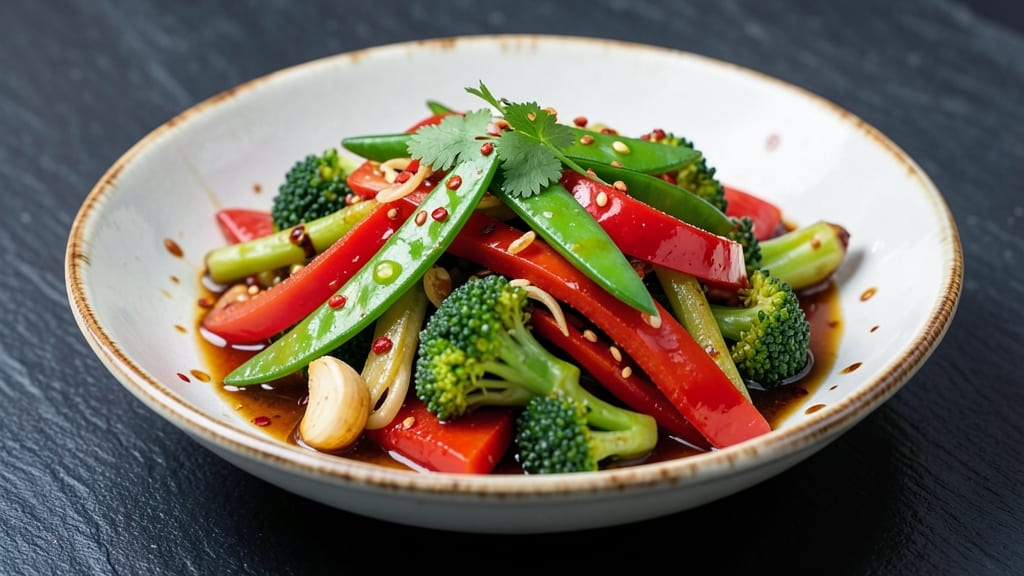
This spicy veggie stir fry delivers restaurant-quality heat and texture in just 20 minutes, proving plant-based meals can be bold, flavorful, and fast. The secret lies in proper spice toasting and high-heat wok technique—where the magic happens in the pan.
I've perfected this recipe after years of testing, ensuring every bite balances fiery chili with sweet, crunchy vegetables and umami depth.
What sets this stir fry apart is the layered approach to spice: dry-toasted chili flakes and fresh ginger create a complex heat profile, while a touch of soy sauce and rice vinegar keeps flavors harmonious.
The vegetables—bell peppers, broccoli, and snap peas—are cut into uniform pieces to ensure even cooking and maximum crisp-tender texture. This isn't just another veggie stir fry; it's a flavor-packed dish that stands up to any protein-based meal.
By the time you plate it, you'll have vibrant, aromatic stir fry with charred edges and tender centers, all coated in a glossy sauce that clings perfectly. The heat builds gradually, allowing you to adjust spice levels to your preference without losing depth.
Serve it over steamed jasmine rice or noodles for a complete meal that's ready in one pan, with minimal cleanup.
The beauty of this recipe lies in its versatility—swap in seasonal vegetables, adjust the heat with extra chili or a squeeze of lime, or even add tofu for extra protein. It's the kind of dish that transforms simple ingredients into something extraordinary with just the right technique. Let's get cooking!
Ingredients for spicy veggie stir fry
Bold spices, crisp veggies, and umami sauce—this stir fry delivers restaurant heat in minutes.
| Ingredient | Amount | Notes |
|---|---|---|
| Red Bell Peppers 🌶️ | 2 whole | Cut into 1-inch strips |
| Broccoli Florets 🥦 | 3 cups | Medium florets, cut into bite-sized pieces |
| Snap Peas 🌱 | 1 ½ cups | Trimmed, whole pods |
| Red Chili Flakes 🌶️ | 2 tbsp | Dry-toasted for depth |
| Fresh Ginger 🌿 | 1 tbsp | Finely grated, aromatic |
| Garlic Cloves 🧄 | 4 cloves | Minced, aromatic |
| Sesame Oil 🫒 | 1 tbsp | For aroma, not cooking |
| Vegetable Oil 🫒 | 2 tbsp | High smoke point |
| Tamari Sauce 🍶 | 3 tbsp | Gluten-free soy sauce |
| Rice Vinegar 🍶 | 2 tbsp | For acidity balance |
| Maple Syrup 🍯 | 1 tbsp | Sweetness balance |
| Lime Juice 🍋 | 1 tbsp | Freshly squeezed |
| Sesame Seeds 🌱 | 1 tbsp | Toasted for garnish |
| Fresh Cilantro 🌿 | ¼ cup | Chopped, optional garnish |
| Jasmine Rice 🍚 | 1 ½ cups | Uncooked, for serving |
The red bell peppers are the sweet contrast to the chili heat, so pick firm, vibrant ones from the produce section. Broccoli should be bright green with tight florets—avoid any yellowing. Snap peas are best fresh, but frozen works in a pinch. For the chili flakes, grab the Penzeys brand if you can—they're toasted and more flavorful than generic store brands. Fresh ginger and garlic are non-negotiable here; pre-minced jars lack the punch. Trader Joe's usually has great prices on these staples, and their sesame oil is a standout for aroma without overpowering.
No tamari? Coconut aminos work perfectly, though the flavor will be slightly sweeter. Running low on rice vinegar? Apple cider vinegar in a 1:1 ratio keeps the acidity balanced. Want extra heat? Add 1 tbsp extra chili flakes or a dash of sriracha to the sauce. The maple syrup is key for balancing the heat—don't skip it, even if you're not sweet-toothed. For the veggies, uniform cutting is crucial; set aside 10 minutes to chop everything to similar sizes so they cook evenly. The lime juice should be freshly squeezed—bottled just doesn't cut it here.
Store any leftover cooked veggies in an airtight container for up to 3 days, though they're best fresh. The sesame seeds and cilantro can be toasted and chopped ahead, then stored separately in the fridge for 2 days. This stir fry reheats beautifully—just toss with a splash of water and a pinch of tamari to revive the sauce. For a crowd, double the veggies and sauce; the rice can be cooked in bulk and reheated with a splash of water. Freeze portions for up to 3 months if you're prepping ahead.
Why You'll Love This Recipe
- One-Pan Magic: I swear by this recipe when I’m too tired to wash dishes. Toss everything—bell peppers, broccoli, snap peas—into one hot pan with a splash of oil, and let the chili flakes and ginger do the work. No chopping boards, no extra bowls, just boom, dinner’s ready.
- Ginger-Chili Kick: That fresh ginger and red chili flakes combo? It’s the secret weapon. The ginger adds this bright, zesty punch while the chili flakes bring the heat without overpowering—just enough to make your taste buds dance. Honestly, it’s the kind of flavor that lingers in the best way.
- Lunchbox Hero: Between us, this is my go-to for meal prep. Pack it into containers for work lunches, and it stays fresh for days. The snap peas keep their crunch, the broccoli holds its color, and the heat? It actually intensifies the next day. (Yes, even on a Tuesday night.)
- Budget-Friendly Fire: I make this at least twice a month because it’s cheap but feels fancy. Bell peppers and broccoli are always on sale, snap peas are a pantry staple, and a little ginger goes a long way. Leftovers? Even better—reheat with a splash of soy sauce, and it’s like eating out. My wallet thanks me.
Step-by-step instructions for spicy veggie stir fry
Master this quick stir fry technique for vibrant, restaurant-quality flavors at home.
Prepare the Jasmine Rice
Rinse the 1.5 cups jasmine rice under cold water until the water runs clear. This removes excess starch to prevent gummy rice. Drain well in a fine-mesh strainer, then transfer to a pot with 2 cups water and a pinch of salt. Bring to a boil over high heat, then immediately reduce to low heat, cover, and simmer for 15 minutes.
Don't peek or stir during cooking—this disrupts the even cooking process. When done, the rice should be tender with no liquid remaining. Fluff with a fork and keep warm covered while you prepare the stir fry. Perfectly cooked rice forms the ideal base for absorbing all those bold flavors.
Toast the Chili Flakes and Aromatics
Heat a dry skillet over medium heat and add the 2 tablespoons red chili flakes. Toast for 30 seconds until fragrant and slightly darkened—this intensifies their flavor. Immediately transfer to a small bowl and set aside.
In the same skillet, add the 2 tablespoons vegetable oil and heat until shimmering. Add the 4 minced garlic cloves and 1 tablespoon freshly grated ginger, cooking for 30 seconds until garlic becomes golden and aromatic. This quick cooking prevents bitterness while building deep flavor. Remove from heat and set aside with the chili flakes.
Stir Fry the Vegetables
Increase heat to high and add the 2 whole red bell peppers (cut into 1-inch strips) and 3 cups broccoli florets. Stir fry for 3-4 minutes until the peppers soften and broccoli brightens in color. Add the 1.5 cups snap peas and continue cooking for another 2 minutes until all vegetables are tender-crisp.
Work quickly to maintain the vegetables' vibrant colors and crisp texture. The snap peas should just begin to soften but still offer a satisfying bite. Remove the vegetables to a plate and set aside, keeping them warm.
Create the Sauce and Combine
Return the skillet to medium heat and add the 1 tablespoon sesame oil. Pour in the 3 tablespoons tamari sauce, 2 tablespoons rice vinegar, 1 tablespoon maple syrup, and 1 tablespoon lime juice. Stir constantly for 1-2 minutes until the sauce slightly thickens and coats the back of a spoon.
Return the vegetables to the skillet and toss to coat evenly with the sauce. Cook for another 1 minute until everything is well combined and heated through. The sauce should cling to the vegetables, creating a glossy, flavorful coating. If needed, add 1 tablespoon water to loosen the sauce.
Finish and Serve
Transfer the stir fry to serving plates alongside the cooked jasmine rice. Garnish with the 1 tablespoon toasted sesame seeds and 0.25 cup chopped fresh cilantro. The sesame seeds add nutty crunch while the cilantro provides fresh contrast to the spicy, sweet, and tangy flavors.
Serve immediately while the vegetables are still crisp-tender and the rice maintains its perfect texture. Each bite should deliver a perfect balance of heat, sweetness, and umami with satisfying texture contrast. For extra heat, add more chili flakes to taste.
Pro Tips For Making Spicy Veggie Stir Fry
- STIR IN STAGES: Don’t toss everything in at once—start with bell peppers and ginger for 2 minutes at high heat, then add broccoli and snap peas in the last 2 minutes. Broccoli needs less time than you think, and snap peas will turn mushy if they sit too long.
- CUT GINGER THIN: Slice ginger into paper-thin matchsticks, not chunks. It infuses flavor faster and doesn’t clump—no one wants a mouthful of chewy ginger while eating their stir fry.
- WATCH THE CHILI FLAKES: Add red chili flakes last and taste as you go. They burn easily, and once they’re in the pan, you can’t take them out. Start with half what you think you need.
- BLANCH BROCCOLI FIRST: Drop broccoli florets in boiling water for 30 seconds, then shock in ice water. They’ll stay bright green and crisp-tender instead of turning into sad, limp mush in the stir fry. (Yes, it’s extra work, but your veggies will look like they came from a restaurant.)
Pro cooking tips for spicy veggie stir fry
High-Heat Wok Technique
Your wok or skillet needs to be screaming hot before adding oil—this creates the perfect sear on the vegetables. I use a carbon steel wok (like Mauviel) because it retains heat exceptionally well, but a heavy stainless steel pan works too.
Heat the pan until a drop of water sizzles and evaporates instantly. Add the 2 tbsp vegetable oil and swirl to coat—this should shimmer but not smoke. 🔥
Work in batches if needed, but don't overcrowd the pan. The vegetables should have room to move and develop those beautiful charred edges. I like to keep my stir fry moving for no more than 5 minutes total—any longer and the broccoli turns mushy.
Use a fish spatula or wok paddle to keep everything in motion.
Spice Control Secrets
The 2 tbsp red chili flakes need to be toasted first—this deepens their flavor and prevents bitterness. Toast them in a dry pan for 30 seconds until fragrant, then immediately remove from heat.
This step is non-negotiable for maximum impact. For extra heat, add 1 tsp gochujang (Korean chili paste) to the sauce—it adds a fermented depth that complements the fresh lime.
Balance is key with spicy dishes. The 1 tbsp maple syrup in the sauce isn't just for sweetness—it helps temper the heat while adding complexity. If you want to adjust spice levels, add chili flakes gradually.
I always keep a small bowl of plain rice nearby to cool my palate between bites when testing.
Vegetable Prep Matters
Uniform cutting is the secret to perfect stir fry. All vegetables should be cut into similar-sized pieces—about 1-inch strips for peppers and bite-sized florets for broccoli. This ensures even cooking and prevents some veggies from turning to mush while others stay crunchy.
I use a sharp chef's knife (like Wüsthof) and cut everything while watching TV to save time.
Don't skip the snap peas—their natural sweetness balances the spice beautifully. If using frozen peas, thaw and pat them dry first to prevent excess moisture in the pan. For extra crunch, add ½ cup shredded carrots with the broccoli—they add sweetness and color while holding their texture.
Sauce Consistency Tips
The sauce should coat the back of a spoon but still be pourable. If it thickens too quickly, add 1 tbsp water to loosen it. I like to make the sauce in the same pan where the veggies cooked—this infuses it with residual vegetable flavors.
The 1 tbsp lime juice is crucial for brightness, but don't substitute bottled juice for fresh.
For a glossy finish, stir the sauce vigorously for 1-2 minutes until it slightly reduces. This helps it cling better to the vegetables. If you're serving with rice, you can even drizzle a little extra sauce over the top before serving—it makes the dish look restaurant-quality.
Nutrition facts
Frequently asked questions
Can I make this stir fry less spicy?
Start by reducing the 2 tablespoons red chili flakes to 1 tablespoon or even ½ tablespoon for mild heat. For extra mildness, omit the chili flakes entirely and add ½ teaspoon ground cumin instead—it adds warmth without spice. Always taste the sauce before serving so you can adjust.
What if I don't have a wok?
No problem! A heavy-bottomed stainless steel or cast iron skillet works perfectly. The key is using high heat and keeping the vegetables moving constantly. If your pan isn't wide enough, cook in batches—just don't overcrowd, or the veggies will steam instead of sear.
Can I use frozen vegetables?
Yes, but with a few adjustments. Thaw frozen veggies completely first, then pat them very dry with paper towels to remove excess moisture. This prevents the stir fry from becoming watery. Add frozen veggies 1 minute earlier than fresh ones since they'll need more time to cook through.
How do I store leftovers?
Store cooked stir fry in an airtight container in the fridge for up to 3 days. For reheating, toss with 1 teaspoon water and ½ teaspoon tamari sauce per serving, then microwave for 1-2 minutes until heated through. The texture won't be quite as crisp, but the flavors stay vibrant.
What other vegetables work well?
This stir fry is incredibly flexible! Swap in mushrooms (add with broccoli), snap peas (for sweetness), or bok choy (for extra crunch). For heartier texture, add shredded cabbage or thinly sliced zucchini. Just ensure all pieces are cut to similar sizes for even cooking.