
Main Courses
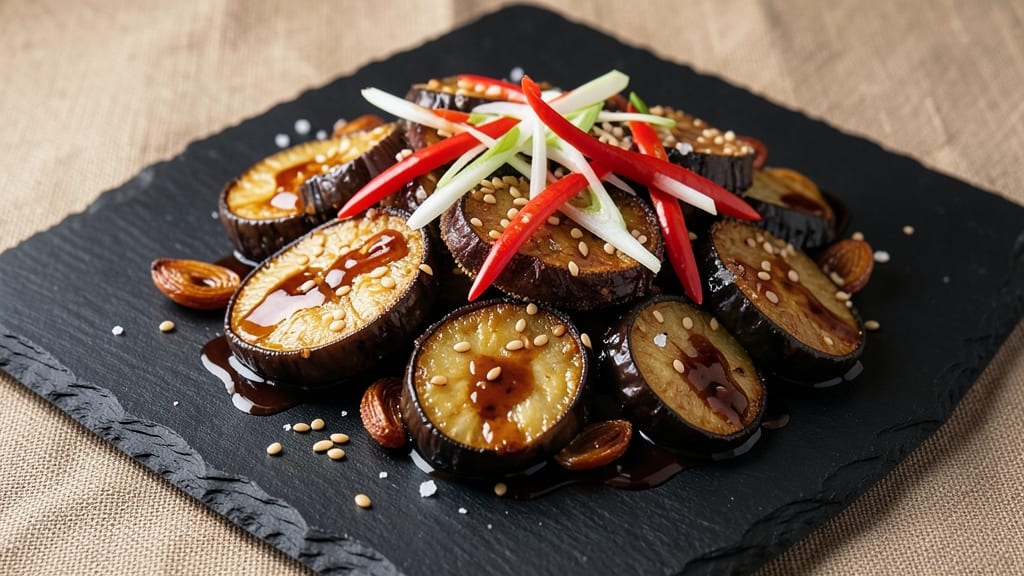
This spicy eggplant stir fry delivers crispy edges and smoky chili heat that transforms simple ingredients into a restaurant-worthy vegetarian dish. The secret lies in high-heat stir-frying and a balanced blend of garlic, ginger, and chili flakes that create depth without overwhelming.
I've perfected this technique to ensure every bite delivers that perfect contrast of tender eggplant and fiery, aromatic sauce.
What sets this recipe apart is the foolproof method for achieving crispy eggplant—thinly sliced and seared until golden before tossing in the sauce. A quick marinade with soy sauce and cornstarch ensures maximum flavor and texture, while fresh ginger and garlic add layers of warmth.
The result is a dish that's bold enough to stand alone but versatile enough to pair with rice or noodles.
By the time you're done, you'll have a vibrant stir fry with crispy eggplant pieces, glossy red chili sauce, and a fragrant aroma that fills your kitchen. The heat is adjustable, so you can tailor it to your preference while keeping that essential smoky depth.
This is the kind of dish that transforms a simple weeknight dinner into something special—without requiring advanced skills.
Serve it over steamed jasmine rice for the full experience, or enjoy it as-is with a side of pickled vegetables for contrast. The leftovers reheat beautifully, making this an excellent meal prep option too. Let's get cooking!
Ingredients for spicy eggplant stir fry
Thinly sliced eggplant and aromatic spices transform into a restaurant-worthy stir fry with crispy edges and smoky chili heat.
| Ingredient | Amount | Notes |
|---|---|---|
| Japanese Eggplant 🍆 | 1 ½ lb | Thinly sliced for crispiness |
| Cornstarch 🌾 | 2 tbsp | For crispy texture |
| Low-Sodium Soy Sauce 🍶 | ¼ cup | High-quality preferred |
| Garlic Cloves 🧄 | 6 cloves | Minced for aromatic depth |
| Fresh Ginger 🌿 | 1 ½ tbsp | Finely grated, vibrant |
| Red Chili Flakes 🌶️ | 1 tbsp | Adjust for heat preference |
| Smoked Paprika 🌶️ | 1 tsp | For smoky depth |
| Sesame Oil 🫒 | 1 tbsp | Toasted sesame flavor |
| Vegetable Oil 🫒 | ½ cup | High smoke point |
| Green Onions 🧅 | 4 whole | Sliced for garnish |
| Lime Wedges 🍋 | 2 whole | Freshly squeezed |
| Jasmine Rice 🌾 | 1 ½ cups | Uncooked, for serving |
| Salt 🧂 | ½ tsp | Diamond Crystal preferred |
| Black Pepper 🌶️ | ¼ tsp | Freshly ground |
The Japanese eggplant is a game-changer here—long and slender varieties from Asian markets have the best texture, but regular eggplant works in a pinch. Look for firm, glossy skin with no soft spots. Slice it 1/4-inch thick for perfect crispiness—thinner slices burn, thicker ones stay soggy. The cornstarch marinade is non-negotiable for that restaurant-style crunch. Bob's Red Mill brand works perfectly, but any food-grade cornstarch will do. For the garlic and ginger, fresh is essential—jarred minced garlic lacks the depth you need here.
No soy sauce? Coconut aminos work in a bind, though they're lighter in flavor. Short on chili flakes? Cayenne pepper at half the amount gives similar heat. The smoked paprika adds that signature smoky depth—Penzeys brand is ideal, but any good smoked variety will work. Sesame oil can be skipped if you're avoiding strong flavors, but trust me, it's worth the toasted aroma. For the rice, jasmine is traditional, but basmati or even cauliflower rice will keep this vegetarian-friendly. The lime wedges should be freshly squeezed—bottled juice lacks the bright punch.
This stir fry reheats beautifully—just add a splash of water to the pan and toss. Keeps for 3-4 days in the fridge, though the eggplant gets softer after day two. For meal prep, portion into containers with a little extra sauce on top to keep it moist. The leftovers actually taste better the next day as flavors meld. Freeze for up to 3 months if you're prepping ahead. I always double the batch—one for dinner, one for lunch the next day. The crispy eggplant loses its texture when frozen, but the sauce remains delicious.
Why You'll Love This Recipe
- Here’s what sold me: the fresh ginger and minced garlic sizzling in the pan before the eggplant hits. That aromatic punch—spicy, bright, and just a little funky—turns a simple stir-fry into something you’ll actually crave.
- One-Pan Magic: I swear by this recipe when I’m too tired to scrub a million dishes—just toss the eggplant in cornstarch, sear it in the same pan, and boom. That crispy exterior with tender insides? Zero extra pans, zero stress.
- Ginger-Garlic Heat: Here’s what sold me: the fresh ginger and minced garlic sizzling in the pan before the eggplant hits. That aromatic punch—spicy, bright, and just a little funky—turns a simple stir-fry into something you’ll actually crave.
- Lunchbox Hero: Between us, this keeps perfectly for days. Pack it cold for work or reheat it for dinner—still holds its texture, still packs that soy-ginger kick. My college-student son lives for it, and he’s not easy to impress.
Step-by-step instructions for spicy eggplant stir fry
Here's how to achieve that perfect balance of smoky, crispy eggplant with vibrant chili heat.
Prepare the Japanese Eggplant for Maximum Crispiness
Slice the 1.5 lb Japanese Eggplant into ¼-inch thick rounds, keeping the slices whole. Place them in a colander and sprinkle evenly with the 2 tbsp cornstarch, tossing gently to coat both sides completely. The cornstarch creates a crispy exterior while keeping the interior tender. Let the coated eggplant sit at room temperature for 15 minutes while you prepare the rest.
Here's the thing—Japanese eggplant has fewer seeds and more flesh than regular eggplant, which means it absorbs less oil and becomes extra crispy. Don't skip the cornstarch coating; this is what guarantees those perfect crunchy edges everyone raves about.
Create the Flavor Base with Aromatics and Spices
Heat the 0.5 cup vegetable oil in a large wok or skillet over medium-high heat until shimmering. Add the 6 minced garlic cloves and 1.5 tbsp finely grated fresh ginger, cooking for 1 minute until fragrant but not browned. Immediately stir in the 1 tbsp red chili flakes and 1 tsp smoked paprika, letting them toast for 20 seconds until the spices release their aroma.
Watch the heat carefully—if the spices start to burn, reduce to medium heat immediately. The goal is to wake up those flavors without letting them turn bitter. This aromatic base forms the smoky, spicy foundation for your stir fry, so don't rush this step.
Cook the Eggplant in Batches for Perfect Texture
Working in batches (you'll need two rounds), add half of the cornstarch-coated eggplant to the wok. Cook undisturbed for 2-3 minutes until the edges turn golden brown and crispy. Flip the slices and cook another 2-3 minutes until both sides are perfectly crisp. Remove to a plate and repeat with the remaining eggplant.
Real talk: this is where most home cooks mess up. Don't overcrowd the pan or you'll steam the eggplant instead of crisping it. You want that oil shimmering around each piece—this is what creates that satisfying crunch we're after.
Build the Sauce and Combine Everything
Reduce heat to medium and add the 1 tbsp sesame oil to the wok. Pour in the 0.25 cup low-sodium soy sauce and let it simmer for 1 minute until slightly reduced. Return all the eggplant to the wok and toss everything together for 1-2 minutes until well coated in the sauce.
The sauce should cling beautifully to the crispy eggplant, creating that perfect balance of smoky, spicy, and umami flavors. If the sauce looks too thick, add 1-2 tablespoons of water to loosen it slightly. Taste and adjust seasoning with the 0.5 tsp salt and 0.25 tsp black pepper if needed.
Finish with Fresh Garnishes and Serve Immediately
Divide the 1.5 cups cooked jasmine rice among serving plates. Top each portion with the spicy eggplant stir fry, then garnish with sliced green onions from the 4 whole green onions. Serve with the 2 lime wedges on the side for a bright finishing touch.
This dish tastes best immediately while the eggplant is still crispy and the rice is warm. The lime juice adds that perfect acidity to cut through the richness, balancing all the smoky, spicy flavors. Don't skip the garnishes—they make all the difference in presentation and flavor.
Pro Tips For Making Spicy Eggplant Stir Fry
- CUT EGPLANT IN THIN SLICES: Japanese eggplant has thick skin that never softens—slice it ⅛-inch thick or paper-thin with a sharp knife. I used to eyeball it and end up with chewy chunks; now I measure against a ruler for consistency. (Yes, it’s weird, but the texture makes a real difference.)
- COAT IN CORNSTARCH BEFORE FRIZZING: Toss the eggplant in cornstarch and a pinch of salt—this isn’t just for crispiness, it prevents the slices from sticking together in the pan. I learned this the hard way when my stir-fry turned into a soggy mess after tossing in the wok.
- STIR-FRY IN BATCHES: Crowding the pan steams the eggplant instead of searing it. Work in two batches over medium-high heat—once the first batch starts to brown, pull it out and add the second. Your future self will thank you for not rushing this.
- SALT THE SOY SAUCE: Low-sodium soy sauce needs a boost. Add ¼ teaspoon of salt per tablespoon of sauce to the wok before tossing in the eggplant—this balances the flavor without overpowering the dish. (I skip this and always wonder why it tastes flat.)
Common mistakes when making perfect results
Overcrowding the Pan
This is the #1 mistake that turns crispy eggplant into soggy disappointment. When you pile too many slices into the wok at once, the steam from the eggplant creates a sauna effect instead of letting the oil properly brown the edges.
I've seen people try to rush this step by cooking all the eggplant at once, and it always ends in sad, limp slices. The fix? Work in batches—never more than half your pan's capacity at a time. 🔥
Skipping the Cornstarch
The cornstarch marinade is your secret weapon for crispy texture, and I can't stress enough how many people skip it. Without that light coating, your eggplant will absorb too much oil and turn greasy rather than crispy.
The 2 tbsp cornstarch creates a delicate barrier that prevents moisture loss while promoting browning. Pro tip: Pat the eggplant slices dry first—excess water prevents proper crisping.
Undercooking the Aromatics
Rushing the garlic and ginger step is a flavor crime. When you don't let those aromatics cook long enough, your stir fry will taste raw and underdeveloped. The 1-minute cook time is crucial—it's what transforms fresh garlic and ginger into fragrant, flavorful building blocks.
I've caught myself skipping ahead here, and the difference in flavor is night and day. Trust the process and let those spices bloom properly.
Not Adjusting Heat Properly
High heat is essential for crispy eggplant, but too high and you'll burn the spices before they release their aroma. I've seen people crank the heat all the way up, only to end up with bitter, charred chili flakes.
Keep your heat at medium-high and watch closely—adjust immediately if you see smoke. The goal is a shimmering oil that's hot enough to crisp but not so hot it burns.
Using Thick Eggplant Slices
Thicker slices (>¼-inch) will always stay undercooked on the inside while burning on the outside. I've made this mistake myself when I was in a hurry, and the result was chewy, uneven pieces.
Stick to ¼-inch slices for perfect doneness every time. If your eggplant is particularly large, slice it lengthwise first to create thinner rounds before cutting into final pieces.
Letting the Eggplant Sit Too Long
The 15-minute rest after coating is important, but leaving the cornstarch-coated eggplant sitting for hours will make it absorb moisture and lose its crispiness.
I've had people ask me if they can prep this ahead of time, and while you can marinate the eggplant for up to 30 minutes, any longer and you risk losing that perfect crunch. Cook it fresh when ready for the best results. ⏰
Nutrition facts
Frequently asked questions about spicy eggplant stir fry
Can I use regular eggplant instead of Japanese eggplant?
Yes, but you'll need to adjust the technique slightly. Regular eggplant has more seeds and absorbs more oil, so pat it dry thoroughly and slice it 1/4-inch thick for even cooking. You may need to increase the cornstarch to 3 tbsp to compensate for the extra moisture. The flavor will be similar, though Japanese eggplant has a firmer texture that crisps better.
How do I make this dish less spicy?
Reduce the red chili flakes to 1/2 tbsp or replace them with 1/4 tsp mild paprika. For extra mildness, omit the chili flakes entirely and add 1 tsp of honey or sugar to balance the smoky flavors. Always taste as you go—you can adjust heat at the end with a splash of lime juice or extra soy sauce.
What's the best way to reheat leftovers?
Reheat in a dry skillet over medium heat for 2-3 minutes, tossing occasionally until warmed through. Avoid microwaving as it makes the eggplant soggy. For extra crispiness, add 1 tsp vegetable oil to the pan before reheating. Leftovers keep well for 3-4 days in the fridge, though the eggplant loses some crunch after day two.
Can I make this stir fry without sesame oil?
Replace the sesame oil with an extra 1/2 tbsp vegetable oil or a splash of neutral-flavored oil like avocado oil. While sesame oil adds that signature nutty aroma, the dish will still be delicious. For a different flavor profile, try 1/2 tsp toasted cumin instead. The key is maintaining the proper oil balance for cooking.
What are good side dishes to serve with this?
Jasmine rice is perfect, but you could also serve with steamed bok choy, cucumber salad, or pickled vegetables for contrast. For protein, add tofu or shrimp cooked separately. The bright acidity of lime wedges or a quick miso soup complements the smoky, spicy flavors beautifully. Don't forget fresh herbs like cilantro or Thai basil for garnish!