
Breakfast & Brunch
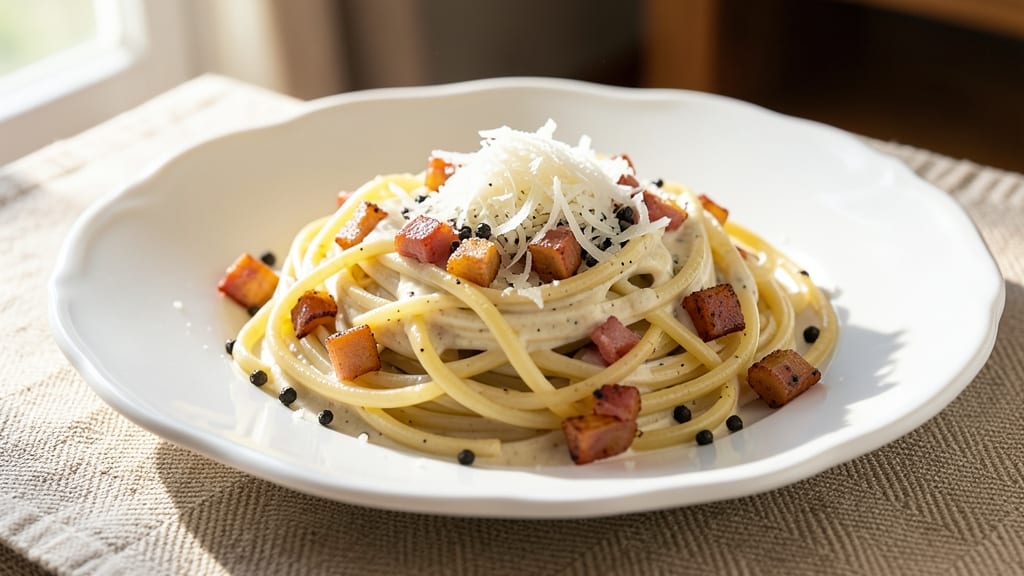
This spaghetti carbonara recipe with cream and eggs delivers the creamiest, most luxurious version of Rome's classic dish—without the dreaded clumps. The secret lies in tempering the eggs with starchy pasta water while incorporating rich cream, creating a velvety sauce that clings to every strand.
I've perfected this technique after years of trial and error, ensuring each bite is perfectly balanced between rich, savory, and slightly tangy.
The key to success is cooking the pasta al dente, then reserving some starchy water to emulsify the egg mixture. This method transforms simple ingredients—eggs, cream, pancetta or bacon, and pecorino cheese—into a restaurant-quality sauce that's impossibly smooth.
The cream adds lusciousness while the eggs provide structure, creating a sauce that's both rich and light.
What you'll end up with is a plate of perfectly al dente spaghetti coated in a glossy, velvety sauce that's neither too heavy nor too thin. The pancetta adds smoky depth, while the pecorino brings a sharp, salty finish that cuts through the richness.
This version stays true to carbonara's roots while delivering the creaminess many home cooks crave.
Ready in about 20 minutes, this recipe is perfect for impressing guests or treating yourself to a luxurious weeknight dinner. The technique might sound intimidating, but I'll walk you through each step to ensure foolproof results every time. Let's get cooking!
Ingredients for spaghetti carbonara recipe with cream and eggs
This luxurious carbonara transforms simple pantry staples into restaurant-quality pasta perfection.
| Ingredient | Amount | Notes |
|---|---|---|
| Spaghetti 🍝 | ½ lb | High-quality, al dente preferred |
| Heavy Cream 🥛 | ½ cup | Full-fat for optimal richness |
| Large Eggs 🥚 | 3 whole | Room temperature for best results |
| Pancetta 🥓 | 4 oz | Diced small, or substitute bacon |
| Pecorino Romano Cheese 🧀 | 1 cup | Freshly grated, aged minimum 12 months |
| Freshly Ground Black Pepper 🌶️ | 1 tsp | Coarsely cracked for texture |
| Diamond Crystal Kosher Salt 🧂 | 1 ½ tsp | For pasta water and seasoning |
| Garlic Cloves 🧄 | 2 cloves | Minced finely for subtle flavor |
| Unsalted Butter 🧈 | 2 tbsp | For finishing sauce richness |
| Fresh Parsley 🌿 | ¼ cup | Chopped finely for garnish |
| Extra-Virgin Olive Oil 🫒 | 1 tbsp | For pancetta cooking |
The Pecorino Romano is non-negotiable—aged minimum 12 months delivers that sharp, salty punch traditional carbonara demands. Whole Foods or specialty Italian markets carry the best, but Trader Joe's has a solid budget option. For the eggs, room temperature is critical—they should be at 65-70°F before mixing, so pull them out 20 minutes ahead. The pancetta (or bacon) must be diced finely—think confetti-sized pieces. Costco sells pre-diced pancetta in vacuum packs, saving time. If substituting bacon, thick-cut holds up better than thin slices.
No pancetta? Thick-cut bacon works, though it's smokier. Vegetarian? Swap for sautéed mushrooms or smoked tofu—just increase the Pecorino by 25% to compensate for lost saltiness. Heavy cream can be substituted with half-and-half (less rich) or crème fraîche (tangier), but adjust the egg ratio to 2:1 cream-to-egg for stability. Garlic is optional but recommended—roasted adds sweetness without overpowering. Pre-grated cheese? Avoid it—it contains anti-caking agents that prevent proper melting. Grating your own from a block is worth the effort.
Pasta water is liquid gold—reserve 1 cup before draining. The egg mixture should be tempered gradually with starchy water to prevent scrambling. Store leftovers in an airtight container for up to 2 days, but reheat only once—carbonara's magic lies in its freshness. Freezing isn't recommended as the sauce can separate. For make-ahead prep, cook the pasta, cool it, and store separately. Reassemble by tossing with freshly tempered sauce—never reheat the sauce alone. Garnish with fresh parsley just before serving to preserve its vibrant color.
Why You'll Love This Recipe
- No Fuss, Big Payoff: I swear by this version because it’s the only carbonara that doesn’t require a fancy technique—just toss the pancetta in a pan until it’s crispy, boil the pasta, then whisk eggs and cream right into the sauce off the heat. No scrambled eggs, no guesswork, just that perfect silky-smooth coat every time.
- Rich Without Guilt: The combo of heavy cream and pecorino romano gives it this unfairly creamy texture, but the pancetta keeps it savory—not sweet, not heavy, just right. Honestly, it’s the kind of dish where you’ll finish your plate and immediately want another bite, even if you’re “not a pasta person.”
- Weeknight or Weekend: This recipe works for both lazy Tuesday dinners and impressing your in-laws. For weeknights, I double the batch and save half for lunch—it reheats like a dream (just add a splash of water). For weekends, I garnish with fresh parsley and a crack of black pepper to feel fancy, but the effort’s optional.
- Budget-Friendly Luxury: Pancetta might sound fancy, but it stretches farther than bacon and costs less. A block lasts me three meals, and the pecorino’s sharp bite means you use less cheese than in most recipes. Plus, eggs and cream are pantry staples—this is comfort food that won’t break the bank.
Step-by-step instructions for spaghetti carbonara with cream and eggs
Master this refined technique for velvety carbonara without lumps or scrambled eggs.
Render the Pancetta Until Crisp
Heat the 1 tablespoon extra-virgin olive oil in a large skillet over medium heat until shimmering. Add the 4 oz diced pancetta and cook undisturbed for 5 minutes until the fat renders and the pancetta becomes golden brown with crisp edges. Stir occasionally to prevent burning, but avoid constant movement—this allows the fat to develop rich flavor.
Once the pancetta is crisp, remove the skillet from heat and let it cool for 2 minutes. This brief rest prevents the eggs from scrambling when added later. Keep the rendered fat in the pan—it's essential for building the sauce's depth. If you notice the pancetta releases easily from the pan, it's ready for the next step.
Prepare the Egg-Cream Mixture
In a medium bowl, whisk together the 3 whole large eggs and 0.5 cup heavy cream until fully combined. Add 1 cup freshly grated Pecorino Romano cheese and 1 tsp freshly ground black pepper, whisking continuously until smooth. The mixture should be pale yellow with no visible streaks of egg white.
I like to use a fork for this step—it creates just enough air to help emulsify the sauce later. Place the bowl over a pot of barely simmering water (double boiler method) and whisk gently for 2-3 minutes until the mixture reaches 140°F. This gentle warming prevents the eggs from curdling while keeping the mixture ready to coat the pasta immediately. Keep the bowl off the heat until you're ready to use it.
Cook the Spaghetti Al Dente
Bring a large pot of water to a rolling boil and add 1.5 tsp Diamond Crystal kosher salt (the water should taste like the sea). Add the 0.5 lb spaghetti and cook until 1 minute before the package instructions for al dente. Reserve 1 cup of pasta water before draining—this starchy liquid is crucial for emulsifying the sauce.
Drain the spaghetti but retain ½ cup of the starchy cooking water. Immediately return the drained pasta to the pot and toss with the 2 tbsp unsalted butter to prevent sticking. This butter coating helps create a silky texture when combined with the egg mixture. Keep the pot over low heat to maintain warmth while you prepare the sauce.
Combine Everything Off Heat
Working quickly, add the minced 2 cloves garlic to the skillet with pancetta and cook for 30 seconds until fragrant. Remove from heat and immediately add the drained spaghetti, tossing to coat in the rendered pancetta fat. Pour in the egg-cream mixture while stirring vigorously with tongs—this constant motion prevents the eggs from scrambling.
Add ½ cup of the reserved pasta water and continue tossing for 1-2 minutes until the sauce becomes smooth and creamy. The residual heat from the pasta and skillet is enough to gently cook the eggs without curdling. If the sauce thickens too much, add more pasta water 1 tablespoon at a time until you reach a light coating consistency that clings to the spaghetti.
Finish and Garnish
Transfer the carbonara to warmed serving plates and immediately garnish with 0.25 cup chopped fresh parsley. The parsley adds brightness and freshness that cuts through the richness of the cheese and cream. Serve immediately while the sauce is still warm—carbonara doesn't reheat well as the eggs can separate.
Each forkful should deliver silky, creamy sauce with crisp pancetta bits, sharp Pecorino Romano, and subtle garlic notes. The sauce should coat the spaghetti perfectly without being overly thick or watery. For best results, serve with a simple arugula salad to balance the richness.
Pro Tips For Making Spaghetti Carbonara Recipe With Cream And Eggs
- Cook Pancetta Low: I learned this the hard way—crispy pancetta looks good, but it burns fast and steals heat from the eggs. Keep the pan on medium-low, stirring every 30 seconds, until it’s just golden, not black. You want flavor, not smoke.
- Whisk Eggs Cold: Room-temperature eggs? Skip it. Cold yolks and whites blend smoother with the cream and Pecorino, and they’ll coat the pasta better without scrambling. Crack them straight from the fridge into a bowl, then whisk like you’re trying to dissolve them.
- Reserve Starchy Water: That pasta water isn’t just for rinsing—it’s the glue holding your sauce together. Before draining, scoop out a cup of the starchy water (yes, even with cream in the mix). It’ll help emulsify the egg-cream mixture into a silky sauce instead of a greasy mess.
- Toss Off Heat: The second the pasta hits the pan with the egg-cream mix, turn off the burner. The residual heat will cook the eggs gently, and you’ll avoid that rubbery, overcooked texture. Stir like you’re afraid of breaking it—slow and steady wins here.
Common mistakes when making this recipe
Overcooking the Eggs
This is the #1 mistake I see—adding the egg mixture to hot pasta or sauce. The eggs should only reach 140°F maximum, but if they hit 160°F, they'll scramble into curdled lumps.
Always work off heat and rely on residual warmth from the pasta to gently cook the eggs. I've ruined more carbonaras this way than any other mistake. 🥚
Skipping Pasta Water
Reserving starchy pasta water isn't optional—it's the emulsifier that binds everything together. Without it, your sauce will either be too thick or separate completely. Always keep 1 cup reserved before draining, and have more on hand to adjust consistency.
I once made carbonara without it and ended up with a sad, grainy mess that tasted like scrambled eggs.
Using Cold Eggs
Cold eggs from the fridge will scramble instantly when combined with hot pasta. Let your eggs sit at room temperature for 20-30 minutes before using. I learned this the hard way—my first attempt with ice-cold eggs resulted in a sad, clumpy disaster.
The eggs should be around 65-70°F when you start mixing them.
Overmixing After Combining
Once you've combined the egg mixture with the pasta, resist the urge to keep stirring vigorously. Gentle tossing is all you need—the constant motion can break the emulsion and make the sauce separate.
Work quickly but calmly, using tongs to gently fold everything together. I've seen people overwork their carbonara into a greasy, broken mess this way.
Wrong Cheese Choices
Parmesan won't cut it—carbonara demands Pecorino Romano for its sharp, salty flavor. Pre-shredded cheese contains anti-caking agents that prevent proper melting. Always grate your own cheese from a block.
I once used Parmesan out of convenience and ended up with a bland, gummy sauce that lacked the proper depth of flavor.
Adding Cream Too Early
The cream should be incorporated with the eggs before combining with the pasta, not added at the end. Adding it late can cause separation. The cream needs to be fully emulsified with the eggs to create that silky texture.
I made this mistake early on and ended up with a sauce that looked like oil and water had been violently mixed together. 🥛
Nutrition facts
Frequently asked questions
Why does your recipe include cream when traditional carbonara doesn't?
This version adds cream for extra richness while maintaining the authentic technique. The cream is tempered with eggs and pasta water to create a velvety texture without sacrificing the dish's savory balance. Traditional carbonara relies on eggs and cheese alone, but this adaptation delivers that luxurious mouthfeel many home cooks crave while keeping the flavor profile true to Italian roots.
Can I make this ahead of time?
Freshness is key for carbonara—it's best served immediately. However, you can prep components ahead: cook the pasta al dente, cool it, and store separately. Keep the egg-cream mixture refrigerated until ready to use. When serving, reheat the pasta and quickly combine with freshly tempered sauce—never reheat the sauce alone.
What's the best way to reheat leftovers?
Carbonara doesn't reheat well, but if you must, gently warm in a skillet over low heat with a splash of pasta water until just heated through. Stir constantly to prevent separating. For best results, serve fresh or store components separately and reassemble when ready.
Can I substitute bacon for pancetta? Yes, but choose thick-cut bacon for better texture. It will be smokier than pancetta, so reduce the cooking time slightly to avoid over-browning.
How do I know when the egg mixture is ready?
The egg-cream mixture should reach 140°F and be pale yellow with no visible streaks. It should coat the back of a spoon smoothly. If it's too cold, the sauce will be raw-tasting; if too hot, it'll scramble. Test by dipping a spoon in the pasta water—it should feel warm but not hot to the touch.