
Breakfast & Brunch
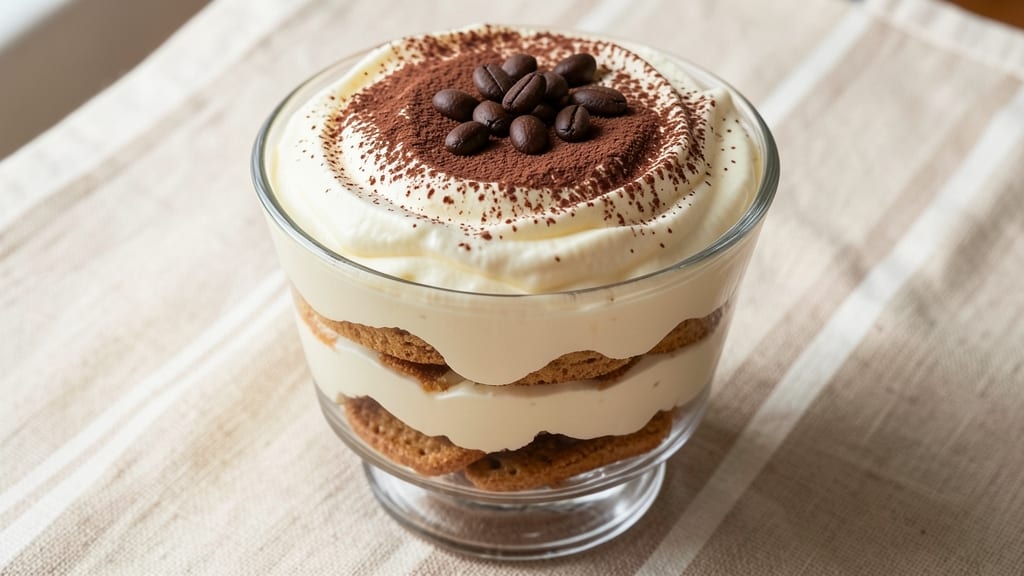
This tiramisu recipe with tempered eggs transforms a classic dessert into something luxuriously refined—where every layer delivers that signature silky yolk richness without a hint of scrambling. 💛 The secret lies in gently warming the egg yolks with sugar, then folding in mascarpone until you achieve that velvety, cloud-like texture that makes this dessert unforgettable.
I've perfected this technique over years of testing, ensuring your tiramisu stays stable, creamy, and perfectly balanced with coffee-soaked ladyfingers.
What sets this recipe apart is the foolproof tempering method that prevents curdling while amplifying the natural sweetness of the eggs. No special equipment required—just a double boiler, patience, and a whisk. The result?
A custard so smooth it melts on your tongue, layered between delicate coffee-infused ladyfingers that add just the right amount of crunch and depth. This isn't your average tiramisu—it's a restaurant-quality dessert you can make at home.
The assembly process is where the magic happens: each layer of custard and ladyfingers is carefully built, then chilled to develop the perfect balance of textures. By the time it's ready, you'll have a dessert that's rich yet light, coffee-forward without being bitter, and so creamy it practically dissolves.
The tempered eggs ensure no graininess, no separation—just pure, luxurious tiramisu that tastes like it took hours to make (even though it doesn't).
Serve this showstopper for special occasions or when you want to impress guests without stressing over complicated techniques. The key is in the details—the tempering, the layering, the chilling—and once you master them, you'll have a dessert that's always a crowd-pleaser. Let's get started on creating your perfect tiramisu.
Ingredients for tiramisu recipe tempered eggs
Egg yolks, mascarpone, and coffee create this restaurant-worthy dessert's signature velvety layers.
| Ingredient | Amount | Notes |
|---|---|---|
| Large Egg Yolks 🥚 | 8 whole | Fresh, room temperature preferred |
| Granulated Sugar 🍚 | 1 cup | Superfine for faster dissolving |
| Mascarpone Cheese 🧀 | 16 oz | High-fat, room temperature |
| Heavy Cream 🥛 | 1 ½ cups | 36% fat for stability |
| Ladyfingers 🍞 | 24 whole | Savoiardi, store-bought preferred |
| Strong Brewed Coffee ☕ | 1 ½ cups | Cold, espresso or French press |
| Marsala Wine 🍷 | ½ cup | Dry, 100-proof minimum |
| Unsalted Butter 🧈 | 2 tbsp | Softened, for custard finish |
| Vanilla Extract 🌿 | 1 tsp | Pure Madagascar preferred |
| Dark Chocolate Shavings 🍫 | ½ cup | 70% cocoa, for garnish |
| Cocoa Powder 🍫 | 2 tbsp | Dutch-processed, for dusting |
| Salt 🧂 | ¼ tsp | Fine sea salt |
The egg yolks are the heart of this tiramisu—freshness matters (use within 2 weeks of purchase) and room temperature ensures perfect emulsification. Whole Foods or specialty markets carry the best quality, but any grocery store's refrigerated section works. For tempering, double boiler setup is critical—direct heat risks scrambling. The mascarpone should be high-fat (60% minimum)—Galbani or BelGioioso are my go-tos, but any brand with visible fat content works. Pro tip: Let it sit at room temp for 30 minutes before using, or it'll make your custard grainy.
No Marsala wine? Substitute with equal parts espresso and brandy—the alcohol prevents soggy ladyfingers. For the coffee, instant espresso powder dissolved in hot water works in a pinch, but freshly brewed is ideal. The ladyfingers should be light and crisp—Barilla or Drumstick brands are most reliable. If you can't find them, use plain sponge cake slices soaked in the coffee mixture instead. The cocoa powder is non-negotiable for dusting—Dutch-processed (like Valrhona) dissolves smoothly, while natural cocoa can be gritty.
Assemble the tiramisu at least 4 hours ahead—this gives the layers time to meld perfectly. Store covered in the fridge for up to 3 days, though it's best enjoyed within 24 hours for optimal texture. The custard layer can be made a day ahead and stored separately, then layered just before serving. For make-ahead parties, assemble completely, wrap tightly in plastic, and refrigerate—bring to room temp 30 minutes before serving to let the flavors wake up.
Why You'll Love This Recipe
- Here’s what sold me: assemble this the night before, and it improves. The ladyfingers soften just enough, the cream sets perfectly, and you just… exist while it chills. No last-minute scrambling—just grab and serve.
- No Whisk Required: I swear by this tempered egg trick—just whisk yolks and sugar until it’s almost ribbon stage, then let the double boiler do the work. No arm fatigue, no stress, and that silky texture? Worth every second.
- Coffee-Lover’s Dream: Between us, I’ve never met a tiramisu that didn’t need coffee. The ladyfingers soak up the espresso like sponges, while the mascarpone and tempered yolks add this unreal balance—creamy, rich, but not cloying. (Yes, even on a Tuesday night.)
- Make-Ahead Magic: Here’s what sold me: assemble this the night before, and it improves. The ladyfingers soften just enough, the cream sets perfectly, and you just… exist while it chills. No last-minute scrambling—just grab and serve.
Step-by-step instructions for luxe tiramisu with tempered eggs
Here's the precise method to create velvety custard layers and perfectly balanced coffee-soaked ladyfingers.
🍳 Step 1: Temper the Egg Yolks for Silky Perfection
Place the 8 whole large egg yolks in a heatproof bowl over a pot of simmering water, ensuring the bowl doesn't touch the water. This gentle heat will warm the yolks to 160°F—just below the point where they begin to cook. You'll know they're ready when they're warm to the touch but still liquid.
While keeping the yolks warm, whisk in the 1 cup granulated sugar gradually until fully dissolved. This creates a smooth base for our custard. I like to use superfine sugar here—it dissolves faster and prevents graininess in the final texture. The mixture should be pale yellow and slightly thickened from the heat.
🍳 Step 2: Cook the Custard to Ribbon Stage
Transfer the warm yolk mixture to a saucepan and cook over medium-low heat, stirring constantly with a silicone spatula. You're aiming for the "ribbon stage"—when you draw the spatula through the custard, the trail should hold briefly before dissolving. This takes about 5-7 minutes and requires constant attention.
Here's the thing—if the custard curdles, don't panic. Immediately remove it from heat and whisk vigorously to smooth it out. The key is maintaining gentle heat and consistent stirring. Once it reaches the proper consistency, remove from heat and stir in the 2 tbsp softened unsalted butter and 1 tsp vanilla extract until fully incorporated.
👨🍳 Step 3: Whip the Mascarpone and Cream Mixture
In a separate bowl, combine the 16 oz mascarpone cheese with the 1.5 cups heavy cream. Using an electric mixer on medium speed, whip until smooth and fully incorporated. This creates the creamy base that will marry perfectly with our custard. I like to let the mixture sit at room temperature for 10 minutes before whipping to ensure even consistency.
Gradually fold the cooked custard into the mascarpone mixture using a spatula, being careful not to deflate the whipped cream. The final texture should be thick but still pourable—like heavy pudding. Here's where the magic happens: the tempered yolks give us that signature silky texture without any graininess.
🥘 Step 4: Assemble the Coffee-Kissed Layers
Combine the 1.5 cups strong brewed coffee with the 0.5 cup marsala wine in a shallow dish. Dip each of the 24 ladyfingers quickly on both sides—just enough to moisten without soaking through. Arrange half the ladyfingers in an even layer at the bottom of your serving dish.
Spread half of the mascarpone mixture evenly over the ladyfingers, then sprinkle with about 1 tbsp cocoa powder. Repeat with another layer of dipped ladyfingers, remaining mascarpone mixture, and the final cocoa powder dusting. The cocoa not only adds flavor but creates that beautiful visual contrast with the creamy layers.
⏰ Step 5: Chill and Garnish for Ultimate Luxe
Cover the tiramisu with plastic wrap and refrigerate for at least 6 hours, preferably overnight. This resting period allows all the flavors to meld perfectly and the layers to set properly. Real talk: the longer it chills, the better the texture becomes—think of it as letting the dessert "breathe."
Before serving, dust the top generously with remaining 1 tbsp cocoa powder and sprinkle with 0.5 cup dark chocolate shavings. The contrast of the bitter cocoa and rich chocolate against the creamy layers is what makes this tiramisu truly special. Cut into squares and serve immediately—each bite should deliver that perfect balance of coffee, wine, and velvety custard.
Pro Tips For Making Tiramisu Recipe Tempered Eggs
- Warm the yolks first: The sugar and yolks should be at room temperature—cold eggs and sugar will make your custard grainy no matter how carefully you whip it. Pop the yolks and sugar in a bowl for 15 minutes before starting, especially if your kitchen’s cold.
- Use a thermometer for tempering: Guessing when to add the hot cream to the yolks leads to scrambled eggs or undercooked custard. Heat the cream to 160°F (71°C) first, then slowly drizzle it into the yolks while stirring constantly—stop when the mixture hits 150°F (66°C). That’s the sweet spot for silky, stable eggs.
- Don’t skip the ladyfinger prep: Dip the ladyfingers in coffee just until they’re pliable, not soggy. Over-soaking turns them into mush, and under-soaking means they’ll stay dry against the custard. Work in batches and keep the coffee warm—cold coffee weakens the structure.
- Whisk the mascarpone in last: Fold the mascarpone into the cooled custard after the cream has been whipped to stiff peaks. Adding it earlier makes the mixture too dense and heavy. Gently fold it in with a spatula—overmixing will deflate the cream and ruin the texture.
Make-ahead tips for this tiramisu recipe tempered eggs
Prep Ahead Strategy
Assemble the tiramisu a full day ahead—this gives the flavors time to meld beautifully while keeping the ladyfingers perfectly crisp. I always make the custard layer 24 hours before assembly and store it in an airtight container in the fridge.
The tempered eggs stay stable for up to 3 days this way, so you can prep the custard on Sunday and assemble on Monday for a stress-free dessert. 💫
Layering Efficiency
For easy assembly, pre-dip the ladyfingers in the coffee mixture and arrange them on a baking sheet lined with parchment paper. This prevents soggy bottoms and makes layering a breeze. Keep them in the fridge while you finish the custard, then simply transfer them to your serving dish when ready.
I use a 9x13-inch glass dish for even layers and easy slicing.
Chilling Timeline
After assembling, chill for at least 6 hours—but don’t rush it! The longer it rests, the better the texture. For parties, assemble the night before and store covered in the fridge.
Bring to room temperature for 30 minutes before serving to let the flavors wake up. Pro tip: Use a thermometer to ensure it’s at 65°F—this is the sweet spot for serving.
Make-Ahead Garnish
Prep the dark chocolate shavings and cocoa powder separately and store in small containers. Just before serving, dust the top generously—this adds that restaurant-quality finish without any extra effort. I like to use a microplane for ultra-fine shavings that melt beautifully with each bite.
The cocoa powder can be sifted through a fine-mesh sieve for an even, professional look.
Portion Control
For individual servings, divide the custard into ramekins before assembling. Layer with 3-4 dipped ladyfingers per ramekin, then top with custard and a dusting of cocoa. This makes it perfect for holiday gatherings or dessert buffets—just cover and refrigerate until ready to serve.
The individual portions stay fresh for up to 2 days in the fridge.
Storage Hacks
Store leftover tiramisu in an airtight container with parchment paper between layers to prevent sticking. It keeps well in the fridge for up to 3 days, though I find it’s best enjoyed within 24 hours for optimal texture.
For longer storage, freeze the assembled tiramisu (without the chocolate garnish) for up to 1 month. Thaw overnight in the fridge before serving—it’ll still be creamy and delicious! ❄️
Nutrition facts
Frequently asked questions
Why temper the eggs instead of cooking them directly?
Tempering gently warms the yolks to 160°F without scrambling them, creating a silky texture that stays creamy when folded with mascarpone. Direct cooking risks graininess, while tempering preserves that signature velvety mouthfeel—the secret to restaurant-quality tiramisu.
Can I substitute mascarpone with cream cheese?
Not ideal—cream cheese is too tangy and lacks the fat content for proper texture. For a close alternative, blend 12 oz cream cheese with 4 oz softened butter to mimic mascarpone's richness. The custard will still be creamy but slightly denser. For best results, stick with mascarpone.
How do I fix curdled custard?
If your custard curdles, immediately remove it from heat and whisk vigorously for 1-2 minutes to smooth it out. For stubborn clumps, strain through a fine-mesh sieve into a clean bowl. The tempering process minimizes this risk, but even pros occasionally encounter it—don't panic! The texture will still be creamy when folded with mascarpone.
Can I make this without alcohol?
Yes! Replace the 0.5 cup marsala wine with an equal amount of extra coffee or 1 tbsp vanilla extract mixed with water. The alcohol prevents soggy ladyfingers, but these substitutes work well. For extra richness, add 1 tsp rum extract to the coffee mixture for depth.
Why does my tiramisu taste bitter?
Over-soaked ladyfingers or too much cocoa powder can cause bitterness. Dip ladyfingers for just 1-2 seconds per side and use 2 tbsp total cocoa powder** for dusting. For balance, add a pinch of salt to the custard or garnish with chocolate shavings to counter bitter notes. The coffee should be strong but not overpowering.