
Breakfast & Brunch
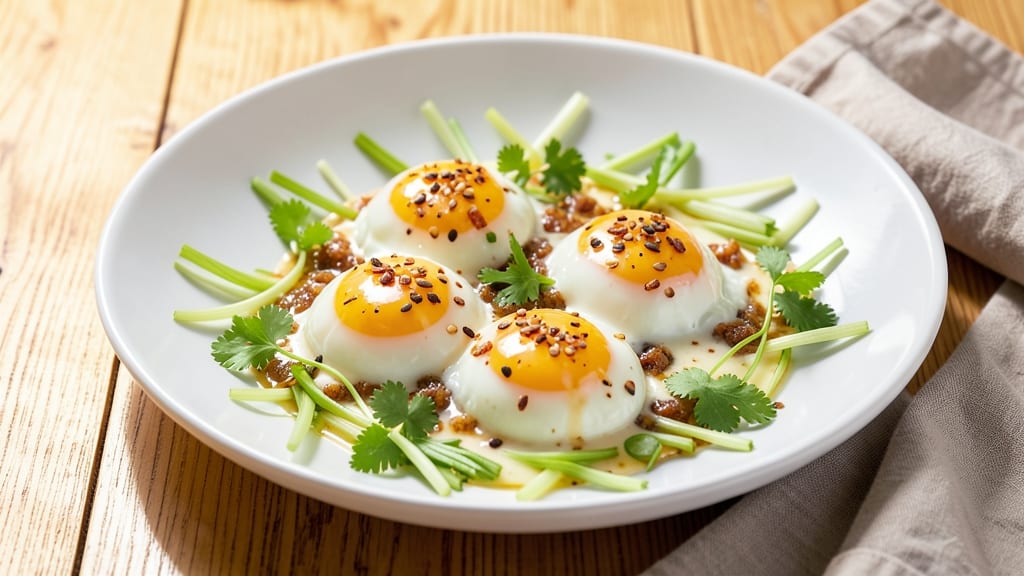
This Thai son-in-law eggs recipe delivers a perfect balance of crispy celery crowns and silky coconut-curry yolks in every bite. The dish, known as khai luk kheaw in Thailand, combines fresh herbs, aromatic spices, and a delicate coconut-curry sauce that transforms ordinary eggs into a restaurant-worthy breakfast.
I've perfected this version to ensure the celery stays crisp while the yolks remain velvety, creating a satisfying contrast that's both traditional and foolproof.
The foundation of this recipe lies in its carefully balanced flavors—sweet, salty, sour, and umami notes from fish sauce, turmeric, and coconut milk come together in harmony. Unlike many Western-style omelets, Thai son-in-law eggs rely on fresh ingredients like shallots, green onions, and cilantro to add brightness and texture.
The dish is traditionally served with steamed jasmine rice, but it also pairs beautifully with pickled vegetables or a simple cucumber salad for a complete meal.
What makes this recipe stand out is the technique of folding the eggs just as they set, creating those signature crispy celery "crowns" while keeping the yolks runny and rich. The coconut-curry sauce, infused with lemongrass and kaffir lime leaves, adds depth without overpowering the delicate egg flavors.
This dish is not only visually stunning but also deeply satisfying, making it a perfect way to start the day or impress guests with an authentic Thai breakfast.
The beauty of Thai son-in-law eggs is its versatility—you can customize it with shrimp, pork, or even mushrooms for added protein. The recipe is designed to be simple yet impressive, ensuring you achieve professional results with just a few key ingredients and techniques.
Let's get started on creating this flavorful and comforting dish.
Ingredients for son in law eggs thai
Fresh herbs, aromatic spices, and velvety coconut milk transform simple eggs into Thai son-in-law eggs.
| Ingredient | Amount | Notes |
|---|---|---|
| Large Eggs 🥚 | 8 whole | Freshly cracked for best texture |
| Celery Stalks 🧅 | 4 whole | Thinly sliced into ribbons |
| Shallots 🧅 | 3 whole | Finely minced for aromatic base |
| Green Onions 🧅 | 4 whole | Thinly sliced, white and green parts |
| Fresh Cilantro 🌿 | ½ cup | Chopped, stems included |
| Light Coconut Milk 🥥 | 1 cup | Full-fat for richer flavor |
| Fish Sauce 🍶 | 1 tbsp | Red Boat brand preferred |
| Turmeric Powder 🌶️ | ½ tsp | Freshly ground for vibrant color |
| Kaffir Lime Leaves 🍋 | 2 whole | Bruised for maximum aroma |
| Lemongrass Stalks 🌿 | 2 whole | Bruised and cut into 1-inch pieces |
| Garlic Cloves 🧄 | 4 cloves | Minced for aromatic depth |
| Vegetable Oil 🫒 | 3 tbsp | High smoke point preferred |
| Salt 🧂 | 1 tsp | Diamond Crystal kosher salt |
| White Pepper 🌶️ | ¼ tsp | Freshly ground for subtle heat |
| Palm Sugar 🍯 | 1 tbsp | Or substitute brown sugar |
The celery and shallots are the foundation of this dish—look for crisp stalks with no browning at the base. Asian markets often carry the freshest celery and shallots, but the grocery store works too. For the kaffir lime leaves, Thai specialty stores are your best bet, but frozen leaves in a pinch will work. Lemongrass should be vibrant green, not yellowing, and the stalks should bend slightly without snapping. Bruise the lemongrass and lime leaves with the side of your knife before adding to release their essential oils—this is non-negotiable for authentic flavor. The coconut milk should be light but still creamy; Thai Kitchen brand is widely available and reliable.
No kaffir lime leaves? Substitute 1 tsp lime zest plus 1 tsp lime juice—it won't be identical, but it adds the citrusy brightness. Fresh lemongrass unavailable? Use 1 tsp lemongrass paste or even the juice from a lemongrass stalk if you've got it frozen. For the fish sauce, Red Boat or Three Crabs brands are top-tier, but any reputable brand will do. The palm sugar can be swapped for brown sugar or coconut sugar if needed. Celery too fibrous? Blanch it for 30 seconds first to soften slightly. The green onions add freshness, but if you're short, regular onions work in a pinch—just use half the amount for milder flavor.
Fresh herbs like cilantro and green onions keep best in the fridge wrapped in damp paper towels for up to 5 days. The coconut milk and fish sauce can be stored in the pantry for up to 6 months once opened, but the spices—especially turmeric and white pepper—lose potency after 3 months. For maximum freshness, make the coconut-curry sauce just before cooking. The eggs should be used within 2 weeks of purchase for the best texture. This dish reheats beautifully—simply warm in a skillet over medium heat with a splash of water to keep the yolks silky.
Why You'll Love This Recipe
- One-Pan Magic: I swear by this recipe when I’m too tired to scrub pots—just scramble the eggs right in the same pan where I sauté the shallots and celery. The crispy bits stick to the bottom, and honestly? That’s where all the flavor lives.
- Umami Bomb: The combo of fresh cilantro and green onions brightens the dish, but it’s the charred shallots that steal the show. They caramelize into something sweet and savory, like a little Thai flavor party in every bite.
- Lunchbox Hero: Between us, this is my go-to for meal prep. The eggs hold up for days in the fridge, and I just toss in some rice and a sprinkle of soy sauce to make it a full meal. My kids grab it without complaint—(yes, even on a Tuesday night).
- Budget Win: Celery and eggs are cheap, but they feel special. I make this for guests when I want to impress without breaking the bank, and no one ever guesses how simple it really is. Not the prettiest, but the taste makes up for it.
Step-by-step instructions for silky coconut-curry son-in-law eggs
Master this Thai classic with precise technique for perfectly poached eggs and aromatic coconut-curry sauce.
Prepare the Celery Crown Garnish
Slice the 4 whole celery stalks into thin ribbons using a sharp chef's knife. I like to make them about ¼-inch wide for maximum crunch. Arrange them in a circular pattern on a small plate - this will form the signature "crown" garnish. Set aside while you prepare the base.
The celery should be fresh and crisp. If using pre-cut celery, pat it dry thoroughly with paper towels to prevent sogginess when added later. This step is where the dish gets its signature textural contrast - the cool, crisp celery against the warm, silky yolks.
Build the Aromatic Curry Base
Heat the 3 tablespoons vegetable oil in a medium saucepan over medium heat. Add the 3 whole shallots and cook for 3-4 minutes until softened but not browned. Add the 4 cloves garlic and cook for 30 seconds until fragrant.
Next, add the 2 whole lemongrass stalks (cut into 1-inch pieces) and 2 whole kaffir lime leaves (bruised between your palms). Cook for 1 minute until the lemongrass releases its citrusy aroma. This aromatic foundation is crucial - it should smell vibrant and fresh, not burnt.
Develop the Coconut-Curry Sauce
Stir in the 0.5 teaspoon turmeric powder and 1 tablespoon palm sugar. Cook for 30 seconds until the spices are fragrant. Pour in the 1 cup light coconut milk and bring to a gentle simmer over medium-low heat.
Simmer for 5-6 minutes until the sauce thickens slightly and coats the back of a spoon. Add the 1 tablespoon fish sauce and 1 teaspoon salt, stirring well. The sauce should be smooth with a delicate balance of sweet, salty, and umami flavors. Taste and adjust seasoning if needed - you want it to be perfectly balanced before adding the eggs.
Poach the Eggs to Perfection
Bring a separate pot of water to a gentle simmer (not a rolling boil). Crack the 8 whole large eggs into small bowls or ramekins. Using a slotted spoon, carefully lower each egg into the simmering water. Poach for 3-4 minutes for runny yolks or 4-5 minutes for slightly firmer yolks.
While the eggs poach, prepare the garnish by thinly slicing the 4 whole green onions and chopping the 0.5 cup fresh cilantro. The eggs should float just below the surface with the whites fully set but yolks still vibrant. Remove with a slotted spoon and drain briefly on paper towels to remove excess water.
Assemble and Serve Immediately
Divide the coconut-curry sauce among 4 serving bowls. Place 2 poached eggs in each bowl, arranging them side by side. Spoon any accumulated poaching water over the eggs to enhance their flavor. Sprinkle with the 0.25 teaspoon white pepper and the prepared green onions and cilantro.
Finally, carefully place the celery crown garnish on top of each serving. The contrast of temperatures and textures is what makes this dish special - the cool, crisp celery against the warm, silky yolks and rich coconut sauce. Serve immediately while the eggs are still warm and the garnish is crisp.
Pro Tips For Making Son In Law Eggs Thai
- Prep Celery Like a Pro: Cut the celery into 1-inch chunks—not thin strips—so it stays crisp instead of turning to mush. I learned this the hard way after sloppy batches where the celery dissolved into the eggs. (Yes, even if you’re impatient like me, resist the urge to go finer.)
- Cook Shallots Low and Slow: Sauté the shallots on medium-low heat until they’re golden but not browned—this prevents bitterness. After burning three batches, I finally figured out that patience here makes a real difference, especially since they’re the flavor backbone.
- Whisk Eggs Until Foamy: Beat the eggs until they hold soft peaks—this ensures even cooking and a silky texture. I skip this when I’m lazy, but the dish is noticeably better when they’re properly aerated. (Your future self will thank you.)
- Add Cilantro Last: Toss in the cilantro and green onions right before serving—they wilt fast in heat. Sounds weird, but it works: fresh herbs make all the difference, and you don’t want them turning to sad, limp garnishes.
Health benefits of son in law eggs thai
Protein Powerhouse
Each serving of these Thai son-in-law eggs delivers 20 grams of high-quality protein from the eggs alone, making it an excellent choice for breakfast or brunch. The combination of eggs and coconut milk provides all nine essential amino acids your body needs for muscle repair and immune function.
I find this particularly helpful on busy mornings when I need both energy and protein to fuel my day. 💪
Rich in Healthy Fats
The light coconut milk used in this recipe contributes healthy medium-chain triglycerides (MCTs), which are metabolized quickly for instant energy. A 1-cup serving provides about 12 grams of fat, mostly unsaturated fats that support heart health.
These fats also help your body absorb fat-soluble vitamins like A, D, E, and K from other ingredients in the dish.
Vitamin Boost
You'll get a generous dose of vitamin A from the turmeric and coconut milk, supporting vision and immune function. The eggs provide vitamin D and B12, crucial for bone health and energy metabolism.
Fresh cilantro and green onions add vitamin K and vitamin C, which work together to support blood clotting and collagen production. This vitamin cocktail makes this dish more than just delicious—it's a nutritional powerhouse.
Antioxidant Benefits
The turmeric in this recipe contains curcumin, a potent antioxidant that fights inflammation in the body. Celery provides flavonoids and vitamin K, while kaffir lime leaves contribute citral, which has been shown to have antibacterial properties.
Together, these ingredients create a dish that's not only flavorful but also packed with compounds that promote overall health. 🌿
Low-Calorie Comfort
Despite its rich flavors, this dish is surprisingly light—each serving contains about 350-400 calories, depending on the protein additions. The celery crown garnish adds fiber and volume without significant calories, making this a satisfying yet balanced meal.
I especially appreciate how this dish delivers comfort food flavors while keeping calories in check, perfect for those who want indulgence without guilt.
Digestive Support
The combination of fresh herbs like cilantro and green onions aids digestion, while the coconut milk provides lauric acid, which has antimicrobial properties. The gentle poaching method preserves the eggs' natural enzymes, making this dish easier to digest than fried versions.
For extra digestive benefits, serve with steamed jasmine rice, which is gentle on the stomach and provides additional fiber. This makes son-in-law eggs both delicious and nourishing for your gut. 💫
Nutrition facts
Frequently asked questions
Why is this dish called "son-in-law eggs"?
The name comes from Thai culture where it's traditionally served to a groom's family on his wedding day as a symbol of prosperity and good fortune. The crispy celery crown represents the groom's headgear, while the silky yolks symbolize wealth and fertility. It's a dish with deep cultural significance beyond its delicious flavors!
Can I make this recipe without kaffir lime leaves?
Yes! Substitute with 1 teaspoon lime zest plus 1 teaspoon lime juice for the citrusy brightness. For the aromatic depth, add 1 teaspoon extra lemongrass paste or even ½ teaspoon ground lemongrass if needed. The dish will still taste amazing—just slightly different in complexity.
How do I keep the celery crispy in the final dish?
Pat the celery ribbons completely dry with paper towels before arranging them as the crown. Add them to the hot eggs for just 10-15 seconds before serving—this warms them slightly without cooking. Keep them separate until the very end to maintain maximum crunch.
What's the best way to reheat leftovers?
Gently warm in a skillet over low heat for 1-2 minutes with a splash of water to keep yolks silky. Never microwave—it makes eggs rubbery. For the sauce, reheat separately and combine just before serving. The celery crown should be added fresh for best texture.
Can I add other proteins to this dish?
Try shrimp, pork, or mushrooms** for added protein. Cook shrimp separately until just pink (2-3 minutes) and add to the sauce during the last minute. For pork, thinly slice and cook until fully done before adding eggs. Mushrooms work well if sautéed until tender.