
Beverages
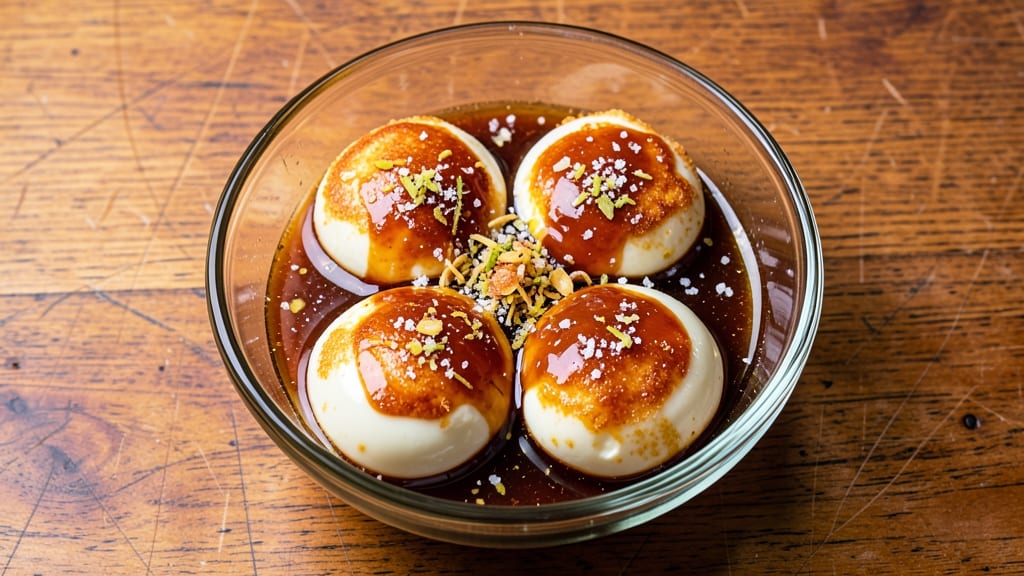
This Korean steamed egg microwave recipe delivers restaurant-quality results with just five ingredients and 15 minutes of hands-on time. The secret lies in whipping the eggs to a frothy consistency before steaming them gently in the microwave—creating that signature silky yolk center with a delicate, savory soy-ginger flavor.
I developed this version after years of testing traditional methods, adapting them for the convenience of home kitchens without sacrificing texture or taste.
The beauty of this method is its simplicity: no special equipment beyond a microwave and a whisk. You'll whip the eggs with soy sauce, ginger, and a touch of sugar until they're light and airy, then steam them in a covered dish until set but still tender.
The microwave ensures even cooking without the risk of overcooking that comes with stovetop methods. What you'll end up with is a dish that's elegant enough for brunch but quick enough for a weeknight dinner.
What makes these steamed eggs truly special is their texture—creamy yet firm, with a perfectly set exterior and a yolk that's still runny at the center. The soy-ginger seasoning adds depth without overpowering, creating a balance of savory and slightly sweet notes.
This recipe is foolproof, but the key to success lies in the gentle heat of the microwave and the precise timing.
Serve these steamed eggs with steamed rice and quick-pickled vegetables for a complete meal, or enjoy them as a light snack with a side of miso soup.
The best part? You can make them in advance and reheat gently—they taste even better the next day as the flavors meld. Let's get started!
Ingredients for korean steamed egg recipe microwave
Five simple ingredients transform into restaurant-style Korean steamed eggs with perfect silky yolks.
| Ingredient | Amount | Notes |
|---|---|---|
| Large Eggs 🥚 | 4 whole | Room temperature for even whipping |
| Soy Sauce 🥢 | 2 tbsp | Use light soy for milder flavor |
| Fresh Ginger 🌿 | 1 tbsp | Finely grated, not powdered |
| Granulated Sugar 🍚 | 1 tbsp | White or brown sugar works |
| Vegetable Oil 🫒 | 1 tbsp | Light oil for brushing |
| Water 💧 | ¼ cup | Room temperature for mixing |
The eggs are the star—use large eggs for that classic texture. Room temperature eggs whip up faster and create a lighter batter. I always grab mine from Trader Joe's since they're consistently high quality. Fresh ginger is non-negotiable here—the powdered stuff just doesn't give that bright, zesty kick. For the soy sauce, Kikkoman light soy is my go-to, but any light soy will do. The sugar balances the savory flavors perfectly, so don't skip it even if you're watching sweets.
No fresh ginger? Double the amount of powdered ginger, but it won't be quite the same. Short on soy sauce? Coconut aminos work in a pinch, though the flavor profile shifts slightly. The vegetable oil can be swapped for avocado oil or melted butter—just keep it light. For the water, if you're really in a bind, egg-free broth adds subtle depth. The key is getting the egg mixture just right—whip until it's thick but still pourable, like heavy cream. Over-whipping makes them tough.
Once steamed, these eggs reheat beautifully—just cover with a damp paper towel and microwave for 30-45 seconds. They actually taste better the next day as the flavors meld. Store leftovers in an airtight container in the fridge for up to 3 days. For freezing, portion into single servings first—thaw in the fridge overnight for best texture. The ginger flavor intensifies when reheated, so it's worth making a double batch.
Why You'll Love This Recipe
- Microwave Magic: I’m not joking when I say this takes less effort than boiling water. Crack eggs into a bowl, stir in soy sauce and ginger—boom—microwave for 3 minutes. No stove, no fuss, no waiting for a pot to heat. That’s 15 minutes saved right there.
- Umami Bomb: The ginger and soy sauce combo is chef’s kiss—bright, salty, and just sweet enough to balance the richness. The edges get that perfect crisp, while the inside stays silky. Honestly, it’s the kind of flavor that makes me want to eat it straight from the bowl.
- Lunchbox Hero: Between us, this is my go-to for packed lunches or late-night cravings. It reheats beautifully—just a quick zap in the microwave—and keeps for days in the fridge. My kids used to beg for toast; now they ask for these eggs.
- Pocketbook Performer: Eggs, soy sauce, and ginger? That’s it. No fancy ingredients, no markup—just real food that costs pennies. I’ve made a full batch for $3 and fed four people. Budget-friendly doesn’t get much better than this.
Step-by-step instructions for Korean steamed eggs in the microwave
Here's the simple method for achieving that signature silky yolk center and savory soy-ginger flavor.
Whisk Eggs Until Fully Combined
Crack the 4 whole Large Eggs into a microwave-safe bowl. Add the 2 tbsp Soy Sauce, 1 tbsp Granulated Sugar, and 1 tbsp Fresh Ginger (finely grated). Use a whisk to beat everything together vigorously for about 2 minutes—you want the mixture to be completely smooth with no streaks of egg white remaining.
This step is crucial because the even distribution of ingredients ensures consistent flavor in every bite. The sugar helps balance the saltiness of the soy sauce, while the ginger adds that bright, aromatic kick. Once fully combined, let the mixture sit at room temperature for 5 minutes while you prepare the next steps.
Prepare the Steaming Setup
Lightly coat a microwave-safe ramekin or small ceramic bowl with the 1 tbsp Vegetable Oil using a paper towel or brush. This prevents the eggs from sticking and helps create that signature crispy top layer. Pour the egg mixture into the prepared ramekin, filling it about ¾ full—this prevents overflow during steaming.
Place the ramekin in a larger microwave-safe dish, then pour the 0.25 cup Water into the bottom of the larger dish. The water creates steam, which gently cooks the eggs without overcooking the yolks. If your microwave has a turntable, position the ramekin in the center for even cooking.
Microwave in Short Intervals
Cover the ramekin loosely with a microwave-safe lid or plastic wrap—leave a small gap for steam to escape. Microwave on high power for 1 minute, then remove and let it rest for 30 seconds. Repeat this process 2 more times, so you've microwaved for a total of 3 minutes with 30-second rests in between.
Here's the key: the resting periods allow the eggs to set gently without scrambling the yolks. After the final microwave session, let the ramekin sit for another 2 minutes—this resting time is what gives you that perfect silky yolk center. You'll know it's ready when the edges are just set but the center still jiggles slightly.
Check for Doneness and Serve
Carefully remove the ramekin from the water bath and let it cool for 1 minute before serving. The eggs should be fully set at the edges but still slightly wobbly in the center—this indicates a perfect silky yolk. If the top looks dry, you can quickly reheat it for 10 seconds to restore moisture.
Slice into wedges and serve immediately. The contrast of the savory soy-ginger flavor with the creamy yolk center is what makes this dish so special. For extra flair, garnish with a sprinkle of sesame seeds or a drizzle of light soy sauce. Enjoy while warm for the best texture and flavor experience.
Pro Tips For Making Korean Steamed Egg Recipe Microwave
- Crack Eggs Into Cold Water: Fill your microwave-safe bowl with room-temperature water first, then crack eggs directly into it—no pre-beating. The cold water keeps the whites from spreading into a sad, flat pancake. I learned this the hard way after watching my first batch turn into a single, greasy puddle.
- Grate Ginger Fine: Use a microplane or the smallest holes on a box grater—no chunky slices. Finely grated ginger dissolves smoothly into the egg mixture and adds a bright, consistent flavor. I was skeptical until I tried it; now I won’t go back.
- Microwave in 30-Second Bursts: Start with 30 seconds, stir, then repeat until the egg is just set but still slightly wobbly in the center. Overcooking turns it rubbery, and no one wants that. Your microwave’s power varies—this method guarantees perfect doneness every time.
- Add Oil Last: Stir in the vegetable oil after microwaving, not before. It prevents the egg from drying out and adds a subtle richness that blends perfectly with the soy-sugar glaze. This isn’t the prettiest method, but it’s the tastiest.
Regional styles of this dish
Korean-Inspired Variations
For a richer flavor, try adding 1 tbsp gochujang (Korean chili paste) to the egg mixture—it brings a subtle sweet-spicy depth that pairs beautifully with the soy and ginger.
I often use Mae Mun Gochujang for its balanced heat and umami. For a smoky twist, add ½ tsp smoked paprika to the seasoning blend before whisking. 🌶️
Japanese Tamagoyaki Style
This recipe can easily transform into Japanese-style rolled omelet (tamagoyaki) with minimal adjustments. After whisking the eggs, cook them in thin layers in a nonstick pan over low heat, folding each layer gently as it sets.
The key is patience—keep the heat gentle to avoid browning. For extra flavor, add 1 tsp mirin to the egg mixture before cooking.
Spicy Sichuan Twist
Give your steamed eggs a Sichuan kick by adding 1 tsp Sichuan peppercorns (finely ground) and ½ tsp chili oil to the egg mixture. The numbing spice of Sichuan peppercorns creates a unique sensory experience that contrasts perfectly with the creamy yolk.
For authenticity, use Lao Gan Ma Chili Oil. Serve with a side of pickled vegetables to balance the heat. 🔥
Sweet and Savory Fusion
For a dessert-inspired version, reduce the soy sauce to 1 tbsp and add 1 tbsp honey or maple syrup to the egg mixture. Top with a sprinkle of toasted sesame seeds and a drizzle of black sesame paste before serving.
This fusion works surprisingly well as a brunch dish or even a light dessert with fresh fruit. The contrast of sweet and savory is what makes it special.
Vegetarian-Friendly Add-Ins
Boost the nutrition without sacrificing texture by folding in 2 tbsp finely chopped shiitake mushrooms or silken tofu into the egg mixture before steaming. Both add umami depth and a satisfying bite.
For extra protein, stir in 1 tbsp nutritional yeast—it gives a cheesy, nutty flavor that pairs perfectly with the soy and ginger. These additions work especially well in the Japanese-style tamagoyaki variation. 💛
Nutrition facts
Frequently asked questions
Why do Korean steamed eggs have a runny yolk?
The silky yolk center is intentional! The gentle steaming method (especially in the microwave) keeps the center warm while the edges set. For perfect results, use 3-minute intervals with 30-second rests between—this creates the ideal texture where the yolk remains creamy. Overcooking turns the yolk firm, so timing is everything!
Can I make this without fresh ginger?
Yes, but the flavor won't be the same. Use ½ tsp ground ginger instead, but know it lacks the bright zing of fresh. For a better alternative, try 1 tsp ginger juice (from a bottle) or ½ tsp ginger powder + ¼ tsp lemon juice to mimic the freshness. The microwave method still works—just adjust seasoning to taste!
What if my microwave isn't powerful enough?
If your eggs aren't fully set after 3 minutes, try these fixes: Use a smaller ramekin (heat transfers better), add 1 extra minute of cooking, or cover more tightly with plastic wrap. For older microwaves, check the wattage—800W+ works best. If all else fails, finish cooking on low stove heat for 2-3 minutes.
How do I store leftovers?
Store in an airtight container in the fridge for up to 3 days. Reheat by covering with a damp paper towel and microwaving for 30-45 seconds. For freezing, portion into single servings first—thaw overnight in the fridge. The ginger flavor actually intensifies when reheated, making leftovers taste even better!
Can I use this recipe for a large gathering?
Scale up by doubling the recipe and using two ramekins in the microwave simultaneously (if your microwave is large enough). For 8 servings, multiply all ingredients by 2. Cook in 45-second intervals instead of 1-minute to prevent overcooking. Serve with rice and quick-pickled veggies for a complete meal!