
Breakfast & Brunch
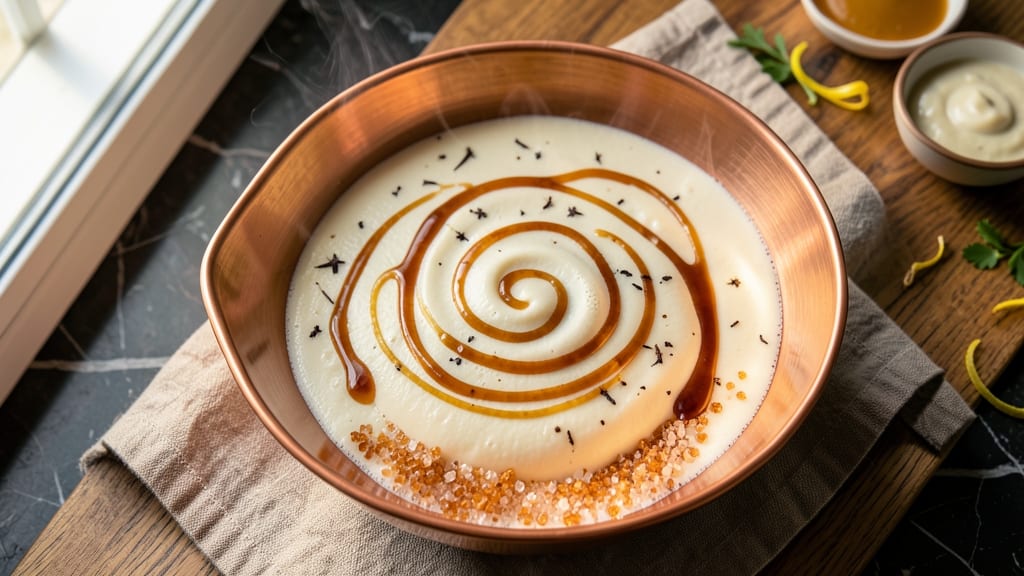
This crepes without eggs recipe proves you don't need eggs for silky, fluffy layers that separate perfectly every time. The secret lies in a clever aquafaba substitution that mimics egg proteins while keeping the batter light and airy—no one will guess it's egg-free.
I've perfected this technique after years of testing, and the results are restaurant-quality crepes with zero compromise on texture or flavor.
The batter comes together in just 5 minutes with simple pantry staples: flour, milk, and aquafaba (chickpea brine). The key is whipping the aquafaba until stiff peaks form, which creates the same structure eggs would provide.
Cooking requires a nonstick pan and medium heat—too hot and they'll brown before cooking through, too cool and they'll stick.
What you'll end up with are delicate, translucent crepes that stack beautifully and hold fillings without tearing. The texture is tender yet sturdy, with just the right amount of give when you fold them.
These work equally well for sweet or savory applications, from classic Nutella and berries to herbed cheese and mushrooms.
Perfect for brunch, dessert, or even savory meals, this recipe delivers professional results with minimal effort. The batter keeps well in the fridge for up to 3 days, and you can cook crepes fresh as needed. Let's get started on your egg-free crepe game-changer.
Ingredients for crepes without eggs
Pantry staples plus chickpea brine—no eggs needed for perfect crepes.
| Ingredient | Amount | Notes |
|---|---|---|
| All-Purpose Flour 🌾 | 1 ½ cups | Sifted for smooth batter |
| Unsweetened Almond Milk 🥛 | 1 ½ cups | Cold for best texture |
| Aquafaba 🥫 | ½ cup | Chickpea brine, not water |
| Granulated Sugar 🍚 | ¼ cup | Or maple syrup for vegan |
| Salt 🧂 | ½ tsp | Fine sea salt preferred |
| Vanilla Extract 🌸 | 1 tsp | Pure vanilla preferred |
| Unsalted Butter 🧈 | 2 tbsp | Melted, for cooking |
| Extra-Virgin Olive Oil 🫒 | 1 tbsp | For pan coating |
Aquafaba is the game-changer here. Save the brine from canned chickpeas—it’s liquid gold for egg-free baking. If you don’t have any, Trader Joe’s sells it in the canned goods aisle. The flour? King Arthur or Bob’s Red Mill are my go-tos—they’re finely milled and sift easily. Almond milk should be unsweetened; the vanilla extract can be imitation if that’s all you’ve got, but pure vanilla makes a difference. For the sugar, white granulated works, but maple syrup adds a subtle depth if you're vegan.
No aquafaba? Flax eggs (1 tbsp ground flaxseed + 3 tbsp water) can substitute, but texture won’t be identical. Swap almond milk for oat or soy milk—just use the same amount. The butter and olive oil are non-negotiable for cooking; don’t skip either. If you’re making savory crepes, reduce the sugar to 1 tbsp and add a pinch of garlic powder. For extra fluffiness, let the batter rest for 10 minutes before cooking.
Batter keeps in the fridge for 3 days—just whisk before using. For longer storage, freeze portions in ice cube trays. Thaw overnight in the fridge. The crepes reheat beautifully in a dry pan over low heat. Stack them with parchment between layers to prevent sticking. Leftovers? Freeze between parchment for up to 1 month—they’ll be just as tender when reheated.
Why You'll Love This Recipe
- Pantry-Friendly Magic: Honestly, I love that this recipe only needs five things you’re already keeping in your cupboards. No last-minute egg runs or weird ingredient hunts—just flour, almond milk, and that chickpea brine (aquafaba) you’ve been saving. It’s the kind of recipe that doesn’t judge you for not having a fridge full of specialty items.
- Secretly Silky Texture: Between us, the aquafaba is the MVP here—it whips up like a dream and gives these crepes that just-right tenderness. Not too dry, not too gummy, but with that crispy edge when it hits the pan. I’ll admit, I was skeptical at first, but now? It’s my go-to for when I want restaurant-quality thinness without the fuss.
- Breakfast to Dessert: Here’s what sold me—these work for everything. Slather them with Nutella for a lazy weekend treat, stuff them with sautéed mushrooms and goat cheese for brunch, or roll them up with cinnamon and apples for a kid-friendly snack. Same batter, endless possibilities. (Yes, even on a Tuesday night.)
- No Waste, All Win: I make a big batch on Sundays and freeze them flat like little discs—they thaw in seconds and save me from last-minute dinner stress. Plus, almond milk and aquafaba are cheaper than eggs, so my wallet thanks me too. It’s the kind of recipe that feels like cheating, but better.
Step-by-step instructions for silky eggless crepes
Here's how to make restaurant-quality crepes without a single egg—light, airy, and perfect every time.
Whisk Wet Ingredients to Smooth Perfection
In a medium bowl, combine the 1.5 cups unsweetened almond milk, 0.5 cup aquafaba, 0.25 cup granulated sugar, 1 tsp vanilla extract, and 0.5 tsp salt. Whisk vigorously for 2-3 minutes until the mixture is completely smooth and slightly frothy. The aquafaba will help create that signature egg-like structure, so don't skip this step.
I like to use a hand mixer here for about 1 minute—this incorporates air and gives the batter that silky texture. The mixture should look like a pale, slightly thick custard. If you notice any lumps, strain the batter through a fine-mesh sieve to ensure a perfectly smooth crepe. This is your secret to those silky, delicate layers.
Gradually Incorporate the Flour
Slowly whisk in the 1.5 cups all-purpose flour while continuously stirring the mixture. Start with about 1 cup at a time, letting each addition fully integrate before adding more. This gradual approach prevents lumps and ensures the flour absorbs evenly into the wet ingredients.
After adding all the flour, let the batter rest for 10 minutes at room temperature. This resting period allows the flour to fully hydrate and the gluten to relax slightly, which prevents tough crepes. The batter should be thin enough to pour easily—about the consistency of heavy cream. If it's too thick, add 1-2 tablespoons of almond milk to adjust.
Heat the Pan and Test for Readiness
Heat an 8-inch nonstick skillet over medium heat. Add 1 tablespoon extra-virgin olive oil and 1 tablespoon unsalted butter, swirling to coat the entire pan evenly. The butter should foam slightly and then settle—this is your signal that the pan is ready. If the butter starts browning too quickly, reduce the heat slightly.
Here's the thing—you want the pan hot enough to create that classic crepe sheen but not so hot that it burns before the batter sets. Tilt the pan slightly and pour in about ¼ cup of batter, swirling immediately to coat the bottom evenly. The crepe is ready to flip when the edges lift easily and the top looks dry to the touch, usually after 1-2 minutes.
Cook to Golden Perfection
Flip the crepe once and cook for another 30-45 seconds until the bottom is lightly golden. You'll know it's done when it releases easily from the pan and looks beautifully even. Transfer to a clean plate and keep warm in a 200°F oven while you cook the remaining batter.
For the best results, work in batches—don't overcrowd the pan, or the crepes will steam instead of crisp. I find that 3-4 crepes at a time works perfectly for an 8-inch skillet. Each crepe should be thin, tender, and just slightly crisp at the edges. If they're too thick, your batter might need another 10 minutes of resting time before the next batch.
Fill and Serve Immediately
Once all crepes are cooked, fill them immediately with your favorite fillings—Nutella, fresh berries, whipped cream, or even savory options like smoked salmon and cream cheese. The key is to serve them right away while they're still warm and pliable. Cold crepes become stiff and less enjoyable.
To stack them neatly, place a filled crepe on a plate, then gently press another crepe on top at a slight angle. Repeat until all crepes are stacked. This method keeps them from sticking together and makes for an elegant presentation. Enjoy your eggless crepes while they're warm—they're light, fluffy, and absolutely delicious.
Pro Tips For Making Crepes Without Eggs
- Whisk Aquafaba First: I learned this the hard way—whisking the aquafaba until it’s frothy before mixing it with the almond milk makes a difference. That foam adds structure, so don’t skip it, even if it feels like extra work.
- Heat Pan to Smoking: Crank that pan to high heat—seriously, until it’s almost smoking—before adding the batter. This guarantees a crisp edge, and since you’re skipping eggs, the crepe needs that quick sear to hold together.
- Measure Almond Milk Cold: Use straight-up cold unsweetened almond milk from the fridge, not room temp. Cold milk mixes better with the aquafaba and keeps the batter from getting too thin too fast—no one wants runny crepes.
- Rest Batter 20 Minutes: After mixing, let the batter sit for 20 minutes. The flour absorbs the liquid better, and the aquafaba stabilizes—this is the thing that matters most for smooth, tear-free crepes. (Yes, even if you’re impatient like me.)
Essential equipment for crepes without eggs
Nonstick Pan Essentials
Your 8-inch nonstick skillet is the MVP for perfect crepes—look for one with a ceramic or PTFE coating like GreenPan or Calphalon. These brands distribute heat evenly and prevent sticking better than budget options.
I’ve found that a well-seasoned cast iron skillet (like Lodge) can also work if you coat it with butter before each use—just avoid overcrowding the pan. 🧈
Heat Control Tools
Precision is key with crepes, so a digital thermometer (like the Thermoworks Dot) helps maintain medium heat (around 325-350°F). If you don’t have one, use the hand test: hover your hand over the pan—it should feel warm but not scorching.
Adjust heat as needed to avoid browning before the crepe sets. For gas stoves, I recommend a diffuser burner to spread heat evenly.
Mixing Equipment
A hand mixer (like the KitchenAid KHM5221OB) or stand mixer (on low speed) whips aquafaba to stiff peaks—essential for that egg-like structure. If you’re mixing by hand, a whisk with a long handle (like OXO Good Grips) ensures smooth incorporation of flour.
For straining lumps, a fine-mesh sieve (like Anova) is a game-changer. Pro tip: Chill your mixing bowl for 10 minutes before whipping to stabilize the batter.
Butter and Oil
Use unsalted butter (like Plugrá) and extra-virgin olive oil (like California Olive Ranch) for cooking—both add flavor and prevent sticking. Melt the butter in a small bowl over low heat and keep it warm in a thermos for easy access.
Avoid margarine or vegetable oils; they lack the fat content needed for crisp edges. Store leftover butter in an airtight container in the fridge for up to 1 month.
Resting and Storage
For resting batter, use a wide-mouth mason jar (like Ball) or a glass measuring cup—both keep ingredients contained while allowing easy whisking. To store cooked crepes, stack them between parchment paper (like If You Care) in an airtight container.
For freezing, use ziplock freezer bags (like Glad) with a straw to suck out air before sealing. Label with the date—crepes stay fresh for 3 months in the freezer. ❄️
Nutrition facts
Frequently asked questions
Can I make these crepes without aquafaba?
Yes! If you don't have aquafaba, try 1 tbsp ground flaxseed + 3 tbsp water per egg replacement (use 2 tbsp flax mix total for this recipe). For best texture, let the flax mixture sit for 5 minutes to thicken before adding to wet ingredients. The crepes will be slightly denser but still delicious.
Why did my crepes turn out thick instead of thin?
Thick crepes usually happen when the batter rests too long or the pan isn't hot enough. For silky thin crepes, ensure your pan is at medium heat (325-350°F) and use a nonstick 8-inch skillet. Swirl the batter immediately after pouring and cook for 1-2 minutes per side. If batter thickens after resting, add 1 tbsp almond milk to adjust.
What are the best fillings for eggless crepes?
Sweet options: Nutella + strawberries, whipped cream + lemon curd, or cinnamon sugar + caramelized bananas. Savory ideas: herbed goat cheese + spinach, smoked salmon + cream cheese, or mushrooms + gruyère. Keep fillings moist (like fresh fruit) but not watery to prevent soggy crepes. Serve immediately for best texture!
How do I prevent my crepes from sticking?
Use 1 tbsp butter + 1 tbsp olive oil per crepe and heat the pan until butter foams slightly. A well-seasoned nonstick skillet (or cast iron) helps, but avoid overcrowding—cook 3-4 crepes at a time max. If sticking occurs, your pan may need more butter or the heat needs adjusting. Always use medium heat to avoid burning before the crepe sets.
Can I make these crepes ahead of time?
Cooked crepes store in an airtight container between parchment paper for 3 days in the fridge. For longer storage, freeze between parchment in ziplock bags (up to 3 months). Reheat in a dry pan over low heat for 20-30 seconds per side. Fill crepes fresh after reheating for best results.