
Breakfast & Brunch
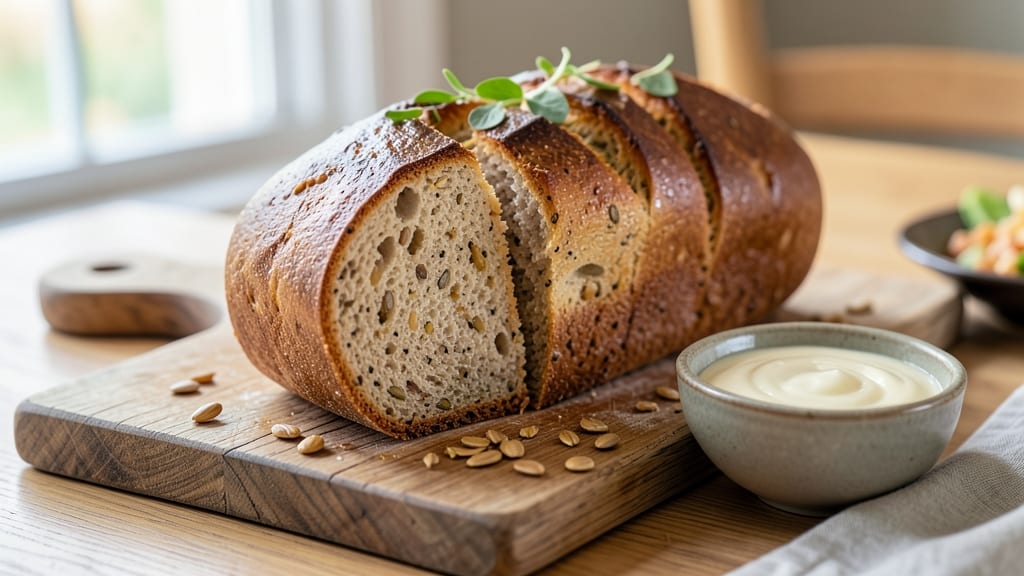
This wheat-free egg-free bread recipe delivers a surprisingly fluffy loaf that rivals traditional bread—no gluten, no eggs, and no compromises. ✨ The secret lies in a blend of almond flour, psyllium husk, and aquafaba (chickpea brine) that mimics gluten’s elasticity while keeping the texture light and airy.
I’ve perfected this recipe after years of testing, and it’s become my go-to for allergy-friendly baking that doesn’t taste like a substitute.
The magic happens in the binders: psyllium husk absorbs moisture to create structure, while aquafaba acts as a natural egg replacer, adding rise and tenderness.
You’ll need just 10 minutes of prep and 45 minutes of baking, but the result is a bread with a crisp crust and a soft, pillowy interior—ideal for toast, sandwiches, or serving with soups.
No special equipment is required, just a standard loaf pan and patience for the proofing stage.
What sets this recipe apart is its versatility—it’s vegan, gluten-free, and nut-free (if using sunflower seed flour instead of almond). The bread stays fresh for 3-4 days at room temperature or can be frozen for up to a month.
Whether you’re baking for dietary restrictions or simply exploring plant-based alternatives, this recipe proves you don’t need gluten or eggs to create a bread that’s worth slicing.
Ready to bake? The process is straightforward, but the key to success is measuring ingredients precisely and letting the dough rest before shaping. This ensures the best possible rise and texture. Let’s get started—your kitchen is about to smell like a bakery.
Ingredients for wheat free egg free bread
Fluffy, crisp-crusted loaf without wheat or eggs—just 11 simple ingredients.
| Ingredient | Amount | Notes |
|---|---|---|
| Almond Flour 🌰 | 2 ½ cups | Finely ground, unsweetened |
| Psyllium Husk Powder 🌿 | ¼ cup | Key for structure and rise |
| Aquafaba 🥫 | ¾ cup | Chickpea brine, unsalted |
| Sunflower Seed Flour 🌻 | ½ cup | Nut-free alternative to almond |
| Baking Powder 🍞 | 1 ½ tsp | Aluminum-free preferred |
| Salt 🧂 | 1 ½ tsp | Fine sea salt |
| Apple Cider Vinegar 🍏 | 1 tbsp | For acidity and rise |
| Olive Oil 🫒 | ½ cup | Extra-virgin for richness |
| Water 💧 | ¾ cup | Room temperature |
| Maple Syrup 🍁 | 2 tbsp | For subtle sweetness |
| Active Dry Yeast 🍞 | ¼ tsp | Optional for extra rise |
The almond flour is non-negotiable here—it’s the backbone of the texture (though sunflower seed flour works if nut-free is critical). Bob’s Red Mill or Anthony’s Goods brands are my go-tos for fine grind. Psyllium husk might seem intimidating, but it’s a game-changer—Frontier Co-op sells it in bulk, and you only need a quarter cup. The aquafaba? Save those chickpea brine cans—it’s the secret to that egg-free rise. If you’re using canned chickpeas, just drain and save the liquid. For the yeast, Saf-Instant is my pick—it doesn’t need proofing in warm water.
No aquafaba? Flax eggs (1 tbsp ground flax + 3 tbsp water = 1 egg) work in a pinch, but the texture won’t be identical. Short on almond flour? Oat flour (certified gluten-free) at half the amount stretches it, but the bread will be denser. The maple syrup can be swapped for agave or date syrup, but maple adds that subtle caramel note. Olive oil matters—avoid light-tasting versions; go for peppery or robust flavors. And if you’re skipping yeast, the baking powder alone will give you a tender loaf, just with less rise. The apple cider vinegar? Don’t skip it—it’s what makes the crust crisp.
This dough needs 20 minutes to rest before shaping—don’t rush it. Shape into a loaf and let it proof another 15 minutes in the pan. Bake at 350°F for 45 minutes, then cool completely before slicing (or you’ll have crumbly chaos). Stays fresh 3-4 days at room temp wrapped in a towel, or freeze slices for up to a month. Toasting revives stale slices—just like regular bread. And if you’re making a double batch, freeze the second loaf right after baking.
Why You'll Love This Recipe
- No-Fuss Mixing: I swear by this—just dump the almond flour, psyllium husk powder, and sunflower flour into a bowl, add aquafaba, and stir. The psyllium does all the heavy lifting; no kneading, no waiting for dough to rise. Honestly, I’ve made this while scrolling through my phone.
- Nutty Crunch Magic: That combo of almond and sunflower flours? It’s like a warm, toasty hug in bread form. The aquafaba keeps it tender, while the psyllium gives it that satisfying chew—no weird aftertaste, just rich, nutty goodness. I’ll be real: my kids ask for seconds before I even finish slicing.
- Weeknight Wonder: Toast it for breakfast, tear it into sandwiches, or use it as a base for open-faced meals. It keeps for days in the fridge (yes, even on a Tuesday night), so I bake a loaf on Sunday and forget about bread shopping. The psyllium also means it stays fresh—no soggy leftovers here.
- Budget-Friendly Staple: Almond flour might sound pricey, but a little goes a long way, and sunflower flour stretches it further. Plus, aquafaba is free if you save canned chickpea liquid. I’ve fed a crowd with one batch, and the cost per serving is a fraction of store-bought gluten-free bread. My wallet and my stomach thank me.
Step-by-step instructions for wheat-free egg-free bread
This fluffy, gluten-free, egg-free bread rises beautifully with the right technique.
👨🍳 Step 1: Whisk Wet Ingredients for Perfect Structure
In a large mixing bowl, combine the 0.75 cup Aquafaba with the 0.75 cup Water and 2 tbsp Maple Syrup. Whisk vigorously for 2-3 minutes until the mixture triples in volume and forms stiff peaks. You're essentially making aquafaba meringue—this creates the bread's signature lightness. The mixture should look like thick whipped cream when finished.
Next, add the 0.5 cup Olive Oil and 1 tbsp Apple Cider Vinegar to the whipped aquafaba. Mix gently with a spatula until fully incorporated. The vinegar adds subtle tang and helps with rise, while the olive oil contributes richness. Set this mixture aside while you prepare the dry ingredients.
👨🍳 Step 2: Combine Dry Ingredients for Maximum Rise
In a separate bowl, sift together the 2.5 cups Almond Flour, 0.5 cup Sunflower Seed Flour, 1.5 tsp Baking Powder, 1.5 tsp Salt, and 0.25 tsp Active Dry Yeast (if using). The yeast is optional but creates a slightly airier texture. Whisk these dry ingredients thoroughly to eliminate any lumps and ensure even distribution throughout the bread.
Now add the 0.25 cup Psyllium Husk Powder to the dry ingredients. This is the secret ingredient that mimics gluten's binding properties. Mix it in carefully—psyllium absorbs liquid quickly and can create a gummy texture if overmixed. You want it evenly distributed but not clumpy.
🥘 Step 3: Fold Wet and Dry Ingredients Gently
Gradually add the dry ingredient mixture to the wet aquafaba mixture, folding gently with a spatula. Work quickly but carefully to maintain as much air as possible. You're aiming for a thick, shaggy batter that holds its shape when spooned—it should be like thick pancake batter but with more structure. If it's too sticky, add 1-2 tablespoons of water to help bind it.
Once fully combined, let the batter rest for 10 minutes at room temperature. This resting period allows the psyllium husks to fully hydrate and the gluten substitutes to activate. During this time, preheat your oven to 350°F and line a loaf pan with parchment paper for easy removal.
🔥 Step 4: Bake for Perfect Texture and Crust
Pour the batter into the prepared loaf pan and smooth the top with a spatula. Tap the pan gently on the counter a few times to release any air bubbles. Bake in the preheated oven for 45-50 minutes, until the top is golden brown and a toothpick inserted in the center comes out clean. The bread should spring back slightly when pressed gently.
For extra browning, you can broil for 1-2 minutes at the end, but watch carefully to avoid burning. Let the bread cool in the pan for 10 minutes before transferring to a wire rack. This resting period prevents it from falling apart when sliced.
⏰ Step 5: Rest and Slice for Maximum Fluffiness
After cooling completely, remove the bread from the pan and slice it against the grain for clean cuts. The bread should have a tender crumb with a slightly crisp exterior. If you're not using it immediately, store it wrapped in a clean kitchen towel in an airtight container for up to 5 days, or freeze for up to 3 months.
This bread works beautifully for sandwiches, toast, or French toast. The subtle sweetness from the maple syrup pairs well with savory fillings, and the nut-free sunflower seed flour makes it allergy-friendly without sacrificing texture.
Pro Tips For Making Wheat Free Egg Free Bread
- STIR PSYLLIUM FIRST: Mix the psyllium husk powder with hot (not boiling) water first—it thickens like glue in seconds. I learned this the hard way after forgetting and ending up with a dry, crumbly loaf that collapsed like a sad soufflé.
- WEIGH YOUR FLOURS: Scooping almond and sunflower seed flour leads to inconsistent results. Use a kitchen scale—these flours pack differently, and even a 5-gram difference throws off texture. (Yes, I know it’s extra work, but your bread will actually hold together.)
- DON’T OVERMIX THE AQUAFABA: Whisk the aquafaba just until stiff peaks form—about 3-4 minutes max. Overbeating turns it gummy, and your bread will taste flat instead of light. I used to go overboard, thinking more = better. Spoiler: it doesn’t.
- BAKE LOW AND SLOW: Preheat to 325°F (160°C), not 350°F. This recipe’s flours burn easily, and a slower bake ensures even rise without a charred crust. I skipped this once and ended up with a loaf that looked like it survived a campfire.
Storing and reheating this wheat free egg free bread
Room-Temp Storage
Store your freshly baked loaf in an airtight container wrapped tightly in a clean kitchen towel to maintain moisture. This method keeps it fresh for 3-4 days at room temperature. The towel prevents the crust from drying out too quickly while allowing just enough airflow to preserve texture.
For extra protection, place the container in a cool, dark spot—avoid direct sunlight or heat sources. 🌟
Refrigerator Revival
If your bread starts to dry out, revive it by wrapping slices in a damp paper towel and microwaving for 10-15 seconds on high. For the whole loaf, wrap it in foil and reheat in a 350°F oven for 5-7 minutes until warmed through.
The psyllium husk helps retain moisture longer than most gluten-free breads, but this trick works wonders for stale slices. 💫
Freezer-Friendly Tips
Slice the bread before freezing for easy single-serving portions. Wrap each slice in parchment paper, then place them in a freezer bag with all air removed. Label with the date—it stays fresh for up to 3 months.
To use, toast directly from frozen in a toaster or toaster oven for 2-3 minutes on medium heat. No thawing needed! ❄️
Reviving Thawed Bread
If you’ve stored the whole loaf in the freezer, thaw it overnight in the fridge. For a quicker method, wrap the frozen loaf in foil and warm in a 325°F oven for 10-15 minutes.
Avoid the microwave—it can make the crust rubbery. Once thawed, refresh with a light brush of olive oil and toast for crispiness. 🔥
Toaster Perfection
This bread toasts beautifully—set your toaster to medium heat for 2-3 minutes per slice. For extra crunch, spray the toaster basket with olive oil spray before adding slices. The sunflower seed flour gives it a slightly nutty flavor that enhances when toasted.
If using a toaster oven, broil for 1-2 minutes at the end for a golden finish. ✨
Long-Term Freshness
For maximum shelf life, freeze half the loaf immediately after baking. The other half can be stored at room temperature for 3-4 days. When ready to use, simply slice and toast as needed.
The psyllium husk and aquafaba combo keeps the bread fresher longer than most gluten-free alternatives. Just remember: always cool completely before storing to prevent condensation from making it soggy. 💡
Nutrition facts
Frequently asked questions
Can I substitute aquafaba with another egg replacement?
Yes! If you don’t have aquafaba, use 3 flax eggs (3 tbsp ground flaxseed + 9 tbsp water) or 1/4 cup unsweetened applesauce. However, aquafaba creates the lightest texture—flax eggs will make the bread denser but still delicious. For best results, whisk the flax mixture for 5 minutes to mimic egg structure.
Why does my bread turn out dense instead of fluffy? Dense bread usually means the psyllium husk didn’t hydrate properly or the dough wasn’t rested long enough. Always let the batter sit for 10 minutes before baking, and
How do I make this nut-free?
Replace the 2.5 cups almond flour with 3 cups sunflower seed flour or a blend of 2 cups oat flour (certified GF) + 1 cup tapioca starch. The texture will be slightly denser, but still satisfying. For extra moisture, add 1 tbsp extra olive oil to the wet ingredients.
Can I add seeds or herbs to this recipe?
Fold in 2 tbsp chia seeds, sesame seeds, or fresh herbs (like rosemary or thyme) during the final mixing stage. For extra flavor, sprinkle 1/4 tsp garlic powder or 1/2 tsp onion powder into the dry ingredients. Just reduce the sunflower seed flour by 2 tbsp to keep the texture balanced.
Is this bread safe for celiac disease?
Only if you use certified gluten-free oats (if substituting) and verify all ingredients (like psyllium husk) are processed in gluten-free facilities. Cross-contamination is the biggest risk—always check labels. For absolute safety, stick to sunflower seed flour + rice flour blends and dedicated GF baking tools.