
Breakfast & Brunch
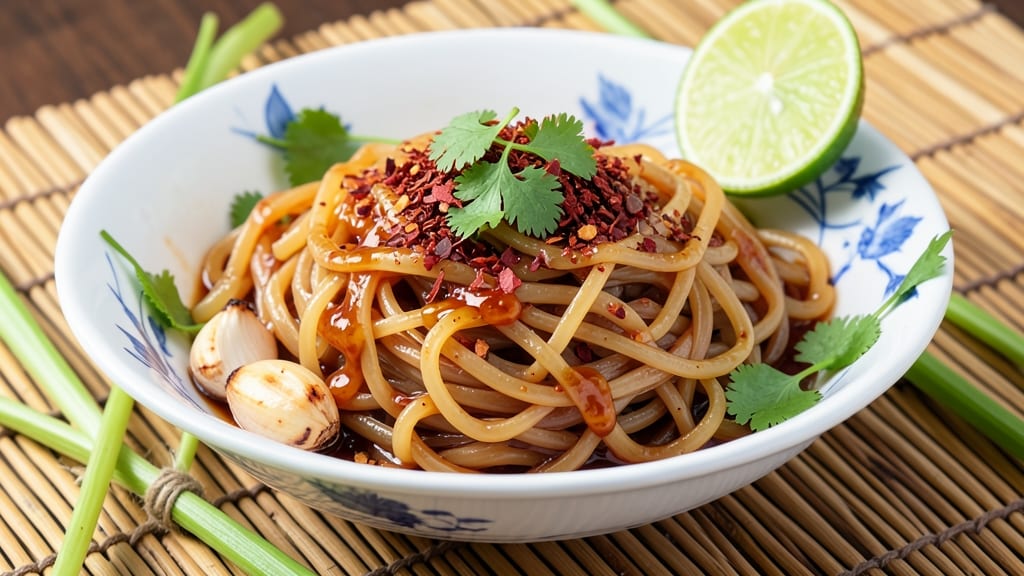
This Vietnamese egg noodles recipe brings the aromatic soul of Hanoi to your breakfast table with its signature fragrant lemongrass and chili infusion. 🌿 The secret lies in the delicate balance of fresh herbs, tender noodles, and a light broth that transforms a simple meal into a vibrant celebration of Vietnamese cuisine.
Whether you're making traditional bún or phở, this recipe captures the essence of street-side dining with every bite.
What sets this dish apart is the homemade egg noodles—thin, chewy, and perfectly al dente—paired with a bright, herb-forward broth that's infused with lemongrass, garlic, and chili.
The noodles are simple to make (or you can use store-bought for convenience), while the broth builds flavor through slow simmering, creating layers of depth that make this dish unforgettable.
By the time you assemble your bowl, you'll have a harmonious blend of textures and flavors: tender noodles, fresh herbs, crisp vegetables, and protein of your choice—all topped with a squeeze of lime for that signature tang.
The presentation is as important as the taste, with each ingredient carefully arranged for both beauty and balance.
Perfect for breakfast, lunch, or a light dinner, this recipe is versatile enough to suit any occasion. Serve it with grilled pork, shrimp, or tofu, and watch as everyone at your table reaches for seconds. Let's bring the flavors of Vietnam to your kitchen!
Ingredients for vietnamese egg noodles
Fresh herbs, fragrant lemongrass, and tender noodles create this Hanoi-inspired dish's vibrant soul.
| Ingredient | Amount | Notes |
|---|---|---|
| Egg Noodles 🍜 | 8 oz | Homemade or store-bought, thin variety |
| Fresh Lemongrass 🌿 | ½ cup | Bruised stalks, bottom 6 inches only |
| Garlic Cloves 🧄 | 8 cloves | Peeled, minced finely |
| Dried Chili Flakes 🌶️ | 1 tbsp | Adjust for heat preference |
| Fish Sauce 🍶 | 2 tbsp | Red Boat brand preferred |
| Soy Sauce 🍶 | 2 tbsp | Light or all-purpose |
| Lime Juice 🍋 | ¼ cup | Freshly squeezed |
| Fresh Thai Basil 🌿 | ½ cup | Stems removed, chopped |
| Fresh Cilantro 🌿 | 0.3 cup | Chopped, stems removed |
| Bean Sprouts 🌱 | 1 ½ cups | Fresh, rinsed |
| Carrots 🥕 | 1 whole | Julienned or matchstick cut |
| Protein Option 🦐 | 1 lb | Shrimp, pork, or tofu |
| Vegetable Oil 🫒 | 2 tbsp | For stir-frying protein |
| Salt 🧂 | 1 ½ tsp | Diamond Crystal preferred |
| White Pepper 🌶️ | ½ tsp | Freshly ground |
The lemongrass is non-negotiable—look for stalks with vibrant green leaves and firm, white bases. Asian markets usually carry the freshest, but grocery stores often stock it in the produce section. Bruise the stalks with the side of your knife before using to release those essential oils. For the fish sauce, Red Boat brand is my go-to—it's clean, potent, and free from additives. If you can't find Thai basil, regular basil with a pinch of fish sauce works in a pinch, though it won't have that same anise-like punch. The bean sprouts? Fresh is best, but frozen will work if you rinse them well after thawing.
No fresh lemongrass? Lemongrass paste from a tube (like Thai Kitchen) is a decent substitute—use about half the amount. Swapping out the fish sauce? Soy sauce plus a dash of anchovy paste gets you close, though the umami won't be identical. For the protein, shrimp cooks in 2 minutes, pork needs 5-6, and tofu stays firm no matter how long you cook it. The carrots can be baby carrots if that's what's in your fridge—just slice them thin. And if you're short on Thai basil, cilantro plus a splash of lime bridges the flavor gap.
Lemongrass keeps for 1 week in the fridge, wrapped in a damp towel. Fresh herbs stay fresh 3-4 days if you wrap them in paper towels and store in a sealed container. The noodles? Homemade last 2 weeks in the fridge or 3 months frozen—just thaw in cold water. I always make a double batch of broth because it's the base for so many dishes. Freeze it in ice cube trays for easy portions.
Why You'll Love This Recipe
- No Chopping Needed: I swear by this—just slice the lemongrass stalks into 2-inch chunks, smash them a little with the side of my knife, and toss them in. No mincing, no fuss, and the aroma alone makes the whole kitchen smell like a street-side stall.
- Umami Bomb: That fish sauce and garlic combo? Chef’s kiss. The noodles soak up the savory depth while the chili flakes add just enough heat to make every bite feel like a little reward—bright, tangy, and impossible to resist.
- Lunch or Dinner: It’s my lazy Sunday brunch fix, but also the star of my weeknight dinner rotation. Add a fried egg on top for breakfast, or pile it high with quick-pickled veggies for a light lunch. Same effort, different vibes.
- Fridge Magic: Make a big batch—it reheats like a dream. The noodles stay tender, the broth stays flavorful, and honestly? I’ve had these for lunch three days in a row without getting sick of them. Budget-friendly, too—fish sauce goes a long way.
Step-by-step instructions for Vietnamese egg noodles
Here's how to assemble this fragrant, aromatic dish with perfect balance every time.
🍳 Step 1: Prepare the Lemongrass-Garlic Base
Heat the 2 tablespoons vegetable oil in a wok or large skillet over medium-high heat until shimmering. Add the 8 cloves minced garlic cloves and 0.5 cup bruised lemongrass (cut the stalks lengthwise to expose the fragrant pith). Stir constantly for 2-3 minutes until the garlic turns golden and the lemongrass releases its citrusy aroma.
Here's the thing—don't let the garlic burn. Watch closely and reduce heat slightly if needed. The moment you smell that bright, fresh lemongrass scent, add the 1 tablespoon dried chili flakes and stir for another 30 seconds until fragrant. This aromatic base forms the flavor foundation of your noodles.
🍳 Step 2: Cook the Protein to Perfection
Push the lemongrass mixture to one side of the pan and add the 1 lb protein option (shrimp, pork, or tofu). Cook for 3-5 minutes until the protein reaches 145°F for pork/tofu or 165°F for shrimp. For shrimp, you'll see them turn opaque and curl slightly.
I like to work in batches if needed—don't overcrowd the pan or the protein will steam instead of sear. Once cooked, remove the protein to a plate and set aside. Keep the wok hot for the next step.
🥘 Step 3: Build the Signature Sauce
Return the lemongrass mixture to the center of the pan and add 2 tablespoons fish sauce and 2 tablespoons soy sauce. Stir vigorously for 1 minute to combine, then pour in 0.25 cup lime juice. The sauce should immediately brighten and become glossy.
Taste and adjust seasoning—you want a perfect balance of salty, sour, and umami. If it needs more depth, add another ½ teaspoon fish sauce. If it's too sharp, a pinch of salt will help. This is where the magic happens, so don't rush it.
🍳 Step 4: Assemble the Noodles
Bring a separate pot of water to a boil and cook the 8 oz egg noodles according to package instructions until al dente (usually 2-3 minutes). Drain and rinse briefly under cold water to stop cooking, then toss with 1 teaspoon salt. Return the noodles to the pot.
Add the cooked protein back to the wok along with the 1 whole julienned carrots, 1.5 cups bean sprouts, 0.5 cup chopped Thai basil, and 0.3 cup chopped cilantro. Toss everything together for 1-2 minutes until the vegetables are just tender-crisp and the noodles absorb the fragrant sauce.
🍽️ Step 5: Finish and Serve Immediately
Divide the noodles among bowls and drizzle with any remaining sauce from the wok. Sprinkle with 0.5 teaspoon white pepper and serve while steaming hot. The contrast of warm noodles with cool herbs and the bright citrus notes makes this dish truly special.
Real talk: Don't skip the fresh herbs at the end. They add that signature Vietnamese freshness that sets this dish apart from regular stir-fries. Garnish with extra Thai basil leaves for maximum aroma impact.
Pro Tips For Making Vietnamese Egg Noodles
- Cook Noodles Al Dente: Vietnamese egg noodles should have just a bite—overcooking turns them mushy and ruins the texture. Drop them in boiling water for 2 minutes less than the package says, then finish with a quick rinse in cold water to stop the cooking. Trust me, you’ll taste the difference when they hold their shape.
- Bruise the Lemongrass: Skip the blender—rough up the lemongrass first. Use the flat side of your knife to smash the stalks against the cutting board (yes, it looks violent, but it works). This releases the oils and aroma without turning your broth into a green slurry. Pro move: Save the tough bottom inch for stock later.
- Bloom Garlic in Oil: Don’t just toss minced garlic into the pan—let it sing. Heat 1 tablespoon oil until shimmering, then add the garlic and dried chili flakes. Cook for 30 seconds until the garlic turns golden, not brown. This step builds flavor; rushing it means bland, raw garlic biting through your broth.
- Balance Fish Sauce Slowly: Start with half the fish sauce the recipe suggests, taste, then add more. It’s easy to overdo it—especially if you’re using a strong brand—and suddenly your noodles taste like a salty brine. A squeeze of lime after the fact fixes over-salting better than you’d think. (I’ve learned this the hard way.)
Flavor customization for these flavors
Spicy Heat Boost
For those who love a kick, add 1 extra tablespoon of dried chili flakes when building the sauce or stir in 1-2 slices of fresh Thai chili (seeds removed) with the garlic.
If you prefer a smoky depth, swap ½ teaspoon chili flakes for smoked paprika—it adds complexity without overwhelming heat. For a balanced heat, I like to finish with a drizzle of sriracha or chili garlic sauce at the table. 🌶️
Herb Variations
Swap out Thai basil for mint leaves (about ¼ cup) for a refreshing twist, or add ½ cup fresh perilla leaves (shiso) for an earthy, slightly peppery note.
If you can't find Thai basil, a mix of regular basil and cilantro works, but reduce the cilantro to 0.2 cup to avoid overpowering the dish. For a bold flavor, toss in 1 tablespoon chopped lemongrass leaves with the herbs.
Sweet-Savory Fusion
Balance the bright flavors with a touch of sweetness by adding 1 teaspoon fish sauce plus 1 teaspoon sugar to the sauce, or stir in 2 tablespoons hoisin sauce at the end.
For a caramelized touch, lightly fry 1 tablespoon minced shallots until golden and sprinkle them over the dish. A drizzle of honey or coconut aminos also works beautifully for a modern twist.
Umami Depth
Boost the savory profile by adding 1 teaspoon miso paste to the sauce or stir-frying the protein with 1 tablespoon soy sauce plus 1 teaspoon oyster sauce. For extra richness, top with crumbled fried shallots or crispy fried garlic.
If you love mushrooms, add ½ cup sliced shiitake mushrooms to the stir-fry—they absorb the sauce perfectly and add a meaty texture.
Vegetarian Adaptations
For a fully plant-based version, use extra-firm tofu or tempeh as the protein and add 1 tablespoon nutritional yeast to the sauce for a cheesy, umami kick. Swap fish sauce for soy sauce plus ½ teaspoon seaweed flakes (like nori) to mimic the oceanic depth.
Garnish with avocado slices or pickled vegetables for extra freshness and crunch.
Regional Twists
For a Hanoi-style dish, keep the flavors light and herb-forward, focusing on freshness. If you're going for a Saigon-inspired version, add 1 teaspoon shrimp paste (mắm ruốc) to the sauce for a funkier, bolder profile.
For a Northern Vietnamese touch, include fermented bean sauce (mắm tôm) and top with crispy fried shallots—this adds a nutty, crunchy contrast to the tender noodles. 🗺️
Nutrition facts
Frequently asked questions
Can I use store-bought egg noodles instead of making them from scratch?
For convenience, look for thin rice noodles or egg noodles labeled as "bún" or "phở noodles" in Asian markets. They should be about 1/8-inch thick and have a delicate texture. Cook them just until pliable (usually 1-2 minutes) and rinse with cold water to stop cooking before tossing with the sauce.
How do I make this dish vegetarian?
Swap the protein for extra-firm tofu or tempeh and replace fish sauce with soy sauce plus ½ teaspoon seaweed flakes for umami depth. Add 1 tablespoon nutritional yeast to the sauce for a cheesy flavor. Garnish with avocado slices or pickled vegetables for extra freshness and texture.
What's the best way to store leftovers?
Store the noodles and sauce separately in airtight containers for up to 3 days in the fridge. Reheat the sauce separately until steaming, then toss with the noodles and fresh herbs. For best results, add fresh herbs and lime juice when serving to restore that signature brightness.
Can I make the broth ahead of time?
Yes! Simmer the lemongrass, garlic, chili flakes, fish sauce, soy sauce, and lime juice together for 10 minutes to make a concentrated broth. Store it in the fridge for up to 5 days or freeze in ice cube trays for 3 months. Thaw overnight in the fridge before using.
What's the difference between this recipe and phở?
This dish is more like bún chả or bún bò Huế—lighter and herb-forward, with thin noodles and a quick stir-fry approach. Phở uses thicker rice noodles in a rich, slow-simmered broth with beef or chicken. Both are delicious, but this version is perfect for a quick, vibrant meal with fresh ingredients.