
Breakfast & Brunch
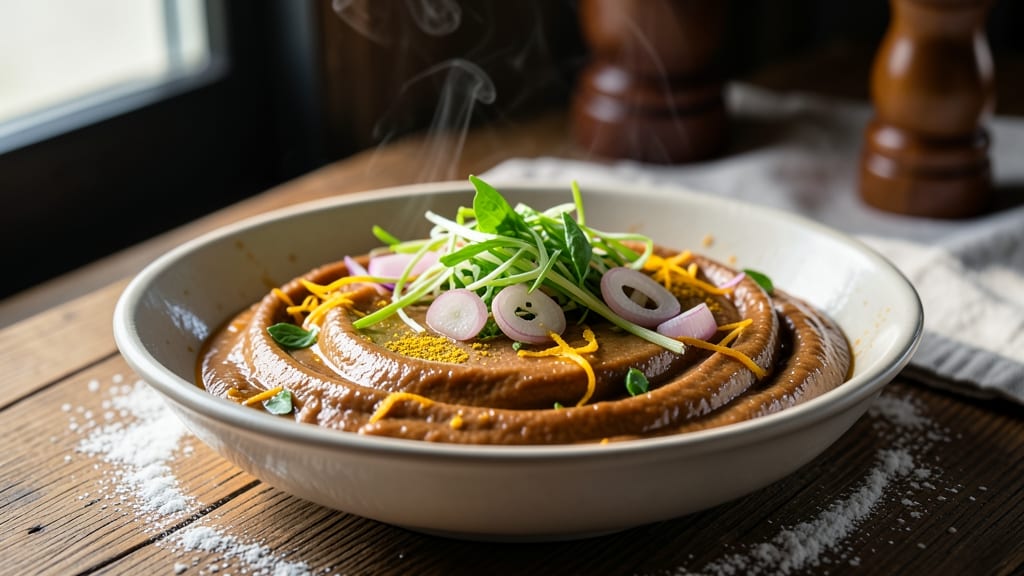
This Vietnamese egg butter recipe transforms simple ingredients into a fragrant, golden spread that’s the secret behind Vietnam’s most beloved breakfast dishes. 🌟 The magic lies in blending rich egg yolks with fragrant turmeric, lemongrass, and a touch of coconut milk—creating a creamy, aromatic butter that’s perfect for sticky rice cakes, banh mi, or even toasted bread.
I first discovered this technique while traveling in Hanoi, where street vendors used it to elevate humble rice cakes into something extraordinary.
The process is surprisingly simple yet deeply flavorful. You’ll start with a base of egg yolks, cooked until they form a thick, velvety paste, then infuse them with lemongrass, turmeric, and shallots for that signature Vietnamese warmth.
A splash of coconut milk adds richness, while a hint of sugar balances the earthy spices. The result? A spread that’s smooth, fragrant, and impossible to resist—far beyond any store-bought butter substitute.
What makes this recipe truly special is its versatility. Use it as a topping for steamed rice cakes (bánh giầy), slather it on crusty baguettes for a Vietnamese-inspired twist on bruschetta, or serve it alongside pickled vegetables and fresh herbs for a complete breakfast.
The turmeric gives it a vibrant golden hue, while the lemongrass ensures every bite is bursting with aromatic depth.
Ready in just 20 minutes, this egg butter is a game-changer for breakfast lovers. Whether you’re recreating a Hanoi street food classic or adding a new dimension to your morning routine, this recipe delivers restaurant-quality flavor with minimal effort. Let’s get cooking!
Ingredients for vietnamese egg butter
Six egg yolks, fragrant lemongrass, and golden turmeric create this Vietnamese breakfast masterpiece.
| Ingredient | Amount | Notes |
|---|---|---|
| Large Egg Yolks 🥚 | 6 whole | Fresh, room temperature preferred |
| Unsalted Butter 🧈 | 1 cup | Cold, cut into small cubes |
| Fresh Lemongrass 🌿 | 3 stems | Bruised for maximum aroma |
| Ground Turmeric 🧂 | 1 tsp | Freshly ground preferred |
| Shallots 🧅 | 2 whole | Finely minced, not chopped |
| Fresh Ginger 🧄 | 1 inch | Peeled, thinly sliced |
| Coconut Milk 🥥 | ¼ cup | Full-fat for creaminess |
| Granulated Sugar 🍚 | 1 tbsp | Adjust to taste |
| Salt 🧂 | ½ tsp | Diamond Crystal preferred |
| Fresh Chili Peppers 🌶️ | 1 whole | Thinly sliced, optional heat |
| Vegetable Oil 🫒 | 1 tbsp | For cooking butter |
The lemongrass is non-negotiable for authentic flavor—Asian markets carry the freshest stems, often sold in bundles. Look for vibrant green stalks with no brown spots. If using dried or frozen, double the amount, but fresh is ideal. Bruise the stems with the side of your knife before adding to release the aromatic oils. For turmeric, Penzeys or Trader Joe's carry high-quality ground spice, but freshly grated turmeric root (if available) adds deeper flavor. Shallots should be firm and papery-skinned—avoid any with sprouting eyes, as they'll be bitter. The ginger must be young and tender—older, fibrous ginger lacks the bright punch this recipe demands.
No lemongrass? Lemongrass paste (found in Asian grocery freezers) works in a pinch, but reduce to half the amount. Substitute shallots with 1 tbsp minced red onion if needed. For the butter, European-style unsalted (like Plugrá) has higher fat content, making the spread richer. The coconut milk can be swapped for light coconut cream if you prefer a thicker texture. Skip the chili if you dislike heat, but the bird's eye or Thai bird's eye adds that signature Vietnamese kick. Fresh ginger can be replaced with 1 tsp ground ginger, though it lacks the bright zing of fresh.
This butter keeps for 5 days in the fridge, sealed under a layer of olive oil to preserve freshness. For longer storage, freeze in ice cube trays—thaw overnight in the fridge. The flavor actually improves after 24 hours as the spices meld. Portion into small jars for easy use on banh mi, rice cakes, or toast. If the texture thickens upon reheating, simply whisk in 1 tsp warm water to restore creaminess. Always store in airtight containers to prevent absorption of fridge odors.
Why You'll Love This Recipe
- Fewer Ingredients, Bigger Impact: I swear by this recipe—just yolks, butter, lemongrass, and turmeric. No crowded pantry lists, no last-minute grocery runs. That golden spread comes from three core flavors, not a dozen.
- Umami-Packed Punch: The shallots and lemongrass caramelize into something addictive—bright, grassy, with a hint of heat from the turmeric. It’s the kind of flavor that makes you pause mid-bite, like, "Wait, how is this so good?"
- Weeknight Magic: Slather it on toast for a quick breakfast, stir into noodles for instant dinner, or drizzle over rice—it’s my secret weapon when I’m too tired to cook. Five minutes of prep, zero guilt.
- Budget-Friendly Luxury: Egg yolks and butter aren’t cheap, but this recipe stretches them further than you’d think. A small batch feeds a family, and the leftovers? Even better the next day. (Yes, I’ve tested this.)
Step-by-step instructions for Vietnamese egg butter
Transform simple ingredients into a fragrant, golden butter with vibrant turmeric and lemongrass notes.
🔥 Step 1: Infuse the Butter with Aromatics
In a medium saucepan, combine the 1 cup unsalted butter (cold cubes), 3 stems fresh lemongrass (bruised), 2 whole shallots (minced), 1 inch fresh ginger (sliced), 1 whole fresh chili peppers (sliced, optional), and 1 tbsp vegetable oil. Melt over medium-low heat, stirring occasionally for 5-7 minutes until the shallots soften and the butter begins to foam.
Watch closely as the butter transforms from solid to liquid—this is where the magic begins. The lemongrass and ginger will release their essential oils, infusing the butter with their distinctive flavors. If the butter starts to brown too quickly, reduce the heat slightly to prevent burning. Once the mixture smells intensely aromatic and the shallots are translucent, remove from heat.
👨🍳 Step 2: Build the Flavor Base
Return the pan to medium heat and add the 1 tsp ground turmeric and 1 tbsp granulated sugar. Stir constantly for 1-2 minutes until the turmeric dissolves completely and the mixture develops a vibrant golden hue. This step is crucial—it ensures the turmeric distributes evenly and enhances the butter's natural sweetness.
Here's the thing—turmeric can be stubborn. If you see any undissolved specks, increase the heat slightly and whisk vigorously for another 30 seconds. The sugar will help balance the earthy turmeric and create a subtle caramelized depth. Once fully incorporated, reduce the heat to low and let the mixture simmer gently for 2 minutes to meld all the flavors.
🥘 Step 3: Temper the Egg Yolks
In a separate bowl, whisk together the 6 whole large egg yolks and 0.25 cup coconut milk until smooth. Slowly ladle about ½ cup of the hot butter mixture into the egg yolks while whisking continuously. This tempering process prevents the eggs from scrambling and creates a silky emulsion.
I always do this gradually—adding the hot butter too quickly can curdle the eggs. You'll know you're doing it right when the mixture thickens slightly but remains pourable. Once fully incorporated, return the entire mixture to the pan and cook over low heat for 3-4 minutes, stirring constantly, until it thickens to a creamy consistency.
⏰ Step 4: Finish and Strain for Perfection
Remove from heat and stir in the 0.5 tsp salt. For the smoothest texture, strain the butter through a fine-mesh sieve into a clean bowl to remove any lemongrass fibers or shallot bits. The butter should now be a rich, golden color with a fragrant aroma that combines turmeric's warmth, lemongrass's citrusy brightness, and ginger's subtle spice.
Let it cool slightly before using—this allows the flavors to fully develop. The butter will thicken as it cools, creating that perfect spreadable consistency. Store any leftovers in an airtight container in the refrigerator for up to 1 week, or freeze for longer storage. This butter shines on steamed rice, grilled meats, or even as a topping for fresh fruit.
Pro Tips For Making Vietnamese Egg Butter
- STRAIN THE YOLKS: Whisk the egg yolks first, then strain them through a fine-mesh sieve into your butter mixture—this removes any stubborn bits of membrane or thin whites that can make your butter grainy. I learned this the hard way after ending up with a lumpy batch that looked like it had been through a blender instead of a saucepan.
- COOK LOW AND SLOW: Simmer the butter-yolk mix over the lowest heat you can tolerate—even if it takes 20 minutes instead of 10. Rushing it turns the butter into scrambled eggs instead of a glossy, golden paste. I used to rush it, and the texture was always off until I stopped peeking at the clock.
- TOAST THE SHALLOTS: Dry-toast the minced shallots in butter for 3-4 minutes before adding the yolks—they’ll deepen in color and flavor, giving your butter that nutty, caramelized depth. Skip this, and your butter will taste like it’s missing something, even if all the other steps are perfect.
- USE FRESH LEMONGRASS STALKS: Scrape the lemongrass stalks with the flat side of your knife to release the oils, then finely mince the pale inner part—discard the tough outer layers. Dried lemongrass won’t cut it here; the fresh version’s citrusy punch is what makes this butter taste authentically Vietnamese. (Yes, even if you’re using it in a sauce later.)
Storing and reheating your vietnamese egg butter
Fridge Storage Tips
Store your Vietnamese egg butter in an airtight container with a layer of olive oil on top to preserve freshness and prevent oxidation.
The butter will keep in the refrigerator for up to 5 days, though I’ve found the flavors actually deepen after 24 hours as the spices meld together. Use a small glass jar for portion control—it’s perfect for spreading on banh mi or rice cakes. 💛
Freezing for Later
For longer storage, freeze the egg butter in ice cube trays or small portions in silicone molds. Once frozen, transfer the cubes to a freezer-safe bag with all air removed to prevent freezer burn.
Thaw overnight in the fridge before using—this maintains the creamy texture. The butter will last up to 3 months in the freezer without losing its vibrant turmeric color or aromatic depth.
Reheating Like a Pro
If your egg butter thickens after refrigeration, simply whisk in 1 teaspoon warm water to restore its silky consistency. For a quick reheat, place the jar in a bowl of warm water for 2-3 minutes—this gently melts the butter without scrambling the eggs.
Avoid microwaving, as it can create a grainy texture. Stir well before using to ensure even distribution of the flavors. ✨
Preserving Freshness
To keep your egg butter tasting fresh, always store it in airtight containers and avoid exposing it to strong fridge odors. If the top forms a skin, gently whisk it back into the mixture before using.
The butter’s rich, golden hue and fragrant aroma are your best indicators of freshness—if it smells dull or tastes flat, it’s time to make a fresh batch. Trust me, it’s worth the effort! 🌟
Portioning for Convenience
Divide the egg butter into small jars or containers for easy access. A 2-tablespoon portion is perfect for spreading on toast or rice cakes, while a 1-tablespoon serving works well for drizzling over noodle soups.
Label the containers with the date to track freshness—this helps you use it up before it loses its vibrant flavor. I like to keep one jar in the fridge and one in the freezer for quick breakfasts. 🥣
Nutrition facts
Frequently asked questions
Can I use this egg butter for dishes beyond breakfast?
While it’s perfect for banh mi or rice cakes, this butter shines in savory dishes too. Try it as a finishing sauce for grilled meats like lemongrass pork, drizzled over noodle soups (pho or bun bo hue), or even mixed into spring rolls for extra richness. The turmeric and lemongrass add a fragrant depth that elevates any dish.
What if I can't find fresh lemongrass?
No problem! Use lemongrass paste (found in Asian grocery freezers) or 1 tbsp lemongrass extract as a substitute. For a milder flavor, combine ½ tsp lemongrass powder with ½ tsp lime zest—it won’t be identical, but it’ll still add aromatic brightness. If using paste, reduce the amount by half since it’s more concentrated.
Why did my egg butter separate or curdle?
This usually happens if the eggs were added too quickly to the hot butter. To fix it, whisk in 1 teaspoon warm water or a splash of coconut milk to re-emulsify. For prevention, always temper the yolks slowly by adding hot butter gradually while whisking constantly. If it’s already separated, strain it through a fine-mesh sieve to salvage the smooth butter base.
Can I make this recipe without coconut milk?
Yes! Replace the ¼ cup coconut milk with an equal amount of heavy cream or half-and-half for a lighter texture. The coconut milk adds richness and balances the turmeric’s earthiness, but dairy alternatives work well too. Just note the flavor will be slightly less tropical—though still delicious.
How can I make this butter spicier?
Add ½ teaspoon red pepper flakes or 1-2 thin slices of fresh chili (like Thai bird’s eye) while cooking the butter. For smoky heat, stir in ½ teaspoon smoked paprika at the end. If you love heat, taste as you go—start with less and adjust to your preference.