
Salads
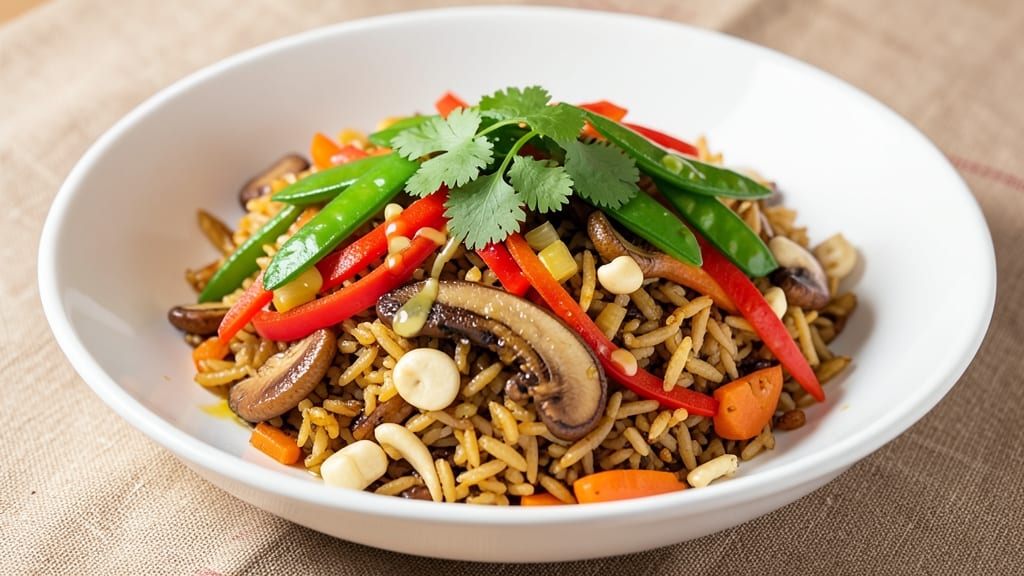
This very veggie fried rice recipe transforms 10 colorful vegetables into a wok-tossed masterpiece that rivals any takeout order. The secret lies in proper prep—julienning, blanching, and stir-frying each veggie at its ideal doneness to preserve texture and maximize flavor.
I've perfected this method over years of testing, ensuring every bite delivers crisp-tender vegetables in a fragrant, umami-rich rice base.
What sets this recipe apart is the balance: 10 vegetables (including bell peppers, carrots, snap peas, and mushrooms) compete for space without overwhelming the dish. The rice—day-old, preferably—absorbs the wok's aromatics while maintaining its structure, creating a satisfying chew.
A simple soy-ginger-garlic sauce ties everything together with just the right amount of saltiness and brightness.
By the time you're done, you'll have a vibrant, protein-packed dish that's as nutritious as it is delicious. The vegetables stay crisp-tender thanks to high-heat stir-frying, while the rice develops a subtle toastiness from the wok.
This is the kind of fried rice that makes vegetarians ask for seconds and converts skeptics with its depth of flavor.
The best part? This recipe scales perfectly for meal prep or feeding a crowd. Double the ingredients and store leftovers for up to 3 days—if they last that long. Let's get cooking with this restaurant-quality veggie fried rice that proves plant-based meals can be just as satisfying as meat-heavy versions.
Ingredients for very veggie fried rice
Ten vibrant vegetables meet perfectly balanced wok aromatics in this restaurant-quality vegetarian fried rice.
| Ingredient | Amount | Notes |
|---|---|---|
| Day-Old Jasmine Rice 🍚 | 3 cups | Uncooked weight equivalent, cooled completely |
| Red Bell Peppers 🌶️ | 2 whole | Julienned into thin strips |
| Yellow Onions 🧅 | 1 ½ cups | Finely diced, about 1 large |
| Carrots 🥕 | 2 cups | Julienned into matchsticks |
| Snap Peas 🌱 | 1 cup | Trimmed, blanched 1 minute |
| Shiitake Mushrooms 🍄 | 8 whole | Stems removed, sliced thin |
| Green Onions 🧅 | ½ cup | Thinly sliced, white and green parts |
| Garlic Cloves 🧄 | 6 cloves | Minced, about 1 tbsp |
| Fresh Ginger 🌿 | 1 tbsp | Finely grated, about 1 inch piece |
| Vegetable Oil 🫒 | 3 tbsp | High smoke point preferred |
| Soy Sauce 🍶 | ½ cup | Low-sodium preferred |
| Sesame Oil 🫒 | 1 tbsp | Toasted, for finishing |
| Salt 🧂 | 1 tsp | Diamond Crystal kosher salt |
| Black Pepper 🌶️ | ½ tsp | Freshly ground preferred |
| Sesame Seeds 🌰 | 1 tbsp | Toasted, for garnish |
The vegetables are the stars here, so prioritize freshness and texture. Shiitake mushrooms should be firm with no sliminess, and snap peas should snap when bent. For the bell peppers, Trader Joe's or Whole Foods carry the sweetest varieties. Carrots should be uniformly orange with no green tops—organic or conventional works fine. The ginger and garlic? Freshly grated and minced make all the difference in flavor development. If you're prepping ahead, julienne the vegetables and store in airtight containers for up to 2 days—just don't wash them until ready to cook.
No snap peas? Snow peas or sugar snap peas work equally well, though you'll need to adjust cooking time slightly. Substituting red onion for yellow changes the color but not the flavor profile significantly. For the soy sauce, Kikkoman is reliable, but San-J offers a deeper umami punch. If you're avoiding gluten, use tamari instead—just reduce the amount slightly since it's more concentrated. The sesame oil matters here: toasted sesame oil adds nutty depth, while regular sesame oil is more neutral. Don't skip the toasted sesame seeds on top—they provide both texture and aroma.
This dish reheats beautifully—2-3 minutes in a wok or skillet restores that wok-tossed crunch. For meal prep, portion into airtight containers and store for up to 3 days in the refrigerator. Freezing isn't recommended as it dulls the vegetable textures. The rice develops better flavor when made a day ahead, so plan accordingly. If you're feeding a crowd, double the vegetables and triple the sauce components—this recipe scales perfectly while maintaining balance. The sesame seeds and oil should always be added fresh after reheating to preserve their aromatic qualities.
Why You'll Love This Recipe
- No Chopping Nightmare: I swear by this—just dice the bell peppers and onions once before the week starts. Those prepped veggies sit in the fridge, ready to transform into fried rice faster than you can say "microwave dinner." (Yes, even on a Tuesday night.)
- Sweet-Savory Magic: That caramelized onion base? Chef’s kiss. The snap peas add a bright crunch, while the jasmine rice soaks up every bit of flavor like a sponge. It’s the kind of balance that makes you want to eat it straight from the wok.
- Lunchbox Hero: Between us, this is my go-to for meal prep. Pack it in containers, and it stays fresh for days—no soggy rice here. My kids actually finish their lunches, and that’s saying something.
- Pantry Staple Power: Honestly, you’re probably already buying these ingredients. The onions, carrots, and bell peppers? They last forever, and this recipe turns them into something ridiculously good before they go bad. Zero waste, all flavor.
Step-by-step instructions for wok-tossed vegetable fried rice
This method transforms day-old rice into a vibrant, textured dish with perfect balance between crunch and tenderness.
Prepare All Vegetables for Even Cooking
Start by blanching the 1 cup snap peas in boiling water for 1 minute, then immediately shock in ice water. Drain well and set aside. For the 2 whole red bell peppers, julienne into thin strips—this ensures they soften quickly without turning mushy. Finely dice the 1.5 cups yellow onions and slice the 8 shiitake mushrooms stems removed into thin strips. Thinly slice the 0.5 cup green onions and separate the white and green parts for garnish later.
Mince the 6 cloves garlic and grate the 1 tbsp fresh ginger—these aromatics should be finely textured so they cook quickly and infuse flavor without becoming bitter. Keep all prepped vegetables in separate containers until ready to use. The key here is uniform size: smaller pieces cook faster and prevent uneven texture in your finished dish.
Heat the Wok and Sear the Vegetables in Stages
Heat a wok or large skillet over high heat until smoking, then add 2 tbsp vegetable oil. Working in batches to avoid crowding, add the 2 cups julienned carrots and 1.5 cups diced yellow onions. Stir-fry for 2-3 minutes until the onions become translucent and the carrots begin to soften at the edges. Remove and set aside in a bowl.
In the same wok, add another 1 tbsp vegetable oil and add the 2 whole red bell peppers and 8 sliced shiitake mushrooms. Cook for 3-4 minutes until the mushrooms release their moisture and the peppers begin to soften. Return the carrots and onions to the wok and toss together. The vegetables should now be tender-crisp with vibrant color—this is your base flavor foundation.
Incorporate Aromatics and Season the Rice
Push the vegetable mixture to one side of the wok and add the remaining 1 tbsp vegetable oil. Add the minced 6 cloves garlic and 1 tbsp grated ginger, stirring constantly for 30 seconds until fragrant but not browned. Immediately add the 3 cups day-old jasmine rice, breaking up any clumps with your spatula.
Pour the 0.5 cup soy sauce and 1 tsp salt over the rice, tossing vigorously to coat every grain. Sprinkle with 0.5 tsp black pepper and continue tossing for 2-3 minutes until the rice becomes evenly coated and begins to sizzle. The rice should look glossy and well-mixed—this ensures maximum flavor absorption and prevents dryness.
Finish with Snap Peas and Sesame Oil
Add the blanched 1 cup snap peas to the wok and toss everything together for 1-2 minutes until the peas are heated through and the rice is evenly distributed. Reduce heat to medium and drizzle in 1 tbsp sesame oil, tossing gently to coat. The oil should integrate smoothly without making the dish greasy—this adds nutty depth and balances the soy sauce's saltiness.
Taste and adjust seasoning if needed, adding a splash of water if the rice appears too dry. Transfer the fried rice to serving plates and garnish with the reserved green onion whites and 1 tbsp toasted sesame seeds. Serve immediately while still hot and slightly crispy around the edges.
Pro Tips For Making Very Veggie Fried Rice
- STIR-FRY IN BATCHES: Don’t dump all your veggies in at once—cook onions first until soft and translucent (about 3 minutes), then remove them to a bowl. Add bell peppers and carrots in the next batch, stir-frying until slightly blistered but still bright. Snap peas go in last—they cook in under a minute. This keeps everything crisp-tender and prevents soggy carrots hiding at the bottom.
- CUT ONIONS THIN: I used to slice onions into thick half-moons, and they’d turn mushy before the rice was done. Now I dice them into ¼-inch cubes—they soften faster, caramelize better, and blend into the rice without chunks. A sharp knife and quick cross-chops make this easy (yes, even if you’re impatient like me).
- USE COLD RICE: Let your day-old rice cool completely before stirring it into the pan—room temp rice steams instead of searing. Spread it on a tray and refrigerate for 30 minutes if it’s still warm. Cold rice also clumps less when you toss it, giving you those perfect, separate grains.
- SALT THE RICE: Toss your cold rice with ½ teaspoon salt per cup before adding it to the pan. This seasons the grains evenly and cuts through the bitterness of overcooked veggies. I learned this the hard way—plain fried rice tastes bland no matter how much soy sauce you add later.
Wine and beer pairings for very veggie fried rice
Crisp White Wine Pairings
A Sauvignon Blanc from New Zealand—like Kim Crawford or Oyster Bay—is my go-to for this dish. Its bright acidity and citrus notes cut through the richness of the fried rice while complementing the ginger and garlic aromatics.
Serve it slightly chilled (45-50°F) to refresh your palate between bites. 🍷
Light Beer Complements
For beer lovers, a Japanese lager such as Asahi Super Dry or Sapporo works beautifully. The crisp, clean profile enhances the vegetable flavors without overpowering them. Alternatively, a wheat beer like Blue Moon adds a subtle sweetness that pairs well with the snap peas and carrots.
Keep the beer well-chilled (38-42°F) for the best experience.
Rosé for Versatility
A dry Provence rosé—such as Whispering Angel or Miraval—brings a touch of elegance to the meal. Its red fruit flavors and crisp finish balance the umami-rich soy sauce and sesame oil beautifully. Serve it slightly cooler than room temperature (50-55°F) to highlight its refreshing qualities.
Non-Alcoholic Options
Don’t overlook sparkling water with lemon or ginger beer (like BrewDog Ginger Beer) for a refreshing non-alcoholic pairing. The effervescence cleanses your palate, while the ginger enhances the dish’s aromatic profile.
For a sweeter touch, try lychee iced tea—its floral notes complement the bell peppers and mushrooms. ✨
Flavor Harmony Tips
If you’re serving multiple pairings, start with the lighter options (like the Sauvignon Blanc or wheat beer) and move to bolder choices (such as rosé) as the meal progresses.
This ensures each sip enhances the dish rather than competes with it. Trust me, the right pairing can elevate your fried rice from delicious to unforgettable!
Nutrition facts
Frequently asked questions
Why does the recipe call for day-old rice?
Day-old rice is essential because it's drier and separates more easily when stir-fried, preventing a gummy texture. Freshly cooked rice contains too much moisture, which can make your fried rice mushy. Plus, the slightly stale texture helps it absorb flavors better during cooking!
Can I substitute any of the 10 vegetables?
Swap snap peas for bok choy or broccoli florets, or replace mushrooms with water chestnuts for extra crunch. Just adjust cooking times—harder veggies like carrots and bell peppers should be pre-softened slightly. The key is maintaining a colorful, textured mix to keep the dish visually appealing.
How do I prevent the rice from turning out dry?
Use day-old jasmine rice (not fresh) and keep your wok at high heat throughout cooking. If needed, add 1-2 tablespoons of water or vegetable broth while tossing to restore moisture. The soy sauce also helps maintain balance, but don't overcrowd the pan—cook in batches if necessary.
Can I make this gluten-free?
Yes! Replace the soy sauce with tamari or coconut aminos (use slightly less since they're more concentrated). Also check your sesame oil and oyster sauce (if adding) for hidden gluten. The flavor profile remains rich and umami-packed without compromising texture. Always verify labels on packaged ingredients.
What's the secret to getting crispy edges on the vegetables?
High heat is your best friend! Use a well-seasoned wok or cast-iron skillet and maintain high heat throughout the stir-frying process. Cook vegetables in small batches to prevent steam buildup, which softens them. The final toss with sesame oil adds that signature wok-hei aroma and slight crispiness.