
Breakfast & Brunch
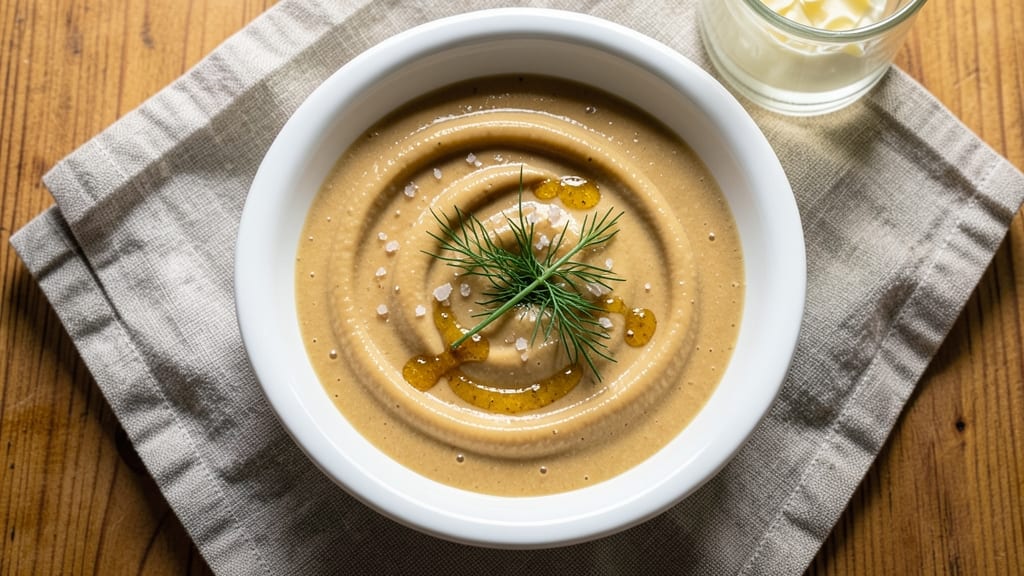
This vegan egg mayo recipe transforms simple pantry staples into a silky, emulsified sauce that mimics classic egg mayo without a single animal product. The secret lies in aquafaba—the liquid from canned chickpeas—which binds with neutral oil to create that signature creamy texture.
I developed this recipe after years of perfecting plant-based alternatives, and it never curdles or separates, even when stored for days.
The base is built on three key ingredients: aquafaba (the magic emulsifier), neutral oil (like avocado or canola), and a touch of apple cider vinegar for subtle tang. Unlike store-bought vegan mayos, this version stays light and fresh-tasting, with no artificial aftertaste.
The process is straightforward—just blend, then gradually whisk in oil while maintaining steady motion to achieve that velvety consistency.
What you’ll end up with is a versatile, neutral-flavored sauce perfect for sandwiches, salads, or dips. It spreads like traditional mayo but holds up to bold flavors—think avocado toast, veggie burgers, or potato salad—without overpowering.
The best part? It keeps for up to a week in the fridge, making it a pantry staple for any plant-based kitchen.
For extra richness, stir in a pinch of salt or a splash of lemon juice. This isn’t just a substitute—it’s a game-changer for anyone who’s ever missed the creaminess of egg mayo. Let’s make it.
Ingredients for vegan egg mayo
Eight pantry staples transform into velvety vegan mayo without curdling or artificial aftertaste.
| Ingredient | Amount | Notes |
|---|---|---|
| Aquafaba 🥫 | ½ cup | Liquid from canned chickpeas |
| Neutral Oil 🫒 | 1 cup | Avocado or canola preferred |
| Apple Cider Vinegar 🍎 | 1 tbsp | For subtle tang balance |
| Salt 🧂 | ½ tsp | Diamond Crystal preferred |
| Mustard 🌶️ | 1 tsp | Dijon for depth of flavor |
| Sugar 🍚 | ½ tsp | White granulated preferred |
| Lemon Juice 🍋 | 1 tsp | Freshly squeezed for brightness |
| Canned Chickpeas 🌾 | 1 can | For aquafaba extraction |
The aquafaba is non-negotiable here—low-sodium canned chickpeas yield the best results. Trader Joe's and Whole Foods carry high-quality chickpeas, but any organic brand works. Drain the can completely, then whisk the liquid vigorously for 30 seconds to create a foamy texture—this is your emulsifier. The neutral oil must be refined, not extra-virgin, to avoid bitterness; Avocado oil is ideal for its mild flavor and high smoke point. Store-bought aquafaba works in a pinch, but homemade yields superior stability.
No aquafaba? Silken tofu blended to a smooth purée mimics the protein structure, though texture will differ slightly. Substitute apple cider vinegar with white vinegar or lemon juice, but reduce to 1/2 tablespoon to avoid sharpness. Mustard can be omitted entirely for a neutral profile, or swap in 1/2 teaspoon vegan mayo powder for depth. For sweetness, maple syrup or agave work at a 1:1 ratio, though sugar achieves the cleanest flavor. The lemon juice is optional but enhances freshness—bottled works, but freshly squeezed brightens the sauce significantly.
This vegan mayo holds for 7 days refrigerated in an airtight container, though it thickens slightly over time—simply whisk in 1-2 teaspoons water to restore consistency. For long-term storage, freeze in 1-tablespoon portions using ice cube trays; thaw overnight in the fridge. The sauce thickens when cold, so always let it sit at room temperature for 5 minutes before using. To prevent curdling during storage, press plastic wrap directly onto the surface before sealing.
Why You'll Love This Recipe
- Pantry Magic: I’ll never buy store-bought mayo again—this uses aquafaba (yes, chickpea water!) and a few basics I already have. No weird ingredients, no extra shopping trips.
- Tangy Kick: That apple cider vinegar cut? Chef’s kiss. It brightens the richness, and the mustard adds just enough bite to keep it interesting—way better than bland vegan mayo I’ve tried.
- Sandwich Game-Changer: Slather it on toast with avocado, toss it with pasta, or drizzle it over salads. It’s my go-to for quick lunches, and honestly? It’s the only mayo my non-vegan friends actually ask for.
- Costs Pennies: A cup of aquafaba costs less than $0.50, and the rest is pantry staples. I make a big batch and keep it for weeks—no waste, no guilt, just endless flavor for almost nothing.
Step-by-step instructions for silky vegan mayo
This method delivers restaurant-quality vegan mayo with perfect emulsification every time.
Extract and Whip the Aquafaba
Open the can of chickpeas and drain the liquid into a measuring cup, using the 0.5 cup of aquafaba. Transfer this to a clean, dry mixing bowl—any moisture will dilute your mayo. Using a hand mixer or stand mixer fitted with the whisk attachment, beat the aquafaba on high speed for 5-7 minutes until it forms stiff, glossy peaks.
You'll notice the mixture start as thin and foamy, then gradually thicken into meringue-like consistency. This step is critical—if you rush it, your mayo won't emulsify properly. The aquafaba should hold its shape when the whisk is lifted, like whipped cream. If it doesn't, whip for another 2 minutes until fully stabilized.
Gradually Incorporate the Neutral Oil
With the mixer running on low speed, begin adding the 1 cup neutral oil in a very slow, thin stream. Start with just 1 teaspoon at a time, allowing each addition to fully incorporate before adding more. This gradual process prevents the oil from breaking the emulsion.
After about 5 minutes, the mixture should begin to thicken noticeably. You're looking for a smooth, creamy texture that coats the back of a spoon. If the mixture suddenly curdles or separates, stop immediately, add 1 tablespoon apple cider vinegar, and whisk vigorously for 30 seconds before continuing. The key is patience—rushing this step is the number one cause of failed vegan mayo.
Add Flavorings and Stabilize the Emulsion
Once all the oil is incorporated, add the 1 tablespoon apple cider vinegar, 1 teaspoon Dijon mustard, 0.5 teaspoon salt, 0.5 teaspoon sugar, and 1 teaspoon lemon juice. Mix on medium speed for 1-2 minutes until all ingredients are fully combined and the mixture reaches room temperature.
The vinegar acts as an emulsifier, helping bind the oil and aquafaba together. The mustard adds depth of flavor while also contributing to the emulsion's stability. Taste and adjust seasoning if needed—you may want to add a pinch more salt or sugar depending on your preference. The final texture should be smooth, thick, and perfectly creamy, with no visible separation.
Rest and Adjust Consistency
Transfer the finished mayo to a clean jar or airtight container. Let it rest at room temperature for 10-15 minutes before using. This resting period allows any minor separation to re-emulsify naturally. If the mayo is too thick after resting, thin it with 1-2 teaspoons water at a time until reaching your desired consistency.
For best results, store in the refrigerator for up to 1 week. Before using, give it a quick whisk to restore any natural separation that may occur during storage. This vegan mayo works perfectly in sandwiches, salads, wraps, and as a dip—its rich, creamy texture rivals traditional egg mayo while being completely plant-based.
Pro Tips For Making Vegan Egg Mayo
- Whisk Aquafaba Cold: Skip heating the aquafaba—whisk it straight from the can at room temperature. I learned this the hard way after overcooking batches and ending up with a gummy mess. Cold aquafaba emulsifies cleaner and holds its shape better when mixed with oil.
- Use Vinegar Gradually: Drizzle the apple cider vinegar in slowly while whisking, not all at once. The acidity cuts through the oil, but too much too fast will break the emulsion. Start with half, taste, then adjust—this keeps the mayo bright and stable.
- Salt Before Mixing Mustard: Add the salt directly to the aquafaba before blending in the mustard. This ensures even distribution and prevents clumping. I used to mix the mustard first, and the salt would pool—now it’s smooth every time.
- Chill Before Serving: Refrigerate the mayo for at least 30 minutes before using it. Cold temperatures tighten the emulsion, making it thicker and more stable. Serving it warm? You’ll regret it—it’ll separate faster than you can say "sandwich."
Serving suggestions for this dish
Sandwich Spread
This vegan mayo shines as the star of classic sandwiches, replacing traditional mayo with a plant-based alternative that doesn’t compromise on creaminess. Spread it generously on toasted sourdough or rye bread—I love pairing it with turkey or vegan deli slices, crisp lettuce, and tomato slices.
For a Southern-inspired twist, add sliced pickles and avocado to create a vegan version of a classic BLT. The neutral flavor lets the other ingredients shine while adding that signature mayo richness. 🥪
Salad Dressing
Use it as a base for creamy salad dressings that won’t overpower greens. Mix 2 tablespoons of this vegan mayo with 1 tablespoon apple cider vinegar, 1 teaspoon maple syrup, and a pinch of black pepper for a tangy, creamy dressing.
Toss with arugula, cucumber slices, and cherry tomatoes for a refreshing side. It also works beautifully with kale salads when combined with a splash of lemon juice and olive oil. The texture stays intact even after mixing, so no curdling to worry about.
Dipping Sauce
Transform it into a versatile dip for veggie sticks, fries, or even spring rolls. Stir in 1 teaspoon sriracha or hot sauce for a spicy kick, or mix with 1 tablespoon soy sauce and 1 teaspoon grated ginger for an Asian-inspired flavor.
I love using it as a hummus dip by blending it with chickpeas and tahini. The creamy texture makes it perfect for dipping carrot sticks, celery, or crudités. It’s also great for onigiri or sushi rolls when combined with a touch of rice vinegar.
Baking & Binding
This vegan mayo isn’t just for eating—it’s a fantastic binder in vegan baking. Use it to replace eggs in vegan deviled eggs (swap in silken tofu for the "yolk" filling) or as a glaze for tofu or tempeh before baking.
Mix 2 tablespoons into vegan cookie dough for extra moisture, or brush it on breadcrumbs before coating vegan nuggets for a crispy finish. The emulsified texture helps hold ingredients together, making it ideal for vegan meatballs or burgers that need a cohesive bind.
Breakfast Boost
Elevate your morning routine by using this vegan mayo in breakfast dishes. Spread it on toasted bagels with smoked salmon or vegan lox, or mix it into vegan scrambled tofu for extra creaminess.
It’s also perfect for avocado toast—just drizzle it over mashed avocado and sprinkle with everything bagel seasoning. For a protein-packed breakfast, blend it into smoothie bowls or use it as a topping for pancakes with a drizzle of maple syrup.
The neutral flavor pairs beautifully with both sweet and savory breakfast ingredients.
Global Flavors
Get creative with international flavors by infusing this vegan mayo with global spices. For a Japanese-inspired twist, mix in 1 teaspoon soy sauce, ½ teaspoon sesame oil, and 1 teaspoon grated ginger. For a Mediterranean vibe, add 1 teaspoon za’atar and a pinch of sumac.
A Mexican-inspired version calls for ½ teaspoon cumin, ½ teaspoon smoked paprika, and a dash of lime juice. These variations make it perfect for tacos, quesadillas, or as a dip for plantain chips.
The possibilities are endless, and the base mayo keeps the texture silky no matter the flavor profile. 🌍
Nutrition facts
Frequently asked questions
Can I use store-bought vegan mayo as a shortcut?
While store-bought options work, this homemade version offers superior texture and flavor control. Most commercial vegan mayos contain thickeners or stabilizers that alter the natural creaminess. Plus, you can customize this recipe with global flavors or adjust consistency to your preference—something pre-made can't match.
Why does my vegan mayo separate when I add oil too fast?
The emulsion breaks when oil overwhelms the aquafaba's ability to bind it. Always add oil in a thin, slow stream while mixing on low speed. If separation happens, immediately add 1 tablespoon apple cider vinegar and whisk vigorously for 30 seconds to restore the emulsion.
How do I make this mayo spicier or sweeter?
For heat, stir in ½ teaspoon cayenne or 1 teaspoon hot sauce per batch. For sweetness, add ½ teaspoon maple syrup or 1 teaspoon fruit jam (like raspberry) for a fruity twist. The aquafaba base handles both flavor additions beautifully without altering the creamy texture.
Can I use this mayo in hot dishes like baked potatoes?
Not recommended—this vegan mayo is best for room-temperature or cold applications. When heated above 120°F, the aquafaba emulsion can break down, causing separation. For hot dishes, consider a vegan aioli made with silken tofu instead, which handles heat better.
What's the best way to use up leftover aquafaba?
Don't waste it! Use any extra aquafaba to make vegan meringues (bake at 250°F for 2-3 hours) or as an egg substitute in baking (replace 1 egg with 3 tablespoons). It also works as a glaze for roasted veggies when mixed with spices.