
Breakfast & Brunch
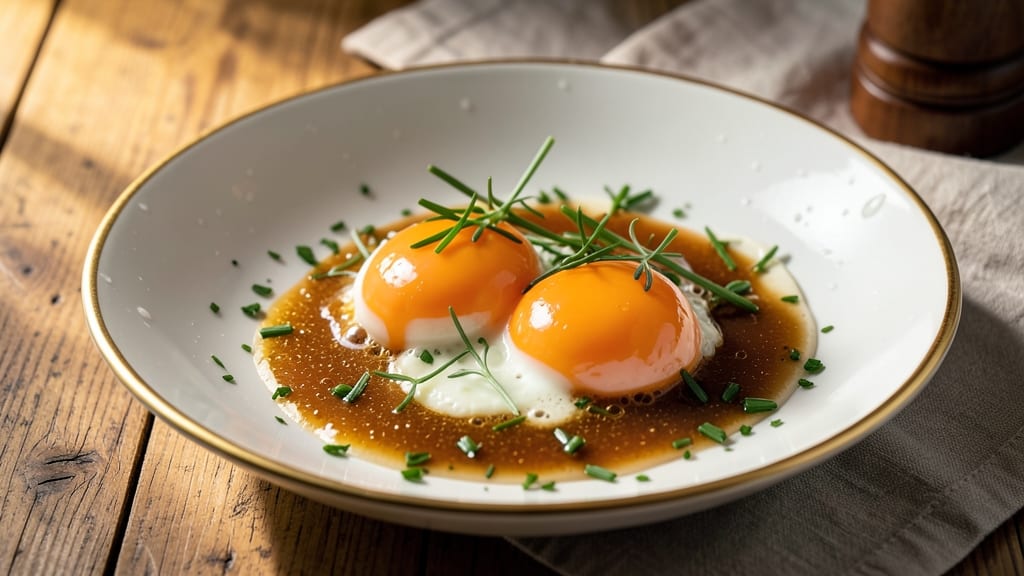
A two egg yolks recipe transforms into luxurious poached yolk clouds when paired with herbed butter glaze—this dish redefines breakfast elegance. The secret lies in gentle simmering and precise timing to create a silky, golden center that melts onto toast or pasta. I developed this technique after years of experimenting with French-style preparations, refining it until every bite delivers restaurant-quality richness at home.
What makes this recipe special is the balance of textures: tender poached yolks contrast beautifully with the herbed butter glaze's subtle crunch and aromatic depth. The method is surprisingly simple—just two yolks, high-quality butter, and fresh herbs—but the results are anything but basic.
Perfect for brunch gatherings or indulgent weeknight meals, this dish proves you don't need complicated ingredients to create something extraordinary.
By following this technique, you'll achieve velvety yolks that remain perfectly intact when served, their rich color and creamy texture unmatched by store-bought alternatives. The herbed butter glaze adds layers of flavor without overpowering the delicate yolks, creating a harmony that's both sophisticated and approachable.
Whether paired with crusty bread, fresh greens, or al dente pasta, this preparation elevates simple ingredients into something truly special.
The best part? This recipe works equally well as a breakfast centerpiece or elegant dinner appetizer. With just 15 minutes of active preparation and 3 minutes of precise cooking time, you'll have a dish that impresses even the most discerning guests.
The technique is foolproof once mastered, and the results consistently deliver that perfect balance of richness and freshness that defines great cooking.
Ingredients for two egg yolks
Two luxurious yolks, herbed butter, and precise timing create restaurant-quality breakfast elegance.
| Ingredient | Amount | Notes |
|---|---|---|
| Large Egg Yolks 🥚 | 2 whole | Fresh, room temperature preferred |
| Unsalted Butter 🧈 | ½ cup | European-style, 82% fat preferred |
| Fresh Chives 🌿 | ¼ cup | Finely chopped, stems removed |
| Fresh Tarragon 🌿 | ⅛ cup | Finely chopped, stems removed |
| Fresh Parsley 🌿 | ⅛ cup | Flat-leaf, finely chopped |
| White Wine Vinegar 🍷 | 1 tbsp | High-quality, dry variety |
| Granulated Sugar 🍚 | 1 tsp | Fine grain preferred |
| Diamond Crystal Kosher Salt 🧂 | ½ tsp | For poaching water |
| Extra-Virgin Olive Oil 🫒 | 1 tsp | Light drizzle for serving |
| Sourdough Bread 🍞 | 4 slices | Crusty, lightly toasted |
| Freshly Ground Black Pepper 🌶️ | ¼ tsp | Freshly cracked for glaze |
The butter is non-negotiable here—European-style with 82% fat content (like Plugrá or Miyoko's) creates that perfect silky glaze. Look for cultured butter if available, as it has deeper flavor. Fresh herbs are essential too—chives and tarragon should be vibrant green, not wilted. I always buy organic herbs from Whole Foods or my local farmers market for maximum freshness. The vinegar needs to be dry and high-quality—none of that cheap cooking wine residue.
No chives? Green onion tops at double the amount work in a pinch, though they're more pungent. Tarragon's hard to substitute—dried tarragon at one-third the amount is your best bet, but it won't have the same brightness. For the butter glaze, vegan butter like Miyoko's works beautifully if you need a dairy-free version (just reduce by 10% due to lower fat content). The sugar is purely for balance—skip it if you're watching carbs, but the texture will be slightly less stable. For the poaching water, distilled vinegar prevents cloudiness better than white vinegar if you're particular about presentation.
Herbs lose potency fast—store them in damp paper towels in sealed containers for up to 5 days. The butter glaze can be made 1 day ahead and reheated gently in a water bath. For the perfect poach, use room-temperature water—cold water creates uneven cooking. Serve immediately on warm sourdough with a drizzle of olive oil and extra black pepper. The yolks keep their shape for about 15 minutes after poaching, so work quickly when plating.
Why You'll Love This Recipe
- Minimal Ingredient Chaos: I swear by this recipe when I’m staring into my fridge at 6 PM wondering what to make. Two yolks, butter, and a handful of herbs—no shopping list, no stress. The butter melts into the yolks so fast, I’m basically watching a tiny, golden transformation happen right in my pan.
- Herb-Packed Punch: That bright, fresh combo of chives, tarragon, and parsley? It’s like a flavor hug. The tarragon’s anise kick lingers just enough to make it feel fancy, but the parsley keeps it bright and clean—no bitterness, just pure herb-forward goodness that tastes like summer in a bite.
- Weeknight or Weekend Star: This is my go-to for lazy Sunday brunches or when I need something effortless for dinner guests. Serve it warm over toast with a splash of cream, or let it cool slightly and dollop it onto avocado toast—suddenly, you’re the host who didn’t actually cook.
Step-by-step instructions for velvety poached yolk clouds
Transform simple ingredients into restaurant-worthy poached yolks with a silky herbed butter glaze.
Prepare the Herbed Butter Glaze
In a small saucepan, melt the 0.5 cup unsalted butter over low heat until it just begins to foam. Remove from heat and immediately stir in the 0.25 cup finely chopped fresh chives, 0.125 cup fresh tarragon, and 0.125 cup fresh parsley. The herbs should soften slightly but remain vibrant. Add the 1 tablespoon white wine vinegar, 1 teaspoon granulated sugar, and 0.25 teaspoon freshly ground black pepper, mixing well. The glaze should be smooth with visible herb flecks—this is your signature sauce.
Transfer the mixture to a small bowl and cover with plastic wrap, pressing the wrap directly onto the surface to prevent a skin from forming. Let it cool to room temperature while you prepare the poaching water. This step ensures the herbs release their maximum flavor without overpowering the delicate yolks.
Poach the Egg Yolks to Perfection
Fill a small saucepan with 4 cups water and bring to a gentle simmer over medium-low heat. Add the 0.5 teaspoon Diamond Crystal kosher salt and stir until dissolved. The water should be hot but not boiling—you'll see small bubbles breaking the surface, but not a rolling boil. This controlled temperature is crucial for velvety yolks.
Crack the 2 whole large egg yolks into a small ramekin or shallow bowl. Using a fine-mesh strainer or slotted spoon, carefully lower each yolk into the simmering water. They should float just below the surface. Poach for 2-3 minutes until the edges are set but the centers remain completely liquid and slightly wobbly. You're aiming for a cloud-like texture, not firmness.
Assemble the Poached Yolk Clouds
Using a slotted spoon, transfer the poached yolks to a paper towel-lined plate to drain briefly. Toast the 4 slices sourdough bread in a dry skillet over medium heat until golden and crisp, about 2 minutes per side. The crust should be firm enough to support the yolks without breaking.
Spread a generous dollop of the herbed butter glaze onto each toasted slice. Place a poached yolk gently on top, allowing the glaze to cascade slightly over the edges. Drizzle with 1 teaspoon extra-virgin olive oil for added richness. The contrast of warm, crispy bread with the silky yolk and herbed butter creates an unforgettable texture experience.
Serve Immediately for Maximum Impact
Serve the poached yolk clouds right away while the bread is still warm and the yolks maintain their cloud-like texture. The glaze should be slightly runny at first, creating a luxurious sauce that pools around the yolk. Each bite should deliver a perfect balance of creamy yolk, herbed butter richness, and the subtle acidity from the vinegar.
For an extra touch, garnish with additional fresh herbs if desired. The yolks will continue to set slightly as they cool, so serving immediately ensures that signature cloud-like perfection. This dish is all about contrast—crispy, creamy, herby, and bright all in one elegant bite.
Pro Tips For Making Two Egg Yolks
- Melt Butter Slowly: I learned this the hard way—dumping cold butter into a hot pan makes it clump into greasy lumps. Instead, let the butter melt over medium-low heat first, then add the yolks. The butter should be foamy but not browned when you stir in those yolks, or you’ll end up with scrambled eggs instead of silky custard.
- Separate Yolks Like a Pro: Crack the eggs into a separate bowl first, then transfer just the yolks to your recipe. This avoids hidden bits of egg white sneaking in and turning your creamy yolks into a rubbery mess. (Yes, I’ve done it—don’t ask how I know.)
- Chop Herbs at the Last Minute: Fresh herbs lose their brightness fast. Wait until the yolks are thickened and off the heat before stirring in chives, tarragon, and parsley. If you add them too early, they’ll wilt into sad, limp garnishes instead of popping with flavor.
- Use Room-Temperature Butter: Cold butter takes forever to melt and can make your yolks seize up. Take the butter out of the fridge 10 minutes before cooking—it’ll blend smoother and give you that velvety texture you’re after. (Your future self will notice the difference.)
Troubleshooting perfect results
Water Too Hot?
If your poached yolks cook too quickly or become rubbery, your water temperature is likely too high. Aim for a gentle simmer—tiny bubbles should break the surface, but not a rolling boil. I use a thermometer to keep water at 160-170°F—this range ensures perfect doneness without overcooking.
If your pan lacks a thermometer, test by flicking a drop of water—it should sizzle softly but not violently. 🌡️
Yolks Breaking Apart
This usually happens when yolks hit the water too hard or the water isn't hot enough. Crack yolks directly into a ramekin or shallow bowl first, then slide them into the water using a slotted spoon.
For extra stability, add 1 tablespoon white vinegar to the poaching water—it helps coagulate the edges gently. I also recommend using room-temperature yolks for even cooking.
Glaze Too Thick
The herbed butter glaze should be smooth but slightly runny when warm. If it's too thick, you likely didn't melt the butter fully or used herbs that released too much moisture. Melt butter over low heat until it just begins to foam (not brown), then remove from heat immediately.
For extra smoothness, blend the cooled glaze briefly with an immersion blender—just 10 seconds removes herb chunks while keeping texture intact. 💡
Yolks Not Setting
If yolks remain completely liquid after 3 minutes, your water isn't hot enough or the yolks are too cold. Preheat your poaching water to 165°F before adding yolks, and ensure they're at room temperature (about 30 minutes out of the fridge).
For extra insurance, add a pinch of salt to the water—it helps the yolks firm up slightly faster without overcooking.
Bread Too Soft
Sourdough should be crisp and sturdy to support the yolks without breaking. Toast slices in a dry skillet over medium heat for 2 minutes per side until golden brown. For extra structure, press toast lightly with a small spatula while warm.
If your bread is too soft, it may absorb the glaze too quickly—try toasting at a slightly higher heat for 30 seconds longer per side. 🍞
Glaze Separating
This happens when butter and herbs aren't properly emulsified. To fix it, whisk the cooled glaze vigorously for 20-30 seconds until smooth. For prevention, melt butter slowly and stir constantly while adding herbs.
If separation occurs, gently reheat the glaze in a double boiler (or microwave in 10-second bursts) while stirring until fully recombined. The sugar helps stabilize the emulsion, so ensure it's fully dissolved when mixing. ✨
Nutrition facts
Frequently asked questions
Why use just two egg yolks in this recipe?
The recipe focuses on two yolks to create an ultra-luxurious, restaurant-quality texture without overwhelming the dish. Two yolks provide the perfect balance of richness and elegance, especially when paired with the herbed butter glaze. This approach also makes the technique more approachable for home cooks—poaching two yolks is quicker and less intimidating than handling larger quantities.
Can I substitute whole eggs for just yolks?
Not for this specific preparation—the whites would interfere with the delicate cloud-like texture of the poached yolks. However, you could use 2 whole eggs if making a different dish, like a custard or sauce, where the whites add structure. For this recipe, yolks alone create that signature velvety center that's impossible to achieve with whole eggs.
How do I know when the yolks are perfectly poached?
Look for edges that are just set but still slightly translucent, with the center remaining completely liquid and slightly wobbly. The yolks should hold their shape when lifted with a spoon but still feel tender. Overcooking by even 30 seconds will turn them rubbery—this is the most common mistake!
What if I don't have fresh herbs for the glaze?
Use dried herbs at one-third the amount (e.g., 1/8 teaspoon dried tarragon instead of 1/8 cup fresh) and infuse them in the melted butter for 5 minutes off heat before straining. For extra flavor, add a pinch of lemon zest or freshly grated nutmeg to the glaze. The texture will be slightly less vibrant, but the dish will still be delicious.
Can I make this ahead of time?
Poached yolks should be served immediately for that signature cloud-like texture, but you can prepare the herbed butter glaze 1 day ahead and store it in the fridge. Reheat gently in a water bath until just melted. For the bread, toast it fresh before serving—it's best enjoyed warm with the yolks. The glaze can also be reheated and drizzled over warm toast with store-bought poached yolks in a pinch!