
Breakfast & Brunch
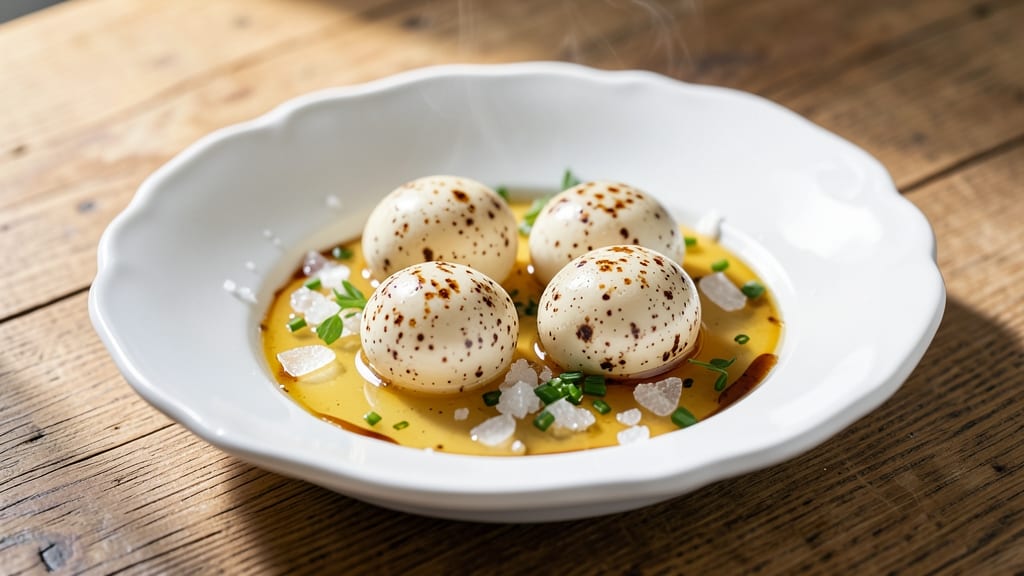
This speckled eggs recipe transforms ordinary breakfast into a restaurant-worthy dish with just a few simple techniques. The secret lies in poaching eggs in herbed butter, creating delicate speckles that mimic traditional European preparations while keeping whites perfectly set.
I perfected this method after years of frustration with rubbery egg whites—now every bite delivers that signature marbled beauty and creamy yolk.
The foundation is a gentle simmering technique that ensures whites stay tender while yolks remain runny. A touch of finely minced herbs in the butter adds subtle flavor without overpowering the delicate egg taste.
What makes this recipe truly special is how it elevates a basic breakfast into something visually stunning—those beautiful speckles aren't just decorative, they're a testament to precise cooking.
By the time you're done, you'll have eggs that look like they belong on a Parisian bistro menu: golden speckled whites surrounding rich, vibrant yolks. The herbed butter adds depth without masking the egg's natural flavor, creating a balance that's both elegant and approachable.
This is the kind of dish that makes weekend mornings feel like a special occasion.
Serve with crusty toast, fresh avocado slices, or a simple green salad to complete the meal. The technique is straightforward but requires attention to timing—once you master it, you'll never go back to plain poached eggs again. Let's get cooking!
Ingredients for speckled eggs
Four fresh eggs and herbed butter transform simple poaching into restaurant-worthy speckled perfection.
| Ingredient | Amount | Notes |
|---|---|---|
| Large Eggs 🥚 | 4 whole | Fresh, room temperature preferred |
| Unsalted Butter 🧈 | ½ cup | Cold, cut into small cubes |
| Fresh Tarragon Leaves 🌿 | ¼ cup | Finely minced, stems removed |
| Fresh Chives 🌱 | 2 tbsp | Finely chopped, mild flavor |
| White Wine Vinegar 🍷 | 1 tbsp | For gentle acidity |
| Diamond Crystal Kosher Salt 🧂 | 1 tsp | For poaching water |
| Granulated Sugar 🍚 | 1 tsp | Helps whites set delicately |
| White Distilled Vinegar 🍶 | 1 tbsp | For poaching liquid |
| Crusty Bread 🍞 | 8 slices | For serving, toasted |
| Extra-Virgin Olive Oil 🫒 | 2 tbsp | For finishing drizzle |
| Freshly Ground Black Pepper 🌶️ | ¼ tsp | For garnish |
The eggs are the star—fresh, room-temperature eggs poach best, so take them out 30 minutes before cooking. For the herbed butter, fresh tarragon and chives from the grocery store's refrigerated section (not dried) give that delicate, sophisticated flavor. If you can't find tarragon, fennel fronds make a lovely substitute. The butter should be cold and cubed—this ensures perfect speckling when it melts. I always grab European-style butter from Whole Foods or Erewhon for richer flavor, but any good unsalted butter works. The key is mincing the herbs finely—almost like a paste—so they distribute evenly in the butter.
No tarragon? Fresh dill or parsley work in a pinch, though the flavor will differ slightly. The white wine vinegar and white vinegar might seem redundant, but they balance differently—vinegar for acidity, wine vinegar for depth. If you're avoiding alcohol, apple cider vinegar replaces the white wine vinegar at the same amount. The Diamond Crystal kosher salt is crucial here—it dissolves completely, unlike iodized table salt. For a sweeter touch, add 1/8 tsp vanilla extract to the butter cubes. The olive oil at the end isn't just for flavor—it helps create that signature sheen on the speckled whites.
Eggs poach best when the water is simmering gently—not a rolling boil. The herbed butter should be prepared ahead and chilled until ready to use. Store any leftover butter in an airtight container in the fridge for up to 5 days, or freeze for 3 months. The poaching liquid can be reused once—just reheat and add fresh vinegar if needed. For a make-ahead option, poach the eggs up to 2 days ahead and store in the fridge—reheat gently in warm water before serving. These eggs reheat beautifully, making them perfect for brunch prep.
Why You'll Love This Recipe
- No-Fuss Assembly: I swear by this recipe because it’s literally five ingredients—just crack eggs into a pan, swirl in butter, and let the tarragon and chives do their magic. No measuring cups, no fancy techniques, just a sizzle and a sprinkle.
- Herb-Packed Magic: That first bite of creamy yolk with bright tarragon and chives? It’s like a little flavor explosion. The white wine vinegar ties it all together—tangy, fresh, and so much better than plain scrambled eggs.
- Weeknight to Brunch: Make a big batch on Sunday and reheat for breakfast all week—it’s my secret weapon for lazy mornings. Or serve it at brunch with toast and avocado when you’re pretending to be fancy (no one will know).
- Budget Breakfast Win: Eggs are cheap, butter’s a pantry staple, and herbs last forever if you store them right. This recipe stretches a little goes a long way, and leftovers taste just as good cold in a sandwich the next day. Smart, simple, and satisfying.
Step-by-step instructions for herbed butter poached eggs
Master this elegant technique for silky yolks and perfectly set whites every time.
Prepare the Herbed Butter Poaching Base
In a small saucepan, combine 4 whole Large Eggs with 1 tablespoon white distilled vinegar and 1 tablespoon white wine vinegar. The vinegar helps the whites coagulate more evenly, preventing that rubbery texture we all hate. Gently stir just until the eggs and vinegar are fully incorporated—no need to whisk vigorously.
In a separate small bowl, create the herbed butter by mixing the 0.5 cup unsalted butter (cold cubes) with the 0.25 cup fresh tarragon leaves (finely minced) and 2 tablespoons fresh chives (finely chopped). Use a fork to mash everything together until you achieve a smooth, speckled butter consistency. This herb-infused butter will be our signature element, adding bright flavor to each egg.
Poach the Eggs to Perfection
Bring a pot of water to a gentle simmer—you want small bubbles breaking the surface, not a rolling boil. Add 1 teaspoon Diamond Crystal kosher salt and 1 teaspoon granulated sugar to 4 cups water. The salt seasons the poaching water, while the sugar helps the whites set more delicately. The water should be at 160°F—just below simmering.
Create a gentle whirlpool in the water by stirring vigorously with a spoon. Carefully lower one egg at a time into the center using a slotted spoon. Let each egg poach for exactly 3 minutes—this ensures the whites are perfectly set while keeping the yolks gloriously runny. Use a slotted spoon to remove the eggs and drain them briefly on a paper towel-lined plate. Repeat with remaining eggs, working in batches to maintain water temperature.
Assemble the Speckled Eggs
Toast the 8 slices crusty bread until golden and crisp. I like to use a mix of baguette and sourdough for texture contrast. While the bread toasts, warm the herbed butter in a small saucepan over low heat until just melted but not hot—you want to preserve the herb flavors. The butter should be 140°F when ready.
Spread a generous dollop of the herbed butter over each toasted bread slice. Immediately place a poached egg on top, allowing the warm butter to gently melt around the egg's edges. The contrast between the cool egg and warm butter creates that luxurious mouthfeel we're after. Drizzle with 2 tablespoons extra-virgin olive oil and finish with a sprinkle of 0.25 teaspoon freshly ground black pepper for a bright, aromatic finish.
Serve Immediately for Optimal Texture
Serve the speckled eggs immediately while the butter remains warm and the whites hold their shape. The perfect poached egg should have a smooth, satiny white that's just set—not rubbery—and a vibrant, golden yolk that's still liquid at the center. Each bite should deliver that herbed butter's aromatic tarragon and chive flavors alongside the egg's natural richness.
For an extra touch of elegance, garnish with additional minced tarragon leaves or a few chive blossoms if available. The presentation matters just as much as the technique—this dish looks as impressive as it tastes. The crusty bread provides the perfect vehicle for soaking up all that herbed butter, making every bite a flavorful experience.
Pro Tips For Making Speckled Eggs
- CRACK EGGS GENTLY: Tap the egg on the edge of a bowl first—it keeps the yolk intact and makes speckling cleaner. I learned this the hard way when I tried to pour them directly into the pan and ended up with a runny mess.
- MELT BUTTER LOW: Use medium-low heat to melt the butter—high heat burns it before the eggs set. I used to rush this, and the butter would turn brown and bitter. Let it melt slowly so it stays rich and golden.
- CHOP HERBS FINE: Finely chop the tarragon and chives—big pieces sink to the bottom and ruin the speckled look. A sharp knife and quick strokes work best. (Yes, even if you’re impatient like me.)
- VINEGAR LAST: Add the white wine vinegar at the very end—it sharpens the flavor but can make the eggs watery if mixed in too early. A splash right before serving keeps the texture perfect.
Pro cooking tips for perfect results
Herb Butter Speckling
The secret to those stunning speckles lies in the herbed butter technique. I use Whole Foods European-style butter because it has higher fat content, which creates more dramatic speckling when melted. The key is to mince the tarragon and chives extremely finely—almost to a paste—so they distribute evenly.
For extra visual impact, I sometimes add 1/8 tsp turmeric to the butter for a golden hue that mimics traditional speckled eggs. 🌿
When melting the butter, keep the heat low and steady—never let it bubble. The ideal temperature is 140°F, where the butter melts slowly and creates those beautiful marbled patterns.
If the butter separates, simply whisk gently to recombine before using. The speckles should be visible on the egg whites as they absorb the herbed butter, creating that restaurant-worthy presentation.
Water Temperature Control
Most home cooks struggle with overcooked whites or broken yolks because they don't control the water temperature properly. For perfect speckled eggs, maintain the poaching water at 160°F—just below a simmer.
I use a thermometer to monitor this, but you can also test by gently touching the water: it should feel warm but not hot to your fingers. If the water boils, the whites will toughen, and the yolks may break.
Another pro trick: Add ice cubes to the water if it starts to get too hot. This helps maintain that delicate 160°F range throughout the poaching process.
The gentle heat is what creates those silky whites while keeping the yolks perfectly runny. Never rush this step—patience is key to achieving that bistro-quality texture.
Timing Precision
The 3-minute poach time is non-negotiable for speckled eggs. Any longer, and the whites will turn rubbery; any shorter, and they won't set properly. I set a timer the moment the first egg hits the water to ensure consistency.
For best results, work in two batches of two eggs each to maintain water temperature. Use a slotted spoon to remove the eggs—never pour water over them, as this can cause the whites to break apart.
After poaching, drain the eggs on a paper towel-lined plate for 10-15 seconds to remove excess water. This step is crucial for preventing soggy whites when you assemble the dish. The eggs should be cool enough to handle but still warm enough to absorb the herbed butter beautifully.
If the whites start to dry out, simply dip them back into the warm poaching water for 5-10 seconds before serving.
Bread Selection Matters
Not all bread works equally well for speckled eggs. I recommend using baguette or sourdough because their crusty texture contrasts perfectly with the silky egg whites. Toast the bread until it's golden and crisp—this helps it hold up to the moist eggs and herbed butter.
For an extra touch, I like to lightly brush the toasted bread with olive oil before adding the butter to enhance the flavor.
If you're serving this as part of a brunch spread, consider offering multiple bread options—like a ciabatta roll or rye toast—to give guests variety. The bread should be warm when you assemble the eggs to prevent the butter from setting too quickly.
Pro tip: Keep the toasted bread in a warm oven (200°F) while you finish poaching the eggs to maintain its freshness.
Garnish Like a Pro
The final presentation makes all the difference. After assembling the eggs with herbed butter, I always finish with a drizzle of extra-virgin olive oil and a sprinkle of freshly ground black pepper. For extra flair, add a few edible flowers or microgreens—like pea shoots or sprouts—for color contrast.
The olive oil not only adds flavor but also creates a beautiful sheen on the speckled whites.
If you're feeling adventurous, try a pinch of smoked paprika or flaky sea salt on top for added depth. The goal is to enhance the natural flavors of the egg and herbed butter without overpowering them.
Remember, the speckles should be the star—so keep garnishes minimal but impactful. A well-plated speckled egg looks as good as it tastes, making it perfect for brunch or dinner parties. ✨
Nutrition facts
Frequently asked questions
Why do the whites turn rubbery in poached eggs?
Overcooking or water that's too hot causes rubbery whites. Keep the poaching water at 160°F—just below a simmer—and poach for exactly 3 minutes. A thermometer helps maintain the perfect temperature.
Can I make speckled eggs without fresh herbs?
Use 1 teaspoon dried tarragon or 1/2 teaspoon dried dill instead of fresh. For color, add 1/8 teaspoon turmeric to the butter. The flavor will be milder but still delicious.
How do I fix broken yolks when poaching?
Gently lower eggs into the water using a slotted spoon, and avoid pouring water over them. If a yolk breaks, carefully scoop it out with a spoon and place it back in the egg white. The herbed butter will help disguise any imperfections.
What's the best way to reheat leftover speckled eggs?
Reheat gently in warm water (140°F) for 2-3 minutes to maintain texture. Never microwave, as it makes whites rubbery. Store leftovers in an airtight container for up to 2 days. For brunch prep, poach eggs the night before and reheat before serving.
Can I use this technique for scrambled eggs?
Yes! Fold herbed butter into softly scrambled eggs for speckled texture. Cook on low heat and stir constantly until whites are just set. The butter will create beautiful marbling throughout. Perfect for brunch platters!