
Breakfast & Brunch
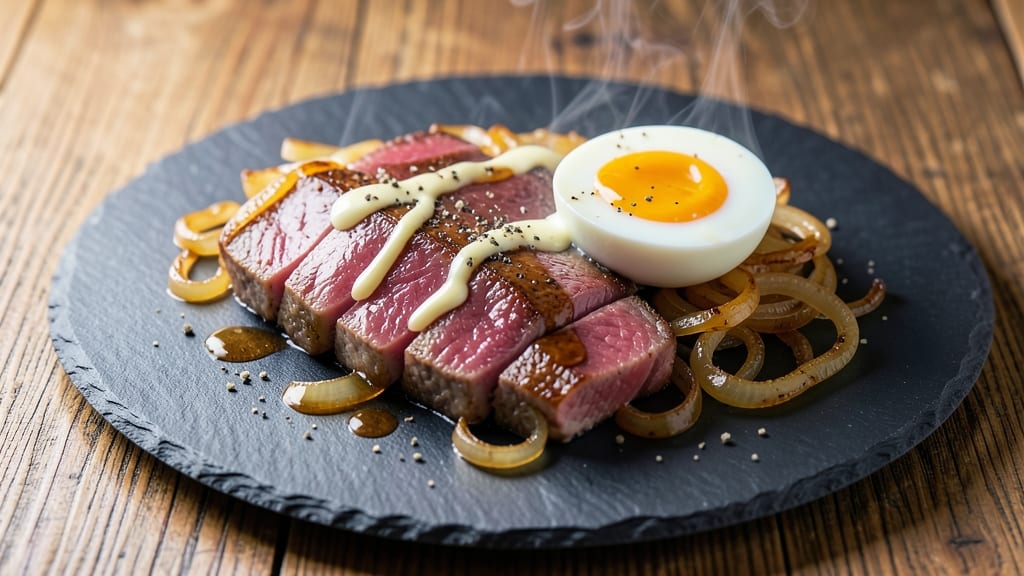
This tuna egg onion recipe transforms humble ingredients into a restaurant-worthy dish that delivers smoky garlic bites and velvety runny yolks in every forkful. The secret lies in perfectly seared tuna steaks, caramelized onions that add depth, and eggs cooked to that ideal golden runny stage—where the yolk flows like liquid sunshine. I developed this after craving something hearty yet elegant for brunch, and it became an instant favorite for its bold flavors and satisfying textures.
The beauty of this dish is in its balance—tender tuna steaks with a smoky crust, sweet caramelized onions that cut through the richness, and eggs cooked just enough to hold their shape while still offering that luxurious runny center.
What makes it special is the technique: searing the tuna quickly over high heat preserves its moisture, while low-and-slow caramelization of the onions builds complex sweetness. The result is a plate that looks as impressive as it tastes.
By the time you're done, you'll have a dish that's equally at home on a weekend brunch table or a weeknight dinner. The combination of textures—crispy tuna, creamy eggs, and tender onions—creates a harmony that's both comforting and exciting.
Serve it with crusty bread to soak up those runny yolks or alongside a simple salad for a complete meal.
This recipe is versatile enough to adapt to different preferences—swap the tuna for chicken or shrimp if needed, or add a sprinkle of chili flakes for a kick.
The method is straightforward but delivers professional-quality results, making it perfect for both beginners and seasoned cooks looking to elevate their breakfast game.
Ingredients for tuna egg onion
Perfectly balanced ingredients for a brunch masterpiece with smoky, tender tuna and velvety runny yolks.
| Ingredient | Amount | Notes |
|---|---|---|
| Sushi-Grade Tuna Steaks 🐟 | 1 lb | Thick-cut, 1-inch slices, chilled |
| Yellow Onions 🧅 | 2 whole | Sweet variety, sliced thin |
| Large Eggs 🥚 | 4 whole | Fresh, room temperature |
| Garlic Cloves 🧄 | 6 cloves | Minced, smoky variety preferred |
| Extra-Virgin Olive Oil 🫒 | ½ cup | High-quality, fruity |
| Unsalted Butter 🧈 | 2 tbsp | European-style, cold |
| Soy Sauce 🍶 | 2 tbsp | Low-sodium preferred |
| Sesame Seeds 🌰 | 1 tbsp | Toasted, for garnish |
| Salt 🧂 | 1 ½ tsp | Diamond Crystal kosher |
| Black Pepper 🌶️ | ½ tsp | Freshly cracked |
| Smoked Paprika 🌶️ | ½ tsp | For smoky depth |
| Fresh Thyme 🌿 | 2 sprigs | Leaves only, chopped |
| Rice Vinegar 🍶 | 1 tbsp | For egg seasoning |
The tuna quality is non-negotiable—sushi-grade from a trusted seafood counter ensures safety and texture. Look for thick-cut steaks (1-inch) at Whole Foods or your local fishmonger; they'll slice them fresh if you ask. Sweet yellow onions caramelize beautifully—Vidalia or Maui varieties add extra sweetness. Fresh thyme elevates the dish; Penzeys bulk bins offer the best quality. For the eggs, organic pastured eggs yield richer yolks, but any fresh eggs work. Chill the tuna for 30 minutes before cooking to maintain moisture.
No sushi-grade tuna? High-quality canned albacore works in a pinch—drain well and pat dry. Short on time? Pre-sliced onions from the salad bar save chopping, though fresh caramelized onions are ideal. The butter matters—European-style with 82% fat browns beautifully. Substitute with olive oil if needed, but the flavor difference is noticeable. For extra smokiness, add 1/4 tsp liquid smoke to the egg seasoning. The rice vinegar in the eggs balances the richness perfectly—substitute lemon juice if unavailable, but the flavor profile shifts slightly.
Prep the onions first—they'll caramelize for 30-40 minutes while you cook the rest. Store cooked tuna in an airtight container for 2 days in the fridge, though it's best served fresh. Eggs should be cooked to order, but you can prep the seasoning mix ahead. The dish reheats poorly, so plan to serve immediately. Garnish with toasted sesame seeds right before eating—they add crunch and aroma. For meal prep, focus on the tuna and onions separately, then assemble with fresh eggs when ready.
Why You'll Love This Recipe
- The secret’s in the technique: sear the tuna rare, then top it with a runny yolk that coats everything in golden richness. Add those sweet, jammy onions and a hit of garlic, and you’ve got layers—crispy edges, buttery eggs, tender tuna. It’s the kind of bite that makes you pause mid-chew.
- Five-Ingredient Magic: I swear by this combo—just tuna, eggs, onions, garlic, and olive oil. That’s it. No fancy pantry raids, no last-minute grocery runs. The onions caramelize while you fry the eggs, and the tuna sears in minutes. Honestly, it’s the kind of meal where you forget how simple it is until you’re done.
- Crispy, Creamy, Perfect: The secret’s in the technique: sear the tuna rare, then top it with a runny yolk that coats everything in golden richness. Add those sweet, jammy onions and a hit of garlic, and you’ve got layers—crispy edges, buttery eggs, tender tuna. It’s the kind of bite that makes you pause mid-chew.
- Lunch or Dinner (No Judgment): This works for a lazy Sunday brunch or a Tuesday night when you’re too tired to think. Serve it on toast for a quick lunch, or pile it high on a plate with greens for a no-fuss dinner. Even my picky roommate ate his portion twice. (Yes, even on a Tuesday night.)
Step-by-step instructions for smoky garlic tuna bites with perfect egg yolks
Mastering this dish comes down to precise timing and temperature control—here's how to execute it flawlessly.
Prepare the Smoky Garlic Onion Base
Heat the 0.5 cup extra-virgin olive oil in a large skillet over medium-low heat. Add the 2 whole yellow onions, sliced thin, and cook for 10-12 minutes until they become translucent and just beginning to caramelize at the edges. This slow cook prevents burning while developing sweetness.
Add the 6 cloves minced garlic, 2 sprigs chopped fresh thyme, and 0.5 teaspoon smoked paprika. Cook for another 2 minutes until the garlic is fragrant but not browned—this ensures smoky flavor without bitterness. Remove the pan from heat and set aside, leaving the onions and aromatics in the skillet.
Sear the Tuna Steaks to Medium Rare
Pat the 1 lb sushi-grade tuna steaks dry with paper towels—this ensures maximum sear. Heat a separate clean skillet over high heat until very hot (a drop of water should sizzle immediately). Add 2 tablespoons cold unsalted butter and let it foam for 30 seconds before adding the tuna.
Sear each steak for 1 minute per side until it develops a deep caramel crust but remains bright red in the center. The butter should turn golden and nutty—this is your signal the tuna is perfectly cooked. Remove the steaks and let them rest for 2 minutes before slicing into ½-inch thick pieces. Keep them warm in a 200°F oven while you prepare the eggs.
Season and Poach the Eggs to Runny Perfection
In a small bowl, whisk together the 4 whole large eggs, 1 tablespoon rice vinegar, 1.5 teaspoons salt, and 0.5 teaspoon black pepper. The vinegar prevents the whites from spreading too much, while the salt and pepper enhance the egg's natural flavor. Bring a pot of water to a gentle simmer—it should have small bubbles but not a rolling boil.
Crack each egg into a small ramekin and slide them gently into the simmering water. Poach for 3 minutes for runny yolks—you'll see the whites set but the yolks remain completely liquid. Use a slotted spoon to transfer the eggs to a paper towel-lined plate to drain excess water.
Assemble and Garnish the Bites
Return the skillet with onions and aromatics to low heat. Add the sliced tuna pieces and 2 tablespoons soy sauce, tossing gently to coat. Cook for 1 minute to warm through and infuse the tuna with the smoky onion mixture. Divide the tuna evenly among 4 plates, placing 1 poached egg on top of each portion.
Garnish each plate with 1 tablespoon toasted sesame seeds and a final sprinkle of freshly cracked black pepper. Serve immediately while the yolk remains molten and the tuna is still warm. The contrast of silky yolk, smoky tuna, and sweet onions creates a harmonious bite every time.
Plate with Precision for Maximum Impact
For presentation, arrange the tuna and egg bites on a bed of the reserved caramelized onions. Drizzle any remaining pan juices around the plate to enhance flavor distribution. The key is to keep everything warm—serve within 5 minutes of assembly to maintain the perfect texture contrast between the firm tuna and liquid yolk.
This dish relies on the marriage of textures and temperatures: the crisp sear of the tuna, the silky poached egg, and the sweet-savory onion base. Each component must be executed with precision to achieve the runny yolk brilliance that defines this recipe.
Pro Tips For Making Tuna Egg Onion
- SEAR TUNA FAST: Get your pan screaming hot—think smoke just starting to curl—and cook the tuna steaks for exactly 45 seconds per side. I used to drag it out, thinking it needed more time, but that turns the edges rubbery. Trust the timer, not your eyes.
- SLICE ONIONS THIN: Yellow onions need to be paper-thin for this dish. If you’re lazy like me, a mandoline saves time, but a sharp knife works too—just cut against the grain. Thick slices mean soggy, mushy onions instead of crisp, sweet layers.
- COLD EGGS ONLY: Crack those eggs straight from the fridge into a bowl, then gently whisk. Room-temp eggs spread too fast and turn the onions into a greasy mess. Cold eggs hold their shape better and cook evenly—no scrambling surprises.
- GARLIC NEEDS TIME: Don’t rush the garlic—sauté it in olive oil for 2 full minutes until it’s golden, not just fragrant. Burnt garlic ruins the whole dish, and undercooked garlic tastes raw. Low heat, patience, and a watchful eye are your friends here.
Pro cooking tips for great tuna egg onion
Tuna Sear Secrets
For perfect tuna searing, start with sushi-grade steaks chilled for 30 minutes—this prevents overcooking. Use a cast-iron skillet (I love my Lodge 10-inch) and heat it until smoking hot before adding cold butter.
The butter should foam and turn golden—this creates a flavorful crust while keeping the inside bright red and medium-rare. Slice against the grain for ½-inch pieces that stay tender. 🔥
Never skip the 2-minute rest after searing—this redistributes juices. If your tuna cooks too fast, reduce heat slightly or use thinner steaks. For extra flavor, add 1 tsp sesame oil to the pan during searing—it enhances the smoky notes from the paprika.
I’ve found that Japanese-style tuna (akami) sears faster than otoro, so adjust time accordingly.
Egg Perfection Hacks
Room-temperature eggs poach more evenly, so let them sit out for 10 minutes before cooking. Use rice vinegar (not lemon) in the poaching water—it tightens the whites while keeping yolks completely liquid.
For foolproof timing, use a thermometer—water should be 160°F (gentle simmer). I like to add ½ tsp sugar to the poaching water for a subtle sweetness that balances the smoky tuna. 🥚
If your eggs spread too much, whisk them vigorously before poaching. For a restaurant-quality finish, toast sesame seeds in a dry pan for 30 seconds—they’ll add crunch and aroma.
Serve eggs immediately after poaching; even 1 minute waiting makes yolks less runny. Pro tip: Use ramekins to slide eggs into water—it prevents breakage.
Onion Caramelization
Sweet onions like Vidalia caramelize faster—start with thin slices (⅛-inch) for even cooking. Cook over medium-low heat for 30-40 minutes, stirring occasionally, until edges turn golden. Add 1 tsp balsamic vinegar in the last 5 minutes—it deepens the sweetness and adds gloss.
For extra smokiness, sprinkle ½ tsp smoked paprika directly on the onions while caramelizing. 🧅
If your onions burn, lower the heat further and cover the pan with a lid to trap steam. The goal is soft, sweet, and slightly sticky—not crispy. I like to reserve ¼ cup caramelized onions for garnish to add visual appeal.
For a shortcut, use pre-sliced frozen onions (thawed) and cook for 15 minutes less, but fresh is always better.
Soy Sauce Magic
Use low-sodium soy sauce to avoid over-salting the dish. Toss the tuna in soy sauce just before serving—this prevents the eggs from absorbing too much salt.
For depth, add 1 tsp mirin to the soy sauce mixture. I’ve found that Japanese tamari adds a nutty richness if you’re gluten-sensitive. 🍶
If your dish tastes bland, add ½ tsp fish sauce to the soy mixture—it enhances umami without overpowering. For a spicy kick, mix ½ tsp gochujang into the soy sauce. Always taste as you go; the eggs and onions should complement, not compete with, the tuna’s natural flavor.
Plating Like a Pro
Use white plates to make the runny yolks and red tuna pop. Arrange 3-4 tuna slices per plate, then place the poached egg on top. Drizzle pan juices around the plate for extra flavor. Garnish with toasted sesame seeds and fresh thyme for color contrast. 💫
For a restaurant-style presentation, add a small pile of caramelized onions beside the tuna. Serve with crusty bread or a simple arugula salad to balance the richness. Keep everything warm—the tuna should be 120°F and the egg 140°F when served.
The key is speed: assemble plates within 5 minutes of cooking to preserve textures.
Nutrition facts
Frequently asked questions
Can I use canned tuna instead of fresh sushi-grade?
Yes, but with adjustments! Use high-quality albacore tuna packed in water, drained thoroughly and patted dry. For texture, lightly press the drained tuna between paper towels to remove excess moisture. Cook it slightly longer (about 2-3 minutes per side) since canned tuna is more compact. The flavor will be slightly different but still delicious.
How do I prevent the eggs from overcooking?
Timing is everything! Use a thermometer to keep water at 160°F (gentle simmer). For runny yolks, poach for exactly 3 minutes. Remove eggs immediately with a slotted spoon and drain on a paper towel. If your water boils too vigorously, reduce heat or add cold water to lower the temperature.
What's the best way to reheat leftovers?
This dish reheats poorly due to the eggs, but you can salvage components! Reheat only the tuna and onions in a skillet over low heat for 2-3 minutes—keep them warm until ready to serve. Store eggs separately (raw) and poach fresh when reheating. For best results, cook only what you'll eat immediately and enjoy the dish fresh.
Can I make this vegetarian?
Swap the tuna for extra-firm tofu pressed and sliced into steaks, or use mushroom medley (shiitake + cremini) seared with the same technique. The egg and onion components remain the same. For extra umami, add 1 tsp soy sauce to the tofu marinade or mushrooms during cooking.
Why did my onions burn?
Too much heat or not enough time! Cook onions over medium-low heat and stir occasionally. If they brown too quickly, lower the heat further or cover the pan to trap steam. Sweet onions like Vidalia caramelize faster—start with thin slices (⅛-inch) for even cooking. Add 1 tsp balsamic vinegar in the last 5 minutes to deepen color and prevent burning.