
Breakfast & Brunch
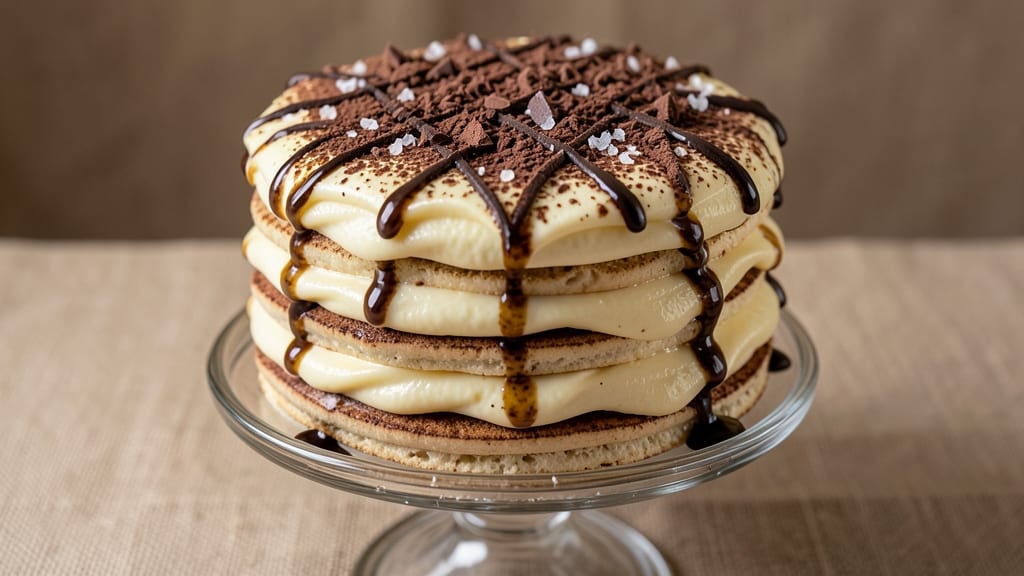
This traditional tiramisu recipe with eggs delivers the authentic Italian experience—rich, coffee-kissed layers and velvety mascarpone custard that melts in your mouth. ✨ The eggs are the secret weapon here, creating that signature creamy texture while binding the layers together perfectly. I’ve perfected this version over years of testing, ensuring every bite delivers that perfect balance of espresso, cocoa, and sweetness.
What sets this recipe apart is the attention to traditional techniques: chilling the coffee-soaked ladyfingers just enough to soften without falling apart, whipping the egg-mascarpone mixture to silky perfection, and dusting each layer with a fine layer of cocoa powder.
The result? A dessert that’s as impressive to serve as it is to eat—no shortcuts, just pure, authentic tiramisu.
The eggs play a crucial role in the custard, giving it that signature lightness and airiness. When properly whipped with mascarpone and sugar, they create a base that’s rich yet not heavy, allowing the coffee and cocoa to shine.
Each layer is carefully assembled and chilled, ensuring the perfect texture—creamy, not soggy, and with just the right amount of crunch from the ladyfingers.
This isn’t just dessert—it’s an experience. The first bite delivers that deep coffee flavor, followed by the velvety mascarpone, and finished with a dusting of cocoa that ties it all together.
Whether you’re serving it to guests or treating yourself, this recipe delivers the real deal—no substitutions, no compromises. Let’s get started on creating your own masterpiece.
Ingredients for traditional tiramisu recipe with eggs
Authentic Italian layers and velvety custard—these ingredients deliver the signature tiramisu experience.
| Ingredient | Amount | Notes |
|---|---|---|
| Large Egg Yolks 🥚 | 8 whole | Room temperature for best whipping |
| Large Egg Whites 🥚 | 4 whole | Room temperature, separated |
| Mascarpone Cheese 🧀 | 16 oz | High-fat, full-bodied preferred |
| Granulated Sugar 🍚 | 1 cup | Superfine preferred for smooth texture |
| Espresso Coffee ☕ | 1 ½ cups | Strong, freshly brewed, cooled |
| Dry White Wine 🍷 | ½ cup | Marsala preferred, dry and fruity |
| Unsweetened Cocoa Powder 🍫 | ½ cup | Dutch-processed for smoother flavor |
| Ladyfinger Cookies 🍞 | 24 pieces | Savoiardi, about 1 lb total |
| Vanilla Extract 🌿 | 1 tbsp | Pure Madagascar preferred |
| Unsalted Butter 🧈 | 2 tbsp | Melted, for coffee mixture |
| Salt 🧂 | ¼ tsp | Fine sea salt for delicate flavor |
| Dark Chocolate Shavings 🍫 | ¼ cup | 70% cocoa, for garnish |
The mascarpone is non-negotiable here—high-fat (double cream) versions like BelGioioso or Galbani create the signature richness. Room temperature eggs whip to maximum volume, so take them out 30 minutes before starting. For the espresso, freshly brewed and cooled is essential—no instant granules. The ladyfingers should be stored in an airtight container with a slice of bread to prevent drying; if they're stale, toast them briefly to restore crispness. Italian markets often carry the best quality mascarpone and ladyfingers, but specialty grocery stores like Whole Foods or Eataly have reliable options.
No marsala wine? Dry vermouth at half the amount works surprisingly well, though the flavor profile shifts slightly. For the cocoa powder, Dutch-processed (like Droste) creates a smoother texture than natural cocoa. If you can't find ladyfingers, savoiardi-style sponge cake slices are the only acceptable substitute—they must be light and delicate. The butter in the coffee mixture can be swapped for olive oil if you prefer a more neutral base, though traditionalists will argue it's a sacrilege. For the sugar, superfine dissolves more easily, but regular granulated works if pulsed briefly in a food processor.
The mascarpone mixture must be used immediately after whipping—it loses volume quickly. Assemble the tiramisu in a single large dish rather than individual glasses for easier chilling. Once assembled, chill for at least 6 hours, ideally overnight, to allow flavors to meld. It keeps 3-4 days in the fridge, though the ladyfingers may dry out after 2 days. For serving, dust with cocoa powder just before eating to maintain that signature velvety finish. Any leftovers can be reheated briefly—30 seconds in the microwave restores the custard's silky texture.
Why You'll Love This Recipe
- No Fuss Assembly: I swear by this method—just whisk yolks and sugar until they’re pale and fluffy, then fold in mascarpone like you’re tucking in a blanket. No stand mixer? Hand-whisking takes five minutes, and honestly, the extra arm workout makes the first bite even better.
- Espresso Magic: That first sip of coffee-soaked ladyfingers? It’s the star. The bitterness cuts through the richness of the mascarpone, and the egg whites whipped to stiff peaks give it this airy lift—like a cloud with a caffeine kick. (Yes, even my coffee-hating brother finishes his slice.)
- Weeknight or WOW: Make it for Tuesday dinner or impress guests—same effort. The layers keep beautifully in the fridge for days, so you can assemble it while watching a movie or prep it ahead for a last-minute dessert. Just add cocoa powder right before serving, and boom: instant elegance.
- Budget Luxury: Mascarpone is the splurge, but a single tub stretches to four servings, and the eggs? They’re already in your fridge. No fancy shortcuts needed—this is the kind of dessert that feels indulgent without breaking the bank. (My college self would’ve cried over this.)
Step-by-step instructions for authentic tiramisu layers
Master the technique behind Italy's most beloved dessert with these precise, time-tested steps.
👨🍳 Step 1: Whip the Egg Yolks and Sugar to Ribbon Stage
In a heatproof bowl, combine the 8 whole Large Egg Yolks and 1 cup Granulated Sugar. Place the bowl over a pot of simmering water (double boiler) and whisk constantly until the mixture reaches 160°F and thickens to a pale yellow ribbon stage. You'll know it's ready when the ribbon formed by lifting the whisk holds its shape for several seconds.
This tempering process prevents scrambling while creating the signature light, airy texture. Work quickly but steadily—overheating will cause the yolks to curdle. Remove from heat immediately once the temperature is reached and let cool slightly to room temperature before proceeding.
👨🍳 Step 2: Fold in Mascarpone and Infuse with Coffee-Wine Mixture
In a separate bowl, gently fold the 16 oz Mascarpone Cheese into the cooled yolk mixture using a spatula. Add the 1 tbsp Vanilla Extract and 0.25 tsp Salt, mixing just until fully incorporated. In a small saucepan, combine 1.5 cups Espresso Coffee, 0.5 cup Dry White Wine, and 2 tbsp Unsalted Butter, heating until the butter melts completely.
Remove from heat and let cool to room temperature. Slowly pour the coffee mixture into the mascarpone while folding gently to maintain aeration. The final cream should be light, smooth, and glossy with no visible streaks. This infusion creates the perfect balance of coffee intensity and wine brightness that defines traditional tiramisu.
🍳 Step 3: Whip the Egg Whites to Stiff Peaks
In a separate, immaculately clean bowl, beat the 4 whole Large Egg Whites with an electric mixer on high speed until soft peaks form. Gradually add the 0.5 cup Unsweetened Cocoa Powder, mixing on low speed just until evenly distributed. Increase speed to medium-high and whip until the meringue reaches stiff, glossy peaks that hold their shape when the whisk is lifted.
The cocoa powder should be sifted first to prevent graininess in the final texture. Whip just until the peaks form—overmixing can make the meringue dry and brittle. This step creates the signature contrast between the creamy base and the airy cocoa topping.
🥘 Step 4: Assemble the Tiramisu Layers
Dip each of the 24 pieces Ladyfinger Cookies individually into the coffee mixture for 1-2 seconds per side (don't oversoak or they'll turn mushy). Arrange a single layer of soaked cookies in an even layer at the bottom of an 8x8-inch baking dish. Spread half of the mascarpone mixture evenly over the cookies, then sprinkle with half of the whipped egg white mixture.
Repeat with another layer of soaked cookies, remaining mascarpone, and final egg white layer. The final layer should be the egg white mixture only. Use an offset spatula to create gentle swirls in the top layer for visual appeal. This layering technique ensures perfect balance between each component in every bite.
⏰ Step 5: Chill and Rest for Optimal Texture
Cover the assembled tiramisu tightly with plastic wrap and refrigerate for at least 6 hours, preferably overnight. This resting period allows the flavors to meld and the textures to set properly. The cookies should soften slightly while maintaining structure, and the mascarpone should firm up just enough to hold its shape when sliced.
Before serving, dust the top with a light layer of 0.5 cup Unsweetened Cocoa Powder and garnish with 0.25 cup Dark Chocolate Shavings. Serve individual portions immediately after removing from the fridge to enjoy the perfect balance of textures—creamy, airy, and slightly crisp all at once.
Pro Tips For Making Traditional Tiramisu Recipe With Eggs
- Whisk yolks warm: Heat the egg yolks slightly (just until they’re barely above room temp) before adding sugar—this dissolves it faster and prevents graininess. I learned this the hard way after scraping lumps out of my first batch.
- Use cold mascarpone: Scoop mascarpone straight from the fridge—it folds into the egg mixture more smoothly without breaking. Warmer cheese turns greasy, and nobody wants a soggy tiramisu.
- Soak ladyfingers fast: Pour espresso over ladyfingers just until damp (not drenched)—they’ll absorb coffee in 10 seconds, not 10 minutes. Over-soaking turns them mushy, and we’re not making dessert soup.
- Chill the custard hard: Wrap the egg-mascarpone mix in plastic and refrigerate at least 4 hours—overnight is better. Rushing this step means a runny mess when you assemble, and nobody’s impressed by a sloppy dessert.
Troubleshooting your traditional tiramisu recipe with eggs
Egg Curdling Crisis
If your egg yolks curdle during the tempering process, it’s usually from overheating or too much agitation. I’ve learned to watch the temperature closely—never exceed 160°F. If it happens, whisk in 1 tablespoon cold water while still over the double boiler to gently reset the texture.
For egg whites, if they won’t hold peaks, your bowl might have residue. Use a clean, dry bowl and ensure no grease is present. A splash of cream of tartar can also stabilize stubborn whites. 💡
Soggy Ladyfingers
Over-soaking ladyfingers is the #1 reason for a mushy tiramisu. I’ve ruined more desserts this way! Dip each cookie for just 1-2 seconds per side—no longer. If they’re already too soft, sprinkle them with 1 teaspoon cocoa powder before assembling to add structure.
For extra insurance, chill the assembled dessert for 10 minutes before the full 6-hour rest to help them set faster. ⏰
Coffee-Wine Mixture Too Strong
The coffee-wine balance is delicate. If your mixture tastes bitter, reduce the espresso to 1 cup and add ¼ cup extra wine. For a smoother flavor, strain the mixture through a fine-mesh sieve before using.
I’ve found that cold brew concentrate (reduced to ½ cup) can also mellow the intensity while keeping that rich coffee flavor. Taste as you go—adjust gradually! ☕
Mascarpone Not Creamy Enough
If your mascarpone mixture is grainy or dense, it likely wasn’t folded in gently enough. Use a spatula to cut through the mixture in large, slow strokes to maintain aeration.
For extra silkiness, chill the mascarpone for 30 minutes before folding—it whips more smoothly when cold. If it’s still too thick, add 1 teaspoon heavy cream while folding. 🧀
Cocoa Topping Too Dry
Over-whipped egg whites or old cocoa powder can make the top layer dry and crumbly. Sift the cocoa powder first to prevent clumping, and whip the egg whites just until stiff peaks form.
If the meringue is too dry, fold in 1 tablespoon mascarpone mixture to restore moisture. For a smoother finish, dust with cocoa right before serving instead of ahead of time. 🍫
Uneven Layers
Uneven layers ruin the texture and presentation. Use a leveling tool or ruler to create an even base for your first layer of cookies. Press them gently into place so they don’t shift during assembly.
For the mascarpone, use an offset spatula to spread it evenly—don’t overfill or the top layer will collapse. Weigh down the tiramisu with a light plate while chilling to keep layers intact. ✨
Nutrition facts
Frequently asked questions
Why do traditional tiramisu recipes use both egg yolks and whites?
The yolks create the signature creamy, velvety texture when tempered with sugar and mascarpone, while the whites add lightness and structure to the top layer. The yolks contribute richness and fat content, while the whites provide airiness and contrast. This two-part approach ensures every bite has that perfect balance of textures—creamy custard and airy cocoa topping!
Can I make tiramisu without the wine in the coffee mixture?
Yes, but the flavor will be different! The wine adds depth and balances the coffee's bitterness. Replace it with an equal amount of extra espresso or even a splash of vanilla extract (1 teaspoon) for sweetness. For a non-alcoholic version, use ½ cup extra coffee and add 1 tablespoon sugar to compensate for the missing wine sweetness.
How do I know when the egg yolk mixture is ready?
It should reach 160°F and form a pale yellow ribbon when you lift the whisk—this ribbon should hold its shape for several seconds. If it's too runny, keep whisking gently. If it curdles, remove from heat immediately and whisk in 1 tablespoon cold water to reset the texture. The mixture should be thick enough to coat the back of a spoon but still flow smoothly.
What's the best way to store leftover tiramisu?
Keep it in an airtight container in the fridge for up to 3 days. The ladyfingers may dry out after 2 days, so cover them with plastic wrap pressed directly on the surface to lock in moisture. To revive, let it sit at room temperature for 10-15 minutes before serving. For longer storage, freeze individual portions (without the cocoa topping) for up to 1 month—thaw overnight in the fridge.
Can I use store-bought ladyfingers that aren't Italian?
They'll work, but Italian savoiardi are specifically designed for tiramisu—they're lighter, more delicate, and absorb liquid perfectly. If using non-Italian ladyfingers, they may be denser. To compensate, dip them for only 1 second per side and sprinkle each layer with ½ teaspoon cocoa powder before adding the mascarpone to prevent sogginess. For best results, look for "savoiardi" labeled specifically for tiramisu.