
Breakfast & Brunch
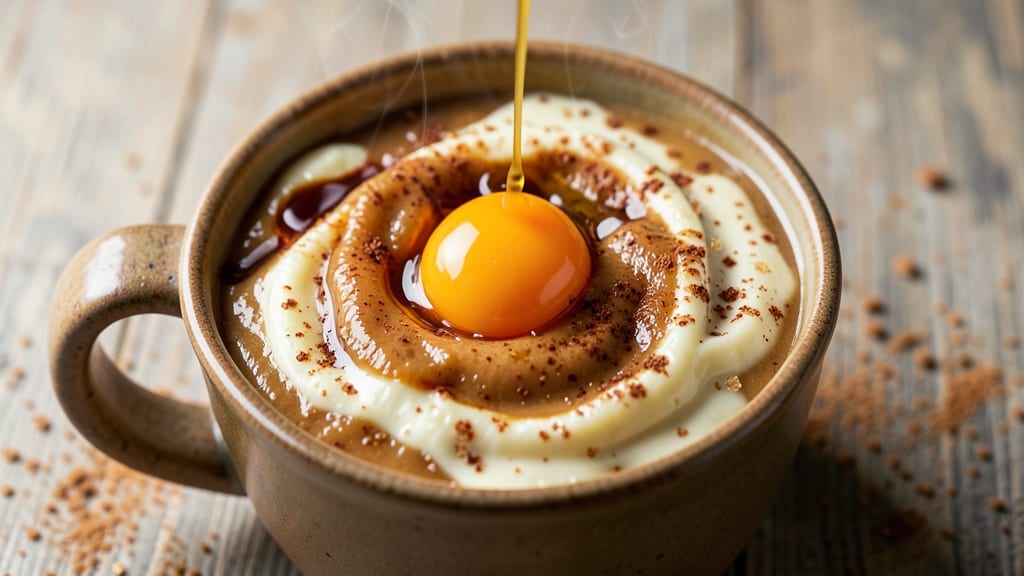
This traditional coquito recipe with eggs transforms a simple breakfast into a velvety, spiced masterpiece—where raw egg yolks create that signature silky texture. 💛 The key lies in tempering the yolks with warm milk to prevent scrambling, while cinnamon and nutmeg build warmth that lingers long after the first sip.
I first discovered this version while researching Puerto Rican holiday traditions, where coquito evolves from a festive drink to a breakfast staple when enriched with eggs.
The magic happens in three simple steps: blending the base ingredients, gently heating the mixture while whisking the yolks into a silky emulsion, and finishing with rum for depth.
Unlike commercial versions, this recipe delivers authentic richness without artificial stabilizers—just whole eggs, evaporated milk, and spices that sing when properly balanced. The result is a drink that's creamy yet light, with a subtle caramel undertone from the slow simmering process.
What makes this version special is how the eggs elevate the coquito beyond a simple spiced milk drink. They create a luxurious mouthfeel that makes it feel like a dessert, while the rum infusion adds complexity that transforms it into a breakfast you'll crave.
Serve it chilled for a festive touch or warm it gently to release the spices' full aroma—either way, the egg-enriched texture remains irresistibly smooth.
Perfect for holiday mornings, brunch gatherings, or as a comforting treat any time of year, this coquito proves that traditional recipes can be both nostalgic and innovative. The egg technique might seem intimidating at first, but once you master the tempering process, you'll never go back to store-bought versions.
Let's make this rich, spiced breakfast drink that tastes like a warm hug in every sip.
Ingredients for traditional coquito recipe with eggs
Six egg yolks and warm spices create this velvety Puerto Rican breakfast masterpiece.
| Ingredient | Amount | Notes |
|---|---|---|
| Large Egg Yolks 🥚 | 6 whole | Fresh, room temperature preferred |
| Evaporated Milk 🥛 | 1 cup | Full-fat for optimal creaminess |
| Whole Milk 🥛 | 1 cup | 2% or whole preferred |
| Light Brown Sugar 🍚 | ¾ cup | Packed firmly for accuracy |
| Dark Rum 🍹 | ½ cup | 40% ABV or higher preferred |
| Ground Cinnamon 🌿 | 2 tsp | Ceylon cinnamon for delicate flavor |
| Ground Nutmeg 🌿 | 1 tsp | Freshly grated preferred |
| Ground Cloves 🌶️ | ½ tsp | Whole cloves toasted for aroma |
| Vanilla Extract 🌸 | 1 tsp | Pure Madagascar preferred |
| Salt 🧂 | ½ tsp | Diamond Crystal kosher preferred |
| Heavy Cream 🥛 | ½ cup | 36% fat for stability |
| Fresh Lime Juice 🍋 | 1 tbsp | Strained for clarity |
| Coconut Cream 🥥 | ¼ cup | Thick, chilled for texture |
The egg yolks are non-negotiable for that signature silky texture. Use fresh, room-temperature yolks—they emulsify better when warm. For the milk, evaporated milk adds body while whole milk provides freshness. I always grab Whole Foods' organic evaporated milk for the best results, but any full-fat evaporated milk works. The brown sugar should be packed firmly—light brown sugar with molasses gives that subtle caramel undertone mentioned in the intro. For the rum, Bacardi 151 or Flor de Caña add authentic depth, but any 40% ABV dark rum will work.
No Ceylon cinnamon? Regular ground cinnamon works at the same amount, but you'll notice a slightly stronger flavor. Short on nutmeg? Mace at half the amount provides a similar warmth. The vanilla extract matters here—pure Madagascar vanilla has the most complex flavor profile. For a dairy-free version, substitute the heavy cream with full-fat coconut milk, though the texture will be slightly lighter. The coconut cream at the end adds a luxurious finish—Trader Joe's thick coconut cream is my go-to, but any chilled coconut cream will do.
Store the coquito in an airtight container in the fridge for up to 5 days. The flavor actually improves after 24 hours as the spices meld. For best texture, whisk vigorously before serving. This reheats beautifully—simmer gently on low heat for 2-3 minutes to restore creaminess. The rum infusion means it's best enjoyed within 3 days of making for peak freshness, though the spiced milk base keeps for 1 week without alcohol.
Why You'll Love This Recipe
- No Pan Required: I just blend everything—no stove, no fuss. The yolks and evaporated milk create that velvety texture without a single pot to wash.
- Rich Without Effort: That rum and brown sugar caramelize into something deep and warm, like a hug in a glass. Honestly, the eggs make it creamy without heavy cream.
- Holiday or Sip: Serve it chilled for Christmas gatherings or sip it warm with friends. The eggs keep it smooth, so it works year-round—no excuses.
- Leftovers That Last: This keeps for days in the fridge, and the eggs actually make it taste better the next day. Budget win: one batch feeds a crowd, and I always have seconds.
Step-by-step instructions for traditional coquito with eggs
Master this Caribbean classic with a velvety yolk base and bold spiced rum infusion.
🍳 Step 1: Temper the Egg Yolks for Perfect Texture
Place the 6 whole Large Egg Yolks in a heatproof bowl over a pot of simmering water—this gentle heat bath prevents scrambling. Whisk constantly for 3-4 minutes until the yolks reach 160°F (they should thicken slightly but remain smooth). The goal is to warm them just enough to blend seamlessly with the milk mixture without cooking.
I like to use a thermometer for precision here—overheating turns yolks grainy, while under-tempering leaves them too thin. Remove from heat immediately once you reach temperature, then let them cool to room temperature for 5 minutes. This step is the foundation of that signature coquito silkiness.
👨🍳 Step 2: Combine Spiced Milk Mixture
In a separate saucepan, warm the 1 cup Evaporated Milk and 1 cup Whole Milk over medium heat until steaming but not boiling (180°F). In a small bowl, whisk together the 0.75 cup Light Brown Sugar, 2 tsp Ground Cinnamon, 1 tsp Ground Nutmeg, 0.5 tsp Ground Cloves, 1 tsp Vanilla Extract, and 0.5 tsp Salt until fully dissolved.
Here's the thing—those spices need to bloom properly. Add the spice mixture to the warm milk and stir constantly for 2 minutes until fragrant. The cloves and nutmeg should release their aromatic oils, creating that warm, spiced aroma that defines coquito. Remove from heat and let steep for 5 minutes while you prepare the yolks.
🥘 Step 3: Blend Yolks and Milk for Silky Base
Slowly pour the tempered yolks into the spiced milk mixture while whisking vigorously. This gradual combination prevents curdling. Return the mixture to low heat and cook for 5-7 minutes, stirring constantly with a wooden spoon, until it thickens enough to coat the back of the spoon. You're aiming for a custard-like consistency—thick but still pourable.
Watch for those telltale signs: the mixture should pull away from the sides of the pan slightly and leave a visible trail when you run your finger through it. If it thickens too quickly, whisk in 1-2 tablespoons of the hot milk mixture to loosen it. The key is patience—rushing this step leads to grainy texture.
🍳 Step 4: Infuse with Rum and Finish
Remove from heat and stir in the 0.5 cup Dark Rum and 1 tbsp Fresh Lime Juice. The rum adds depth while the lime brightens the flavors. Let the mixture cool to 110°F (about 10 minutes) while you prepare the cream topping.
In a chilled bowl, whip the 0.5 cup Heavy Cream and 0.25 cup Coconut Cream until soft peaks form. Fold this lightly into the warm coquito mixture—just enough to create a marbled effect. The contrast between the warm custard base and cool cream topping is what makes this drink truly special.
⏰ Step 5: Chill and Serve Traditionally
Transfer the coquito to serving glasses or a pitcher and refrigerate for at least 4 hours (overnight is ideal). This chilling time allows all the flavors to meld perfectly. The texture should be rich and velvety, with just the right balance of sweetness, spice, and rum warmth.
Serve in small glasses with a sprinkle of ground cinnamon on top. For authenticity, serve with a side of tostones or queso de hoja. The rum infusion should be noticeable but not overpowering—each sip should deliver layers of spice, citrus, and that signature egg-yolk richness that makes this coquito truly traditional.
Pro Tips For Making Traditional Coquito Recipe With Eggs
- Temper the yolks first: I learned this the hard way—dumping cold yolks into hot milk turns your coquito into scrambled eggs. Whisk the yolks with 1/4 cup of the evaporated milk first, then slowly add the rest while stirring constantly. This keeps the texture silky instead of grainy.
- Use room-temperature rum: Cold rum sinks like a rock and never blends in properly. Let your dark rum sit out for at least 30 minutes before adding it to the mixture—this ensures it emulsifies smoothly and doesn’t leave pockets of boozy liquid. (Yes, even if you’re impatient like me.)
- Simmer low and slow: After combining everything, keep the heat at a bare simmer—no boiling. I used to rush this, and the eggs would curdle, giving that weird, lumpy texture. A gentle bubble for 10-12 minutes is all it needs to thicken properly without breaking.
- Toast the brown sugar: Sprinkle the light brown sugar over a dry skillet for 2-3 minutes until it smells caramelized and deepens in color. This adds a richer, more complex flavor to the coquito without altering the recipe’s balance. (It’s a tiny effort that makes a real difference.)
Essential equipment for great traditional coquito recipe with eggs
Heatproof Mixing Bowl
You absolutely need a heatproof glass or stainless steel bowl for tempering those egg yolks—this prevents cracking and ensures even heating. I swear by my CorningWare heatproof mixing bowl (10-inch size) because it handles direct heat beautifully while keeping the yolks smooth.
Avoid plastic or thin metal bowls—they can't handle the gentle heat bath required for proper tempering. 🥚
Double Boiler Setup
A double boiler system is non-negotiable for the yolk tempering step. You can use a heatproof bowl over a saucepan with 2 inches of simmering water (no direct contact!). For convenience, I use a Le Creuset enameled cast iron double boiler—it maintains steady heat without scorching.
If you don't have one, a stainless steel saucepan with a heatproof bowl works perfectly with the same principle.
High-Quality Thermometer
Precision matters when tempering yolks to 160°F—a digital instant-read thermometer (like the ThermoWorks Thermapen One) ensures you don't overcook. I've ruined batches by eyeballing the temperature, so trust me on this: invest in a good thermometer.
For the milk mixture, it also helps track the 180°F steaming point without boiling. The $20 difference saves you from grainy texture disasters. 🌡️
Whisk with Long Handle
A balloon whisk with a long handle (like the OXO Good Grips) is essential for two reasons: it reaches deep into the saucepan for even mixing, and the long handle keeps your hands safe from heat.
I use mine constantly for whisking the yolks and blending the milk mixture. The siliconized wire also resists rust and cleans easily—no more scrubbing stubborn egg residue.
Medium-Heat Saucepan
Choose a 3-quart heavy-bottomed saucepan (like All-Clad Stainless) for the milk mixture—it distributes heat evenly and prevents scorching. The wide base also gives you plenty of room to stir without spills.
I avoid nonstick pans here because they can't handle the medium heat required for proper spice infusion. A copper-bottomed pan would be ideal, but stainless steel does the job just fine.
Fine-Mesh Sieve
For straining the spiced milk mixture (optional but recommended), a fine-mesh sieve (like OXO Good Grips) removes any clumps of sugar or spices. I strain mine into a clean pitcher before combining with the yolks—it makes the final texture impossibly smooth.
If you don't have one, a cheesecloth works in a pinch, but it requires more effort to rinse afterward. 🧂
Nutrition facts
Frequently asked questions
Why do we use egg yolks in coquito instead of whole eggs?
The yolks create that signature velvety texture without making the drink too heavy. Whole eggs would add extra protein that could make the mixture grainy when heated. The yolks also help stabilize the spices and create a luxurious mouthfeel that makes it feel like a dessert drink. Plus, they cook faster than whites, preventing curdling during the tempering process.
Can I make this coquito without rum?
Simply omit the rum and add an extra 1-2 tablespoons of vanilla extract or a splash of orange juice for brightness. The spiced milk base will still be delicious—it just won't have that deep, boozy warmth. For a non-alcoholic version, I like adding a pinch of cinnamon and nutmeg to the whipped cream topping instead.
How do I fix grainy texture if I overcook the yolks?
If your coquito turns grainy, immediately remove it from heat and whisk in 1-2 tablespoons of cold heavy cream or coconut cream. The fat content helps smooth out the texture. For extra insurance, strain the mixture through a fine-mesh sieve before serving. Prevention is key—use a thermometer to monitor the yolks at 160°F and never let the milk mixture boil.
Can I make this ahead of time for holiday gatherings?
This coquito actually tastes better after 24 hours as the flavors meld! Store it in an airtight container in the fridge for up to 5 days. The texture remains silky when reheated gently on low heat for 2-3 minutes—just whisk vigorously before serving. For parties, make it the night before and serve chilled with cinnamon sticks for garnish. The rum infusion means it's best enjoyed within 3 days for peak freshness.
What's the difference between this and regular coquito?
Regular coquito is typically a spiced milk drink made with condensed milk and evaporated milk, while this version uses egg yolks for that signature silky texture. The yolks create a custard-like base that's richer and more stable when heated. Traditional versions often include coconut milk or cream, but the egg version has a more luxurious mouthfeel similar to eggnog. The rum infusion also adds depth that makes this perfect for breakfast or holiday mornings.