
Breakfast & Brunch
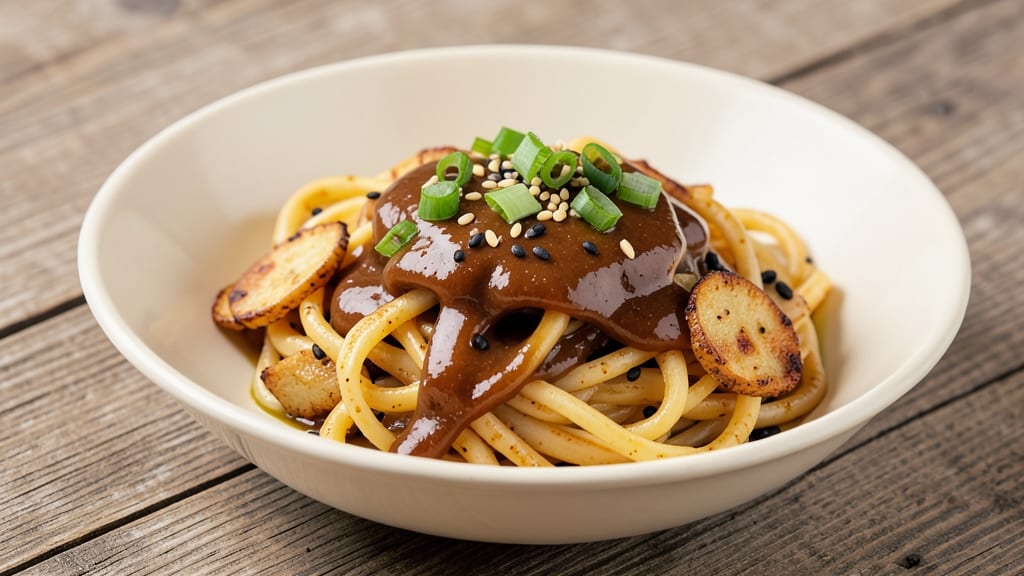
This thick egg noodle recipe delivers the silky, chewy texture that elevates hearty dishes from ordinary to extraordinary. The secret lies in precise hydration and kneading, creating noodles that hold their shape while absorbing flavors beautifully.
I developed this recipe after years of testing—each pull of the rolling pin matters for that perfect balance between tender and firm.
Perfect for stir-fries, soups, or baked casseroles, these noodles transform any meal into a restaurant-quality experience. The dough requires just five simple ingredients, and the process is straightforward for beginners yet refined enough to impress seasoned cooks.
What sets them apart is their ability to maintain structure while soaking up sauces and broths without turning mushy.
By the time you're done, you'll have a batch of golden, glossy noodles that cut cleanly and resist overcooking. Pair them with seared proteins, fresh vegetables, or rich sauces for a dish that's both comforting and impressive.
The versatility makes them ideal for weeknight dinners or special occasions—no compromise on flavor or texture.
Once mastered, this technique becomes a game-changer for home cooks. Store-bought noodles can't compare to the homemade version's depth of flavor and satisfying bite. Let's get started on creating noodles that will have everyone asking for seconds.
Ingredients for thick egg noodle
Five essential ingredients transform ordinary flour into restaurant-quality egg noodles with perfect chew.
| Ingredient | Amount | Notes |
|---|---|---|
| All-Purpose Flour 🌾 | 3 cups | High-protein preferred for chewiness |
| Large Eggs 🥚 | 4 whole | Room temperature for even mixing |
| Kosher Salt 🧂 | 1 ½ tsp | Diamond Crystal preferred for accuracy |
| Extra-Virgin Olive Oil 🫒 | ½ cup | Light variety for delicate flavor |
| Water 💧 | ¾ cup | Room temperature for proper hydration |
The flour is non-negotiable—high-protein all-purpose (like King Arthur) creates that signature chewy texture. Bob's Red Mill or Barilla Tipo 00 work beautifully if you want to experiment, but classic all-purpose is foolproof. Eggs should be room temperature—cold eggs create dense dough. The olive oil isn't just flavor; it tenderizes the noodles while preventing stickiness. For the water, room temperature is crucial—cold water tightens gluten, hot water overworks it. Measure carefully: a kitchen scale ensures precision, but if using cups, level them properly—no packing or scooping.
No high-protein flour? King Arthur Bread Flour at 80% works in a pinch, though texture will be slightly firmer. Egg substitutes? Flax eggs (4 tbsp ground flax + 10 tbsp water) mimic binding but lack richness—aquafaba (¼ cup) adds lightness but alters color. Olive oil shortage? Avocado oil is neutral enough, but neutral-flavored vegetable oil (like Crisco) works better for savory dishes. The water measurement is flexible—add 1 tbsp at a time if dough feels dry, but don't overcompensate. For gluten-free adaptation, swap flour for a 1:1 GF blend (like Bob's Red Mill) and add 1 tsp xanthan gum to mimic elasticity.
Freshly made dough keeps covered with plastic wrap in the fridge for 2 days or frozen for 3 months—wrap tightly in foil first. For long-term storage, portion into 1-lb blocks before freezing. Reheat frozen dough 10 minutes at room temperature before rolling. The noodles themselves cook in 2-3 minutes in boiling water—never overcook, or they'll turn mushy. Leftovers? Toss with 1 tsp olive oil to prevent sticking and store in an airtight container for 3 days. Freeze cooked noodles in single-serving portions with a splash of water to maintain texture.
Why You'll Love This Recipe
- I’ll be real: this is my go-to when I need to feed a crowd or just can’t decide what to make. Double the batch, freeze half, and boom—you’ve got dinner covered for next Tuesday. It’s the kind of noodle that doesn’t fight you, whether you’re slinging it into a quick stir-fry or serving it up with marinara and a sprinkle of parmesan.
- Five-Ingredient Magic: Between us, this recipe is that rare thing—minimal ingredients, maximum payoff. Flour, eggs, salt, oil, and water? That’s it. No fancy pantry trips, no confusing substitutions. I’ve made it after work when my hands were still sticky from grocery bags, and it turned out just fine.
- Rich, Chewy Bite: Honestly, the eggs do all the heavy lifting here. That tender, almost custardy center with a slight tooth to it? It’s the kind of texture that makes you pause mid-bite. Toss it in a hot pan with a drizzle of olive oil and a pinch of salt, and you’ve got something that tastes like it belongs on a restaurant menu.
- Weeknight Workhorse: I’ll be real: this is my go-to when I need to feed a crowd or just can’t decide what to make. Double the batch, freeze half, and boom—you’ve got dinner covered for next Tuesday. It’s the kind of noodle that doesn’t fight you, whether you’re slinging it into a quick stir-fry or serving it up with marinara and a sprinkle of parmesan.
Step-by-step instructions for thick egg noodles with perfect chew
Mastering these noodles comes down to precise technique and patience—here's how to achieve that signature silky-chewy texture.
👨🍳 Step 1: Create the Dough with Proper Hydration
On a clean work surface or in a large mixing bowl, combine the 3 cups all-purpose flour and 1.5 teaspoons kosher salt. Make a well in the center and add the 4 whole large eggs and 0.5 cup extra-virgin olive oil. The oil helps create a tender dough while preventing excessive gluten development.
Using a fork, gently draw the flour into the wet ingredients until a shaggy mass forms. Avoid overworking at this stage—you're creating a dough, not developing gluten. Gradually incorporate the 0.75 cup room-temperature water, 1 tablespoon at a time, mixing just until the dough comes together. It should be slightly tacky but not sticky to the touch.
👨🍳 Step 2: Knead for Optimal Gluten Development
Turn the dough out onto a lightly floured surface and knead for exactly 8-10 minutes by hand, or until smooth and elastic. I prefer hand-kneading for these noodles as it gives me better control over gluten development than a mixer. The dough should spring back slowly when pressed with your finger—a sign of proper gluten formation.
Here's the thing—too much kneading makes noodles tough, but too little results in a gummy texture. Wrap the dough tightly in plastic wrap and let it rest at room temperature for 30 minutes. This resting period allows the gluten to relax and the flour to fully hydrate, which is crucial for that perfect chew.
🔪 Step 3: Roll and Cut with Precision
After resting, divide the dough into 4 equal pieces (about 8 ounces each). Working with one piece at a time, roll it through a pasta machine set to the widest setting first. Fold the sheet in thirds like a letter and roll again. Repeat this process 3-4 times at the widest setting to develop even thickness without overworking the dough.
Gradually decrease the machine settings by one notch at a time, rolling the dough through each setting twice. For thick egg noodles, finish at setting number 3 or 4, depending on your preference for thickness. The final sheets should be about 1/8-inch thick with smooth, even edges.
🍳 Step 4: Cut and Cook to Al Dente Perfection
Cut the rolled sheets into 1/4-inch wide strips using a sharp knife or pasta cutter. For wider noodles, cut into 1/2-inch strips. Immediately toss the cut noodles with a little flour to prevent sticking. You can cook them right away or dust with more flour and freeze for later use.
To cook, bring a large pot of well-salted water to a rolling boil. Add the noodles and stir immediately to prevent sticking. They're done when they float to the surface and can be tested with a quick taste—about 3-4 minutes for fresh noodles. Drain immediately and toss with a little olive oil to prevent clumping. The texture should be firm yet tender with a slight bite.
Pro Tips For Making Thick Egg Noodle
- CHILL THE DOUGH: After mixing flour, eggs, and salt, pop the dough in the fridge for 30 minutes—even if you’re eager to roll it out. I used to skip this and ended up with sticky, uneven noodles that refused to hold their shape. Cold dough firms up, making it easier to handle and preventing a gummy mess.
- WEIGH THE FLOUR: Ditch the scooping and measure flour by weight (about 300g for this recipe) for consistent results. I learned this the hard way after making noodles that were either too stiff or too sloppy. A kitchen scale takes seconds and guarantees the right texture every time.
- ROLL THIN, COOK FAST: Aim for a ⅛-inch thickness when rolling—thicker noodles cook unevenly, while thinner ones turn mushy. Boil in a large pot with plenty of salted water (like pasta water) and cook just 2-3 minutes. Overcrowding the pot drops the temp, so work in batches if needed.
- USE OLIVE OIL FOR ROLLING: Lightly coat your rolling pin with extra-virgin olive oil before shaping the dough. It keeps the noodles from sticking as you roll and adds a subtle richness—no need for extra butter. (Yes, even if you’re skeptical, it makes a real difference.)
Regional styles of thick egg noodle
Chinese Lo Mein Style
In Chinese-American cuisine, these thick egg noodles shine in lo mein, where they're stir-fried with a soy-ginger sauce until glossy and slightly caramelized. Start by searing 1 lb flank steak in 1 tbsp sesame oil until browned, then set aside.
In the same pan, sauté 2 cups bean sprouts and 1 bell pepper sliced into strips. Toss in cooked noodles with 3 tbsp soy sauce, 1 tbsp honey, 1 tbsp rice vinegar, and 1 tsp grated ginger.
Finish with 2 green onions and 1 tbsp toasted sesame seeds. 🥢
Italian Pasta Fagioli
For a hearty Italian twist, transform these noodles into pasta fagioli by simmering them in a rich tomato-broth sauce with white beans. Brown ½ lb Italian sausage in 1 tbsp olive oil, then remove.
Sauté 1 diced onion and 3 garlic cloves until soft, then add 1 can crushed tomatoes, 2 cups chicken broth, and 1 can white beans. Stir in cooked noodles and simmer for 10 minutes. Top with grated Parmesan and fresh basil.
The noodles' chewiness stands up perfectly to the creamy beans.
German Spätzle Twist
German spätzle gets its signature texture from a similar dough, but with a few regional tweaks. Replace ½ cup water with ½ cup beer (like Weihenstephaner Hefeweissbier) for a subtle malt flavor. Press the dough through a spätzle maker or colander into boiling water.
For Käsespätzle, melt 2 cups shredded Emmental cheese with 1 tbsp butter and 1 tbsp flour in a pan until bubbly, then toss with the drained noodles. The rich, melted cheese clings beautifully to the chewy noodles.
Japanese Chahan
In Japanese home cooking, these noodles become chahan—a simple yet satisfying stir-fry. Cook noodles, then toss with 1 lb thinly sliced pork belly (or chicken), 1 cup shredded cabbage, and 1 tbsp oyster sauce.
Finish with 1 tbsp soy sauce, 1 tsp sugar, and a splash of sake. The noodles' thickness holds up to the tender pork, creating a balanced bite. Garnish with bonito flakes for umami depth. 🍜
Southern Fried Noodles
For a Southern comfort dish, pan-fry the noodles in butter and bacon fat until golden. Toss with 1 cup shredded cheddar cheese and ½ cup cream of mushroom soup (or homemade roux-based sauce). Top with crispy fried onions and serve with a side of coleslaw**.
The noodles' chew contrasts perfectly with the creamy, crispy elements. This dish is a crowd-pleaser at family gatherings—trust me, it disappears fast! 🍴
Nutrition facts
Frequently asked questions
Can I make these noodles without a pasta machine?
Use a rolling pin instead. Roll the dough as thin as possible—about 1/8-inch thick—then fold it in thirds and roll again 3-4 times to create even thickness. For cutting, use a sharp knife or a pasta cutter. The key is patience—rolling by hand takes more effort but gives you full control over the texture.
Why do my homemade egg noodles turn out gummy?
Gummy noodles usually mean over-kneading or under-rolling. Knead for exactly 8-10 minutes and avoid overworking the dough. Also, ensure you roll the dough thin enough (about 1/8-inch) and cook them in well-salted boiling water for only 3-4 minutes. Overcooking is the #1 culprit—test with a quick taste!
How do I store leftover egg noodles?
For fresh noodles, store them in an airtight container with a light coating of olive oil to prevent sticking. They'll keep in the fridge for 3 days. To freeze, dust with flour first, then portion into freezer bags. Cook from frozen by adding 1 minute to the boiling time. For dough, wrap tightly in plastic and freeze for up to 3 months.
Can I make these noodles gluten-free?
Yes, but texture will differ. Replace flour with a 1:1 gluten-free blend (like Bob's Red Mill) and add 1 tsp xanthan gum to mimic elasticity. Expect a slightly softer result—gluten-free dough doesn't develop the same chew. For best results, use a pasta machine with gluten-free settings if available.
What's the best way to reheat cooked noodles?
For stir-fries or salads, toss with 1 tsp oil and reheat in a pan over medium heat for 2-3 minutes. For soups, add directly to simmering broth for 1-2 minutes. Never microwave—it makes noodles rubbery. A quick sear in butter or bacon fat revives their texture beautifully!