
Sauces & Condiments
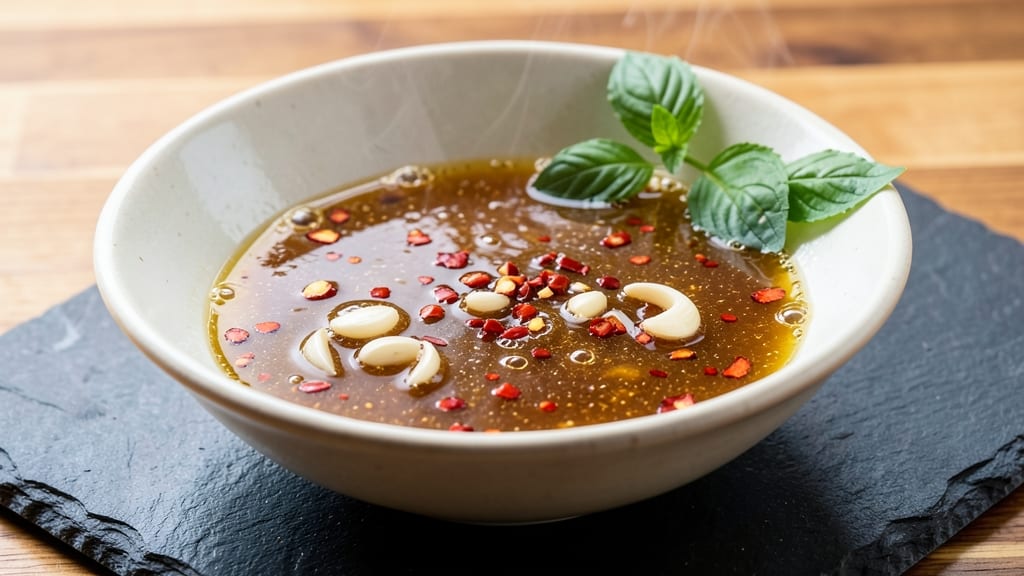
This Thai egg roll sauce recipe transforms takeout nights into a homemade experience with its perfect balance of sweet, spicy, and umami flavors. The secret lies in simmering fish sauce, soy sauce, and vinegar until the liquid reduces into a glossy, aromatic drizzle—no complicated techniques required.
I developed this recipe after craving that signature sauce from my favorite Thai spot, and it’s now my go-to for egg rolls, spring rolls, or even as a marinade for grilled meats.
The beauty of this sauce is its simplicity: just five core ingredients (with optional chili for heat) create a versatile condiment that elevates any dish. The reduction process concentrates the flavors, turning a basic pantry mix into something restaurant-quality.
Unlike store-bought versions, this one delivers depth—bright, tangy, and just sweet enough to complement crispy fried textures without overpowering them.
What you’ll end up with is a glossy, sticky sauce that clings to every bite, adding layers of flavor whether you’re dipping egg rolls or drizzling over noodles. The balance of salty, sweet, and umami makes it addictive, while the optional chili adds a kick for those who love heat.
It keeps well in the fridge for up to two weeks, so you can make a batch and enjoy it all week.
This sauce isn’t just for egg rolls—use it to glaze grilled chicken, toss with rice noodles, or even drizzle over fresh spring rolls for a homemade touch. Let’s make it.
Ingredients for thai egg roll sauce
Five pantry staples plus a pinch of heat—this sauce delivers restaurant-quality flavor every time.
| Ingredient | Amount | Notes |
|---|---|---|
| Fish Sauce 🍶 | ½ cup | High-quality Thai brand preferred |
| Light Soy Sauce 🥫 | ¼ cup | Kikkoman or similar |
| Rice Vinegar 🍶 | ¼ cup | White or seasoned |
| Granulated Sugar 🍚 | ¼ cup | Or brown sugar for depth |
| Red Chili Flakes 🌶️ | 1 tbsp | Adjust for heat preference |
| Garlic Cloves 🧄 | 2 cloves | Minced for flavor infusion |
| Sesame Oil 🫒 | 1 tbsp | Toasted for aroma |
| Water 💧 | ¼ cup | For thinning if needed |
The fish sauce is non-negotiable here. Red Boat or Tiparos brands are my go-to—they’ve got that deep, funky umami that makes this sauce sing. Grab the light soy sauce too, not the dark kind (that’s for stir-fries). The rice vinegar should smell bright and clean—none of that funky stuff. For the sugar, I usually use white, but light brown adds a caramel note that’s worth the swap. Chili flakes? Trader Joe’s has the best quality for a reasonable price, and the garlic? Minced is ideal, but a couple of cloves smashed with the side of your knife works in a pinch.
No fish sauce? Coconut aminos at double the amount gets you close, though it’ll lack some depth. Light soy sauce missing? Dark soy sauce at half the quantity works, but it’ll darken your sauce. Vinegar? Apple cider vinegar is a game-changer—more complex flavor. Sugar substitute? Maple syrup or agave work 1:1, but they’ll add a subtle floral note. Chili too spicy? Swap for 1 tsp chili paste or skip it entirely. And if you’re feeling fancy, a splash of lime juice at the end brightens everything up.
This sauce reduces fast, so keep an eye on it. Once thickened, let it cool completely before storing—it’ll thicken even more as it sits. Keeps for 2 weeks in the fridge, or 3 months frozen in ice cube trays. The frozen cubes are perfect for adding to stir-fries or marinades without thinning. Double the batch—you’ll want it on hand for everything from egg rolls to grilled shrimp.
Why You'll Love This Recipe
- Pantry Magic: That’s it—just five ingredients, no fancy gadgets. I’ve made this sauce while my coffee brewed and my toddler napped. No chopping, no waiting for veggies to soften, just stir and taste.
- Umami Bomb: Fish sauce and soy sauce team up for that deep savory punch, while the sugar cuts through the heat from the chili flakes—like a perfect balance of salty, sweet, and a little kick. Honestly, it’s the kind of flavor that makes you reach for the last egg roll twice.
- Dip Everything: This sauce isn’t just for egg rolls. Drizzle it over noodles, toss it with rice, or even slather it on grilled chicken. I’ve used it for takeout night, potlucks, and lazy Sunday brunches. It’s my go-to for when I’m tired of the same old dipping sauce.
- Budget Stretch: A few tablespoons of fish sauce and a pinch of chili flakes go a long way. I’ve made this for a dinner party of six and still had leftovers for my lunch the next day. Plus, it costs pennies compared to store-bought sauces. (Yes, even on a Tuesday night.)
Step-by-step instructions for Thai egg roll sauce
Here's how to make this addictive, balanced sauce that elevates any takeout dish.
Combine Wet Ingredients in a Saucepan
In a medium saucepan, pour in the 0.5 cup fish sauce, 0.25 cup light soy sauce, 0.25 cup rice vinegar, and 0.25 cup granulated sugar. Stir constantly over medium heat until the sugar dissolves completely—this should take about 2-3 minutes. You'll see the mixture turn into a smooth, amber liquid with no graininess remaining.
This initial combination creates the sauce's foundational umami and sweetness balance. I like to use a wooden spoon here because it helps prevent scorching at the bottom of the pan. If you notice any sugar crystals lingering, just keep stirring and let it cook slightly longer—the heat will break them down.
Add Garlic and Chili Flakes
Push the mixture to one side of the pan and add the 2 cloves minced garlic and 1 tablespoon red chili flakes. Cook for 1-2 minutes until the garlic becomes fragrant and just begins to turn golden—this is when it releases its full flavor potential. Be careful not to let it burn, as it can quickly turn bitter.
The garlic should infuse the sauce with its aromatic depth, while the chili flakes add that signature Thai heat. Here's where you can adjust the spice level—if you prefer milder heat, reduce the chili flakes to ½ tablespoon and add more later if needed. The sauce should now have a rich, complex aroma that combines sweet, salty, and spicy notes.
Simmer and Thicken the Sauce
Pour in the 1 tablespoon sesame oil and stir well to distribute it evenly. Then add the 0.25 cup water and bring the entire mixture to a gentle simmer. Let it cook uncovered for 5-7 minutes, stirring occasionally, until it thickens slightly and coats the back of a spoon. You're looking for a consistency that's syrupy but still pourable—not gluey.
This simmering step is crucial for developing the sauce's depth of flavor. The liquid will reduce by about ¼, concentrating all those amazing flavors. If the sauce starts to look too thick before it's fully cooked, add 1 tablespoon water at a time until you reach the desired consistency. The sauce should be glossy and cling to whatever you drizzle it over.
Taste and Adjust the Balance
Remove the sauce from heat and let it cool for 5 minutes. Taste and adjust the seasoning—this is where you fine-tune the perfect balance. If it needs more sweetness, add a pinch of sugar. For more umami, add a splash of fish sauce. For extra tang, a bit more rice vinegar works well. The sauce should be complex with all flavors harmonizing—sweet, salty, tangy, and spicy.
Here's the thing—I always make a little extra because it's impossible to resist. Store any leftovers in an airtight container in the refrigerator for up to 2 weeks, or freeze for 3 months. The flavors actually improve with time as they meld together. This sauce is perfect for drizzling over spring rolls, pad thai, or even grilled meats—it transforms ordinary dishes into something extraordinary.
Pro Tips For Making Thai Egg Roll Sauce
- Whisk in Stages: Start by mixing the fish sauce and sugar first—let them sit for 30 seconds so the sugar dissolves completely. Then add the soy sauce and vinegar, or you’ll end up with a grainy mess that ruins the smoothness.
- Taste Before Chili: Add the red chili flakes last—after everything else is balanced. Skip this, and you might overdo the heat without realizing how much salt and sweetness you’ve already got.
- Use Warm Vinegar: Dump cold rice vinegar straight in, and you’ll get a dull, flat sauce. Warm it slightly (just a few seconds in the microwave) first—it blends better and brightens the flavor instantly.
- Double-Check Fish Sauce Age: Old fish sauce tastes harsh and metallic. If yours smells sharp or looks cloudy, toss it—no amount of sugar will fix it. Fresh, slightly sweet-smelling fish sauce makes all the difference.
Pro cooking tips for perfect results
Heat Control Secrets
Keep your saucepan heat at medium—too high and you’ll scorch the sugar, leaving a bitter aftertaste. I use a stainless steel saucepan because it heats evenly and won’t react with the acidic ingredients.
Once simmering, reduce to low heat to prevent splattering while the sauce thickens. If it starts to boil vigorously, lower the heat immediately—this sauce should bubble gently, not roar. 🌡️
Garlic Timing Matters
Add the minced garlic only after the wet ingredients dissolve—this ensures even cooking without burning. For extra flavor, let it sizzle for 30 seconds until fragrant but not browned. If your garlic burns, strain the sauce through a fine-mesh sieve to remove any bitter bits.
I swear by Trader Joe’s minced garlic for consistency, but fresh is always better if you’ve got it. 🧄
Thickness Adjustments
Your sauce should coat the back of a spoon but still be pourable—like honey’s consistency. If it thickens too fast, add 1 tablespoon water at a time. For a glossier finish, stir in ½ teaspoon cornstarch mixed with 1 teaspoon water at the end.
Pro tip: Let the sauce cool completely before storing—it’ll thicken further as it sits. 💧
Flavor Layering
Simmering the sauce uncovered lets excess moisture evaporate, concentrating the flavors. Stir occasionally to prevent sticking, but don’t overmix—this can break down the delicate balance. The sesame oil should infuse aroma, not dominate, so add it last.
Taste as you go: sweetness first, then saltiness, then heat. Adjust gradually—you can’t fix an over-salted sauce, but you can always add more sugar or vinegar. 🔥
Storage Hacks
Transfer the sauce to an airtight container while still warm—this prevents condensation buildup. For long-term storage, freeze in ice cube trays and transfer to a bag. Thaw cubes in the fridge overnight for perfect consistency.
Label with the date—this sauce peaks at 2 weeks in the fridge or 3 months frozen. Trust me, you’ll want to make a double batch. ❄️
Troubleshooting Tips
If your sauce turns cloudy, it’s overcooked—simmer longer next time. For a smoother texture, blend with an immersion blender if you skipped straining. Too tangy? Balance with a pinch of sugar.
Too sweet? Add a splash of fish sauce or rice vinegar. The key is patience—rushing ruins the harmony of flavors. 💡
Nutrition facts
Frequently asked questions
Can I make this sauce without fish sauce?
Yes! For a vegetarian version, replace the 0.5 cup fish sauce with 1 cup coconut aminos or 0.5 cup soy sauce plus 1 tbsp soy sauce starter. The flavor won't be identical, but it'll still taste delicious. For extra umami depth, add 1 tsp mushroom powder or ½ tsp MSG. The sauce will be slightly less complex but perfectly balanced.
How spicy should the sauce be?
The 1 tbsp red chili flakes in the recipe gives a mild to medium heat level—enough to add a kick without overpowering. For milder heat, reduce to ½ tbsp or skip entirely. For extra spice, add 1 tsp chili paste or ½ tsp cayenne pepper at the end. Always taste as you go! The sauce can be adjusted even after cooling, so don't be afraid to experiment.
What if my sauce gets too thick?
No problem! If your sauce thickens too quickly, simply add 1 tbsp water at a time while stirring until you reach a honey-like consistency. For a glossier finish, mix ½ tsp cornstarch with 1 tsp cold water, stir into the sauce, and simmer for 1 minute until thickened. Remember, the sauce will continue to thicken as it cools, so aim for a slightly thinner consistency while warm.
Can I use this sauce for other dishes besides egg rolls?
This versatile sauce works perfectly as a dipping sauce for spring rolls, dumplings, or grilled meats. Drizzle it over noodle dishes, rice bowls, or even roasted vegetables for an instant flavor boost. Try using it as a marinade for chicken, shrimp, or tofu before grilling or stir-frying. The balance of sweet, salty, and umami makes it a great all-purpose condiment.
Why does my sauce taste too salty?
If your sauce tastes too salty, it's likely from the fish sauce or soy sauce. Balance it by adding 1-2 tbsp more rice vinegar to cut the saltiness. For a sweeter note, stir in 1-2 tsp additional sugar. If needed, thin with 1 tbsp water and taste again. Remember, you can always adjust flavors after cooling, so don't rush the process. Patience is key for perfect balance!