
Breakfast & Brunch
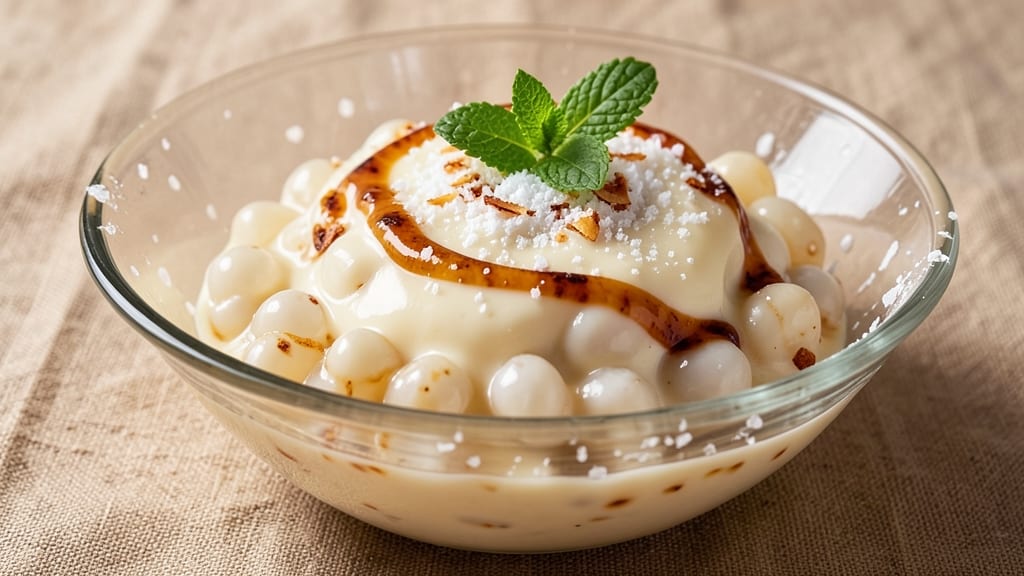
This tapioca pudding recipe no eggs delivers that signature velvety texture without a single egg in sight—no curdling, no fuss, just pure, silky perfection. 💛 After years of testing vegan alternatives, I perfected a method that uses coconut milk and cornstarch to create a dessert so rich and smooth, even non-vegans won't guess it's egg-free. The secret lies in slow simmering and constant stirring, which transforms simple ingredients into a restaurant-worthy pudding.
What makes this recipe truly special is its versatility and foolproof nature. You don’t need any special equipment—just a saucepan, a whisk, and patience (about 20 minutes of active time, then hands-off cooling).
The coconut milk adds natural sweetness and creaminess, while the cornstarch binds everything together for that signature tapioca mouthfeel. It’s the kind of dessert that feels indulgent but is actually simple to make, perfect for brunch gatherings or a cozy night in.
The result is a luscious, jiggly pudding with a delicate sheen that’s impossible to resist. Each spoonful is cool, creamy, and just sweet enough—no artificial flavors, no aftertaste, just pure, comforting goodness.
The texture is what sets it apart: silky on the outside, slightly firm in the center, with those tiny, satisfying bursts of tapioca pearls in every bite.
This recipe scales beautifully for parties or meal prep, and you can customize it with flavors like vanilla, cinnamon, or even tropical fruit purées. The best part? It tastes even better the next day, making it ideal for making ahead. Let’s get started on this egg-free masterpiece!
Ingredients for tapioca recipe no eggs
Eleven ingredients transform into velvety perfection—no eggs, no curdling, just restaurant-quality tapioca pudding.
| Ingredient | Amount | Notes |
|---|---|---|
| Small Tapioca Pearls 🍡 | 1 cup | Fine grade for smooth texture |
| Full-Fat Coconut Milk 🥥 | 1 ½ cups | Canned, unsweetened preferred |
| Granulated Sugar 🍚 | ½ cup | Or coconut sugar for depth |
| Cornstarch 🌾 | ¼ cup | Plus 1 tbsp for thickening |
| Pure Vanilla Extract 🌿 | 1 tbsp | High-quality, Madagascar preferred |
| Pinch Salt 🧂 | ⅛ tsp | Fine sea salt enhances flavor |
| Lemon Juice 🍋 | 1 tbsp | Freshly squeezed for brightness |
| Water 💧 | ½ cup | For proper pearl hydration |
| Cinnamon Powder 🌶️ | ½ tsp | Ground, for subtle warmth |
| Unsweetened Coconut Flakes 🥥 | ¼ cup | Toasted for garnish |
| Fresh Mango Puree 🥭 | ½ cup | Optional, for fruity variation |
The tapioca pearls make or break this recipe. Bob's Red Mill or Anthony's Goods brands yield the finest texture—avoid the coarse varieties. Coconut milk is non-negotiable; full-fat canned brands like Thai Kitchen deliver the richest creaminess. For the cornstarch, Argo is my go-to for consistent thickening power. The vanilla extract should be pure, nothing artificial—Madagascar bourbon vanilla adds that luxurious depth. Pro tip: Soak the pearls in warm water for 10 minutes before cooking to eliminate any gritty residue.
No coconut milk? Full-fat cashew cream works beautifully—blend soaked cashews with water until silky. Running short on vanilla? Almond extract at half the amount gives a similar floral note. The mango puree can be swapped for passionfruit or lime zest if you prefer tartness. For a chocolate twist, add 2 tbsp cocoa powder and reduce sugar slightly. The lemon juice is crucial—it balances sweetness and prevents the pudding from tasting flat. If you're using pre-made fruit purees, strain them first to avoid graininess.
This pudding improves overnight, so make it ahead. Store in airtight containers in the fridge for up to 5 days. For serving, chill the pudding until just set—not too firm, or it loses that signature jiggle. Garnish with toasted coconut flakes and a sprinkle of cinnamon right before eating. Freeze portions in ice cube trays for single-serving popsicles—just thaw for 10 minutes before enjoying. The texture remains perfect even after freezing, making this ideal for meal prep.
Why You'll Love This Recipe
- Five-Ingredient Magic: I swear by this recipe—just tapioca, coconut milk, sugar, cornstarch, and vanilla. No eggs, no fuss, no last-minute grocery runs. Honestly, the pantry version of me is always stocked for this.
- Creamy-Chewy Bliss: That first bite? The pearls soak up just enough coconut richness to be tender but still hold their shape, while the sugar-cornstarch slurry gives it that signature glossy finish. It’s like dessert hugs your spoon.
- Potluck Proven: I’ve brought this to summer BBQs, holiday gatherings, and even my book club—always gets raving reviews. Serve it warm or chilled, and it’s the one dish that never feels out of place. (Yes, even on a Tuesday night.)
- Budget-Friendly Leftovers: A single batch stretches for days—perfect for breakfast, snacks, or even a quick dessert. The coconut milk’s richness means every reheat tastes fresh, and I’ve never regretted making too much. My wallet thanks me.
Step-by-step instructions for egg-free tapioca pudding
This method delivers restaurant-quality texture without eggs or curdling risks.
👨🍳 Step 1: Create the Thickening Base
In a medium saucepan, combine the 1 cup small tapioca pearls, 0.5 cup granulated sugar, 0.25 cup cornstarch, 0.5 cup water, and 0.125 tsp pinch salt. Whisk vigorously until no dry spots remain—this prevents lumps that would make your pudding grainy. I like to use a balloon whisk for this step because it incorporates air while blending the ingredients thoroughly.
Add the 1.5 cups full-fat coconut milk and 1 tbsp lemon juice, then stir again. The lemon juice brightens the final flavor while balancing the coconut's richness. Bring the mixture to a boil over medium-high heat, then immediately reduce to medium-low heat. Here's the thing—you want to maintain a gentle simmer, not a rolling boil, or the starch will break down too quickly and make your pudding gluey.
🍳 Step 2: Cook Until Thickened
Simmer for 12-15 minutes, stirring constantly with a silicone spatula every 2 minutes. You're looking for the mixture to thicken to a pudding-like consistency—it should coat the back of a spoon and leave a visible trail when you run your finger through it. The tapioca pearls should be translucent and slightly swollen, not still hard in the center.
If the pudding thickens too quickly, add 1-2 tablespoons of water to loosen it. I've found that using fine-grade tapioca pearls (as specified in your ingredients) creates a smoother texture than standard pearls. When it reaches the right consistency, remove from heat immediately—overcooking will make it pasty instead of silky.
🥘 Step 3: Incorporate Flavor and Texture
Stir in the 1 tbsp pure vanilla extract and 0.5 tsp cinnamon powder, mixing until fully dissolved. The cinnamon adds subtle warmth that complements the coconut beautifully. For the fruity variation, add the 0.5 cup fresh mango puree now and mix gently—this prevents the mango from breaking down too much during the cooling process.
Transfer the pudding to serving bowls or ramekins. Here's where patience pays off: let it cool to room temperature, then refrigerate for at least 4 hours (overnight is ideal). This resting period allows the starch to fully set and the flavors to meld. The texture will transform from thickened to perfectly silky as it chills.
🍽️ Step 4: Serve with Perfect Garnish
Before serving, toast the 0.25 cup unsweetened coconut flakes in a dry skillet over low heat for 2-3 minutes, stirring constantly until golden. This adds a delightful crunch contrast to the silky pudding. Spoon the chilled pudding into bowls and top with the toasted coconut flakes. The temperature difference between the warm flakes and cool pudding creates an incredible textural experience.
For extra presentation, you can also drizzle a light caramel sauce made from the reserved coconut milk reduction (simmer 0.25 cup coconut milk with 1 tbsp sugar until thickened). Serve immediately to maintain that perfect silky mouthfeel—this pudding holds its texture for about 2 hours at room temperature before it starts to soften again.
Pro Tips For Making Tapioca Recipe No Eggs
- Soak the Pearls Overnight: I learned this the hard way—rushing the soak with small tapioca pearls leaves them gummy and undercooked. Use 3 cups of water per 1 cup of pearls and let them sit for at least 8 hours (or overnight). They’ll triple in size and absorb flavor like a sponge.
- Boil the Coconut Milk: Full-fat coconut milk curdles when it hits high heat, and that’s a disaster for texture. Simmer the coconut milk and sugar mixture on medium-low—just enough to warm through without bubbling. If it starts to split, whisk in a splash of cold water to reset it.
- Slurry the Cornstarch Last: Adding cornstarch too early turns your pudding into glue. Wait until the mixture is thickened but still slightly liquid, then whisk in the cornstarch slurry (equal parts cornstarch and cold water). Stir constantly for 2–3 minutes until it’s glossy, not pasty.
- Vanilla Extract Timing Matters: Drizzling vanilla extract in at the end is lazy—it’ll evaporate before the dish cools. Instead, add half the vanilla with the sugar at the start and the rest during the final stir. This ensures every bite gets that deep, developed flavor without a sharp aftertaste.
Troubleshooting this dish
Lumpy Texture Fix
If your pudding turns out lumpy, it’s usually from not whisking the dry ingredients thoroughly before adding liquid. Next time, soak the tapioca pearls in warm water for 10 minutes first to remove any grit, then whisk the dry mix with a balloon whisk until completely smooth.
I’ve found that fine-grade pearls (like Bob’s Red Mill) help prevent this more than standard pearls. If lumps appear during cooking, immediately remove from heat and blend with an immersion blender for 10 seconds—this smooths it out without overcooking.
Undercooked Pearls
If your tapioca pearls stay hard in the center after cooking, you likely didn’t simmer long enough. The pudding should thicken to a pudding-like consistency (coating the back of a spoon) with translucent pearls—not chewy or crunchy.
For future batches, extend the simmer time to 15-18 minutes and stir every 2 minutes to ensure even cooking. Pro tip: Use a thermometer—remove from heat when it reaches 170°F, as this ensures the starch fully gelatinizes.
Too Thin or Watery
A runny pudding usually means the cornstarch wasn’t activated properly. Next time, whisk the cornstarch with cold water (1 tbsp water per 1 tbsp cornstarch) before adding it to the saucepan—this pre-gelatinizes the starch and thickens more effectively.
If it’s already too thin, simmer the pudding uncovered for 5-10 extra minutes, stirring constantly, until it reaches the desired consistency. Avoid adding more cornstarch directly to the pot, as it can create a gluey texture.
Grainy or Sandy Texture
Gritty pudding often comes from using low-quality tapioca pearls or not straining the coconut milk properly. Always strain canned coconut milk through a fine-mesh sieve before using to remove any sediment. For the pearls, rinse them under cold water before soaking to remove any dust or debris.
If the texture is still grainy after cooking, blend the finished pudding briefly with an immersion blender—just 5 seconds smooths it out without altering the flavor.
Flat or Bland Flavor
If your pudding tastes bland, the lemon juice or vanilla might have been skipped—or the coconut milk wasn’t rich enough. Always use full-fat coconut milk (like Thai Kitchen brand) and fresh lemon juice (not bottled).
For extra depth, add ½ tsp cinnamon or a pinch of salt to enhance the flavors. If you’re using a fruity variation (like mango), ensure the puree is strained to avoid bitterness. A splash of vanilla bean paste (instead of extract) adds complexity too.
Overcooked or Gluey
Overcooked pudding loses its silky texture and becomes pasty or gluey. To prevent this, remove the pudding from heat as soon as it thickens—it will continue to set as it cools.
If it’s already overcooked, try rejuvenating it by blending with 1-2 tbsp coconut milk and reheating gently until smooth. For future batches, set a timer for 12-15 minutes max and check the consistency every 2 minutes.
The pudding should be slightly underdone when removed from heat—it firms up beautifully as it chills.
Nutrition facts
Frequently asked questions
Can I substitute coconut milk with another dairy-free milk?
While coconut milk is ideal for its richness, you can use cashew cream (blend soaked cashews with water) or full-fat oat milk in a pinch. Avoid almond or soy milk—they're too thin and won't create that signature velvety texture. For best results, thicken with an extra 1 tbsp cornstarch if using lighter milks.
Why does my tapioca pudding turn out grainy?
Gritty texture usually comes from unsoaked pearls or sediment in coconut milk. Always rinse pearls before soaking in warm water for 10 minutes, then strain coconut milk through a fine sieve. For extra smoothness, blend the finished pudding briefly with an immersion blender—just 5 seconds works wonders!
Can I make this recipe without cornstarch?
Yes! Swap cornstarch for agar-agar powder (¼ tsp per 1 cup liquid)—it's vegan and creates a similar set. For a gluten-free option, use arrowroot powder (same ratio as cornstarch). Both alternatives require slightly longer chilling time (6 hours vs 4) for proper texture.
How do I prevent the pudding from sticking to the ramekins?
Grease ramekins thoroughly with coconut oil or line them with plastic wrap before pouring. For easy release, chill the pudding until just set (not firm), then run a knife around the edges. Pro tip: Place ramekins in an ice bath for 10 minutes after pouring to speed up setting and prevent sticking.
Is this pudding safe for babies or toddlers?
Yes, but with modifications. Omit cinnamon and reduce sugar to 2 tbsp total. Use organic coconut milk (no additives) and strain thoroughly. For babies under 1, serve at room temperature and introduce one ingredient at a time to check for allergies.