
Breakfast & Brunch
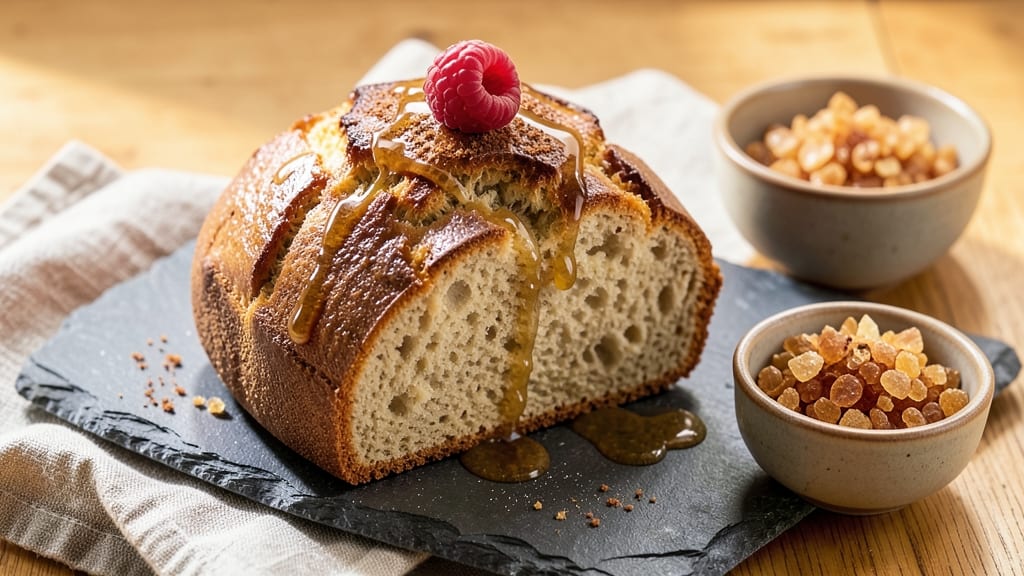
This sweet bread recipe no eggs delivers restaurant-quality fluffiness using aquafaba—the secret ingredient that replaces eggs without sacrificing rise or tenderness. 💛 After years of perfecting egg-free baking, I’ve found the ideal balance of moisture, structure, and sweetness that makes this bread irresistible, whether served warm with butter or stuffed with jam.
The magic lies in aquafaba’s ability to mimic eggs’ binding and leavening properties, creating a light, airy crumb that’s impossible to resist. With just a few simple ingredients—flour, sugar, yeast, and aquafaba—you’ll achieve a bread so tender it practically melts in your mouth.
The recipe includes optional fillings like cinnamon-sugar swirls or chocolate chips, but even plain, it’s a crowd-pleaser.
What sets this apart is the foolproof technique for mixing, kneading, and proofing—no special skills required. The dough rises beautifully without eggs, and the baking process ensures a golden, crackly crust with a soft interior.
Whether you’re baking for a brunch spread or a sweet treat, this bread delivers professional results at home.
Perfect for breakfast lovers, dietary restrictions, or anyone craving a fluffy, sweet bread without the egg. Let’s get started—your kitchen will smell like a bakery in no time.
Ingredients for sweet bread recipe no eggs
Flour, sugar, yeast, and aquafaba—these four ingredients create magic without eggs.
| Ingredient | Amount | Notes |
|---|---|---|
| All-Purpose Flour 🌾 | 3 ½ cups | Sifted for light texture |
| Granulated Sugar 🍚 | ½ cup | White or brown preferred |
| Instant Yeast 🍞 | 2 ¼ tsp | Single-use packet works |
| Aquafaba 🌱 | ½ cup | Chickpea brine, unsalted |
| Unsalted Butter 🧈 | ½ cup | Cold, cubed for mixing |
| Non-Dairy Milk 🥛 | ½ cup | Almond or oat preferred |
| Vanilla Extract 🌸 | 1 tsp | Pure, high-quality |
| Salt 🧂 | ½ tsp | Fine sea salt |
| Cinnamon 🌶️ | 1 tsp | Ground, for optional filling |
| Chocolate Chips 🍫 | ½ cup | Vegan, optional filling |
| Egg Wash Substitute 🥛 | 2 tbsp | Non-dairy milk + 1 tsp sugar |
Aquafaba is the game-changer here. Save the brine from a can of chickpeas—no salt added, or you’ll throw off the yeast. Trader Joe’s sells unsalted chickpeas if you need a shortcut, but any canned variety works. The flour matters too—King Arthur or Gold Medal brands bake up lighter than store-brand options. For the yeast, check expiration dates—old yeast won’t activate properly. I always keep a packet in my freezer for emergencies. The butter should be cold but not rock-hard—press a cube between your fingers to test.
No aquafaba? Flax eggs (1 tbsp ground flax + 3 tbsp water = 1 egg) work in a pinch, but the texture won’t be as tender. Swap almond milk for oat milk if you’re nut-free, though almond adds a lovely richness. For the optional fillings, cinnamon-sugar or vegan chocolate chips are the best—avoid dairy chocolate if you’re strict vegan. The egg wash substitute (non-dairy milk + sugar) mimics the shine of an egg wash perfectly. If you’re feeling fancy, add a touch of orange zest to the dough for brightness.
This dough is best used fresh, but you can prep it 12 hours ahead and let it rise overnight in the fridge. Wrap it tightly in plastic to prevent drying. For storage, keep the baked bread in an airtight container at room temperature for 3 days, or freeze slices for up to 3 months. To reheat, wrap slices in a damp paper towel and warm in a 350°F oven for 5-7 minutes—they’ll smell like a bakery.
Why You'll Love This Recipe
- No-Yolk Magic: I’ll be real—this bread fools everyone. The aquafaba (yes, chickpea brine) whips up just like egg whites, giving that light, airy crumb without a single egg. My neighbors still ask for the recipe, swearing it’s "homemade," when I’m really just sneaking in a pantry trick.
- Butter-Sugar Hug: That melted butter folded into the dough? It’s the secret weapon. The sugar caramelizes into these little pockets of sweetness, but it’s not cloying—just rich, like a hug from a bakery. Honestly, the first time I bit into it still warm, I nearly cried.
- Breakfast or Snack: Here’s what sold me—this bread works anytime. Toast it for breakfast with jam, pack slices for lunch with peanut butter, or serve it warm with honey at a picnic. I’ve even used it to sop up soup when I’m lazy. (Don’t judge.)
- Pantry Goldmine: Between us, this recipe is my budget win. You’re using flour, sugar, and yeast you already have, plus aquafaba from a can of chickpeas you weren’t sure what to do with. No wasted ingredients, no last-minute grocery runs—just pure, reliable comfort for half the cost of store-bought.
Step-by-step instructions for sweet bread with aquafaba rise
Here's how to create a tender, fluffy sweet bread without eggs—just aquafaba magic.
👨🍳 Step 1: Activate the Yeast and Mix Wet Ingredients
In a small bowl, whisk together the 0.5 cup non-dairy milk (warmed to 110°F—just warm enough to dissolve a pinch of sugar) with the 2.25 tsp instant yeast. Let it sit for 5-10 minutes until foamy—this tells you the yeast is alive and ready to work its magic. If it doesn't foam, your yeast is dead, and you'll need to start over.
In a separate large bowl, combine the 0.5 cup aquafaba with the 0.5 cup granulated sugar, 1 tsp vanilla extract, and 0.5 tsp salt. Whisk until the sugar dissolves completely and the mixture looks glossy. This sweet base will create a tender crumb and help with that fluffy rise.
👨🍳 Step 2: Incorporate Butter and Flour for a Light Dough
Add the 0.5 cup cold cubed unsalted butter to the wet mixture and stir until it melts slightly but still has small chunks remaining. This cold butter will create pockets of flavor and tenderness in your final bread. Next, gradually add the 3.5 cups sifted all-purpose flour while mixing with a wooden spoon or dough whisk.
Mix just until the dough comes together—it should be shaggy but not fully formed yet. Here's the thing: overmixing develops gluten, which can make your bread tough. You want a soft, slightly sticky dough that's just holding together when pressed. If it's too dry, add 1-2 tsp non-dairy milk to bring it back to the right consistency.
🥘 Step 3: Knead and Shape for Optimal Rise
Turn the dough onto a lightly floured surface and knead gently for 4-5 minutes until smooth and elastic. You're not looking for a windowpane test here—just enough development to create structure. Shape the dough into a round loaf and place it in a lightly greased bowl. Cover with a damp towel and let it rise in a warm place for 1-1.5 hours or until doubled in size.
Here's where the aquafaba shines—it mimics the structure eggs would normally provide. The dough should feel slightly springy when poked with your finger. If it doesn't rise much, your kitchen might be too cool. Try placing the bowl near a warm oven with the light on, or over a bowl of hot water.
🔥 Step 4: Prepare the Filling and Second Rise
While the dough rises, prepare your optional filling by mixing the 1 tsp cinnamon with the 0.5 cup chocolate chips in a small bowl. Once the dough has risen, gently press it down and roll out slightly to form a rectangle about ½-inch thick. Spread the cinnamon-chocolate mixture evenly over the surface, leaving a ½-inch border around the edges.
Roll the dough tightly into a log, sealing the edges well. Place it seam-side down in a greased 9x5-inch loaf pan. Cover again and let it rise for another 30-45 minutes until it reaches the top of the pan. The dough should feel firm but still slightly springy when pressed gently.
🍳 Step 5: Bake to Golden Perfection
Preheat your oven to 350°F. Mix the 2 tbsp egg wash substitute (non-dairy milk + 1 tsp sugar) in a small bowl and brush it over the risen dough. This gives that beautiful golden finish we all love. Bake for 45-50 minutes until the top is golden brown and the internal temperature reaches 190°F.
For the perfect doneness test, tap the loaf gently—it should sound hollow. Let it cool in the pan for 10 minutes before transferring to a wire rack to cool completely. The center should be moist but fully set, with a tender crumb and that irresistible sweet aroma. Slice while still slightly warm for maximum tenderness.
Pro Tips For Making Sweet Bread Recipe No Eggs
- WHISK AQUAFABA FIRST: I learned this the hard way—whipping the aquafaba before mixing it with the flour makes a world of difference. Use a stand mixer and beat it on medium-high for 3-4 minutes until it forms stiff peaks (like soft meringue). This isn’t just about volume; it’s the only thing keeping your bread from turning out dense or gummy.
- MEASURE FLOUR BY WEIGHT: Scooping flour from the bag packs it down, and this recipe hates extra density. Use a kitchen scale for the flour—1 cup of all-purpose flour is about 120 grams, but scooping gives you closer to 150. A lighter, airier dough rises better, and your bread will stay soft longer.
- DON’T OVERMIX THE DOUGH: Once you add the flour to the aquafaba, stop mixing after 2-3 minutes—just until it comes together. I used to knead it like a regular bread dough, and it always turned out tough. This isn’t a bread; it’s a quick, tender sweet loaf. Let the yeast do its job without overworking the gluten.
- LET THE DOUGH REST 30 MINUTES: Skipping this step is how you end up with a sad, flat loaf. After shaping, cover the dough with a damp towel and let it sit for at least 30 minutes in a warm spot. The yeast needs time to puff it up slightly—even if it doesn’t double like yeasted bread. It’s subtle, but your slices will be lighter and less crumbly. (Yes, even if you’re impatient like me.)
Dietary considerations for these flavors
Egg-Free Binders
Aquafaba is the star here, replacing eggs with its protein-rich chickpea brine that mimics both structure and moisture. For every 1 egg called for in recipes, use 3 tablespoons aquafaba—whisked until frothy, it creates an airy texture perfect for sweet breads.
I keep a can of unsalted chickpeas on hand specifically for this purpose, saving the brine after draining. 🌱
Dairy-Free Adaptations
The recipe uses non-dairy milk (almond or oat) to maintain richness without dairy. For extra flavor, I sometimes add 1 teaspoon vanilla extract to the milk before mixing—it enhances the sweetness naturally.
Swap butter for vegan butter if needed, though the cold cubes create ideal pockets of flavor. The egg wash substitute (non-dairy milk + sugar) delivers that golden crust without eggs.
Gluten-Free Option
Replace the 3.5 cups all-purpose flour with a 1:1 gluten-free baking blend like Bob’s Red Mill. Add 1 teaspoon xanthan gum to improve elasticity, and reduce the non-dairy milk by 2 tablespoons to prevent stickiness.
Proofing times may extend slightly—monitor the dough closely for doubling. The aquafaba still works wonders in gluten-free doughs, though the texture will be slightly denser.
Nut-Free Substitutes
If almond milk is a concern, use oat milk or soy milk for creaminess without nuts. For the butter, coconut oil (solid at room temperature) works as a neutral substitute. The vanilla extract remains optional but adds depth—skip it if you prefer a simpler flavor profile.
All other ingredients stay the same, ensuring a nut-free version that’s just as delicious. 🥛
Vegan Chocolate Swaps
For the optional chocolate filling, use vegan chocolate chips like Enjoy Life or Pascha brands. If you’re avoiding chocolate entirely, try dried cranberries or caramel bits (check for dairy-free labels).
The cinnamon-sugar combo remains a classic—just ensure your cinnamon is pure, without additives. These swaps keep the filling rich and satisfying while staying plant-based. 🍫
Nutrition facts
Frequently asked questions
Why does this sweet bread recipe use aquafaba instead of eggs?
Aquafaba mimics eggs' binding and leavening properties perfectly for sweet breads. The chickpea brine provides moisture and structure without the eggy flavor, creating a tender crumb that's just as fluffy. Plus, it's a budget-friendly, pantry staple that's easy to store for months.
Can I make this bread without aquafaba?
Yes! Use 1 tbsp ground flaxseed + 3 tbsp water per egg (about 3 tbsp total for this recipe). Let it sit for 5 minutes to thicken before mixing. The texture will be slightly denser but still delicious. For extra fluffiness, add ½ tsp baking powder to the flour.
How do I know when the dough has risen enough?
Press your finger gently into the dough—if it springs back slowly (not immediately), it's ready. For visual confirmation, the dough should double in size and reach the top of your bowl/pan. In cool kitchens, place the bowl near a warm oven with the light on to speed up rising.
What if my bread turns out dense instead of fluffy?
Dense bread usually means over-kneading or under-proofing. Try these fixes:
- Mix dough less (just until combined),
- Let it rise longer (up to 2 hours), or
- Add 1 tbsp more aquafaba for moisture. Also ensure your yeast is fresh—old yeast won't activate properly.
Can I make this bread in a different shape?
Shape it into a round loaf for brioche-style, braid for sweet rolls, or freeform for a rustic look. For cinnamon rolls, roll the dough thinner (¼-inch) and cut into strips. Proofing times may vary slightly by shape—monitor closely for doubling.