
Side Dishes
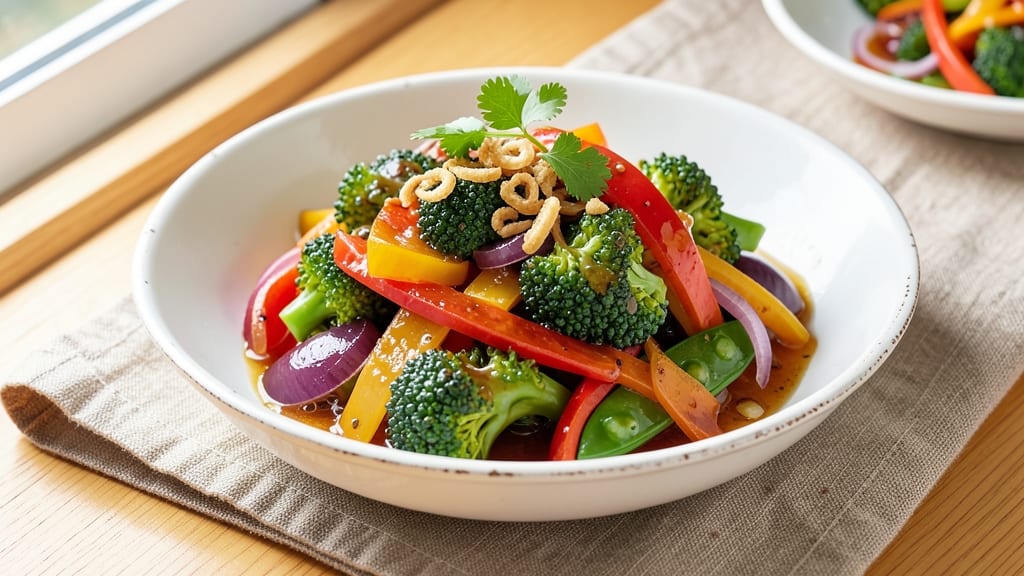
This sweet and sour veggies recipe delivers crisp-tender bites with a tangy gloss that balances perfect sweetness and acidity in every forkful. The secret lies in quick stir-frying the vegetables until they're just tender-crisp, then tossing them in a vibrant sauce that caramelizes slightly for depth.
I developed this version after testing countless methods—this one delivers restaurant-quality results without the fuss. What sets this recipe apart is the sauce: a perfect harmony of honey for sweetness, rice vinegar for tang, and a touch of soy sauce for umami depth.
The vegetables stay vibrant and tender while absorbing the glossy coating, making this dish both visually stunning and packed with flavor. It's vegetarian-friendly but hearty enough to satisfy as a main or side.
The beauty of this recipe is its versatility—serve it over rice for a complete meal, alongside grilled chicken for extra protein, or as a standalone dish with crusty bread to soak up the sauce.
The sauce keeps well, so you can make it ahead and store it for up to a week. With just 15 minutes of active prep and a 30-minute cook time, this recipe is perfect for weeknight dinners or meal prep.
The combination of textures—crisp edges, tender centers, and that glossy sauce—makes it impossible to resist a second helping.
Ingredients for sweet and sour veggies
Crisp-tender veggies and a glossy sauce that's vibrant, tangy, and irresistibly sweet.
| Ingredient | Amount | Notes |
|---|---|---|
| Bell Peppers (Assorted Colors) 🌶️ | 2 whole | Any color, sliced into strips |
| Broccoli Florets 🥦 | 1 ½ lb | Cut into bite-sized pieces |
| Snap Peas 🌱 | 1 cup | Fresh or frozen, trimmed |
| Carrots 🥕 | 1 ½ lb | Julienned or thinly sliced |
| Red Onion 🧅 | 1 whole | Thinly sliced, about 1 cup |
| Vegetable Oil 🫒 | ½ cup | High smoke point preferred |
| Honey 🍯 | ½ cup | Raw or regular |
| Rice Vinegar 🍶 | ½ cup | Seasoned preferred |
| Soy Sauce 🍶 | ½ cup | Low-sodium preferred |
| Cornstarch 🌾 | 1 tbsp | For sauce thickening |
| Sesame Oil 🫒 | 1 tbsp | Toasted for aroma |
| Garlic Cloves 🧄 | 4 cloves | Minced for sauce |
| Green Onion 🧅 | ¼ cup | Sliced, for garnish |
| Salt 🧂 | 1 tsp | Kosher or sea salt |
| Black Pepper 🌶️ | ½ tsp | Freshly ground preferred |
The vegetables are the stars here—freshness matters most. Hit the produce section early for the crispiest bell peppers and snap peas. Trader Joe's has the best pre-sliced carrots if you're short on time, but julienning them yourself gives that restaurant-quality look. For broccoli, look for heads with tight florets—they stay vibrant longer. The red onion adds that perfect bite, so don't skip it. Pro tip: Slice it paper-thin with a mandoline for maximum tenderness without mushiness. If you're using frozen snap peas, no need to thaw—just pat them dry first to avoid excess moisture in the pan.
No rice vinegar? Apple cider vinegar works in a pinch, though it's slightly less delicate. Short on honey? Maple syrup gives a similar depth, but reduce other sweeteners slightly. The soy sauce is non-negotiable for umami—low-sodium keeps the balance perfect. If you're avoiding gluten, grab tamari instead. For the garlic, roast it first (toss cloves in olive oil, bake at 400°F for 15 minutes) for a sweeter, more mellow flavor that pairs beautifully with the tangy sauce. The cornstarch is key for that glossy finish—Diamond Crystal works best if you're measuring by volume, but any brand will do.
This sauce keeps beautifully—make extra and store it in a jar for up to 1 week in the fridge. The veggies? Best served immediately for that crisp-tender texture, but they reheat surprisingly well. Portion into containers with a little sauce on top for easy lunches—just microwave for 30 seconds and stir. Freeze the sauce separately if you want to prep ahead, then toss it with fresh veggies when ready to eat. The green onions add that final pop of color, so grab a whole bunch—half goes in the dish, half gets saved for garnishing.
Why You'll Love This Recipe
- I’ll be real: this recipe uses veggies that won’t break the bank, but it feels like a fancy dish. A single red onion, a rainbow of peppers, and a bag of snap peas stretch into four servings without emptying my wallet. Plus, leftovers? They disappear faster than I can say “seconds.”
- One-Pan Magic: I swear by this—just toss everything on a sheet pan, drizzle with sauce, and roast. No pots, no pans, no stress. The bell peppers caramelize right alongside the crisp-tender broccoli, and those snap peas? They stay bright and snappy, not soggy.
- Sweet-Sour Balance: Here’s what sold me—the way the tangy vinegar cuts through the natural sweetness of the carrots and peppers. That first bite? The crunch of the onions, the slight bite of the sauce, and the creamy snap of the broccoli—it’s the kind of flavor that makes you pause mid-bite.
- Meal Prep MVP: Between us, this is my go-to for lunches all week. The flavors actually improve the next day—honestly, the onions get even sweeter when reheated. Pack it in containers, grab it for work, or serve it cold with rice. It’s that reliable.
Step-by-step instructions for sweet and sour veggies
Here's how to create restaurant-quality sweet and sour veggies with perfect texture and flavor balance.
Prepare All Vegetables for Even Cooking
Start by cutting all your vegetables into uniform bite-sized pieces - this ensures they cook evenly. Slice the 2 whole bell peppers (assorted colors) into ¼-inch strips, cut the 1.5 lb broccoli florets into small clusters, trim the 1 cup snap peas, and julienne the 1.5 lb carrots. Thinly slice the 1 whole red onion into ⅛-inch rings. Keep them separate in bowls until ready to cook.
I like to prep everything first because the stir-frying happens quickly - you don't want to be chopping while your veggies are cooking. Pro tip: If using frozen snap peas, thaw them first by soaking in cold water for 5 minutes to ensure even cooking. Pat everything dry with paper towels before cooking to help achieve that crisp-tender texture we're after.
Stir-Fry Vegetables in Hot Oil
Heat 0.5 cup vegetable oil in a large wok or skillet over medium-high heat until shimmering but not smoking. Add the onion first and stir-fry for 2 minutes until just beginning to soften. Then add the bell peppers, carrots, and broccoli florets in batches to avoid crowding. Stir-fry for 5-6 minutes until the vegetables are crisp-tender - they should still have a slight bite when you test with your fork.
Here's where timing matters most - you want the vegetables to be tender but still hold their shape. If they start to soften too quickly, reduce heat slightly. The snap peas go in last, cooking for just 1-2 minutes until heated through. Remove the vegetables to a plate and set aside, leaving the oil in the pan for the sauce.
Create the Signature Sweet and Sour Sauce
In a small bowl, whisk together 0.5 cup honey, 0.5 cup rice vinegar, 0.5 cup soy sauce, and 1 tbsp cornstarch. This mixture creates the perfect balance of sweet, tangy, and umami flavors that define this dish. Pour the sauce into the hot pan with the vegetable oil and bring to a simmer over medium heat.
Cook the sauce for 2-3 minutes, stirring constantly, until it thickens slightly and coats the back of a spoon. Add the 4 minced garlic cloves and 1 tbsp sesame oil, stirring for another 30 seconds until fragrant. The sauce should be glossy and smooth - if it's too thick, add 1-2 tablespoons of water to achieve the right consistency.
Combine Vegetables and Sauce
Return the stir-fried vegetables to the pan and toss gently to coat them evenly with the sauce. Cook for an additional 1-2 minutes until everything is well-coated and heated through. The vegetables should be glistening with the glossy sauce. Season with 1 tsp salt and 0.5 tsp black pepper to taste.
For that final restaurant touch, sprinkle with 0.25 cup sliced green onion. The contrast of fresh green against the colorful vegetables makes this dish visually stunning. Serve immediately while the vegetables are still crisp-tender and the sauce is glossy. This dish tastes best when served fresh from the pan - the flavors meld beautifully when everything is piping hot.
Pro Tips For Making Sweet And Sour Veggies
- STIR-FRY IN BATCHES: Your wok or pan will get crowded fast—especially with broccoli and snap peas. Cook the denser veggies (carrots, onion) first, then push them to the side and add the bell peppers and broccoli in the last 2 minutes. Crowding steams the veggies instead of searing them, and nobody wants soggy sweet-and-sour crunch.
- CUT ONIONS SMALL: I used to leave red onion chunks too big, thinking they’d soften nicely. They just sit there like stubborn rocks while everything else cooks. Dice them into ¼-inch pieces—they’ll caramelize faster and blend into the sauce instead of being a textural afterthought.
- TEST SAUCE DONENESS: The sauce should coat the back of a spoon like honey, not drip like water. If it’s still thin after simmering, let it reduce uncovered for 3–4 minutes—stirring occasionally. Rushing this step means a gloppy mess; patience here guarantees a glossy, clingy finish.
- USE FROZEN SNAP PEAS: Fresh snap peas? Great, but they’re a pain to trim and wilt faster than you’d think. Frozen peas (thawed) hold their shape better and save 10 minutes of prep—just toss them in with the broccoli. The texture difference is minimal, and your back will thank you.
Common mistakes when making great sweet and sour veggies
Overcooking Vegetables
This is the #1 mistake I see when making sweet and sour veggies—they turn mushy instead of crisp-tender. The secret is timing: cook bell peppers and carrots for just 5-6 minutes over medium-high heat.
Use a timer! Broccoli should stay bright green, not limp. If you're crowding the pan, reduce heat slightly to prevent steaming. 🌶️
Skipping the Sauce Thickening
Many people forget the 1 tbsp cornstarch in the sauce, resulting in a runny glaze instead of a glossy coating. Whisk it thoroughly into the sauce before simmering—this creates that signature sticky finish.
If your sauce is too thin, add ½ tsp more cornstarch mixed with 1 tbsp water as a slurry. Stir constantly for 1 minute until thickened.
Uneven Vegetable Sizes
Unevenly cut veggies mean some pieces cook while others burn. Slice everything into ¼-inch strips or bite-sized pieces. I recommend using a mandoline for consistent thickness. Snap peas should be whole or halved—never chopped. This ensures every bite has that perfect crisp-tender texture.
Using Low-Quality Ingredients
Cheap honey or vinegar will make your sauce taste flat. Invest in raw honey (like Manuka or local wildflower) for depth, and seasoned rice vinegar for tang. For soy sauce, low-sodium brands prevent salt overload. Fresh garlic and green onions elevate the dish—never use powdered substitutes. 💛
Not Patting Veggies Dry
Wet vegetables steam instead of sear, leading to soggy results. After washing, pat all veggies—especially snap peas and broccoli—thoroughly with paper towels. I use two layers of towels for stubborn moisture. This extra step makes all the difference in achieving that crisp exterior. 🔥
Rushing the Sauce Simmer
Simmering the sauce for less than 2-3 minutes means it won't thicken properly. The cornstarch needs time to activate fully. If you're short on time, reduce heat to medium-low and let it bubble gently. The sauce should coat the back of a spoon when done. Skipping this step results in a watery glaze that won't stick to the veggies.
Nutrition facts
Frequently asked questions
Can I make this sweet and sour veggie dish gluten-free?
Simply replace the regular soy sauce with tamari or coconut aminos. The rest of the recipe stays the same, and you'll still get that perfect balance of sweet and tangy flavors. For extra insurance, check your cornstarch label to ensure it's certified gluten-free.
How can I adjust the sweetness level?
Start by reducing the honey to ¼ cup and adding 1 tablespoon of sugar-free maple syrup if you prefer less sweetness. For a more pronounced tang, increase the rice vinegar to ⅔ cup while keeping other ingredients the same. Taste as you go—this sauce is very forgiving!
What vegetables can I substitute if I don't have all the originals?
Swap broccoli for cauliflower florets or zucchini slices, and replace snap peas with green beans or sugar snap peas. For carrots, try parsnips or jicama for a different texture. The key is keeping pieces uniform in size to ensure even cooking.
Can I make this ahead of time?
Yes, but with a few adjustments. Prepare the sauce first and store it in the fridge for up to 1 week. For the veggies, blanch them for 2 minutes in boiling water, then shock in ice water. Store separately and reheat both components together for 3-4 minutes on the stovetop. The texture won't be as crisp, but it'll still be delicious!
Why does my sauce turn out too thin?
This usually happens when the cornstarch doesn't get enough time to activate. Simmer the sauce for the full 2-3 minutes while stirring constantly. If it's still too thin, mix ½ teaspoon more cornstarch with 1 tablespoon water, then stir it into the sauce. Cook for another 30 seconds until thickened.