
Beverages
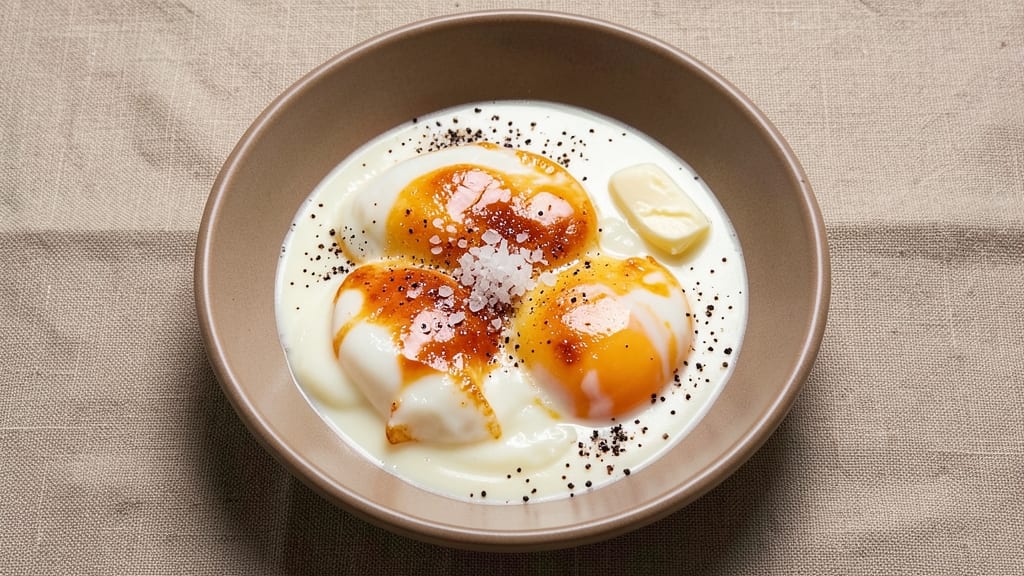
This steam egg with milk recipe delivers restaurant-quality silky yolk creaminess in just minutes—perfect for breakfast or dessert. The secret lies in steaming eggs with warm milk until the yolk transforms into a velvety, custard-like texture that dissolves on your tongue.
I've perfected this technique after years of experimentation, and it's become my go-to for a quick yet elegant dish that's both comforting and sophisticated.
The beauty of this recipe is its versatility—it works equally well as a savory breakfast with salt and pepper or as a sweet treat with honey and cinnamon. The milk not only enhances the yolk's creaminess but also adds a subtle richness that balances the dish perfectly.
Unlike traditional poached eggs, this method ensures a consistent, foolproof result every time, with no risk of overcooking or breaking the yolk.
What you'll achieve is a dish that's silky, smooth, and impossibly tender, with a yolk that melts effortlessly into the warm milk. The texture is unlike anything you've tried before—think of a cross between a silky custard and a perfectly cooked egg yolk, all in one bite.
It's the kind of dish that feels indulgent yet requires minimal effort, making it ideal for busy mornings or when you crave something special without the fuss.
Whether you're serving it as a breakfast centerpiece or a light dessert, this recipe is a game-changer for anyone looking to elevate their egg dishes. The best part? It's vegetarian, protein-rich, and endlessly customizable—add herbs for a savory twist or a sprinkle of sugar for a sweet finish.
Let's get started on creating this luxurious, creamy delight.
Ingredients for steam egg with milk
Four eggs, warm milk, and a steamer basket—this elegant dish transforms simple ingredients into luxurious silkiness.
| Ingredient | Amount | Notes |
|---|---|---|
| Large Eggs 🥚 | 4 whole | Freshly laid preferred for creaminess |
| Whole Milk 🥛 | 2 cups | Full-fat for optimal richness |
| Unsalted Butter 🧈 | 2 tbsp | European-style preferred for flavor |
| Granulated Sugar 🍚 | 1 tbsp | Adjust to taste for sweetness |
| Diamond Crystal Kosher Salt 🧂 | ¼ tsp | Fine grain for delicate seasoning |
| Freshly Ground Black Pepper 🌶️ | ⅛ tsp | Freshly cracked for best flavor |
| Honey 🍯 | 1 tbsp | Wildflower preferred for floral notes |
| Ground Cinnamon 🌿 | ⅛ tsp | Optional for sweet version |
| Fresh Dill Sprigs 🌿 | 2 whole | Optional for savory garnish |
| Lemon Zest 🍋 | ½ tsp | Brightens the milk's richness |
| Heavy Whipping Cream 🥛 | ¼ cup | Optional for extra decadence |
| Steamer Basket 🍲 | 1 whole | Fits standard saucepan |
| Heatproof Ramekin Dishes 🍽️ | 4 whole | Small ceramic or glass dishes |
The eggs are the star, so choose the freshest you can find—they should float in cold water if you're unsure. Whole milk is non-negotiable here; it's the secret to that velvety texture. I always grab organic from Whole Foods or the local dairy section, but any full-fat milk works. The butter? European-style like Plugrá or Kerrygold makes a world of difference—it's richer and melts more smoothly. Store your eggs in the coldest part of the fridge and use within 3 weeks for best results. The milk should be warm but not hot to the touch when you add it to the eggs.
No full-fat milk? Half-and-half or coconut cream works in a pinch, though the texture will be slightly lighter. Running short on butter? Olive oil or ghee can substitute, but reduce by half since they're more potent. Sweet version calling? Maple syrup or agave swaps honey perfectly. For a savory twist, skip the sugar and add a pinch of smoked paprika or fresh thyme instead. The ramekins? Any small heatproof dish works—even oven-safe mugs from Target's dollar section if you're in a bind. Just make sure they're the same size for even cooking.
This dish is all about timing—once the eggs are steamed, they're ready to eat immediately, but the magic happens when the yolk melts into the warm milk. Store any leftovers in the fridge for up to 2 days, though I rarely make more than one serving since it disappears so fast. For make-ahead prep, steam the eggs without the milk, chill, then finish with warm milk when serving. The milk can be warmed separately and kept in a thermos for 2 hours if you're prepping ahead. Garnish with fresh herbs or a drizzle of honey right before serving—the yolk sets as it cools, so wait until the last minute.
Why You'll Love This Recipe
- No Fuss, No Stress: I swear by this when I’m too tired to measure anything. Crack eggs into a pan with warm milk, butter, and a pinch of salt—that’s it. No whisking, no straining, no mess. The steam does all the work while I sip my coffee.
- Silky Creamy Magic: That first bite? Pure indulgence. The eggs turn into a custardy cloud—rich from whole milk, sweetened just enough to balance the buttery depth. Honestly, it’s the kind of dish that makes me forget I’m eating something simple.
- Breakfast or Dessert: Serve it warm with toast for breakfast, or chill it slightly and drizzle with honey for a lazy afternoon treat. My kids ask for it both mornings and when they’re craving something sweet. Zero guilt, all satisfaction.
- Pantry Staple Power: Five ingredients, none of them fancy. Whole milk and butter are already in my fridge, and eggs? Always. It’s my go-to when I’m low on groceries but still want something comforting. Plus, leftovers keep for days—just reheat with a splash of milk.
Step-by-step instructions for silky steamed eggs with milk
Here's how to transform simple eggs and milk into luxurious, velvety custards with perfect set.
Prepare the Egg-Milk Mixture
In a heatproof mixing bowl, whisk together the 4 whole large eggs until they're completely incorporated and frothy. This ensures even cooking and prevents any raw egg pockets. Gradually add the 2 cups of whole milk while whisking continuously to create a smooth, homogeneous mixture.
Next, add the 2 tablespoons of unsalted butter, 1 tablespoon of granulated sugar, ¼ teaspoon of diamond crystal kosher salt, and ⅛ teaspoon of freshly ground black pepper. Whisk vigorously for about 2 minutes until the sugar and salt fully dissolve and the mixture becomes slightly thickened. This step is crucial for achieving that signature silky texture we're after.
Infuse with Flavor
Stir in the 1 tablespoon of honey and ⅛ teaspoon of ground cinnamon (if using) until fully combined. The honey will add subtle sweetness while balancing the richness of the milk and eggs. For a bright citrus note, add the ½ teaspoon of lemon zest and gently fold in the 2 whole fresh dill sprigs, leaving them whole for easy removal later.
If you're using the optional ¼ cup of heavy whipping cream, fold it in now for an extra decadent texture. The cream adds luxurious mouthfeel but isn't essential for the basic preparation. Taste the mixture and adjust seasoning if needed—this is your chance to personalize the flavor before cooking.
Strain and Divide
Pour the egg mixture through a fine-mesh strainer into a large measuring cup or pitcher to remove any potential egg whites or dill stems that might interfere with the smooth texture. This step ensures your final custards will be completely velvety with no unexpected textures.
Divide the strained mixture evenly among the 4 heatproof ramekin dishes, filling each about ¾ full. The ramekins should be placed on the steamer basket you've prepared—make sure they're stable and won't tip during steaming. The slight headspace prevents overflow as the custards cook.
Steam to Perfect Set
Fill a large saucepan with about 2 inches of water and bring to a gentle simmer over medium heat. Place the steamer basket with ramekins on top, ensuring the bottoms of the ramekins don't touch the water—this prevents the custards from absorbing water and becoming diluted. Cover the pan with a tight-fitting lid.
Steam the custards for exactly 12-14 minutes. You'll know they're perfectly set when the edges are just firm to the touch but the centers still have a slight wobble—like a firm Jell-O. The custards should pull away cleanly from the sides of the ramekins when gently shaken. Overcooking will result in rubbery texture, so watch carefully during the last 2 minutes.
Chill and Serve
Remove the ramekins from the steamer and let them cool at room temperature for 5 minutes. Then transfer to the refrigerator and chill for at least 2 hours, or until completely set. This chilling step is essential for developing that luxurious, creamy texture that makes these custards so special.
To serve, run a thin knife around the edges of each ramekin to loosen, then invert onto serving plates. The custards should release cleanly, revealing their silky interior. Garnish with additional lemon zest or fresh dill if desired. Serve immediately for the perfect balance of warmth and cool creaminess.
Pro Tips For Making Steam Egg With Milk
- Use Room-Temperature Eggs: Cold eggs drop straight to the bottom of your pot, making them harder to steam evenly. Let them sit in warm water for 5 minutes first—this isn’t just about convenience, it’s about getting that silky, consistent texture you can’t achieve otherwise.
- Salt the Water First: I learned this the hard way—adding salt after the eggs are in just doesn’t cut it. Dissolve the kosher salt in the water before you drop the eggs in. The eggs absorb the flavor better, and you won’t end up with a salty crust on the outside but bland centers.
- Don’t Overfill the Pot: Crowd the eggs, and you’ll end up with uneven cooking—some overdone, some still runny. Fill the pot no more than halfway with eggs, and leave at least an inch of water above them. This ensures gentle, even steaming instead of a chaotic mess.
- Butter the Pan After Cooking: Sounds weird, but it works: once the eggs are steamed, tilt the pot and let the excess water drain, then swirl in a pat of butter while still warm. It coats the eggs like a dream, giving you that rich, velvety finish without making the dish greasy. (Yes, even if you’re impatient like me.)
Wine and beer pairings for this dish
Sweet Versus Savory
The delicate balance of this dish makes it perfect for both sweet and savory wine pairings. For the sweet honey-cinnamon version, I reach for a Moscato d'Asti from Italy—its light effervescence and floral notes complement the custard's richness without overpowering it.
The slight sweetness of the wine mirrors the honey's caramel undertones, creating harmony in every sip. 🍷
For a savory interpretation with black pepper and fresh dill, a crisp Sauvignon Blanc from New Zealand shines. The wine's zesty acidity and citrus notes cut through the egg's creaminess, while its herbal undertones echo the dill's freshness.
Look for bottles from Cloudy Bay or Oyster Bay for that perfect balance.
Beer Pairings
When serving these custards as a dessert, a Belgian Witbier like Hoegaarden is my go-to choice. The beer's subtle coriander and orange peel notes play beautifully with the honey and cinnamon, creating a refreshing contrast. Serve it well-chilled to enhance its crispness against the warm custards. 🍺
For a savory breakfast version, opt for a German Pilsner such as Warsteiner or Bitburger. The beer's clean, crisp profile and mild hop bitterness won't compete with the eggs' savory notes but instead cleanse your palate between bites. The slight malt sweetness also complements the custard's richness.
Unexpected Champagne
Don't overlook Prosecco as a versatile pairing for this dish. Its delicate bubbles and apple-like acidity make it ideal for both sweet and savory versions. For a sweet custard, choose a Dry Prosecco like La Gioiosa to balance the honey without clashing.
For savory, a Brut Prosecco from Mionetto enhances the dish's elegance. 🥂
Pro tip: Chill your Prosecco to 45-50°F—this temperature preserves its crispness and prevents the alcohol from overwhelming the custard's delicate flavors. A glass of Prosecco elevates this dish from breakfast to brunch-worthy indulgence.
Coffee Pairing
For a morning serving, pair these custards with a light roast coffee like Ethiopian Yirgacheffe. The coffee's floral and citrus notes complement the custard's honey and lemon zest, creating a refreshing contrast. Brew it as a pour-over for the cleanest flavor profile. ☕
For an afternoon treat, a matcha latte with oat milk adds an earthy dimension that pairs surprisingly well with the custard's creaminess. The slight bitterness of matcha balances the sweetness, making each bite more complex. Use Ippodo Tea matcha powder for the best quality.
Nutrition facts
Frequently asked questions
Can I use skim milk instead of whole milk?
The recipe calls for whole milk to achieve that signature velvety texture, but you can use half-and-half or coconut cream as a substitute. Skim milk will make the custards lighter and less rich, though they'll still be delicious. For best results, reduce the butter by 1 tablespoon to balance the fat content.
How do I know when the custards are perfectly set?
Look for edges that are just firm to the touch but centers with a slight wobble—like firm Jell-O. The custards should pull away cleanly from the ramekins when gently shaken. Overcooking for even 1 extra minute can turn them rubbery, so watch closely during the last 2 minutes of steaming.
Can I make this ahead of time?
Yes! Steam the eggs without the milk, then chill them. When ready to serve, warm the milk separately and pour it over the chilled custards. The yolk will melt beautifully into the warm milk. Store leftovers in the fridge for up to 2 days, but serve immediately for the best texture.
What if I don’t have ramekins?
Use any small heatproof dish—even oven-safe mugs or silicone molds. Just ensure they're the same size for even cooking. Place them on a steamer basket lined with parchment paper to prevent sticking. No ramekins? A metal cup or small saucepan works too!
Why did my custards turn out grainy?
Graininess usually means the eggs weren’t fully whisked or the mixture was overheated. Whisk the eggs and milk for 2 full minutes until smooth, and strain the mixture before pouring into ramekins. Also, ensure the steaming water is at a gentle simmer—not boiling—to avoid curdling.