
Desserts
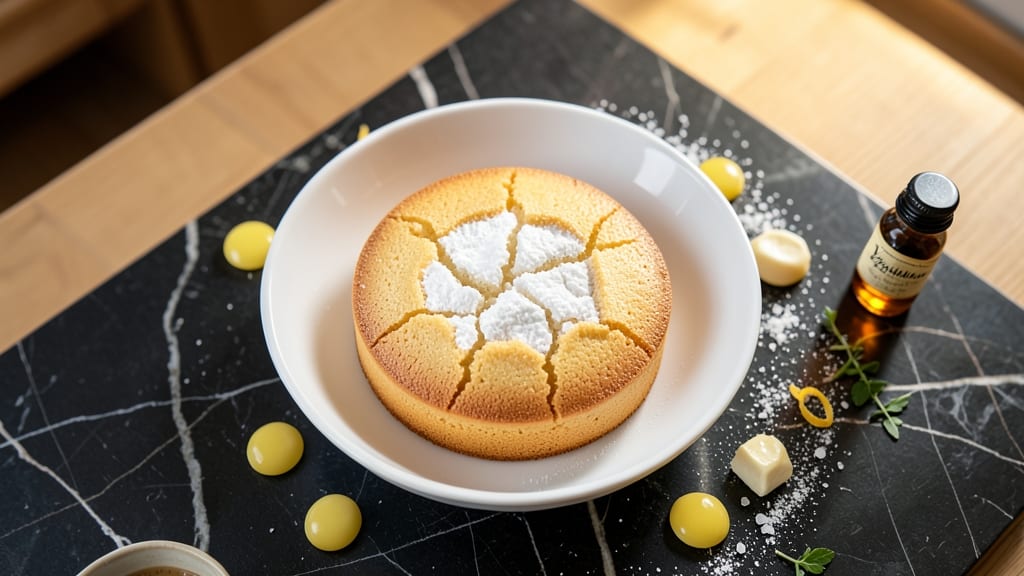
This sponge cake recipe without baking powder relies entirely on whipped eggs to create a light-as-air texture that defies gravity. The secret lies in properly incorporating air into egg whites and yolks before gently folding in flour, creating a structure that rises beautifully in the oven.
Professional bakers know this technique transforms simple ingredients into something extraordinary.
What makes this recipe special is its simplicity—just eggs, sugar, flour, and a pinch of salt work together to create a delicate, fluffy cake. The process requires patience as you whisk eggs to ribbons and fold dry ingredients with precision, but the result is worth every minute.
Unlike traditional sponge cakes, this version achieves its signature rise through air incorporation rather than chemical leaveners.
By the time it emerges from the oven, you'll have a cake that's impossibly light, with a fine crumb and tender texture. The absence of baking powder means no metallic aftertaste, just pure vanilla or citrus-infused flavor that shines through.
This technique works equally well for classic vanilla sponge or fruit-infused variations.
The key to success is maintaining room temperature ingredients and using a light touch when folding. Bake at 350°F for about 25-30 minutes until golden and springy to the touch. Perfect for layer cakes, trifles, or enjoying plain with fresh berries. Let's create this elegant dessert from scratch.
Ingredients for sponge cake recipe without baking powder with egg
Four essential ingredients transform into a cloud-like cake through precise technique.
| Ingredient | Amount | Notes |
|---|---|---|
| Large Eggs 🥚 | 6 whole | Room temperature, separated |
| Granulated Sugar 🍚 | 1 ½ cups | Superfine preferred for smoothness |
| All-Purpose Flour 🌾 | 1 ½ cups | Sifted, light variety |
| Unsalted Butter 🧈 | ½ cup | Room temperature, cubed |
| Vanilla Extract 🌿 | 1 tbsp | Pure, high-quality |
| Salt 🧂 | ¼ tsp | Fine sea salt preferred |
| Lemon Zest 🍋 | 1 tbsp | Freshly grated, organic |
| Lemon Juice 🍋 | 1 tbsp | Freshly squeezed |
The eggs are the foundation—room temperature is non-negotiable for proper whipping. Buy large eggs from the middle of the carton for consistency, and separate them carefully to avoid yolk contamination. The sugar should be superfine for a smoother texture, but regular granulated works in a pinch if you pulse it briefly in a food processor. King Arthur or Bob's Red Mill flour brands are ideal for their light texture, though any all-purpose flour will suffice. For the butter, Land O'Lakes unsalted is widely available and reliable, but European-style cultured butter adds depth if you want to splurge.
No vanilla extract? Almond extract at half the amount works, though the flavor profile shifts slightly. Short on lemon zest? Orange zest makes a lovely variation, but the acidity won't be identical. The butter can be omitted entirely if you're strict about egg-only sponge, though it adds richness. For the salt, Diamond Crystal is finer than table salt—use it if you have it, but adjust to taste. If your flour isn't sifted, a kitchen sieve or whisk it vigorously in the bowl to aerate it before folding.
Egg yolks and whites should be whipped separately at room temperature—cold eggs won't incorporate air properly. Store separated eggs in separate airtight containers in the fridge for up to 2 days, though they're best used immediately. The dry ingredients keep indefinitely in a cool, dark pantry—just measure and sift before use. This cake is best baked and eaten the same day, though sliced portions can be refrigerated for 2 days wrapped tightly in plastic. For longer storage, freeze slices between parchment paper for up to 1 month—thaw at room temperature before serving.
Why You'll Love This Recipe
- No Mixing Madness: I swear by this method—just whisk eggs and sugar until they triple, then fold in flour. No sifting, no measuring cups flying everywhere. That light, airy texture? Pure magic with zero fuss.
- Butter-Soft Richness: The butter here isn’t just melted—it’s whipped into the eggs first, creating layers of tender crumb and subtle buttery depth. Honestly, the vanilla ties it all together like a whisper of warmth.
- Crowd-Pleaser Basics: This cake is my go-to for birthdays, potlucks, or even a lazy Sunday. Slice it plain, layer it with jam, or frost it—it handles everything without falling apart. (Yes, even when my nephew "helps" decorate it.)
- Pantry Staple Magic: You’re using things you already have: eggs, sugar, flour, butter. No specialty ingredients, no last-minute grocery runs. And the leftovers? Still delicious two days later—perfect for sneaking into lunches.
Step-by-step instructions for light-as-air sponge cake
A perfectly balanced method where whipped eggs create volume without baking powder.
Separate and Whip Egg Whites to Stiff Peaks
Begin by separating the 6 whole large eggs, placing yolks in one bowl and whites in a clean, grease-free metal bowl. Add a pinch of the salt to the whites and whip using an electric mixer on high speed until soft peaks form. Gradually add ½ cup of the granulated sugar while whipping continuously.
Continue whipping until the egg whites reach stiff peaks—they should stand upright when the whisk is lifted. This step is critical: over-whipping can make the cake dry, while under-whipping results in a dense texture. You'll know you've achieved stiff peaks when the meringue holds its shape without collapsing.
Whip Egg Yolks with Remaining Sugar and Butter
In a separate bowl, combine the 6 egg yolks with the remaining 1 cup granulated sugar and ½ cup unsalted butter. Whip on medium speed until the mixture lightens in color and becomes thick and creamy—about 3-4 minutes. This process incorporates air, which will contribute to the cake's lightness.
Here's the thing—don't rush this step. The butter should be fully emulsified, creating a ribbon-like consistency when the whisk is lifted. If the mixture feels grainy, add a few more seconds of whipping to ensure smoothness. The texture should resemble pale, thick pudding.
Fold Dry Ingredients into Yolk Mixture
In a medium bowl, sift together the 1½ cups all-purpose flour, 1 tbsp vanilla extract, 1 tbsp lemon zest, and 1 tbsp lemon juice. Gently fold this dry mixture into the yolk mixture using a spatula, being careful not to deflate the air you've incorporated. The batter should be smooth and thick, resembling thick cake batter.
I like to use a folding motion—cutting through the center of the batter and bringing it up from the bottom to maintain air pockets. Avoid overmixing, which can develop gluten and make the cake dense. The batter should be just combined, with no visible flour streaks.
Combine Wet and Dry Mixtures Gently
Now, take the stiffly whipped egg whites and gently fold them into the yolk mixture in three additions. Use a spatula to cut through the center of the batter and fold from the bottom up, rotating the bowl between additions. This technique ensures the egg whites are incorporated without losing their airiness.
Real talk: This is where precision matters. You want to maintain the volume of the egg whites while combining them with the denser yolk mixture. The final batter should be smooth, glossy, and light—almost like a thick, pale meringue. If you see streaks of white, continue folding until fully integrated.
Bake at Low Heat for Even Rise
Preheat your oven to 325°F and grease a 9-inch round cake pan lightly with butter. Pour the batter into the prepared pan and smooth the top with a spatula. Bake for 40-45 minutes, or until the top is golden brown and a toothpick inserted in the center comes out clean.
Don't open the oven during baking—this can cause the cake to sink. The low temperature ensures a gentle rise, while the long baking time allows the cake to set evenly without overbrowning. When done, let the cake cool in the pan for 10 minutes, then transfer to a wire rack to cool completely before serving.
Pro Tips For Making Sponge Cake Recipe Without Baking Powder With Egg
- Whisk Eggs to Ribbon Stage: I learned this the hard way—stop beating the eggs and sugar when they’re just thick and glossy, not stiff. Overmixing turns your cake dense and tough, and you’ll end up with a sad, flat loaf instead of that light, airy texture. Use a stand mixer and watch closely: it should ribbon off the whisk in a slow stream, not flop like wet sand.
- Melt Butter Slowly: If you dump cold butter into hot eggs, you’ll shock the mixture and end up with greasy pockets in your cake. Instead, melt the butter just until fluid (around 100°F/38°C) and let it cool for 5 minutes before folding it in. Warm, not hot—this keeps the eggs’ structure intact and ensures even distribution.
- Sift Flour Twice: I was skeptical until I tried it: sifting the flour before folding it in removes those stubborn air pockets that make your cake compact. Do it once into a bowl, then sift it again right before adding it to the egg mixture. Yes, it’s extra work, but it’s the thing that matters most for that cloud-like crumb.
- Bake Until Internal Temp Hits 205°F: Skip guessing when it’s done—your cake needs that final 5 minutes at 205°F (96°C) to set properly. A toothpick might come out clean earlier, but the center will still be gummy. Let it ride; the edges might pull away slightly, but that’s how you guarantee a slice that holds its shape. (Your future self will thank you.)
Regional styles of this recipe
Italian Sponge Cake
In Italy, this technique is known as pan di spugna—a classic method where eggs alone create the signature lightness. The Italians achieve this by whipping eggs with sugar until they triple in volume, then folding in flour with a light hand.
I've seen nonnas in Rome use stand mixers with whisk attachments for this step, but hand-whipping works too if you're patient. The key is room-temperature eggs and a light touch when combining. 🌟
For an authentic twist, replace the vanilla with 1 tbsp lemon zest and add 1 tbsp lemon juice to the batter. This variation, called pan di spugna al limone, is a staple in Italian patisseries and pairs perfectly with mascarpone cream or fresh berries.
The acidity from the lemon brightens the cake's flavor while keeping it tender.
French Génoise
The French take this technique even further with their génoise, a classic sponge cake used in everything from layer cakes to éclairs.
The French method separates yolks and whites completely—whipping whites to stiff peaks with 100% of the sugar, then folding in yolks whipped with none of the sugar. This creates a more delicate crumb. I recommend using European-style butter (like Plugrá) for richer flavor. 🥖
For a true génoise, fold in 2 tbsp cornstarch along with the flour to prevent gluten development. The French also insist on baking at 350°F for 30-35 minutes in a light-colored metal pan to avoid overbrowning.
This version is drier and more crumbly than the Italian style, making it ideal for soaking in syrup or layering with pastry cream.
Japanese Sponge (Castella)
Japan's castella sponge cake is a melt-in-your-mouth masterpiece with a moist, jelly-like texture—achieved by adding 1 cup honey to the yolk mixture. The Japanese method often includes matcha powder (about 1 tbsp) for a delicate green tea flavor.
I've found that whipping the egg whites to soft peaks (not stiff) creates a softer crumb. 🌸
Castella is traditionally baked in a round tin and sliced into thick layers. For a modern twist, add 1 tbsp white miso paste to the yolk mixture for umami depth.
The Japanese also use lower oven temps (300°F) and longer bake times (50-60 minutes) to develop a caramelized crust while keeping the inside ultra-moist. Serve with kinako (roasted soybean flour) for a matcha-inspired dessert.
Scandinavian Egg Sponge
In Scandinavia, this technique is simplified with a "no-fuss" approach—just eggs, sugar, and flour, often baked in a loaf pan for easy slicing. The Swedes add 1 tbsp aquavit or vodka to the batter for a subtle boozy note, while the Danes incorporate 1 tbsp ground cardamom for warmth.
The texture is denser but richer, making it perfect for breakfast pastries or coffee cakes. 🇸🇪
For a Nordic touch, fold in ½ cup crushed pine nuts or almonds with the flour. The Scandi method also uses less sugar (about 1 cup total) to keep the cake tender. Bake in a lightly greased loaf pan at 325°F for 45-50 minutes.
This version holds up well for make-ahead prep—slice and store in the fridge for up to 5 days or freeze for 2 months. Perfect for smörgåsbord spreads!
Nutrition facts
Frequently asked questions
Why do we need to whip egg whites to stiff peaks?
Whipping egg whites to stiff peaks incorporates air, which creates the signature lightness in this sponge cake. The air bubbles expand during baking, making the cake rise beautifully. Over-whipping can make the cake dry, while under-whipping results in a dense texture—so aim for peaks that hold their shape when the whisk is lifted.
Can I use this recipe with fewer eggs?
This recipe relies on eggs for leavening, so reducing the number can compromise the cake's rise. For a smaller batch, try 4 eggs but expect a denser texture. If you're avoiding eggs, consider adding 1 teaspoon baking soda (activated with vinegar) or ½ cup whipped aquafaba as a substitute, though the texture will differ.
What if my cake sinks in the middle?
This usually happens if the oven temperature drops or the cake opens too early. Always preheat your oven thoroughly and avoid opening the door during baking. If this happens, try baking at 300°F for 5-10 extra minutes to set the center. For next time, ensure your egg whites are fully whipped and the batter is folded gently.
How do I store leftover sponge cake?
Wrap the cake tightly in plastic wrap or place it in an airtight container. It stays fresh at room temperature for 2 days or in the fridge for 3-4 days. For longer storage, freeze slices between parchment paper for up to 1 month. Thaw at room temperature before serving to restore its tender texture.
Can I add chocolate or fruit to this recipe?
Fold in ½ cup melted chocolate chips with the flour or add ½ cup diced fruit (like strawberries or blueberries)1 tbsp flour first to prevent sinking. Just be gentle when folding to maintain the cake's airiness.