
Breakfast & Brunch
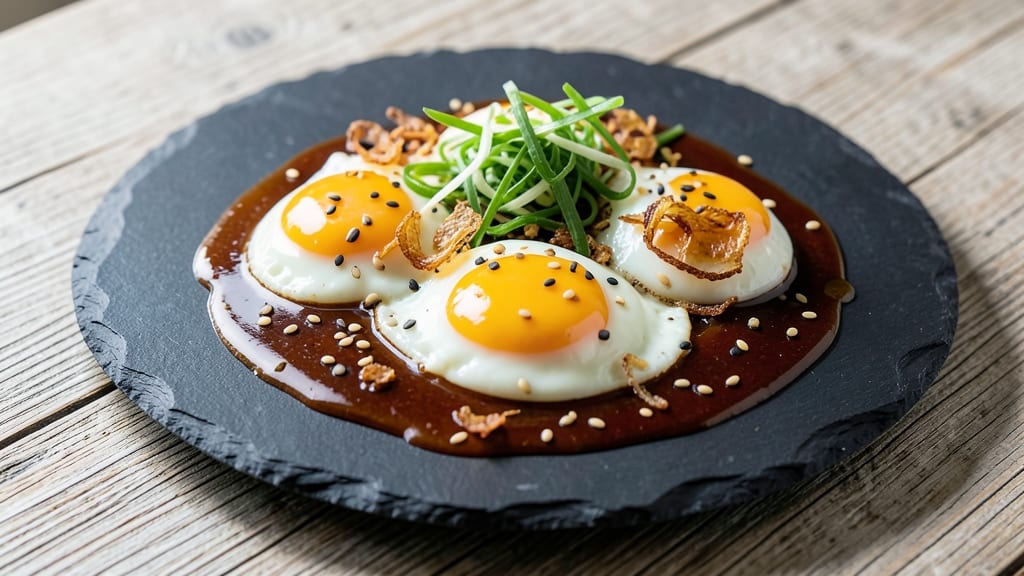
This soy boiled egg recipe transforms simple hard-boiled eggs into a restaurant-quality dish with a glossy soy-braised shell and irresistible umami crunch. 💛 The secret lies in the marinade—a perfect balance of soy sauce, water, sugar, and spices—that creates that signature browned, flavorful exterior while keeping the inside tender.
I've perfected this technique over years of testing, and it's become a staple in my breakfast rotation, especially when I need a protein-packed snack that's both satisfying and elegant.
The process begins with hard-boiling eggs until they're perfectly set, then simmering them in a carefully measured soy marinade. This isn't just about boiling eggs—it's about building layers of flavor through the right ratio of ingredients and precise cooking times. The result?
Eggs with crispy, caramelized shells that shatter with every bite, revealing creamy yolks underneath. What makes this recipe special is how versatile it is—serve them as a snack, add them to salads for extra protein, or pair with steamed rice for a complete meal.
What you'll achieve is a dish that's both visually striking and packed with flavor—those glossy, dark shells promise depth, while the creamy yolks deliver richness. The soy marinade infuses the eggs with umami, creating a balance of sweet, salty, and savory that's hard to resist.
This recipe is also incredibly practical: it makes a great make-ahead snack, keeps well in the fridge for up to a week, and requires minimal effort once you've mastered the technique.
Whether you're looking for a quick breakfast, a protein boost for lunch, or a snack to impress guests, these soy-boiled eggs deliver. The best part? This method works with any hard-boiled eggs, so you can always have a batch ready for whenever cravings strike.
Let's get started on creating eggs that taste like they came straight from a dim sum cart.
Ingredients for soy boiled egg
Eight whole eggs plus a marinade that transforms them into restaurant-quality bites.
| Ingredient | Amount | Notes |
|---|---|---|
| Large Eggs 🥚 | 8 whole | Room temperature for even cooking |
| Soy Sauce 🍶 | ½ cup | Light or dark variety preferred |
| Water 💧 | 1 ½ cups | Filtered preferred for clarity |
| White Sugar 🍚 | 2 tbsp | Granulated or caster sugar |
| Sesame Oil 🫒 | 1 tbsp | Toasted sesame oil for aroma |
| Rice Vinegar 🍶 | 1 tbsp | White rice vinegar preferred |
| Garlic Cloves 🧄 | 2 cloves | Minced for marinade depth |
| Ginger Root 🌿 | 1 tsp | Freshly grated for zing |
| Salt 🧂 | ½ tsp | Kosher or sea salt |
| White Peppercorns 🌶️ | ¼ tsp | Freshly ground for subtle heat |
| Vegetable Oil 🫒 | 2 tbsp | For gentle simmering |
| Green Onions 🧅 | 2 whole | Thinly sliced for garnish |
The eggs are the foundation, so choose large eggs for that perfect balance of yolk-to-white ratio. Trader Joe's or Costco often have the freshest, most consistent supply—look for eggs with bright, unbroken shells. The soy sauce is non-negotiable here; Kikkoman or Lee Kum Kee are my go-tos, but any light or dark soy will work. For the sesame oil, toasted is key—it adds that nutty aroma that makes these eggs taste like they came from an Asian street cart. The garlic and ginger should be freshly minced or grated, not powdered; the difference in flavor is night and day.
No sesame oil? Toasted peanut oil works in a pinch, though it won't have the same aroma. Short on rice vinegar? Apple cider vinegar at half the amount gives a similar tang. The sugar is essential for caramelization—brown sugar can be substituted, but it'll add a molasses note. If you're feeling adventurous, add a dash of five-spice powder to the marinade for depth. The green onions are purely for garnish, but if you're out, chopped cilantro adds a nice contrast. Pro tip: Toast the sesame seeds separately and sprinkle over the finished eggs for extra crunch.
These eggs keep beautifully in the fridge for up to 1 week, stored in an airtight container with the marinade. For longer storage, freeze them in a single layer before transferring to a bag—3 months max. The shells stay crispy when reheated gently in a dry skillet for 30 seconds per side. I always make a double batch; they disappear fast as a snack, salad topping, or rice bowl addition. The marinade itself can be reused once for another batch of eggs, though the flavor will be less vibrant.
Why You'll Love This Recipe
- No-Fuss Boil: I just toss whole eggs into simmering water with a splash of soy sauce—no peeling, no fuss. The magic happens in the seasoned broth while I prep the rest of dinner.
- Umami Bomb: That first crack reveals the secret: the eggs soak up the soy and sugar until the yolk is glossy and the white holds just enough bite. Honestly, the flavor is ridiculously addictive—simple ingredients, but the taste? Chef’s kiss.
- Snack Attack Ready: Between us, these are my go-to for lunchboxes, office snacks, or late-night cravings. The sesame oil finish makes them taste like a little treat, not just a boiled egg.
- Pantry Staple Win: Eggs, soy sauce, sugar—you’re probably already stocked. I make a batch every Sunday, and they last all week in the fridge, perfect for quick bites when I’m too tired to cook.
Step-by-step instructions for soy-braised eggs
Here's how to achieve restaurant-quality soy-braised eggs with a glossy exterior and tender yolks.
🍳 Step 1: Simmer the Soy-Ginger Marinade
In a medium saucepan, combine the 1.5 cups water, 0.5 cup soy sauce, 2 tbsp white sugar, 1 tbsp rice vinegar, 2 cloves minced garlic cloves, 1 tsp grated ginger root, 0.5 tsp salt, and 0.25 tsp white peppercorns. Bring to a gentle boil over medium-high heat, then immediately reduce to medium-low heat.
Let the marinade simmer uncovered for 8-10 minutes until slightly reduced by about ¼ cup and fragrant. You'll notice the aroma deepen and the liquid take on a rich amber color. This reduction concentrates the flavors and creates the perfect balance of sweet, salty, and umami for the eggs.
🍳 Step 2: Prepare and Poach the Eggs
While the marinade simmers, gently crack the 8 whole large eggs into a small bowl or ramekin. This prevents cracking during transfer. Heat 2 tbsp vegetable oil in a separate small saucepan over medium-low heat until just shimmering.
Carefully slide each egg into the hot oil using a small ladle or spoon. Cook for 3-4 minutes until the whites are fully set but the yolks remain runny. You'll know they're ready when the whites are opaque all the way through and the eggs release easily from the oil. Transfer to a plate and keep warm.
🥘 Step 3: Braise the Eggs in Soy Sauce
Return the reduced soy marinade to a gentle simmer. Carefully add the cooked eggs to the pan, being mindful not to crack the yolks. Spoon the marinade over the eggs to fully submerge them. Cover the pan and let them braise for 10-12 minutes on low heat.
During this time, the eggs will absorb the soy marinade, developing that signature glossy exterior and tender texture. You'll see the liquid become slightly cloudy as it cooks into the eggs. The perfect doneness occurs when the whites are fully set but the yolks remain creamy and slightly wobbly.
🍽️ Step 4: Finish with Sesame Oil and Garnish
Remove the pan from heat and let the eggs sit in the warm marinade for 2 minutes. Stir in the 1 tbsp sesame oil and toss gently to coat. The sesame oil adds that final aromatic punch that makes these eggs truly special.
Divide the eggs among serving plates, spooning some of the soy marinade over each. Garnish with thin slices from the 2 whole green onions. Serve immediately with steamed rice or crusty bread to soak up that delicious soy sauce.
Pro Tips For Making Soy Boiled Egg
- Boil Eggs First: Use a rolling boil for 9-10 minutes—no peeking!—then plunge into ice water for 2 minutes to stop cooking. Cold eggs hold their shape better when you crack them open later, and the yolk stays firm enough to slice cleanly.
- Use Dark Soy Sauce: Light soy sauce will leave your eggs pale and underwhelming. Dark soy sauce adds depth and that signature glossy sheen. I learned this the hard way—my first batch looked bland until I switched.
- Don’t Overcrowd the Pan: If you’re making more than two eggs at once, resist the urge to pile them in. Cook them in batches with just enough water to cover the bottom of the pan. Too much liquid dilutes the soy flavor and makes the sauce watery.
- Toss Eggs in Sesame Oil: After draining the soy-sugar mixture, give the eggs a quick toss in a tablespoon of sesame oil before serving. It’s the easiest way to add aroma without fuss—just drizzle it over the pan and swirl. (Yes, even if you’re impatient like me.)
Essential equipment for great soy boiled egg
Essential Panware
Start with a medium saucepan (about 2-3 quarts) for the soy marinade—this gives enough room for the eggs to move freely without crowding. I use a stainless steel saucepan like the All-Clad Stainless because it distributes heat evenly and prevents scorching.
For the eggs, a small saucepan (about 1 quart) works best for gently poaching them in oil. Avoid nonstick pans—they don’t handle high heat well and can release harmful fumes when overheated. 🔥
Heat Control Tools
A kitchen thermometer is your best friend here. I rely on the Thermoworks Thermapen to monitor the oil temperature—it should stay between 300-325°F for perfect poaching. For the soy marinade, maintain a gentle simmer (around 180°F) to avoid boiling over.
A silicon spatula helps transfer eggs without cracking them, and a small ladle makes sliding them into the oil effortless. These tools ensure precision, which is critical for that glossy finish.
Garnish Essentials
Fresh green onions are a must for garnish, but if you’re short on time, chopped cilantro or toasted sesame seeds work beautifully. I keep a sharp chef’s knife (like the Wüsthof Classic) and a cutting board handy for quick slicing.
For extra crunch, toast sesame seeds in a dry skillet over low heat for 2-3 minutes—they’ll release their nutty aroma instantly. A small bowl for mixing sesame oil with the marinade keeps everything organized and ready to serve.
Storage Containers
For leftovers, glass airtight containers (like Pyrex) are ideal—they preserve the eggs’ crispy shells and keep the marinade fresh. I store them in the fridge for up to 1 week, with the marinade covering the eggs completely.
If freezing, use quart-sized freezer bags with 1 inch of headspace to prevent cracking. Label them with the date—these eggs are even better the next day after flavors meld! ❄️
Optional Upgrades
For a professional touch, a mandoline slicer (like the OXO Good Grips) makes quick work of green onions. If you love texture, a small cast-iron skillet (like Lodge) adds a smoky note when reheating.
And for flavor experimentation, keep five-spice powder or star anise on hand—they elevate the marinade to new heights. These upgrades aren’t necessary, but they’re game-changers for dedicated home cooks.
Nutrition facts
Frequently asked questions
Can I use brown eggs for this recipe?
Brown eggs work perfectly and actually add a nice visual contrast to the glossy soy-braised shells. The cooking process and flavor development are identical—just choose eggs that are room temperature for even cooking. The color difference makes these eggs look even more special when served.
How do I know when the soy marinade is reduced enough?
Look for a 25% reduction in volume—about ¼ cup less liquid than when you started. The marinade should smell deeply aromatic with a rich amber color. If it's still watery after 10 minutes of simmering, increase heat slightly but keep it at a gentle simmer to avoid scorching. The right reduction creates that signature glossy finish on the eggs.
Can I make these eggs ahead of time?
Yes! These eggs actually improve overnight as the flavors meld. Store them in an airtight container with leftover marinade in the fridge for up to 1 week. For serving, gently reheat in a dry skillet for 30 seconds per side to restore crispiness. The shells stay firm and delicious when properly stored.
What if my eggs crack during cooking?
This happens when eggs are too hot or moved too quickly. To prevent it:
- Use room temperature eggs,
- Gently slide them into the oil with a ladle, and
- Keep heat at medium-low. If cracks occur, simply discard the broken eggs and proceed with the good ones—the remaining marinade will still work perfectly. The key is patience and gentle handling.
Can I use gluten-free soy sauce?
Tamari or gluten-free soy sauce works perfectly—just use the same ½ cup measurement. The flavor profile will be slightly different (less deep umami), but the technique remains identical. For extra depth, add ½ teaspoon** of coconut aminos to the marinade. These eggs will still have that signature glossy finish, just with a slightly lighter soy flavor.