
Breakfast & Brunch
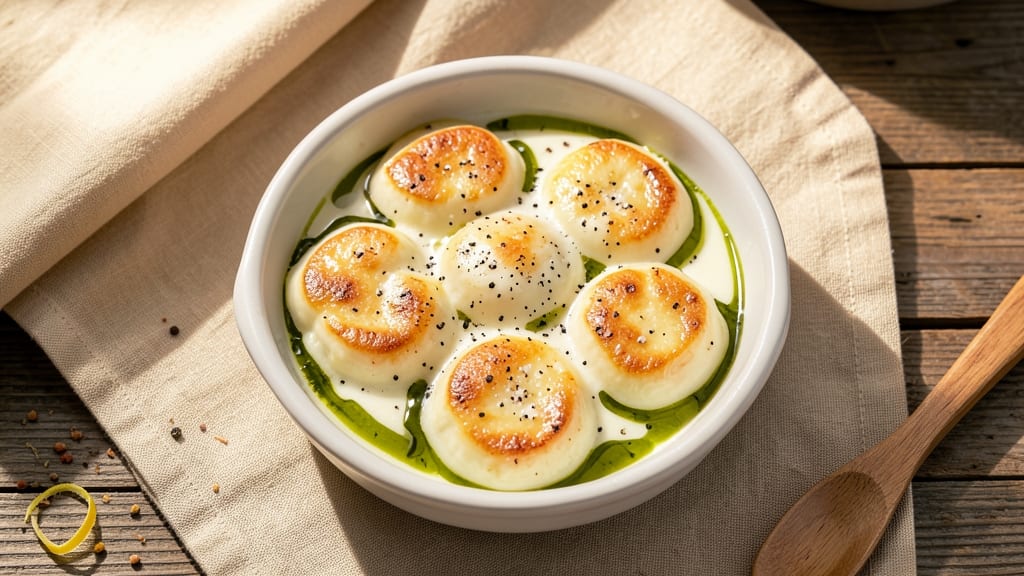
This sous vide cottage cheese egg bites recipe transforms breakfast into a protein-packed, silky-textured masterpiece using precision cooking. The cottage cheese creates an ultra-creamy base while maintaining structure, and sous vide ensures perfectly set yolks every time—no rubbery eggs here.
I developed this after realizing how much better cottage cheese performs than ricotta in high-heat applications, delivering a rich, custard-like texture with minimal effort.
The magic happens at 185°F for 1-2 hours, where the egg-cottage cheese blend gently cooks into silky, jiggly bites with no risk of overcooking. Unlike traditional baked egg muffins, sous vide eliminates the guesswork—just seal, cook, and serve.
The result? Restaurant-quality bites that stay creamy at the center while developing a subtle golden crust around the edges, all while packing double the protein of standard egg bites.
What sets these apart is the balanced ratio of eggs to cottage cheese (typically 2:1), which prevents the mixture from becoming too dense or watery. The cottage cheese also adds a mild tang that cuts through the richness of the yolks, creating a complex, satisfying bite.
These aren’t just egg bites—they’re a textural and nutritional upgrade that belongs on your breakfast table or meal prep rotation.
Serve them warm or chilled, garnished with fresh herbs, smoked paprika, or a drizzle of hot sauce for contrast. The versatility makes them perfect for batch cooking—just portion into silicone molds before sous vide, and you’ll have ready-to-eat protein bites for days.
Let’s get precise with your breakfast game.
Ingredients for sous vide egg bites recipe cottage cheese
Twelve protein-packed bites with restaurant-quality texture using sous vide precision.
| Ingredient | Amount | Notes |
|---|---|---|
| Large Eggs 🥚 | 6 whole | Room temperature for even cooking |
| Small-Curd Cottage Cheese 🧀 | 1 ½ cups | Full-fat for creaminess, drained |
| Whole Milk 🥛 | ¼ cup | For smooth texture, optional |
| Diamond Crystal Kosher Salt 🧂 | ½ tsp | Fine grain preferred |
| Freshly Ground Black Pepper 🌶️ | ¼ tsp | Freshly cracked for depth |
| Extra-Virgin Olive Oil 🫒 | 1 tbsp | For mold release and richness |
| Smoked Paprika 🌶️ | ½ tsp | For subtle smokiness, optional |
| Fresh Chives 🌿 | 2 tbsp | Finely chopped for garnish |
| Silicone Egg Bite Molds 🔶 | 12 whole | 1.5 oz capacity each, food-safe |
| Plastic Wrap 📄 | 1 sheet | For vacuum-sealing substitute |
| Hot Sauce 🌶️ | 1 tbsp | For serving, optional |
The cottage cheese is non-negotiable here—full-fat, small-curd varieties like Organic Valley or Trader Joe's create that signature silky texture. Drain it first to remove excess whey, which prevents watery bites. I always grab room-temperature eggs from the fridge 30 minutes before mixing; they blend more smoothly. The silicone molds are worth the investment—Amazon or Sur La Table carry great options. For the milk, whole milk adds richness, but 2% works in a pinch if you're watching fat content.
No sous vide machine? Plastic wrap + ziplock bags works—just press out air before sealing. Short on chives? Fresh parsley or dill adds a nice contrast. The smoked paprika is optional but adds depth; Penzeys or McCormick are reliable brands. For extra protein, stir in 1/4 cup crumbled feta (vegetarian-friendly) or 1/4 cup cooked quinoa. The olive oil isn't just for release—it adds a subtle fruity note that balances the richness. If you're meal prepping, double the batch—these keep beautifully for 5 days in the fridge.
Store cooked bites in an airtight container with parchment between layers to prevent sticking. They reheat perfectly in a steamer basket over boiling water for 2 minutes—no microwave required. For longer storage, freeze in a single layer before transferring to a bag, where they'll keep for up to 3 months. The chives and paprika can be added fresh after reheating, so they stay vibrant. Pro tip: Portion the wet ingredients first—cottage cheese and eggs are easier to measure before mixing.
Why You'll Love This Recipe
- No-Fuss Technique: I swear by sous vide for these—just crack eggs into a bag with cottage cheese and milk, seal, and let the machine do the work. Fifteen minutes later, you’ve got perfectly set egg bites with zero risk of overcooking or rubbery centers.
- Creamy Crispy Magic: That small-curd cottage cheese? It’s the secret—it turns the bites into something rich and velvety inside, while the edges get just enough crust to hold up. Honestly, the contrast is what makes them dangerously addictive.
- Breakfast or Snack: I make a batch on Sundays and grab them cold for breakfast or reheat them for a quick lunch. They’re great with everything—sliced avocado, hot sauce, or even just a sprinkle of salt and pepper. No rules here.
- Budget Breakfast Win: Eggs and cottage cheese are cheap, and this recipe stretches them further than scrambled eggs ever could. Plus, they reheat beautifully, so you’re not scrambling (pun intended) to use them up before they go bad.
Step-by-step instructions for sous vide cottage cheese egg bites
Here's how to create perfectly silky, protein-packed egg bites with sous vide precision.
Prepare the Egg Mixture for Even Cooking
In a large mixing bowl, combine the 6 whole Large Eggs with the 1.5 cups Small-Curd Cottage Cheese. Use a whisk to blend until completely smooth—no lumps should remain. The cottage cheese should fully incorporate, creating a thick, velvety batter. This step is crucial for achieving that signature silky yolk texture in each bite.
Next, add the 0.25 cup Whole Milk, 0.5 tsp Diamond Crystal Kosher Salt, 0.25 tsp Freshly Ground Black Pepper, and 0.5 tsp Smoked Paprika. Gently fold these ingredients into the egg mixture until evenly distributed. The smoked paprika adds subtle depth, while the milk creates a smoother, more cohesive texture. Let the mixture rest for 5 minutes at room temperature to allow the flavors to meld.
Coat the Molds and Assemble the Bites
Lightly brush the 12 whole Silicone Egg Bite Molds with 1 tbsp Extra-Virgin Olive Oil to ensure easy release later. This oil also adds richness to the final texture. Divide the egg mixture evenly among the molds, filling each about ¾ full. The molds should hold approximately 1.5 ounces of mixture each, yielding 12 perfect bites. Tap the molds gently on the counter to remove any air bubbles.
Cover the filled molds with the 1 sheet Plastic Wrap and press it directly onto the surface to create a vacuum seal. This step prevents spillage during the sous vide process and helps maintain the shape of each bite. If you don't have a vacuum sealer, the plastic wrap works as a close substitute—just press firmly to eliminate air pockets.
Sous Vide for Perfect Texture
Set your sous vide machine to 165°F—this temperature ensures the egg bites cook gently and evenly, resulting in a silky yolk and firm white. Submerge the sealed molds in the water bath, making sure they're fully immersed. Cook for 30 minutes—this precise timing guarantees the eggs reach 160°F internally, the ideal temperature for silky yolks without overcooking.
During this time, the cottage cheese will blend seamlessly with the eggs, creating a creamy, protein-rich center. Avoid opening the lid or disturbing the water bath, as even slight temperature fluctuations can affect the texture. When the time is up, remove the molds carefully and let them cool for 5 minutes before unmolding. The bites should hold their shape but still feel warm to the touch.
Finish and Serve with Fresh Garnishes
Once cooled, gently remove each egg bite from the molds and place them on a serving platter. Use a small offset spatula to help release them if needed—the silicone molds should make this easy. Sprinkle the 2 tbsp Fresh Chives evenly over the top, finely chopped for a bright, fresh finish. The chives add a pop of color and a mild onion-like flavor that complements the richness of the eggs.
Serve immediately with 1 tbsp Hot Sauce on the side for those who enjoy a kick. These egg bites are best enjoyed warm, with the yolk still slightly runny at the center. Store any leftovers in an airtight container in the refrigerator for up to 3 days, reheating gently in a steamer or microwave until warm through. The sous vide method ensures every bite turns out perfectly, every time.
Pro Tips For Making Sous Vide Egg Bites Recipe Cottage Cheese
- Whisk Eggs Cold: Grab the eggs straight from the fridge—no pre-warming—and whisk them with the milk in an ice bath. I learned this the hard way: room-temperature eggs emulsify unevenly with cottage cheese, leading to lumpy bites. Cold eggs blend smoother, especially when you’re sous vide-ing at 150°F for 2 hours.
- Drain Cottage Cheese: Line a fine-mesh strainer with cheesecloth over a bowl, dump in the cottage cheese, and let it drain for 10 minutes. The excess whey makes your bites gummy, and small-curd cheese holds more moisture than you’d think. Skip this, and you’ll end up with a sad, watery center.
- Seal Bags Tight: Roll the top of your sous vide bag twice—once lengthwise, then once widthwise—to squeeze out all air pockets. I’ve had bags pop open mid-cook because of trapped air, and that’s a mess you don’t want to clean up. Use a straw to suck out air if you’re paranoid (I am).
- Salt After Cooking: Hold off on the kosher salt until the bites hit the stovetop or air fryer for browning. The salt draws out moisture during sous vide, leaving you with dry, crumbly results. Sprinkle it on right before finishing—trust me, your bites will thank you.
Regional styles of sous vide egg bites recipe cottage cheese
Southern Comfort Style
In the South, cottage cheese egg bites often get a smoky, spicy twist. I like adding ½ tsp cayenne pepper and 1 tsp hot honey to the egg mixture before sous vide. Serve with a side of crispy fried green tomatoes for a classic Southern brunch combo.
The heat from the cayenne balances the creaminess perfectly, and the honey adds a touch of sweetness that feels right at home in the morning. 🌶️
New England Coastal Twist
Up north, I’ve seen these bites elevated with local seafood flavors. Stir in 2 tbsp finely chopped smoked salmon or 1 tbsp cream cheese mixed with 1 tsp Old Bay seasoning into the egg mixture. Garnish with fresh dill and lemon zest after cooking for a bright, briny contrast.
This variation works especially well for a weekend brunch when you want something hearty but still light. The sous vide method keeps the salmon perfectly cooked without overpowering the eggs.
Midwest Heartland Adaptation
The Midwest loves a good comfort food upgrade, so I often swap the smoked paprika for 1 tsp cinnamon and ½ tsp nutmeg to give these bites a subtle spiced twist. Add ¼ cup crumbled bacon to the mixture before sous vide for a smoky, savory depth.
Serve with a side of maple-glazed sausage for a brunch that feels like a hug. The sous vide method ensures the bacon stays crispy while the eggs stay silky—no soggy bits here. 🥓
Pacific Northwest Fusion
Out west, I’ve adapted these bites with local ingredients like avocado and microgreens. After sous vide, top each bite with ¼ mashed avocado and a sprinkle of peppery microgreens. The creamy avocado complements the cottage cheese beautifully, while the microgreens add a fresh, earthy note.
For extra protein, stir in 2 tbsp cooked quinoa into the egg mixture before cooking. This version is perfect for a brunch that’s as fresh as it is hearty.
Tex-Mex Fiesta Style
In Texas, I love giving these bites a fiesta flair. Mix ½ cup black beans and ¼ cup corn into the egg mixture before sous vide for a protein-packed twist. Garnish with diced avocado, pico de gallo, and a sprinkle of cotija cheese after cooking.
The sous vide method keeps the black beans tender while the eggs stay perfectly set. Serve with a side of warm tortillas** for a brunch that’s anything but basic. 🌮
Nutrition facts
Frequently asked questions
Why does cottage cheese work better than ricotta in sous vide egg bites?
Cottage cheese has a higher protein content (12g per ½ cup vs. ricotta's 8g) and a firmer texture that holds up beautifully during sous vide. Its small curds create a creamy yet structured bite, while ricotta can become too watery at 165°F. The mild tang also balances the richness of the eggs perfectly.
Can I make these egg bites without silicone molds?
Yes! Use ramekins or muffin tins lined with parchment paper cutouts. Grease them well with olive oil, then pour the egg mixture into each cavity. After sous vide, the bites will release easily. For extra insurance, use plastic wrap pressed directly on top before sealing.
What's the best way to reheat leftovers?
For maximum creaminess, use a steamer basket over boiling water for 2 minutes—this prevents drying out. If using a microwave, cover with a damp paper towel and heat for 15-20 seconds on 50% power. Never reheat above 160°F to maintain that silky yolk texture.
How do I adjust this recipe for meal prep?
Double the batch and use 18 molds for 36 bites. Store cooked bites in an airtight container with parchment between layers. They keep 5 days refrigerated or 3 months frozen. For freezing, portion in a single layer first to prevent sticking. Thaw overnight in the fridge before reheating.
What happens if I cook them too long?
Beyond 45 minutes at 165°F, the yolks will start to firm up completely and the texture may become slightly grainy. The cottage cheese can also release more moisture, making the bites less stable. Stick to the 30-minute window for perfect silky results every time.