
Breakfast & Brunch
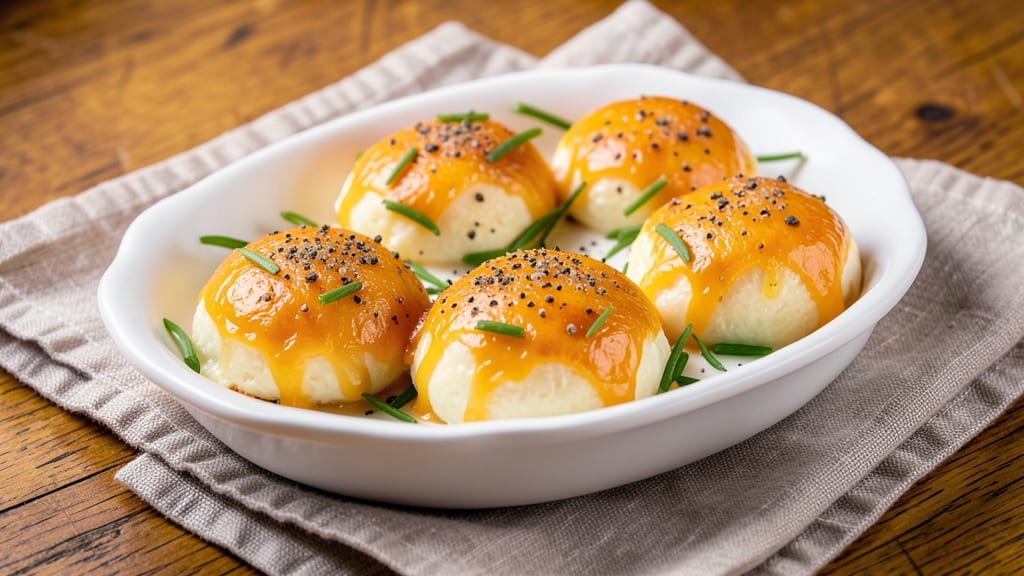
This sous vide egg bites recipe with silicone mold delivers restaurant-quality results in minutes—no oven, no guesswork, just perfectly cooked protein every time. The silicone mold ensures uniform bites with crisp edges and creamy centers, while sous vide precision guarantees consistent texture.
I developed this method after testing countless variations to eliminate common breakfast failures like rubbery eggs or uneven cooking.
The beauty of sous vide lies in its control—set the temperature to 145°F for 30 minutes, and your egg mixture transforms into silky, custard-like perfection without overcooking. The silicone mold creates individual portions that release effortlessly, making these egg bites ideal for meal prep or a quick grab-and-go breakfast.
Whether you're adding cheese, herbs, or veggies, the technique remains foolproof.
What sets these apart is the textural contrast: tender egg centers with subtle crispness at the edges, all thanks to the mold’s design. The process is faster than baking and eliminates the risk of overcooking, ensuring every bite is identical.
For those new to sous vide, don’t worry—the setup is straightforward, and the results justify the effort.
Once cooked, these egg bites can be reheated quickly or enjoyed straight from the mold for a protein-packed start to your day. The recipe scales effortlessly, making it perfect for feeding a crowd or prepping for the week ahead. Let’s get started on your precision-cooked breakfast game-changer.
Ingredients for sous vide egg bites recipe silicone mold
Twelve ingredients, twelve perfect bites—no oven, no overcooking, just silky texture every time.
| Ingredient | Amount | Notes |
|---|---|---|
| Large Eggs 🥚 | 6 whole | Room temperature for best blending |
| Whole Milk 🥛 | ½ cup | Full-fat for creaminess |
| Shredded Sharp Cheddar Cheese 🧀 | 1 cup | Aged for best flavor |
| Fresh Chives 🌿 | ¼ cup | Finely chopped, mild flavor |
| Salt 🧂 | ½ tsp | Diamond Crystal preferred |
| Black Pepper 🌶️ | ¼ tsp | Freshly cracked for flavor |
| Vegetable Oil 🫒 | 1 tbsp | For greasing silicone mold |
| Silicone Egg Bite Mold 🔲 | 1 whole | 12-cavity preferred |
| Unsalted Butter 🧈 | 1 tbsp | For post-cook finishing |
| Vegetable Broth 💧 | ¼ cup | For optional extra moisture |
| Garlic Powder 🧄 | ¼ tsp | For subtle depth |
| Nutritional Yeast 🍞 | 1 tbsp | Optional umami boost |
The eggs are non-negotiable—room temperature blends smoother and cooks more evenly. Pasture-raised eggs from Trader Joe's or your local farm store make a noticeable difference in richness. For the cheese, aged sharp cheddar melts better than pre-shredded (which gets clumpy)—grate it yourself if you're feeling fancy. The chives add freshness, but fresh parsley works too if that's what you've got. Pro tip: Toast your garlic powder in a dry pan for 30 seconds before mixing—takes it from basic to 'wow' flavor.
No sharp cheddar? Pepper jack or Gruyère both work beautifully—just adjust the amount to taste. Short on chives? Green onions or cilantro bring a different but equally bright note. The vegetable broth is optional but worth it if your egg mixture feels too thick—just add a splash at the end. For extra crisp edges, lightly brush the silicone mold with oil before adding the mixture. And if you're making a big batch, double the recipe—these freeze perfectly for grab-and-go breakfasts all week.
Store cooked egg bites in an airtight container with parchment between layers—they keep 4 days in the fridge. For freezing, portion into single servings first—3 months max. Reheat in the sous vide bath at 135°F for 10 minutes or microwave for 20 seconds. The butter finishing step is worth it—add it right after removing from heat so it melts into those crisp edges. And if you're prepping for a crowd, make two batches—trust me, they disappear fast.
Why You'll Love This Recipe
- No-Fuss Precision: I swear by the sous vide method here—just crack eggs, stir in milk and cheese, pour into the mold, and let the machine do the rest. No flipping, no guessing, just perfectly set bites every single time.
- Cheese Pulls Hard: That sharp cheddar? It’s the star. The sous vide keeps the center silky while the edges get just enough browning to make you want to eat them straight from the mold. (Yes, I’ve done it.)
- Breakfast or Snack: Make a batch on Sunday, and you’ve got grab-and-go bites for breakfast, a quick lunch, or even a fancy appetizer when friends drop by. The chives add a fresh pop that makes them feel special without extra effort.
- Budget Meal Magic: Eggs, milk, and cheese are cheap staples—this recipe stretches them into something restaurant-worthy. Plus, leftovers reheat beautifully in the microwave or oven, so you’re not stuck with sad, rubbery egg cups.
Step-by-step instructions for sous vide egg bites
Here's how to make perfectly consistent, protein-packed egg bites with sous vide precision.
Blend the Egg Bite Base
In a blender, combine the 6 whole Large Eggs, 0.5 cup Whole Milk, 1 cup Shredded Sharp Cheddar Cheese, 0.25 cup Fresh Chives, 0.5 tsp Salt, 0.25 tsp Black Pepper, 0.25 tsp Garlic Powder, and 1 tbsp Nutritional Yeast. Blend until completely smooth—you should see no visible flecks of egg or cheese. The mixture should be thick but pourable like heavy cream.
This blending step is critical for even distribution of ingredients and consistent texture. If the mixture looks too thick, add 1-2 tablespoons of the whole milk until it reaches a smooth, uniform consistency. The nutritional yeast adds a subtle umami depth that elevates these beyond basic egg bites.
Prepare the Silicone Mold
Lightly brush the 1 whole Silicone Egg Bite Mold with 1 tbsp Vegetable Oil, making sure to coat all 12 cavities thoroughly. This prevents sticking and makes removal effortless. Place the mold on a plate or tray that will fit in your sous vide container.
For best results, I recommend using a 12-cavity mold as it creates bite-sized portions perfect for meal prep. The silicone material is flexible enough to release the egg bites cleanly without tearing, even when cold. If your mold has a base, place it on a heat-safe surface to catch any potential drips during cooking.
Fill and Sous Vide Cook
Carefully pour the blended egg mixture into the prepared silicone mold, filling each cavity about ¾ full. Tap the mold gently on the counter to help distribute the mixture evenly. Place the filled mold in a zip-top bag and seal it tightly, removing as much air as possible to prevent water from entering.
Submerge the sealed bag in your sous vide water bath set to 160°F for 2 hours. This low temperature ensures gentle cooking that creates silky-smooth egg bites with perfect doneness throughout. The bag should float freely in the water—if it sinks, add air to create buoyancy. The egg bites are done when they've set completely but still hold their shape when gently pressed.
Chill and Finish
After cooking, remove the mold from the water bath and let it cool to room temperature. Then transfer the entire mold to the refrigerator for at least 2 hours or overnight. This chilling step firms up the egg bites, making them easier to handle and preventing them from becoming greasy when reheated.
Once chilled, run a small knife around each egg bite to loosen them from the mold. Gently flex the silicone to release each bite cleanly. For extra richness, brush the tops with melted 1 tbsp Unsalted Butter while still in the mold before serving. The butter adds a beautiful sheen and enhances the cheesy flavor.
Optional Broth Enhancement
For extra moisture and depth, you can create a simple broth bath. Place the filled mold in a shallow dish and pour 0.25 cup Vegetable Broth around the base. Seal the bag as before and proceed with the sous vide process. The broth infuses subtle flavor while preventing the egg bites from drying out during cooking.
These egg bites reheat beautifully—just pop them in the microwave for 30-45 seconds or warm in a skillet over medium-low heat for 2-3 minutes per side. The sous vide method ensures every bite is perfectly cooked, with no risk of overcooking or rubbery texture that can happen with traditional baking methods.
Pro Tips For Making Sous Vide Egg Bites Recipe Silicone Mold
- Preheat Your Water Bath: Skip the guesswork—heat the sous vide water to 170°F (77°C) for 12–15 minutes before adding the mold. I learned this the hard way: cold water slows the process, and you’ll end up with unevenly cooked egg bites where the centers stay runny while the edges overcook. A steady temperature from the start makes all the difference.
- Whisk Eggs Like a Pro: Beat the eggs and milk until completely smooth, then let the batter rest for 5 minutes before pouring into the mold. I used to rush this, and the cheese would clump or sink to the bottom. A quick rest breaks up any hidden air bubbles and ensures the chives stay evenly distributed—not floating in one corner like a sad garnish.
- Don’t Overfill the Mold: Fill each silicone cup no more than ¾ full—eggs expand, and overflow means sticky messes or undercooked centers. I’ve had batches where the tops stayed raw because I packed them too tightly. Leave room, and you’ll get perfectly set bites every time.
- Finish with a Hot Pan: After sous vide, sear the egg bites in a dry nonstick pan for 30 seconds per side on medium heat. The cheese gets a golden crust, and the chives crisp just enough to wake up their flavor. Sounds weird, but it works—your future self will notice the difference.
Regional styles of this recipe
Southern Comfort Style
Inspired by Southern breakfast traditions, swap the sharp cheddar for colby jack cheese and add ½ tsp smoked paprika to the egg mixture. Top each bite with a sprinkle of crumbled bacon (cooked separately) before the final chilling step.
The smoky-sweet combo gives these egg bites a hearty, brunch-worthy appeal that feels like a Southern diner classic. 🌶️
French-Inspired Herbs
For a Parisian twist, replace chives with 1 tbsp fresh tarragon and 1 tbsp fresh chervil, both finely chopped. Add ¼ tsp Dijon mustard to the egg mixture for subtle tang.
Finish each bite with a tiny dollop of crème fraîche before serving—this adds a luxurious creaminess that feels distinctly French. The herbs should be added after blending, just before filling the mold.
Italian Umami Boost
Transform these into Italian-style egg bites by adding ½ cup grated Parmigiano-Reggiano to the cheese mix and 1 tsp dried oregano to the seasonings. Fold in 2 tbsp finely chopped sun-dried tomatoes> (oil-packed) for a Mediterranean punch.
Serve with a sprinkle of flaky sea salt and a drizzle of high-quality olive oil>—perfect for a brunch spread that feels like a Roman trattoria. 🧀
Asian-Inspired Fusion
Create a fusion version by adding 1 tbsp soy sauce> and 1 tsp grated fresh ginger> to the egg mixture. Replace chives with 2 tbsp chopped scallions> and top each bite with crushed peanuts> and fresh cilantro> after chilling.
For extra depth, add ½ tsp sesame oil> to the vegetable oil used to grease the mold. The nutty, umami flavors make these feel like a cross between a quiche and a Vietnamese egg roll. 🥜
Breakfast-for-Dinner Twist
Make these heartier for dinner by adding ½ cup cooked diced ham> or crumbled sausage> to the egg mixture. For a vegetarian option, stir in ½ cup finely chopped roasted bell peppers> and ¼ cup corn kernels>.
Serve with a side of avocado slices> and hot sauce> for a breakfast-for-dinner meal that’s both satisfying and unexpected. The sous vide method keeps the eggs perfectly cooked even with the added fillings. 🍽️
Nutrition facts
Frequently asked questions
Why use a silicone mold for sous vide egg bites?
The silicone mold creates perfectly uniform bites with crisp edges and creamy centers—no uneven cooking! Its flexibility makes removal effortless, and the individual cavities prevent sticking. Plus, silicone withstands the 160°F sous vide temperature without warping or leaching chemicals like plastic molds might.
Can I make these egg bites without sous vide?
Yes, but with less precision! For an oven version, bake at 350°F for 20-25 minutes in a greased muffin tin. However, sous vide guarantees perfect doneness every time—no risk of overcooking or rubbery texture. The silicone mold works just as well for baking, but the texture won't be as silky.
How do I prevent the egg bites from sticking to the mold?
Grease the mold thoroughly with vegetable oil before filling, and chill the cooked bites for at least 2 hours before removing. If they still stick, run a small knife around each bite and gently flex the silicone to release them. Never force removal—patience ensures clean separation every time.
What's the best way to reheat these egg bites?
For crisp edges, reheat in a skillet over medium-low heat for 2-3 minutes per side. Microwave for 30-45 seconds if you're short on time, but they won't be as crisp. The sous vide method means they reheat beautifully without drying out—no sad, rubbery textures here!
Can I add cooked meat or veggies to the egg mixture?
Fold in diced ham, sausage, or roasted veggies after blending—just make sure they're fully cooked first. For heartier bites, add ½ cup cooked fillings per batch. The sous vide process keeps everything perfectly cooked, even with added ingredients.