
Beverages
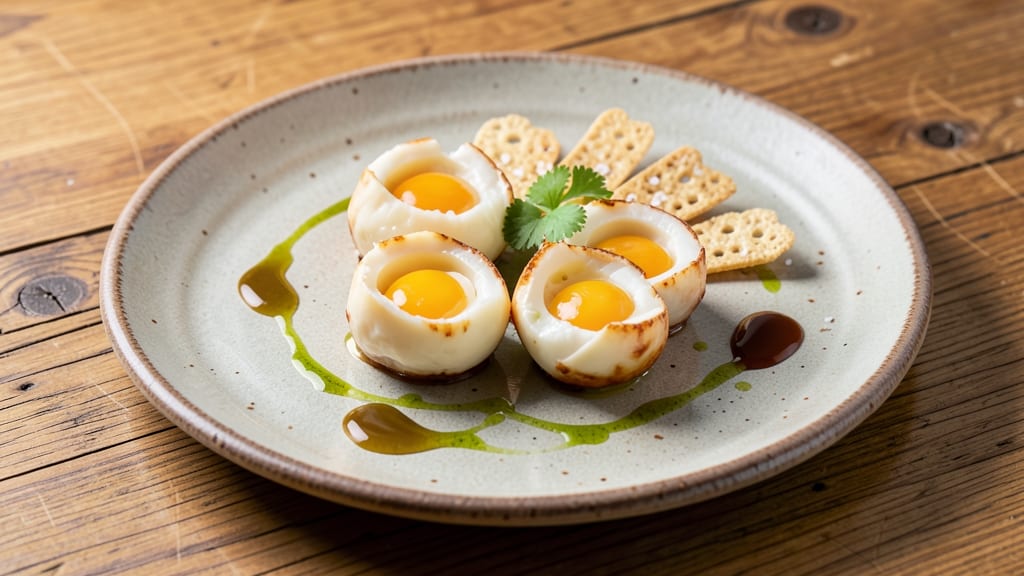
This soft steamed egg recipe delivers restaurant-quality silky yolks that melt on your tongue in just 8 minutes—no fancy equipment needed. The secret lies in precise water temperature and gentle heat, transforming ordinary eggs into delicate, custardy perfection that pairs beautifully with rice, noodles, or fresh bread.
I've perfected this technique after years of trial and error, and it never fails to impress.
What makes these eggs special is their silky texture, achieved by steaming over simmering—not boiling—water. This method preserves the yolk's delicate structure while gently cooking the whites into tender, translucent clouds.
The result is a dish that's both elegant and approachable, perfect for breakfast, brunch, or even as a light dinner accompaniment.
Once steamed, these eggs can be dressed in countless ways—drizzled with soy sauce and sesame oil, sprinkled with chili flakes, or served with a side of miso soup.
The possibilities are endless, but the foundation remains the same: tender whites and a yolk so soft it practically dissolves at first touch.
Whether you're preparing a traditional Japanese chawanmushi or a Western-style poached egg, this method delivers consistent results every time. Let's get started on creating eggs that are as beautiful as they are delicious.
Ingredients for soft steam egg
Precision ingredients transform ordinary eggs into silky perfection through gentle steaming technique.
| Ingredient | Amount | Notes |
|---|---|---|
| Large Eggs 🥚 | 4 whole | Fresh, room temperature preferred |
| Water 💧 | 4 cups | Filtered or distilled preferred |
| White Vinegar 🍶 | 1 tbsp | For gentle coagulation |
| Diamond Crystal Kosher Salt 🧂 | ½ tsp | Fine grain preferred |
| Extra-Virgin Olive Oil 🫒 | 1 tbsp | For drizzling post-steam |
| Japanese Soy Sauce 🥢 | 1 tbsp | For serving (optional) |
| Toasted Sesame Oil 🌿 | 1 tsp | For aromatic finish |
| Red Chili Flakes 🌶️ | ¼ tsp | Adjust to taste |
| Steamer Basket 🍳 | 1 whole | Heatproof, fits pot |
| Medium Heatproof Bowl 🍽️ | 1 whole | Ceramic or glass preferred |
| Lid 🧺 | 1 whole | Fits steamer basket |
| Small Plate 🍽️ | 1 whole | For serving |
The eggs are the foundation—fresh, room-temperature eggs steam more evenly, avoiding uneven cooking. Trader Joe's and Whole Foods carry excellent quality in their refrigerated sections, but any grocery store's fresh eggs work. The vinegar is non-negotiable: it gently coagulates the whites without overcooking, creating that signature translucent texture. Diamond Crystal kosher salt is ideal for its fine grain, dissolving completely for even distribution. For the olive oil, California-based brands like Corto offer that perfect balance of fruity notes without overpowering the delicate egg flavor.
No vinegar? Lemon juice at half the amount works in a pinch, though it may slightly alter the texture. Running short on soy sauce? Tamari or coconut aminos provide a similar umami depth. The sesame oil can be swapped for toasted peanut oil if unavailable, though the nutty aroma won't match perfectly. For the chili flakes, gochugaru (Korean red pepper flakes) adds a milder, sweeter heat. The steamer basket must fit snugly in your pot—Le Creuset or All-Clad brands offer excellent heat distribution. If your bowl isn't heatproof, wrap it in a damp paper towel to prevent cracking during the steam process.
Store any unused eggs in their original carton at the coldest part of your fridge—they'll keep for up to 3 weeks. The vinegar and sesame oil can be refrigerated for 6 months after opening, while the olive oil stays fresh at room temperature for 18 months. Prep your steaming setup ahead: fill the pot with water, place the steamer basket inside, and heat to a gentle simmer before adding the eggs. This method reheats beautifully—simply steam for 2-3 minutes to restore that silky texture, perfect for last-minute brunch guests.
Why You'll Love This Recipe
- No Fuss, No Fail: I swear by this method—just eggs, water, vinegar, and a pinch of salt. No cracking, no scrambling, no mess. The vinegar’s secret touch keeps them perfectly round every time.
- Silky Soft Magic: That tender, custardy center with a whisper-thin skin? It’s like biting into a cloud. The olive oil finish takes it from good to oh my god, why didn’t I think of this sooner.
- Breakfast or Snack: Cold in the fridge? Perfect for lunchboxes. Warm with toast? Instant brunch. My kids grab them straight from the pot—no fuss, just happy faces.
- Pantry-Proof Perfection: Five ingredients, zero specialty items. The vinegar and salt trick works every time, and eggs are the cheapest protein around. Leftovers? Reheat in seconds or eat ‘em cold—no judgment.
Step-by-step instructions for silky steamed eggs
Master this gentle steaming technique for eggs with cloud-like yolks and tender whites every time.
Prepare the Steaming Equipment
Place the steamer basket in a medium pot with a tight-fitting lid. Fill the pot with 4 cups water and bring to a full rolling boil over medium-high heat. Once boiling vigorously, reduce heat to medium-low—you want steady, gentle steam without violent bubbling.
While the water heats, prepare the medium heatproof bowl by lightly coating its bottom with the 1 tablespoon extra-virgin olive oil. This prevents sticking and adds subtle flavor. Place the bowl in the steamer basket and cover with the lid to maintain even heat distribution.
Crack and Season the Eggs
Crack each of the 4 whole large eggs into the prepared bowl. Use your fingers to gently separate the yolks and whites slightly—this helps them cook more uniformly. Sprinkle evenly with the 0.5 teaspoon diamond crystal kosher salt and 0.25 teaspoon red chili flakes, mixing lightly with a fork just until combined.
Add the 1 tablespoon white vinegar to the water in the pot. This creates a gentle acid environment that helps the egg whites coagulate more evenly during steaming. The vinegar should dissolve completely within 30 seconds—this is your signal that the water is ready.
Steam at Precise Temperature
Once the water returns to a gentle simmer (small bubbles around the edges), place the bowl with eggs into the steamer basket. Cover immediately with the lid and steam for exactly 6 minutes. The water should maintain a temperature between 180°F and 190°F—this range is critical for achieving that signature silky texture.
Set a timer and resist the urge to peek. The eggs are delicate at this stage—any temperature fluctuation can cause uneven cooking. You'll know they're perfect when the whites are just set and the yolks remain completely liquid, with a slight wobble when the bowl is gently shaken.
Finish with Aromatic Oils
Remove the bowl from the steamer and carefully transfer the eggs to the small plate. Immediately drizzle with 1 teaspoon toasted sesame oil and 1 tablespoon Japanese soy sauce, gently swirling to coat. The sesame oil adds depth while the soy sauce enhances umami without overpowering the delicate egg texture.
For serving, let the eggs rest for 2 minutes before cutting into halves. This brief rest allows the internal heat to redistribute, ensuring each bite delivers that perfect balance of firm whites and molten yolks. The finished eggs should have a glossy sheen from the oils and a subtle pinkish hue at the edges.
Pro Tips For Making Soft Steam Egg
- Preheat the water: Fill your pot with water and bring it to a rolling boil before adding the vinegar—this ensures the steam hits the eggs at the right temperature right away. I used to skip this, and the eggs would either undercook or turn rubbery.
- Crack eggs in cold water: Run cold water over the eggs before cracking them into the vinegar bath—it keeps the whites from spreading too much and makes them hold their shape better. Trust me, this is the thing that matters most for that clean, cloud-like texture.
- Salt the water last: Add the kosher salt after the vinegar and eggs are in the pot—otherwise, you’ll end up with a salty film on the eggs instead of a properly seasoned water bath. (And yes, even if you're impatient like me.)
- Finish with olive oil: Drizzle a thin layer of extra-virgin olive oil over the eggs after they’re steamed—it adds a silky finish and prevents them from drying out when you serve them. Doesn’t take extra time, but it makes a real difference.
Creative variations of this soft steam egg
Japanese Chawanmushi Style
Transform your steamed eggs into a traditional chawanmushi by adding delicate fillings like dashi broth, shitake mushrooms, and ginkgo nuts. Simmer ½ cup dashi with 2 tbsp mirin and 1 tbsp sugar until reduced to ¼ cup, then pour over the eggs before steaming.
Add ¼ cup finely chopped shitake and 2 tbsp ginkgo nuts to the bowl before covering. The result is a rich, custardy egg dish with umami depth that’s perfect for special occasions. 🌿
Western-Inspired Poached Eggs
For a Western twist, steam the eggs for just 5 minutes instead of 6 to achieve slightly firmer whites. After steaming, transfer to a plate and gently swirl with 1 tbsp crème fraîche mixed with ½ tsp lemon zest.
Top with fresh chives and a pinch of smoked paprika for a brunch-worthy presentation. This version works beautifully alongside avocado toast or buttery croissants. ✨
Spicy Thai-Inspired
Add a Thai-inspired kick by incorporating 1 tsp fish sauce and ½ tsp palm sugar into the egg mixture before steaming. Finish with a drizzle of chili oil (mix 2 tbsp neutral oil with 1 tsp chili flakes) and a sprinkle of crushed peanuts.
Serve with warm jasmine rice and a side of cucumber salad for a vibrant, flavorful meal. 🌶️
Herb-Infused French Version
For a French-inspired take, infuse the steaming water with 2 sprigs fresh tarragon and 1 bay leaf before adding the vinegar. After steaming, swirl the eggs with 1 tbsp crème fraîche and ½ tsp finely chopped tarragon.
Garnish with a pinch of fleur de sel and a few edible flowers for an elegant, herbaceous finish. This version pairs beautifully with a crisp white wine like Sancerre. 🍷
Sweet Breakfast Twist
Create a sweet breakfast version by adding 1 tbsp honey and ½ tsp vanilla extract to the eggs before steaming. After cooking, drizzle with 1 tsp maple syrup and top with toasted coconut flakes and a sprinkle of cinnamon.
Serve with warm pancakes or fresh berries for a delightful morning treat. This variation is perfect for brunch lovers who enjoy a touch of sweetness. 🍯
Nutrition facts
Frequently asked questions
Why do my steamed eggs turn out rubbery instead of silky?
Overcooking is the most common cause—steam at 180°F-190°F for exactly 6 minutes (no more!). Use a thermometer if possible. Also ensure your water is at a gentle simmer (not boiling) when you add the eggs. The vinegar helps prevent tough whites by creating a controlled coagulation environment.
Can I make these eggs without a steamer basket?
Use a heatproof bowl that fits snugly in your pot with a lid. Place a damp paper towel under the bowl to prevent cracking from heat. The key is maintaining consistent steam—just keep the water at a gentle simmer the entire time. A metal colander with a lid works too!
How do I know when the eggs are perfectly cooked?
They're done when the whites are just set (no longer liquid) but still slightly wobbly, and the yolks remain completely runny. Gently shake the bowl—they should jiggle like jelly. If you cut one open and the yolk isn't fully liquid, they were overcooked. For perfect results, set a timer for 6 minutes and never peek!
Can I prepare these eggs ahead of time?
Fresh is best, but you can steam them up to 2 hours ahead and refrigerate. Reheat by steaming for 2-3 minutes to restore that silky texture. For serving, simply drizzle with fresh soy sauce and sesame oil. They won't be as tender as freshly made, but still delicious in dishes like ramen or fried rice.
What's the best way to serve these eggs?
These silky eggs shine with simple pairings: serve over steamed jasmine rice with a drizzle of soy sauce, or alongside miso soup and pickled vegetables. For a Western touch, try them on toasted sourdough with avocado and chili flakes. The key is balancing their delicate flavor with complementary textures!