
Main Courses
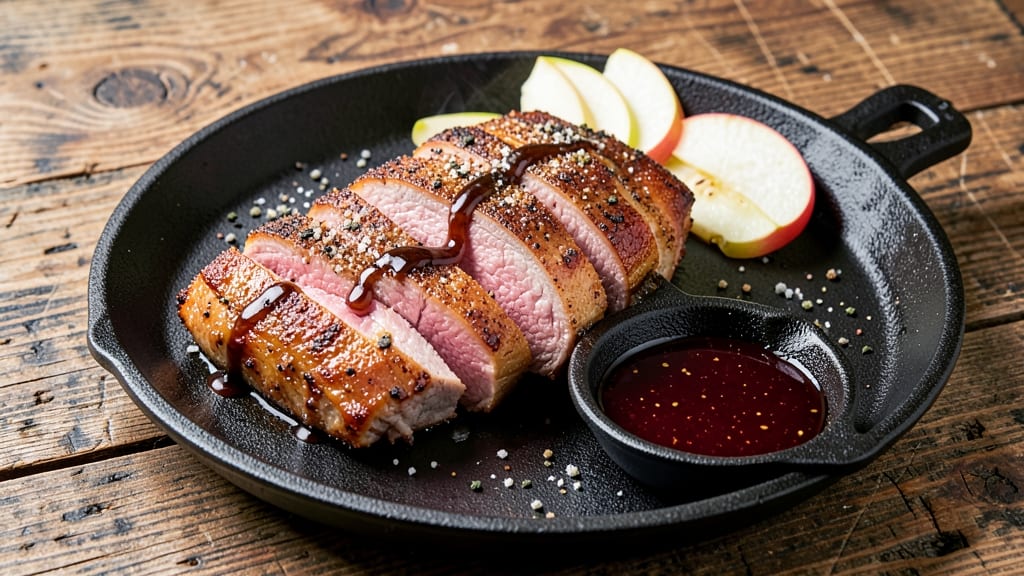
This smoked pork tenderloin recipe for the Big Green Egg delivers melt-in-your-mouth tenderness with a perfect bark—no guesswork, just foolproof results. The key lies in the Egg’s precise temperature control and even heat distribution, transforming tough cuts into restaurant-quality pork that falls apart at the touch of a fork.
What sets this method apart is the ability to maintain consistent low-and-slow cooking while building that coveted smoky crust.
Start with a simple dry rub of salt, pepper, and smoked paprika—just enough to cling to the meat without overwhelming its natural flavor. The Big Green Egg’s ceramic design holds heat beautifully, allowing the pork to cook evenly while developing deep, wood-fired smokiness.
A 225°F target temperature ensures tender meat throughout, with a final sear to lock in juices and create that prized bark.
By the time you pull it from the Egg, you’ll have perfectly pink, juicy pork that shreds effortlessly while maintaining structure—ideal for sandwiches, tacos, or serving whole with a drizzle of homemade BBQ sauce.
The smoky aroma alone will have everyone gathering around the table, and the Big Green Egg makes it possible without the fuss of a traditional smoker.
Pair with grilled vegetables, cornbread, or a crisp green salad to complete the meal. This recipe isn’t just about the pork—it’s about mastering the art of low-and-slow cooking with the tools that make it effortless. Let’s get started on creating your perfect smoked pork tenderloin.
Ingredients for smoked pork tenderloin recipe big green egg
Four simple ingredients transform tough pork into restaurant-quality smoky perfection on your Big Green Egg.
| Ingredient | Amount | Notes |
|---|---|---|
| Pork Tenderloin 🥩 | 2 lb | Center-cut, trimmed of fat |
| Kosher Salt 🧂 | 1 ½ tbsp | Diamond Crystal preferred |
| Freshly Ground Black Pepper 🌶️ | 1 tsp | Coarsely cracked |
| Smoked Paprika 🌶️ | 1 tbsp | Spanish paprika for depth |
| Wood Chips 🌳 | 1 cup | Hickory or apple preferred |
| Apple Cider Vinegar 🍎 | 2 tbsp | For spritzing during smoke |
| Butter 🧈 | 2 tbsp | Unsalted, softened slightly |
| Garlic Cloves 🧄 | 4 cloves | Minced for butter finish |
| Fresh Rosemary 🌿 | ¼ cup | Chopped, for final garnish |
| Yellow Onion 🧅 | 1 whole | Thinly sliced for serving |
| BBQ Sauce 🍅 | ½ cup | Store-bought or homemade |
| Olive Oil 🫒 | 1 tbsp | For final sear |
The pork tenderloin is your star—center-cut with no silver skin or connective tissue. Costco or Whole Foods carry the best quality, but any butcher will trim it for you. Look for good marbling and a firm, pink exterior. Smoked paprika is non-negotiable here—Spanish paprika has that authentic smoky depth you can't get with regular paprika. For wood chips, Traeger or Cookshack brands are consistent, but any food-grade hickory or apple works. The key is keeping them damp in a metal container before adding to the Egg.
No smoked paprika? Substitute 1 tsp liquid smoke plus 1 tbsp regular paprika—it won't be identical, but it'll get you close. Running out of apple cider vinegar? White vinegar or even lemon juice works in a pinch. The butter finish is where magic happens—use European-style unsalted butter if you can find it (Plugrá or President brands). For the BBQ sauce, Sweet Baby Ray's or Stubb's are crowd-pleasers, but any good vinegar-based sauce will do. The olive oil for searing should be high smoke point—avoid extra-virgin here unless it's refined.
Pork keeps best in the fridge for 3-4 days wrapped tightly in butcher paper. For longer storage, vacuum-seal portions and freeze for up to 6 months. The wood chips stay fresh for 3-6 months in an airtight container. I always make double batches—shredded pork freezes beautifully for tacos or sandwiches later. The Big Green Egg's ceramic design means you can keep it hot for hours, so plan ahead if you're serving a crowd. The smoky aroma lingers for days, so expect compliments even before the first bite.
Why You'll Love This Recipe
- I swear by this: just trim the pork, slather it with salt, pepper, and that smoky paprika, then toss it on the Big Green Egg. No brining, no fuss—just 15 minutes of hands-off smoking while you sip your coffee.
- Foolproof Prep: I swear by this: just trim the pork, slather it with salt, pepper, and that smoky paprika, then toss it on the Big Green Egg. No brining, no fuss—just 15 minutes of hands-off smoking while you sip your coffee.
- Smoke Bomb Flavor: That wood chip magic? It turns lean pork into something rich and tender, with a crust so good you’ll want to eat it straight off the rack. (Yes, I’ve done it.)
- Weeknight to BBQ Hero: Smoked pork tenderloin works for everything—slice it for sandwiches, cube it for tacos, or serve it whole with a side salad. Even my picky uncle asked for seconds at the last cookout.
Step-by-step instructions for smoked pork tenderloin on Big Green Egg
Here's how to transform a simple pork tenderloin into melt-in-your-mouth perfection with that coveted bark.
Prepare the Pork Tenderloin for Smoking
First, trim any remaining fat from the 2 lb pork tenderloin and pat it completely dry with paper towels. This step is non-negotiable—moisture is the enemy of that perfect bark we're after. Place the tenderloin on a plate and rub it generously with the 1.5 tbsp kosher salt, 1 tsp freshly ground black pepper, and 1 tbsp smoked paprika. I like to press the spices into the meat so they adhere well and penetrate slightly.
Let the seasoned tenderloin sit at room temperature for 30 minutes before smoking. This allows for even cooking and better smoke penetration. While it rests, prepare your Big Green Egg by filling the water pan with 2 tbsp apple cider vinegar—this helps maintain moisture and adds a subtle tang to the smoke.
Set Up the Smoker for Low-and-Slow Cooking
Load 1 cup wood chips (hickory or apple) into the smoker tube and light them according to your Big Green Egg's instructions. Once the wood chips are burning steadily and you see clean, blue smoke (not thick white smoke), adjust the heat to 225°F. This low-and-slow temperature is crucial—it ensures tender meat without drying it out.
Place the pork tenderloin directly on the cooking grate, fat-side up if there's any remaining fat. Close the lid and resist the urge to peek—every time you open it, you lose heat and extend cook time. Let the tenderloin smoke undisturbed for 1 hour, then spritz it lightly with apple cider vinegar using a spray bottle. This keeps the surface moist and helps develop that beautiful bark.
Monitor and Finish the Smoking Process
Continue smoking the pork tenderloin, spritzing it every 30 minutes with apple cider vinegar, until the internal temperature reaches 145°F on a meat thermometer. This should take about 2 to 2.5 hours total, depending on your egg's heat retention. You'll know it's ready when the meat is fork-tender and the bark is deep mahogany in color.
Remove the pork from the smoker and let it rest on a cutting board for 10 minutes. This resting period allows the juices to redistribute, ensuring every slice is moist and flavorful. While it rests, prepare the finishing touches by mincing the 4 cloves garlic and chopping the 0.25 cup fresh rosemary. Thinly slice the whole yellow onion for serving.
Create the Butter-Basted Finish
Heat 1 tbsp olive oil in a small skillet over medium heat until shimmering. Add the 2 tbsp softened butter and the minced garlic, cooking for 1 minute until the butter melts and the garlic becomes fragrant. Remove the skillet from heat and stir in the chopped rosemary.
Brush this garlic-rosemary butter mixture generously over the rested pork tenderloin. The residual heat from the pork will finish cooking the butter, infusing it with smoky pork flavors. Let the pork sit for another 5 minutes to absorb the flavorful butter.
Serve with BBQ Sauce and Onions
Slice the pork tenderloin into ½-inch thick medallions and arrange them on a serving platter. Drizzle with 0.5 cup BBQ sauce and top with the thinly sliced yellow onions. The warm onions will caramelize slightly from the residual heat of the pork, adding another layer of flavor and texture.
Serve immediately with the onions and any accumulated juices from the platter. Each slice should be perfectly tender with a crispy, smoky bark that gives way to juicy, flavorful meat inside. This dish delivers on the promise of low-and-slow smoking—tender, smoky, and absolutely perfect every time.
Pro Tips For Making Smoked Pork Tenderloin Recipe Big Green Egg
- Preheat the Egg: DESCRIPTION:
- Trim and Dry: DESCRIPTION:
- Salt the Night Before: DESCRIPTION:
- Watch the Smoke: DESCRIPTION:
Wine and beer pairings for these flavors
Red Wine Pairings
For this rich, smoky pork tenderloin, I reach for a medium-bodied red wine that complements the deep flavors without overpowering them. A Cabernet Franc from the Loire Valley—like Château de Chenonceau—is my go-to choice.
Its bright acidity and notes of red berries and herbs cut through the smokiness while enhancing the pork's natural sweetness. The wine's subtle earthiness mirrors the hickory smoke, creating a harmonious balance. 🍷
If you prefer something with a bit more structure, a Chianti Classico from Tuscany works beautifully. Look for a Castellare di Castellina—its cherry and leather notes pair perfectly with the pork's smoky bark and buttery finish. Serve it slightly chilled (60-65°F) to refresh your palate between bites.
White Wine Alternatives
Don't overlook white wines for this dish—especially if you're serving it during warmer months. A dry Riesling from Germany, like Dr. Loosen Blue Slate, offers enough acidity to stand up to the smoky flavors while its citrus and mineral notes provide a refreshing contrast.
The wine's slight sweetness also complements the pork's natural richness. 🍷
For a crisp, lighter option, try a Spanish Albariño from Rías Baixas. Brands like Pazo de Señorans deliver bright apple and peach flavors that cleanse your palate between each tender bite of pork. The wine's high acidity helps balance the smokiness, making it a surprisingly versatile pairing.
Beer Pairings
When it comes to beer, I always recommend a wheat beer or pilsner to complement the pork's smoky, savory profile. A German Helles like Weihenstephaner Original offers a malty sweetness and subtle spice that pairs wonderfully with the BBQ sauce and caramelized onions.
The beer's crisp finish helps cut through the richness of the pork. 🍺
For something with a bit more body, try a Belgian-style witbier like Hoegaarden. The coriander and orange peel notes in these beers add a refreshing twist that contrasts beautifully with the smoky flavors.
The effervescence also helps cleanse your palate between bites, making it an excellent choice for a casual gathering.
Non-Alcoholic Options
If alcohol isn't an option, a sparkling apple cider like Martinelli's Sparkling Apple Cider works surprisingly well. The effervescence and tart apple flavors provide the same refreshing contrast as white wine, while the slight sweetness complements the pork's smoky depth.
Serve it well-chilled (40-45°F) for the best experience. 🍎
For a more robust non-alcoholic choice, try a smoked tea like Yogi Tea Smoky Chai. The warm spices and subtle smokiness enhance the pork's flavors without overpowering them. Serve it hot or iced, depending on your preference and the season.
Nutrition facts
Frequently asked questions
What's the ideal internal temperature for smoked pork tenderloin?
Always aim for 145°F internal temperature when smoking pork tenderloin. Use a meat thermometer inserted into the thickest part to check—this ensures perfect doneness without overcooking. The low-and-slow 225°F smoke temperature helps maintain moisture while building flavor.
Can I use a different wood chip flavor with my Big Green Egg?
While hickory or apple work perfectly, try cherry for a sweeter profile or pecan for a nutty depth. Just avoid soft woods like pine—they produce bitter smoke. Soak your chips for 30 minutes before using to prevent flare-ups and ensure steady, flavorful smoke.
How do I prevent my pork from drying out?
Keep the Big Green Egg's water pan full and spritz the pork with apple cider vinegar every 30 minutes—this maintains moisture. The 225°F low-and-slow temperature is key too; never exceed 250°F or risk dryness. Resting the meat for 10 minutes after smoking also locks in juices.
What's the best way to serve leftover smoked pork?
Shred the pork and store it in an airtight container for up to 4 days in the fridge. Use it for tacos, sandwiches, or salads—just reheat gently with a splash of BBQ sauce. For longer storage, freeze portions for 3 months
Can I smoke pork tenderloin without a Big Green Egg?
Yes! Use any smoker or even your grill with a smoker box. Maintain 225°F and follow the same spritzing technique. The Big Green Egg excels at heat retention, but offset smokers or electric smokers work too—just monitor temps closely to avoid dryness.