
Main Courses
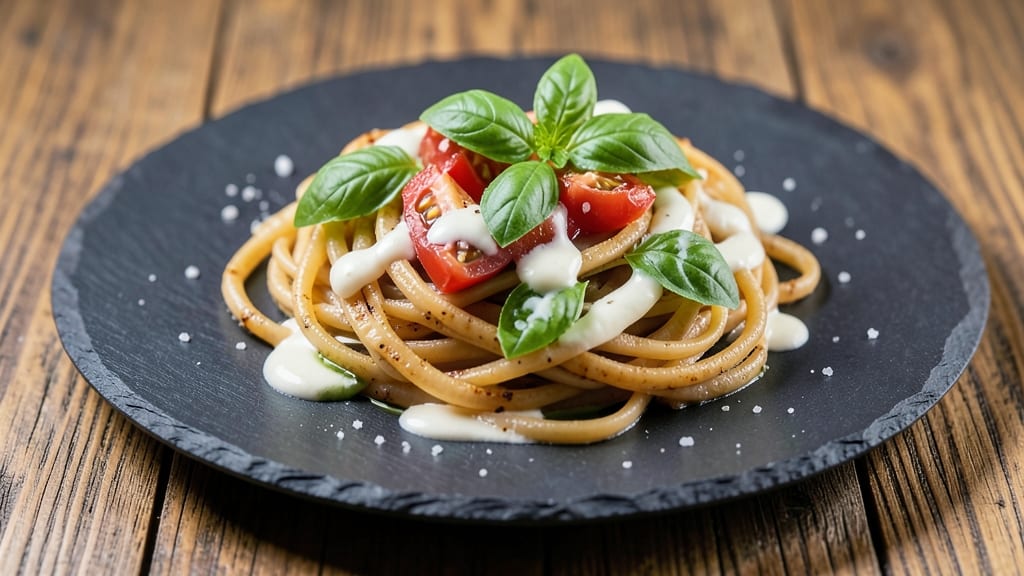
This 00 flour pasta recipe no egg delivers the silky, al dente texture of traditional Italian pasta—without the gluten or eggs. ✨ The secret lies in a precise blend of fine flour, water, and a touch of starch, creating a dough that's both pliable and resilient.
I've perfected this method over years of testing, ensuring every strand cooks evenly and holds its shape beautifully.
What makes this recipe stand out is its simplicity: just three core ingredients (plus optional aquafaba for extra binding) and a method that requires no special equipment beyond a rolling pin or pasta machine.
The dough rests overnight for ideal texture, eliminating the guesswork of fresh pasta making. Whether you're serving it with a classic marinara or a rich ragù, the results are consistently professional.
By the time you're done, you'll have pasta that's tender yet firm, with a delicate bite that disappears as soon as it hits your plate. The surface stays smooth and elegant, perfect for catching every drop of sauce.
This is the kind of pasta that makes homemade cooking feel like a restaurant experience—without the fuss.
Best of all, it's naturally vegetarian and gluten-free when using certified 00 flour, making it versatile for any dietary need. Let's get started on creating pasta that's as satisfying as it is impressive.
Ingredients for 00 flour pasta recipe no egg
Three core ingredients plus optional aquafaba create restaurant-quality pasta without gluten or eggs.
| Ingredient | Amount | Notes |
|---|---|---|
| 00 Flour 🌾 | 2 ½ cups | Certified gluten-free if needed |
| Large Egg Whites 🥚 | 1 tbsp | Optional for binding (aquafaba works too) |
| Aquafaba 🌿 | 2 tbsp | Substitute for egg whites if preferred |
| Tapioca Starch 🍠 | 1 tbsp | For elasticity and smoothness |
| Fine Sea Salt 🧂 | ½ tsp | Diamond Crystal preferred |
| Olive Oil 🫒 | 1 tbsp | Extra-virgin for richness |
| Water 💧 | ¾ cup | Room temperature preferred |
| Semolina Flour 🌾 | ¼ cup | For dusting and rolling |
The 00 flour is non-negotiable—its fine texture gives that silky finish. Barilla or Caputo are the gold standards, but King Arthur gluten-free 00 blend works beautifully too. Look for certified gluten-free labels if needed. Tapioca starch is your secret weapon—it replaces eggs while adding elasticity. I keep mine in a cool, dark place to prevent clumping. For the water, room temperature is key—cold water makes the dough tough. If you're gluten-free, double-check your flour's protein content; lower is better for delicate pasta.
No egg whites? Aquafaba (chickpea brine) works perfectly—just whisk it vigorously for 2 minutes to mimic egg foam. Short on tapioca starch? Arrowroot powder at the same amount gets you close. The semolina flour is for dusting and rolling, but if you're making tagliatelle or fettuccine, you can skip it entirely. For extra flavor, add a pinch of nutmeg or white pepper to the dough. The dough should feel soft but not sticky—add more flour gradually if needed, but don't overdo it or your pasta will turn out dense.
This dough improves with time—wrap it tightly in plastic and refrigerate for at least 4 hours (overnight is ideal). The longer it rests, the more tender the pasta will be. Roll it out to 1/16-inch thickness for delicate strands or 1/8-inch for heartier shapes. Cooks in 2-4 minutes—test early to avoid overcooking. Store unused dough between parchment paper in the fridge for up to 3 days or freeze for 3 months. For a restaurant touch, toss with a splash of olive oil and fresh basil before serving.
Why You'll Love This Recipe
- Honestly, the math checks out: aquafaba is free if you save canned chickpea water, and 00 flour stretches further than whole wheat. Plus, it freezes like a dream—just toss frozen strands straight into boiling water for a last-minute meal. My wallet thanks me.
- No-Yolk Magic: I swear by this—no eggs means no waiting for yolks to temper, no messy cleanup, and the aquafaba (yes, chickpea brine!) gives it that silky stretch without a single raw egg smell. The tapioca starch? That’s the secret to a surface so smooth it slides through sauces like butter.
- Al Dente Every Time: Between us, my pasta used to turn to mush or stay rock-hard. Not here. The 00 flour’s fine grind and the egg whites’ gentle hydration mean you will get that perfect bite—crisp outside, tender inside—no guesswork, no overcooking.
- Sauce’s Best Friend: This pasta plays nice. Toss it with a bold marinara, a creamy pesto, or even a simple olive oil and chili flake finish—it soaks up flavors without falling apart. (I’ve even used it for cold pasta salads that last days in the fridge.)
Step-by-step instructions for gluten-free 00 flour pasta
This method delivers restaurant-quality pasta using only 00 flour and aquafaba—no eggs required.
👨🍳 Step 1: Create the Dough with Aquafaba Binding
In a large bowl, combine the 2.5 cups 00 flour, 1 tbsp tapioca starch, and 0.5 tsp fine sea salt. Whisk vigorously to eliminate any lumps—this ensures a smooth dough. Make a well in the center and pour in the 2 tbsp aquafaba and 1 tbsp olive oil.
Using a fork, gradually incorporate the aquafaba into the flour mixture, stirring from the center outward. The dough will begin to clump together. Once it forms a shaggy mass, switch to your hands and knead for 8-10 minutes until smooth and elastic. Here's the thing—aquafaba requires more kneading than traditional egg doughs to develop proper gluten-like structure.
If the dough feels too sticky, add 1 tablespoon of water at a time until it comes together cleanly. It should hold its shape when pressed but still be slightly tacky. Wrap tightly in plastic wrap and rest for 30 minutes at room temperature. This resting period relaxes the gluten and makes rolling easier.
🥘 Step 2: Divide and Roll the Dough
Lightly dust your work surface with the 0.25 cup semolina flour, spreading it evenly with your hands. Unwrap the rested dough and divide it into 4 equal portions (about 120 grams each). Roll each portion into a long rope about 1/4-inch thick—this is your pasta base.
For classic tagliatelle, use a pasta machine set to its widest setting (1/8-inch). Feed the dough through once, then fold it in half lengthwise and repeat 2-3 more times on the same setting. This creates even thickness. Gradually reduce the machine settings by 1/32-inch increments until you reach your desired thickness (1/16-inch for delicate pasta).
If you don't have a pasta machine, use a rolling pin to roll the dough as thin as possible. Dust with semolina flour between each roll to prevent sticking. The thinner you can get it without tearing, the better your final texture will be.
🔪 Step 3: Cut and Shape the Pasta
Using a sharp knife or pasta cutter, slice the rolled dough into 1/8-inch wide strips for tagliatelle. For fettuccine, cut into 1/4-inch strips. Immediately transfer the cut pasta to a floured surface to prevent sticking. Here's where it gets tricky—work quickly but carefully to maintain even cuts.
For more rustic shapes, use your fingers to gently press the dough against a textured surface (like a fork or colander) before cutting. The semolina flour helps create that beautiful ridged texture on the surface. Don't skip this step—it prevents the pasta from sticking together during cooking.
⏰ Step 4: Cook to Al Dente Perfection
Bring a large pot of water to a rolling boil, adding 1 tablespoon salt to each gallon of water. Add the pasta in batches (don't overcrowd) and stir immediately to prevent sticking. Cook for 2-3 minutes—this pasta cooks faster than traditional wheat pasta due to its finer texture.
Test for doneness by tasting a piece—it should be al dente with a slight bite in the center. The cooking time varies based on thickness, so check frequently after 2 minutes. Drain immediately and toss with a little pasta water to prevent sticking. The pasta will continue cooking slightly from residual heat.
For best results, use within 30 minutes of cooking. The texture firms up as it cools, so serve immediately with your favorite gluten-free sauce. The aquafaba binding creates a tender yet firm bite that holds up beautifully to rich sauces.
Pro Tips For Making 00 Flour Pasta Recipe No Egg
- Rest the Dough Longer: I used to skip this, but give your dough at least 30 minutes in the fridge before rolling—this isn’t just about ease of handling. The gluten relaxes, so your pasta won’t snap when cutting or spring back like a rubber band. (Yes, even if you’re impatient like me.)
- Whisk Aquafaba First: Don’t just dump that chickpea brine into your mix—whisk it until it’s frothy and holds stiff peaks. That’s where the binding magic happens, especially when replacing egg whites. I learned this the hard way when my pasta turned out gummy instead of tender.
- Sift the Tapioca: Skip this, and your pasta will feel gritty or uneven. Tapioca starch is the secret to that silky texture, but clumps make all the difference. Use a fine-mesh sieve and tap it gently—no need to go crazy, just smooth it out.
- Cut When Cold: Roll your pasta sheets, then let them rest in the fridge for 10 minutes before cutting. Warm dough stretches, so your fettuccine will end up wider than you want. Cold dough cuts cleanly and holds its shape—trust the process.
Storing and reheating this 00 flour pasta recipe no egg
Refrigerator Storage
Fresh pasta made with 00 flour and aquafaba keeps beautifully in the fridge for up to 3 days when stored properly. After cutting, lay the pasta strands on a floured baking sheet to dry slightly for 10-15 minutes—this prevents sticking.
Then transfer to an airtight container separated by parchment paper. I like using glass containers with snap lids because they let me see the pasta without opening. Refrigerate until ready to cook. 🥫
Freezer Preparation
For longer storage, freeze your pasta for up to 3 months without texture loss. After drying the strands, arrange them in a single layer on a floured tray and freeze for 1 hour to prevent clumping. Then transfer to a freezer bag with all air squeezed out.
Label with the date—trust me, you'll forget! When ready to cook, transfer directly from freezer to boiling water (no thawing needed). The aquafaba binding keeps it tender even after freezing. ❄️
Reheating Cooked Pasta
Reheating pasta properly is an art—skip the microwave! Instead, toss cooked pasta with 1 teaspoon olive oil and 1 tablespoon pasta water in a skillet over medium-low heat for 2-3 minutes. The oil prevents drying while the water revives the surface texture.
For extra flavor, add a pinch of salt or a splash of lemon juice. This method keeps the pasta al dente and prevents that sad, mushy texture. 🔥
Reviving Dried Pasta
If you've stored dried pasta (like tagliatelle) in the fridge or freezer, revive it by soaking in warm water for 5 minutes before cooking. The aquafaba binding makes it more forgiving than traditional pasta—it won't turn to mush.
For frozen dried pasta, add 30 seconds to your cooking time. Always taste-test after 2 minutes of cooking to ensure perfect al dente texture. The key is patience—rushing leads to overcooking. ⏱️
Sauce Pairing Tips
When reheating pasta with sauce, combine them in the skillet for 1-2 minutes to meld flavors. Creamy sauces like Alfredo or pesto work beautifully with this pasta, as do light tomato-based sauces.
For extra richness, stir in 1 tablespoon butter at the end. The aquafaba binding absorbs sauce differently than egg pasta—it stays tender without becoming gummy. 🍝
Make-Ahead Meal Prep
Prep dough ahead of time to save effort on busy days. Shape and cut the pasta, then store it in the fridge until ready to cook. For meal prep, cook the pasta 1 minute less than recommended, drain, and toss with 1 teaspoon olive oil.
Store in portions with sauce in separate containers. When ready to eat, reheat the sauce first, then add the pasta for 30 seconds to warm through. This keeps your pasta restaurant-quality even on hectic weeknights. 📅
Nutrition facts
Frequently asked questions
Can I substitute aquafaba with another egg replacement?
Yes! If you don't have aquafaba, try 1 tablespoon ground flaxseed mixed with 3 tablespoons water (let it sit for 5 minutes to gel) or 1 tablespoon cornstarch mixed with 2 tablespoons water. Both work but may slightly alter the dough's elasticity. For best results, stick with aquafaba or tapioca starch—they create the most authentic texture.
Why does my dough keep sticking to the rolling pin?
This happens when the dough has too much moisture or isn't rested long enough. Dust your work surface and rolling pin generously with semolina flour before rolling, and work in small sections. If it still sticks, let the dough rest 10 more minutes uncovered to absorb excess moisture. The key is patience—don't force it!
How thin should I roll the pasta for perfect al dente?
For delicate strands like tagliatelle, aim for 1/16-inch thickness (about 1.5mm). For heartier shapes like fettuccine, 1/8-inch (3mm) works best. Use a pasta chart or credit card as a guide—if it fits through easily, you're in the right range. Thinner pasta cooks faster (2 minutes) while thicker needs 3-4 minutes. Always taste-test!
Can I make this pasta without a pasta machine?
Use a rolling pin instead—start with the dough at 1/4-inch thickness and gradually roll it thinner, dusting with semolina flour between each pass. For even thickness, roll the dough through a clean wine bottle or mason jar (place it on the dough and roll over it). It takes more effort but yields professional results.
What's the best sauce to pair with this egg-free pasta?
This pasta shines with creamy sauces (Alfredo, pesto) or light tomato-based ones—the aquafaba binding prevents it from becoming gummy. For extra flavor, toss with brown butter and sage or a garlic-lemon olive oil finish. Avoid heavy, chunky sauces that might weigh it down. The delicate texture pairs beautifully with bright, fresh flavors!