
Main Courses
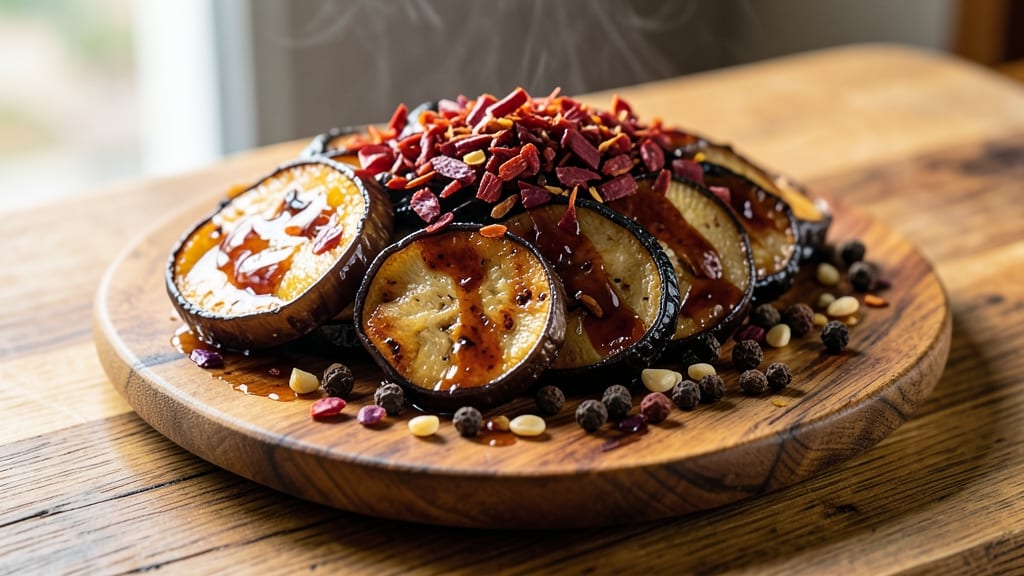
Sichuan dry-fried eggplant delivers that signature crispy-yet-tender texture with layers of numbing heat and umami that define Sichuan cuisine. The secret lies in proper salting and drying to remove moisture, then stir-frying until golden—where Sichuan peppercorns and chili flakes transform simple eggplant into a restaurant-worthy dish.
This technique balances spicy, numbing, and savory flavors in every bite, creating a dish that’s both addictive and deeply satisfying.
What sets this recipe apart is the authentic seasoning blend—doubanjiang (fermented chili bean paste) and Sichuan peppercorns—cooked just until fragrant but not overpowering.
The eggplant’s natural bitterness mellows as it absorbs the oil and spices, resulting in a dish that’s crispy on the outside, tender inside, and packed with complex flavor. Unlike traditional stir-fries, the dry-frying method ensures maximum crunch without sogginess, making it a standout main course.
The process starts with salting the eggplant to draw out moisture, followed by thorough drying and high-heat stir-frying in oil until deeply golden. The spices are toasted separately to release their aromatic oils, which infuse the eggplant during the final stir-fry.
This method delivers restaurant-quality results at home, with a texture and flavor profile that’s hard to replicate.
Serve with a side of steamed rice or a simple cucumber salad to balance the richness, and garnish with fresh scallions or sesame seeds for added freshness. This dish is vegan-friendly (just omit the egg or use plant-based oil) and scales easily for gatherings.
Ready to master the Sichuan dry-fried eggplant technique? Let’s get started.
Ingredients for sichuan dry fried eggplant
Authentic Sichuan flavors start with these carefully selected ingredients for crispy, numbing, umami-packed dry-fried eggplant.
| Ingredient | Amount | Notes |
|---|---|---|
| Asian Eggplant 🍆 | 2 lb | Japanese or Chinese variety preferred |
| Vegetable Oil 🫒 | 1 ½ cups | High smoke point for frying |
| Doubanjiang 🌶️ | 2 tbsp | Fermented chili bean paste |
| Sichuan Peppercorns 🌶️ | 1 tbsp | Whole, lightly toasted |
| Dried Chili Flakes 🔥 | 1 tbsp | Adjust for heat preference |
| Garlic Cloves 🧄 | 6 cloves | Minced for aromatic base |
| Ginger Root 🌿 | 1 tbsp | Freshly grated |
| Light Soy Sauce 🥄 | 2 tbsp | Kikkoman preferred |
| Dark Soy Sauce 🥄 | 1 tbsp | For deeper color |
| Sesame Oil 🫒 | 1 tbsp | Toasted for aroma |
| Salt 🧂 | 1 ½ tbsp | Diamond Crystal preferred |
| Scallions 🧅 | 4 whole | Thinly sliced for garnish |
| Toasted Sesame Seeds 🌰 | 1 tbsp | For final garnish |
The eggplant variety matters—Asian eggplant (Japanese or Chinese) has thinner skin and fewer seeds, delivering that signature crispy texture. Whole Foods or Asian markets carry them year-round, but if unavailable, regular eggplant works (just slice thinner). Doubanjiang is non-negotiable for authentic flavor—Lao Gan Ma brand is the gold standard, found in most Asian grocery aisles. Sichuan peppercorns should be whole and toasted lightly to release their numbing oils without burning. For the salt step, Diamond Crystal kosher salt draws moisture most effectively—use the full amount even if it seems excessive.
No doubanjiang? Substitute 1 tbsp each chili paste and fermented soybean paste (like miso), though flavor won't be identical. Sichuan peppercorns unavailable? Black peppercorns at double the amount add heat but lack the signature numbness. The soy sauces can be swapped for coconut aminos in a pinch, though color will differ. For extra crunch, freeze eggplant slices for 1 hour before frying—this trick works wonders. The sesame oil should be the toasted variety (found near regular sesame oil in Asian markets)—it adds depth that regular oil can't match.
Eggplant keeps 3-4 days in the fridge, but salt it immediately upon cutting to prevent browning. Toast your spices in a dry pan for 30 seconds before using—this releases their aromatic oils. The final dish reheats beautifully in a skillet with a splash of water, though texture softens slightly. For meal prep, store components separately: salted eggplant (in a colander), spices (in a jar), and sauce (in a small container). Assemble fresh before serving to maintain maximum crunch.
Why You'll Love This Recipe
- Five-Ingredient Magic: I swear by this—just eggplant, oil, doubanjiang, a handful of peppercorns, and chili flakes. That’s it. No fancy prep, no hidden pantry raids. Honestly, the first time I made it, I thought I’d missed something, but then I took a bite and realized: this is the whole party.
- Numbness You’ll Crave: Between us, the Sichuan peppercorns do their thing—first a zing, then that slow, tingly warmth. It’s not just spicy; it’s alive on your tongue. And the doubanjiang? That fermented, umami punch turns bland eggplant into something dangerously addictive. (Yes, even on a Tuesday night.)
- Leftovers That Lie: I make a double batch because the second day is better. The eggplant soaks up all the flavors, getting even more tender and caramelized. My roommates steal it from the fridge before I can—no joke. It’s the kind of dish that improves with time, not just fresh out of the pan.
- Budget Weeknight Hero: Asian eggplant is cheap, and these ingredients last forever. A single jar of doubanjiang stretches across multiple meals, and a few peppercorns go a long way. I’ll be real: this is my go-to when I’m broke but still want to feel like I cooked something special. Plus, it’s ready while you’re still deciding what to watch on TV.
Step-by-step instructions for Sichuan dry fried eggplant
Master the technique behind Sichuan's signature spicy-numb crunch with this precise method.
Prepare the Eggplant for Maximum Crispiness
Begin by slicing the 2 lb Asian Eggplant crosswise into ½-inch thick rounds. I use a sharp chef's knife for clean cuts that ensure even cooking. Pat each slice dry with paper towels—this step is non-negotiable for crispy results. The eggplant should feel completely dry to the touch before proceeding.
In a large bowl, toss the eggplant slices with 1.5 tbsp Salt and let them sit for 15 minutes. This draws out excess moisture, which prevents soggy frying. After resting, rinse each slice briefly under cold water and pat dry again. Arrange them on a wire rack set over a baking sheet to air-dry for 10 minutes—this final drying step creates that signature crunch.
Create the Sichuan Spice Paste
While the eggplant dries, combine 2 tbsp Doubanjiang, 1 tbsp Sichuan Peppercorns, 1 tbsp Dried Chili Flakes, 6 cloves Garlic Cloves (minced), and 1 tbsp Ginger Root (freshly grated) in a small bowl. Using a mortar and pestle—or the back of a wooden spoon—I crush these ingredients into a thick, aromatic paste. The Sichuan peppercorns should release their signature numbing oils, and the doubanjiang will develop a deep reddish hue.
This paste is the flavor backbone of the dish. If your Sichuan peppercorns are whole, lightly toast them in a dry skillet over medium heat for 1 minute before crushing to enhance their aromatic compounds. The paste should coat the back of a spoon with a thick, slightly sticky consistency—this ensures maximum flavor transfer during frying.
Fry the Eggplant in Stages for Perfect Texture
Heat 1.5 cups Vegetable Oil in a wok or deep skillet over medium-high heat until it reaches 350°F. Test the oil by dropping in a small piece of eggplant—it should sizzle and float immediately. Working in batches to avoid overcrowding, carefully lower the eggplant slices into the oil. Fry for 2-3 minutes per side until they turn a deep golden brown and develop crispy edges.
Remove the fried eggplant with a slotted spoon and drain on a wire rack lined with paper towels. The key here is maintaining the 350°F temperature—if the oil cools below 325°F, the eggplant will absorb oil instead of crisping. For extra insurance, keep the oil temperature steady by adding a few ice cubes to the oil as needed during frying.
Build the Umami-Spicy Sauce
In the same wok (with 1 tbsp of the remaining oil), add the Sichuan spice paste and cook over medium heat for 1 minute until fragrant. Pour in 2 tbsp Light Soy Sauce and 1 tbsp Dark Soy Sauce, stirring constantly to deglaze the wok and create a glossy sauce base. The dark soy sauce will darken the mixture, giving the dish its signature deep color.
Add 1 tbsp Sesame Oil and return the fried eggplant to the wok. Toss gently to coat each piece evenly with the sauce. The eggplant should absorb the flavors without becoming soggy—this takes about 30 seconds of tossing. Remove from heat and let the eggplant sit in the sauce for 1 minute to allow the flavors to meld completely.
Finish and Garnish for Restaurant-Quality Presentation
Transfer the eggplant to a serving platter and garnish with 4 whole Scallions (thinly sliced) and 1 tbsp Toasted Sesame Seeds. The scallions add a fresh contrast to the deep, spicy flavors, while the sesame seeds provide a nutty crunch. Serve immediately while the eggplant is still crispy—this dish doesn't wait.
For the perfect bite, each piece should deliver a crispy exterior, a spicy-numbing Sichuan peppercorn kick, and a deep umami from the soy-braised eggplant. The contrast between the crunchy texture and the silky sauce is what makes this dish unforgettable. Serve with steamed jasmine rice to balance the bold flavors.
Pro Tips For Making Sichuan Dry Fried Eggplant
- PRE-SALT THE SLICES: Toss eggplant in 1 teaspoon salt per pound and let sit 15 minutes before frying—this pulls out bitterness and guarantees crispier edges. I used to skip it, and the texture always felt mealy afterward.
- START WITH SMALL BATCHES: Fry 2-3 slices at a time in 2 tablespoons oil over medium-high heat—crowding steams them instead of searing. After burning three batches, I finally figured out patience pays off here.
- TOAST THE DOUBANJIANG: Bloom the doubanjiang in oil for 30 seconds before adding eggplant—this deepens its smoky flavor and prevents it from turning bitter. (Yes, even if you're impatient like me.)
- CRUSH PEPPERCORNS COARSELY: Lightly toast and crush Sichuan peppercorns in a mortar or bag with a rolling pin—this releases aroma without turning the dish into a powdery mess. I was skeptical until I tried it.
Essential equipment for sichuan dry fried eggplant
Wok Essentials
Your carbon steel wok is non-negotiable for authentic Sichuan dry-frying. I swear by a 14-inch wok from Made In—its flat bottom heats evenly and develops a natural non-stick patina over time. For budget-friendly options, the Cuisinart MultiClad Pro wok works well, though it requires more seasoning.
Preheat your wok over high heat for 5 minutes before adding oil to ensure proper heat distribution. 🔥
Thermometer Precision
A laser infrared thermometer (like the Thermoworks IR Mini) is my secret weapon for maintaining 350°F oil temperature. These devices give instant readings without piercing the oil, which is crucial for crispy results.
For traditionalists, a candy thermometer works too—just clip it securely to the wok handle. Never guess the temperature; even 25°F variation can ruin the texture.
Drying Tools
Invest in a wire cooling rack (I use the OXO Good Grips model) for post-fry draining—it prevents soggy bottoms. Pair it with paper towels (Bounty brand absorbs best) for patting dry before and after salting.
For the initial drying step, a baking sheet with a wire rack combo ensures even airflow. Pro tip: Place a fan nearby to speed up evaporation during the 10-minute air-dry phase.
Spice Crushers
For that authentic Sichuan peppercorn numbness, use a mortar and pestle (like the KitchenAid Stainless Steel set) or a wooden spoon to crush whole peppercorns. Avoid blenders—they pulverize instead of releasing aromatic oils.
For doubanjiang, a small food processor (like the MiniChopper) works for quick crushing, but manual methods yield deeper flavor. Toast spices in a small cast iron skillet (like Lodge) for 30 seconds to enhance aroma.
Oil Control
High-smoke-point avocado oil (like Primal Kitchen) is my go-to for frying—it handles 350°F without breaking down. For authenticity, peanut oil works too, but avoid vegetable oils with low smoke points. Use a deep skillet if you lack a wok, but expect slightly less even cooking.
Keep a small bowl of ice cubes nearby to stabilize oil temperature during frying—drop in 1-2 cubes if the oil cools below 325°F.
Nutrition facts
Frequently asked questions
Why does the recipe call for salting eggplant twice?
The first salting draws out excess moisture that would make the eggplant soggy during frying. The second rinse removes surface saltiness before the final air-dry, which creates that signature crispy texture. Skipping either step results in oil absorption instead of crisping. Think of it as pre-cooking the eggplant!
Can I use regular eggplant instead of Asian eggplant?
Yes, but you'll need to slice it ¼-inch thick (half the thickness) and increase frying time by 30-60 seconds per side. Regular eggplant has thicker skin and more seeds, so it requires extra drying time—pat slices thoroughly and air-dry for 15 minutes instead of 10. The texture will be slightly less crispy but still delicious!
What makes this dish 'dry fried' instead of regular stir-fried?
The key difference is the moisture removal before frying and the high oil temperature (350°F). Dry frying creates a crispy exterior while keeping the inside tender, whereas stir-frying uses less oil and more sauce. The Sichuan spice paste is added after frying to preserve that signature crunch.
How do I adjust the spice level for sensitive eaters?
Start by reducing dried chili flakes to ½ tbsp and using ½ tbsp Sichuan peppercorns. For extra mildness, omit the chili flakes entirely and increase garlic to 8 cloves for aromatic depth. Always toast spices lightly—they lose heat when raw. The doubanjiang still provides umami without heat, so keep it at 2 tbsp.
Can I make this recipe ahead of time?
Fry the eggplant fresh for best results, but you can prep components ahead: Salt and dry eggplant slices (store in fridge for 2 days), make the spice paste (keeps 3 days in airtight container), and mix sauces separately. Re-fry eggplant from frozen for 3-4 minutes per side to restore crispiness. The texture suffers if stored fully cooked.