
Breakfast & Brunch
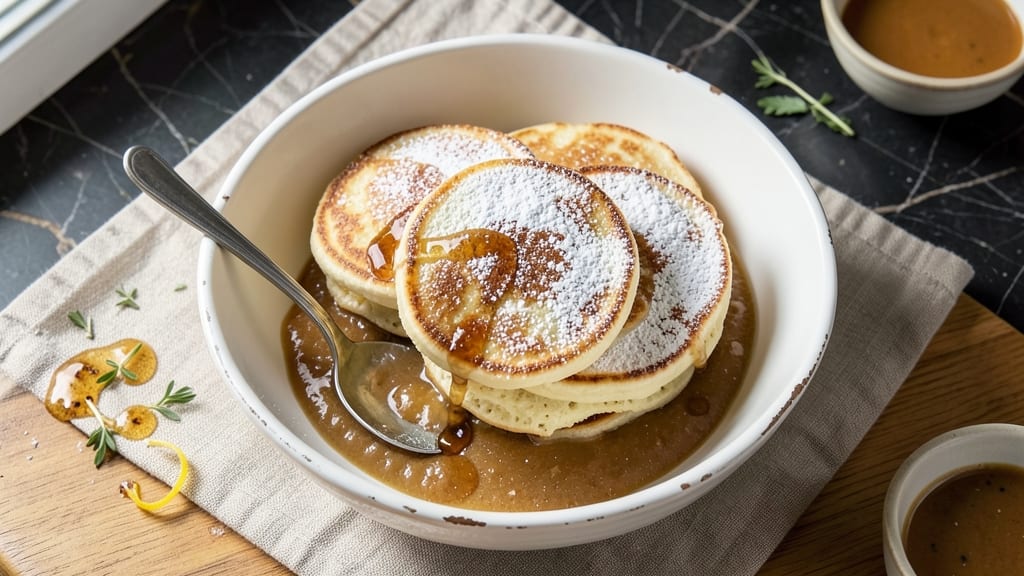
This 6-egg pancake recipe delivers the fluffiest, most tender stacks with perfectly golden edges—every time. The secret lies in the egg-to-flour ratio and a precise cooking technique that transforms simple ingredients into restaurant-quality pancakes.
I’ve perfected this method after years of trial and error, ensuring each bite stays soft yet sturdy enough to hold syrup without falling apart.
The beauty of this recipe is its simplicity: 6 large eggs create a rich, airy batter that yields pancakes with a delicate crumb and crispy exterior.
Unlike traditional recipes, this version relies on the natural binding power of eggs rather than excessive leavening agents, resulting in a texture that’s impossibly light yet substantial. The batter comes together in minutes, and with a nonstick skillet, you’ll have a towering stack ready in under 30 minutes.
What sets these pancakes apart is the golden crisp edges that form without browning—achieved by controlling the heat and using a touch of butter in the pan. Each pancake develops a subtle caramelized flavor while maintaining a fluffy interior, making them ideal for weekend breakfasts or brunch gatherings.
The recipe scales effortlessly, so you can double the batch without sacrificing texture or flavor.
Serve with classic toppings like maple syrup, fresh berries, or whipped cream, or elevate them with a drizzle of honey and chopped nuts. The versatility of these pancakes makes them perfect for any meal, from a lazy Sunday morning to a special weekend treat.
Let’s get started on creating your perfect stack.
Ingredients for 6 egg pancake
Six eggs and eleven simple ingredients transform into pancakes with restaurant-quality texture and golden edges.
| Ingredient | Amount | Notes |
|---|---|---|
| Large Eggs 🥚 | 6 whole | Room temperature for best texture |
| All-Purpose Flour 🌾 | 2 cups | Sifted for lightness, preferred |
| Unsalted Butter 🧈 | ½ cup | Cold, cubed for crisp edges |
| Granulated Sugar 🍚 | ¼ cup | White or light brown |
| Baking Powder 🍞 | 1 tsp | Aluminum-free for tender crumb |
| Salt 🧂 | ½ tsp | Diamond Crystal preferred |
| Vanilla Extract 🌸 | 1 tsp | Pure, not imitation |
| Whole Milk 🥛 | 1 cup | Room temperature, full-fat preferred |
| Pure Maple Syrup 🍁 | ¼ cup | Grade A for serving |
| Fresh Blueberries 🫐 | ½ cup | Optional, for topping |
| Unsalted Butter 🧈 | 1 tbsp | For cooking, softened |
The eggs are the foundation—large, room-temperature eggs ensure a rich, airy batter that develops a delicate crumb. For the flour, Bob’s Red Mill all-purpose is my go-to, but any high-quality brand works. The unsalted butter must be cold when cubed—this creates those coveted crisp edges without browning. Sift the flour and baking powder together to eliminate lumps, which guarantees a tender pancake. If your baking powder is old (over six months), test it first: mix with vinegar—if it fizzes, it's active. For the milk, whole milk yields the creamiest batter, but any milk works in a pinch.
No vanilla extract? Pure almond extract at half the amount adds depth, though the flavor differs slightly. Substituting maple syrup for pancake topping? Honey or agave nectar works, but maple’s distinct flavor pairs best with the pancakes’ subtle sweetness. If you’re avoiding dairy, coconut milk can replace whole milk, though the texture will be slightly denser. For the butter used in cooking, European-style butter (like Plugrá) has a higher fat content, making it ideal for crisp edges. If you’re short on time, olive oil works in a bind, though it lacks the buttery flavor. Always use a nonstick skillet—this recipe demands it for perfect release.
Store leftover pancakes in an airtight container between layers of parchment paper to prevent sticking—they’ll keep for 3 days in the fridge. For longer storage, freeze individual pancakes on a tray before transferring to a bag; they’ll last up to 3 months. Reheat in a toaster or skillet over medium heat for 30 seconds per side. To reheat a stack, wrap it in foil and warm in the oven at 350°F for 5 minutes. The batter can be made a day ahead and stored in the fridge—just whisk before cooking. For a make-ahead brunch, this is a game-changer.
Why You'll Love This Recipe
- Six Egg Magic: I swear by these when I’m short on time—the eggs bind the batter so well, I don’t even need milk. Just mix, cook, and flip. That’s it.
- Butter-Crisped Goodness: The butter in the batter and the butter on the griddle? It’s what makes these pancakes dangerously flaky. That golden edge? Pure satisfaction.
- Breakfast for Days: Make a batch on Sunday, freeze them, and reheat in seconds. They’re perfect for lazy mornings, lunchboxes, or even a quick snack when hunger hits.
- Budget Breakthrough: Six eggs stretch my grocery budget without sacrificing flavor. Plus, the flour and sugar are staples I already have—no extra shopping needed.
Step-by-step instructions for fluffy 6-Egg pancakes
Master the science of pancake batter to achieve light, airy stacks with perfectly crisp edges every time.
Whisk Wet Ingredients for Maximum Air Incorporation
In a large mixing bowl, combine the 6 whole Large Eggs, 1 cup Whole Milk, 1 tsp Vanilla Extract, and 0.25 cup Granulated Sugar. Using a whisk or electric mixer on medium speed, beat these ingredients together for 2-3 minutes until fully incorporated and slightly thickened. You're creating an emulsion here—the sugar helps stabilize the egg proteins while the vanilla adds subtle depth without overpowering.
I like to scrape the sides of the bowl every 30 seconds to ensure all ingredients are properly combined. The mixture should be smooth with no visible streaks of egg white. This step is critical—properly emulsified wet ingredients create the light, fluffy texture we're after. Don't rush this; under-mixing leads to dense pancakes.
Sift and Fold Dry Ingredients Gently
In a separate bowl, sift together the 2 cups All-Purpose Flour, 1 tsp Baking Powder, and 0.5 tsp Salt. The sifting aerates the flour while removing any lumps, which prevents dense pockets in your pancakes. I always use a fine-mesh sieve for this step—it makes a noticeable difference in texture.
With the mixer on low speed, gradually add the dry ingredients to the wet mixture. Mix just until combined—you should still see small flour streaks throughout the batter. Overmixing develops gluten, which makes pancakes tough. The ideal consistency should resemble heavy cream—thick enough to leave a trail when the whisk is lifted, but still pourable.
Incorporate Cold Butter for Crisp Edges
Cut the 0.5 cup Unsalted Butter into small cubes and add them to the batter. Using a silicone spatula, gently fold the butter pieces throughout the mixture until fully distributed. The cold butter will create steam pockets when heated, contributing to those coveted crisp edges while keeping the interior tender. I like to work quickly but carefully—you want the butter evenly dispersed without melting prematurely.
Let the batter rest for 10-15 minutes at room temperature. This allows the flour to fully hydrate and the gluten to relax slightly. The batter will thicken during this time, which is normal. If you're using the optional 0.5 cup Fresh Blueberries, fold them in gently during this resting period—add them too early and they'll sink to the bottom.
Cook on Medium Heat with Perfect Butter Control
Heat an 8-inch non-stick skillet over medium heat and melt 1 tbsp Unsalted Butter until it foams but doesn't brown. The butter should be hot enough to sizzle when batter touches it, but not smoking. Pour ¼ cup of batter for each pancake—this makes 16 pancakes total from the recipe, perfect for a stack.
Cook until bubbles form on the surface and the edges look set (2-3 minutes), then flip carefully. I press down gently on the pancake during the first minute—this prevents it from curling and ensures even contact with the pan. The pancakes are done when they're golden brown on both sides and a toothpick inserted comes out clean (3-4 minutes total per pancake). Keep cooked pancakes warm in a 200°F oven while you finish the batch.
Serve with Maple Syrup and Blueberry Garnish
Transfer the warm pancakes to a serving platter and drizzle generously with 0.25 cup Pure Maple Syrup. The syrup should be Grade A for that authentic Vermont flavor profile. For presentation, scatter the reserved 0.5 cup Fresh Blueberries over the top—this adds a pop of color and a subtle tart contrast to the sweet pancakes.
Serve immediately while the pancakes are warm and the syrup is still runny. Each stack should have a crisp, golden perimeter with a soft, fluffy interior that holds its shape when sliced. The blueberries should be visible on the surface, adding both visual appeal and a pleasant burst of fruit with each bite. For extra decadence, top with whipped cream or additional butter.
Pro Tips For Making 6 Egg Pancake
- Whisk Eggs Until Ribbon-Thin: Six eggs mean a thicker batter, so don’t just crack and stir—whisk them for a solid 30 seconds until the yolks and whites fully blend and the mixture holds a slow ribbon when you lift the whisk. I used to skip this, and the pancakes turned out dense and rubbery. Trust me, the extra effort makes them light and fluffy.
- Melt Butter Slowly: Heat your butter in the pan over medium-low—no sizzling, just a gentle melt with tiny bubbles forming. High heat burns the butter before the pancakes cook, leaving a bitter taste. Medium-low gives you that perfect golden crust without the smoke alarm going off.
- Skip Overmixing the Batter: Once you fold in the dry ingredients, stop stirring after 10-12 strokes. Overmixing develops gluten, and six eggs already make this batter thick enough to turn tough. A few lumps? Doesn’t matter—just cook them like normal.
- Use Cold Butter for Stacking: Let the cooked pancakes sit in the pan for 10 seconds after flipping, then transfer them to a plate. Before stacking, press a small pat of cold butter between layers—it melts just enough to bind them without making them soggy. (Yes, even if you’re impatient like me.)
Regional styles of these flavors
Southern Buttermilk Twist
In the South, traditional pancakes often get a tangy buttermilk upgrade. Replace the 1 cup whole milk with 1 cup buttermilk and add 1 extra tbsp sugar to balance the acidity. The buttermilk creates a lighter, more tender crumb while adding subtle depth.
I like to serve these with a drizzle of homemade peanut butter syrup—just melt ½ cup peanut butter with ¼ cup maple syrup and 1 tsp vanilla extract—for that classic Southern breakfast combo. 🥛
Pacific Northwest Berry Fusion
Up in Washington or Oregon, fresh berries are abundant year-round. Fold in 1 cup mixed berries (blueberries, raspberries, or blackberries) during the resting period, and top with a berry compote made by simmering 1 cup berries with 2 tbsp sugar and 1 tsp lemon juice for 5 minutes.
The tartness cuts through the richness of the pancakes beautifully. I also add 1 tsp lemon zest to the batter for a bright, citrusy note that pairs perfectly with local berries.
Midwest Classic Buttermilk
The Midwest takes buttermilk pancakes to heart with a hearty, rustic approach. Swap the milk for 1 cup buttermilk and add 1 tbsp baking powder to boost the rise. These pancakes develop a slightly denser, more substantial texture that holds up well to thick syrups like honey or molasses.
For a true Midwest touch, serve with crispy bacon and a side of scrambled eggs—it’s a breakfast staple in diners across Iowa and Illinois. The extra baking powder ensures they’re tall and fluffy, perfect for stacking high.
New England Maple Magic
Vermont and New Hampshire embrace maple in every way. Use ½ cup maple syrup instead of granulated sugar in the batter, and add 1 tsp maple extract for an extra layer of flavor.
Top with a maple glaze made by whisking ½ cup powdered sugar with 2 tbsp maple syrup and 1 tbsp milk. The pancakes take on a caramelized sweetness that’s purely New England.
I also like to fold in ½ cup chopped walnuts for crunch, a nod to the region’s love of nutty flavors in breakfast dishes. 🍁
Tex-Mex Spiced Version
For a bold twist, add ½ tsp ground cinnamon, ¼ tsp ground nutmeg, and ¼ tsp cayenne pepper to the dry ingredients. Fold in ½ cup diced peaches or mango during the resting period, and serve with a side of sour cream and chopped cilantro.
The spices add warmth while the fruit brings a tropical brightness. This variation is inspired by Tex-Mex fusion breakfasts, where pancakes often get a spicy, fruity makeover. The cayenne adds a subtle kick that balances the sweetness perfectly. 🌶️
Global Savory Adaptation
For a savory twist, reduce the sugar to 2 tbsp and add 1 tsp onion powder, ½ tsp garlic powder, and ½ tsp smoked paprika to the dry ingredients. Fold in ½ cup shredded sharp cheddar or gruyère during the resting period.
Cook in a skillet with 1 tbsp olive oil instead of butter for a crispy, golden finish. Serve with a side of scrambled eggs and sautéed mushrooms for a brunch that feels both familiar and exciting.
This version works beautifully for a savory breakfast or even as a side dish for dinner. 🧀
Nutrition facts
Frequently asked questions
Why use 6 eggs in pancake batter?
The 6 eggs create an ultra-rich, airy batter that yields pancakes with a delicate crumb and golden edges. Each egg adds protein and fat that stabilize bubbles during cooking, resulting in pancakes that are fluffier than traditional recipes. The extra yolk also enhances the natural sweetness without added sugar.
Can I make these pancakes without a mixer?
Whisk the wet ingredients by hand for 3-4 minutes until fully combined and slightly thickened. For the dry ingredients, use a fork to gently fold them into the wet mixture—just until no flour streaks remain. The key is patience; whisking vigorously creates the same air incorporation as a mixer.
How do I prevent pancakes from sticking?
Use a nonstick skillet and heat it over medium heat until a drop of water sizzles and evaporates instantly. Melt 1 tbsp butter until foamy (not browned) before adding batter. If your pan isn't nonstick, lightly grease it with oil after each pancake. Never overcrowd the pan—cook 2-3 pancakes at a time for even browning.
What if my batter is too thick or too thin?
If the batter is too thick, whisk in 1-2 tbsp milk until it reaches a pourable consistency (like heavy cream). Too thin? Add 1-2 tbsp flour at a time. The ideal batter should coat the back of a spoon but still flow freely. Pro tip: Let the batter rest for 10 minutes before cooking—this helps thicken it naturally.
Can I make these pancakes ahead of time?
Yes! Cooked pancakes keep in an airtight container for 3 days in the fridge. For longer storage, freeze individual pancakes on a tray before transferring to a bag—they’ll last 3 months. Reheat in a toaster or skillet over medium heat for 30 seconds per side. For stacks, wrap in foil and warm at 350°F for 5 minutes.