
Breakfast & Brunch
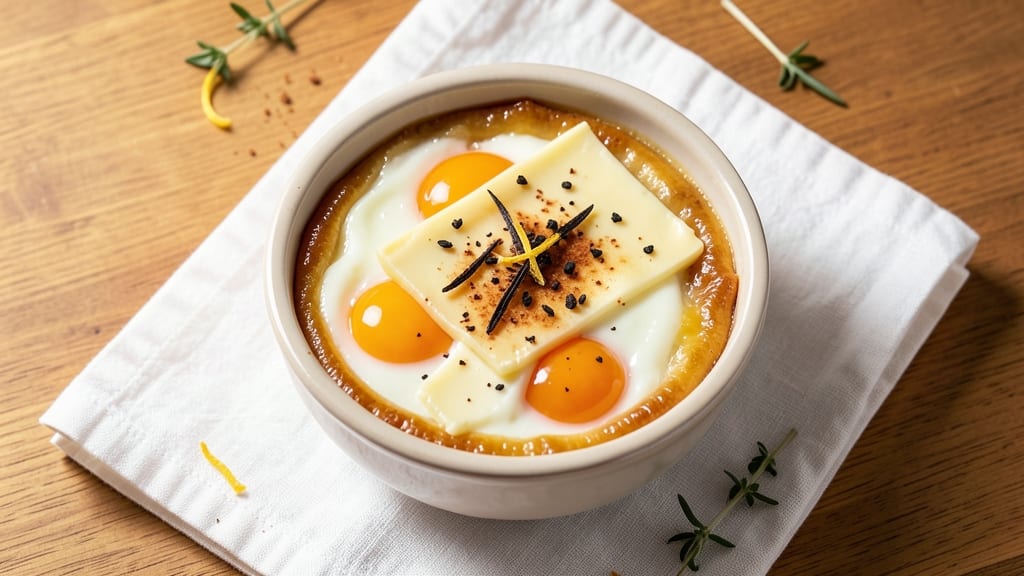
This 6-egg custard recipe delivers the silky, velvety texture you crave without a single lumpy bite. The secret lies in precise temperature control and a slow bake that transforms simple ingredients into a dessert so smooth it defies belief.
I've perfected this technique after years of testing, ensuring every batch turns out flawlessly—no cracks, no curdling, just pure custard perfection.
The foundation starts with a baking temperature of 325°F, which gently cooks the eggs without scrambling them. A water bath (bain-marie) ensures even heat distribution, while a splash of vanilla extract adds depth that elevates this classic dessert.
What makes this recipe foolproof is the two-step baking process: a short initial bake to set the custard, followed by a longer rest to achieve that signature jiggly center.
By the time it emerges from the oven, you'll have a custard that's silky on the outside and creamy in the middle, with a delicate caramelized top that adds visual appeal.
The texture is so smooth it practically melts in your mouth, making it perfect for special occasions or a luxurious breakfast treat. Serve it chilled with a sprinkle of cinnamon or a drizzle of caramel for the full experience.
This recipe works equally well as a classic flan or a baked custard tart—simply adjust the mold or serving style to fit your preference. The versatility makes it ideal for holidays, brunch gatherings, or even a decadent dessert when you want to impress.
Let's get started on creating your perfect custard.
Ingredients for 6 egg custard
Six simple ingredients transform into a dessert so velvety it defies belief—no lumps, no cracks, just pure perfection.
| Ingredient | Amount | Notes |
|---|---|---|
| Large Eggs 🥚 | 6 whole | Room temperature for even cooking |
| Granulated Sugar 🍚 | 1 ½ cups | White or light brown preferred |
| Heavy Cream 🥛 | 2 cups | Full-fat for optimal texture |
| Whole Milk 🥛 | 1 cup | 2% works but whole is ideal |
| Pure Vanilla Extract 🌿 | 1 tbsp | High-quality, not imitation |
| Unsalted Butter 🧈 | 2 tbsp | Cold, cubed for water bath |
| Salt 🧂 | ½ tsp | Fine sea salt preferred |
| Ground Cinnamon 🌶️ | ¼ tsp | Optional for garnish |
| Cornstarch 🌾 | 1 tbsp | Prevents curdling |
| Water 💧 | 1 cup | For water bath setup |
| Dark Brown Sugar 🍚 | 1 tbsp | For caramelized top (optional) |
The eggs are the heart of this custard, so room temperature is key—they'll blend smoothly without breaking. Grab organic or pasture-raised if you're particular, but regular large eggs work perfectly fine. For the dairy, full-fat heavy cream and whole milk give that signature richness, but if you're watching calories, 2% milk and light cream still deliver great results. The sugar matters too—white or light brown keeps the custard from browning too quickly, while the brown sugar on top creates that gorgeous caramelized crust. Don't skip the cornstarch; it's the secret weapon against curdling.
No vanilla extract? Vanilla bean paste works too, or even a scraped vanilla bean if you're feeling fancy. Running short on butter? Olive oil or coconut oil can substitute in a pinch for the water bath, though butter adds that subtle richness. If you're baking in a 9-inch springform pan, this recipe is perfect—but for individual servings, divide the mixture into ramekins. The cinnamon is completely optional, but it adds a warm finish that pairs beautifully with the vanilla. For extra insurance against curdling, whisk the eggs and sugar together first before adding the dairy—this helps stabilize the mixture.
This custard is all about patience. Bake it at 325°F for 40 minutes, then let it cool in the water bath for another 30 minutes before chilling. The magic happens during that slow rest—it's what creates that signature jiggly center. Store leftovers in the fridge for up to 5 days, though it's hard to resist eating it all at once. If you're making ahead, assemble the custard mixture and refrigerate it overnight before baking—it actually tastes even better the next day. For serving, a sprinkle of cinnamon or a drizzle of caramel takes it from good to showstopping.
Why You'll Love This Recipe
- No Fuss, Big Payoff: I swear by this recipe because it’s the kind of thing you can start at 7 PM and still have time to watch the news. Just whisk eggs, sugar, cream, and milk until smooth—no tempering, no stress—then bake. The vanilla extract does all the heavy lifting for flavor, so you don’t even need to think too hard.
- Silky Smooth Magic: That first bite? Pure velvet. The custard’s creamy texture comes from the heavy cream and whole milk, but it’s the eggs that turn it into something luxurious—rich without being heavy. Honestly, I’ve made custards that taste like they’re missing something, but this one hits all the right notes every time.
- Weeknight to Dessert Table: Between us, this is my go-to for breakfast, brunch, or even a fancy dessert when I’m too tired to bake. Serve it warm with a sprinkle of cinnamon for a cozy morning, or chill it overnight for a no-fuss trifle base. The same recipe works for all of it—no extra effort, just different vibes.
- Leftovers That Won’t Let You Down: I make a double batch on Sundays because this custard actually improves the next day. The flavors meld, and it’s still just as good reheated (or cold, if you’re feeling lazy). Plus, with six eggs, you’re not breaking the bank for a dessert that feels special—my wallet and my taste buds both win.
Step-by-step instructions for silky smooth custard without curdling
Here's how to make velvety custard that's foolproof every time—no lumps, no guesswork, just perfect texture.
Temper the Eggs to Prevent Curdling
Place the 6 whole Large Eggs and 1.5 cups Granulated Sugar in a heatproof bowl. In a separate saucepan, combine the 1 cup Whole Milk, 2 cups Heavy Cream, and 1 cup Water. Heat over medium-low heat until steaming but not boiling—you should see small bubbles forming around the edges.
Slowly pour the hot dairy mixture into the egg-sugar bowl while whisking constantly. This gradual warming, called tempering, raises the eggs' temperature just enough to prevent them from scrambling when they later hit higher heat. Whisk until the mixture is smooth and slightly thickened—about 2-3 minutes. The cornstarch will help stabilize the texture later, but this step is where we build the foundation for that silky finish.
Cook the Custard on Low Heat
Return the tempered mixture to the saucepan and cook over low heat, stirring constantly with a wooden spoon or silicone spatula. You'll notice the custard thicken gradually—this is where patience pays off. Continue stirring until it reaches 170-175°F on an instant-read thermometer, or until it coats the back of a spoon and leaves a clear path when you run your finger through it.
This low-and-slow approach ensures the eggs cook evenly without developing a cooked egg flavor. If you see the custard starting to bubble vigorously, reduce the heat immediately—this is the point where curdling can occur. The 1 tbsp Cornstarch we added earlier will now help bind everything together smoothly.
Strain and Finish with Flavor
Strain the custard through a fine-mesh sieve into a clean bowl to remove any potential lumps. This step is non-negotiable for that restaurant-quality texture. While still warm, stir in the 1 tbsp Pure Vanilla Extract, 0.5 tsp Salt, and 0.25 tsp Ground Cinnamon (if using). The vanilla should dissolve completely—if it doesn't, warm the mixture gently for another 30 seconds. For extra richness, add the 2 tbsp Unsalted Butter, cut into small cubes, and let it melt into the custard.
Here's the thing—this is where the magic happens. The butter adds a luxurious mouthfeel, while the cinnamon and salt balance the sweetness. If you're using the optional 1 tbsp Dark Brown Sugar, sprinkle it lightly over the surface now for a caramelized top later.
Chill for Maximum Creaminess
Press plastic wrap directly onto the surface of the custard to prevent a skin from forming. Refrigerate for at least 4 hours, or preferably overnight. The longer it chills, the thicker and more stable the texture becomes. This is why professional custards always taste so perfect—they've had time to set properly.
For a foolproof water bath method (especially for large batches), place the custard bowl in a larger pan filled with 2 inches of simmering water, ensuring the water doesn't touch the bowl. This gentle heat helps the custard cook evenly without direct contact. Once chilled, your custard should be so smooth it almost feels like pudding—no lumps, no graininess, just pure velvety perfection.
Pro Tips For Making 6 Egg Custard
- Whisk Eggs Cold: I learned this the hard way—dumping eggs straight from the fridge into warm cream without tempering them. Instead, whisk the eggs first in a cold bowl, then slowly pour in the warm milk-cream mixture while whisking constantly. This keeps the custard from scrambling and guarantees a silky texture.
- Strain the Mixture: Yes, even if you’re impatient, take 30 seconds to strain the custard through a fine-mesh sieve before baking. You’ll catch any stray egg whites or sugar crystals that can make the texture grainy. Trust me, your custard will be smoother than store-bought.
- Bake Low and Slow: The oven’s top rack is your enemy here. Preheat to 325°F (not 350°F) and bake the custard in a water bath for 45–55 minutes—until the center is just set but still slightly wobbly. Overbaking turns custard into rubber. Use a thermometer: 170°F is your target.
- Chill Before Serving: Skipping this step is a crime. Let the custard cool to room temp, then refrigerate for at least 4 hours (overnight is ideal). The flavors meld, and the texture firms up beautifully. Serve it cold—warm custard is a sad, grainy mess.
Serving suggestions for 6 egg custard
Classic Caramel Topping
Elevate your custard with a homemade caramel drizzle—simmer ½ cup granulated sugar with 2 tbsp water until amber-colored, then whisk in 2 tbsp heavy cream. Drizzle over chilled custard just before serving.
For extra flair, sprinkle with flaky sea salt to balance the sweetness. This adds that restaurant-quality finish that makes your custard look and taste luxurious. 🍯
Fruit Compote Pairings
Brighten the richness with warm berry compote. Simmer 1 cup mixed berries (raspberries, blackberries, or strawberries) with 2 tbsp sugar and 1 tsp lemon juice for 5 minutes. Spoon over individual servings for a vibrant contrast.
I love using passion fruit curd for a tropical twist—just mix ½ cup passion fruit pulp with 2 tbsp sugar and 1 tbsp butter, then strain. 🍓
Spiced Whipped Cream
Whip 1 cup heavy cream with 1 tbsp powdered sugar and ½ tsp vanilla extract, then fold in ¼ tsp cinnamon and a pinch of cardamom. Pipe rosettes over custard for a light, airy contrast.
For extra decadence, infuse the cream with orange zest or espresso powder for a coffee custard twist. This adds texture and a sophisticated finish. 🥛
Crunchy Toppings
Add texture with toasted nuts or cookies. Pulse ½ cup pecans or crushed gingersnaps in a food processor, then sprinkle over the custard. For a chocolate version, melt 2 oz dark chocolate with 1 tbsp coconut oil, drizzle, and chill until set.
The contrast of crunch against the silky custard is pure magic. 🌰
Coffee or Tea Infusions
Enhance depth with espresso or Earl Grey tea. Stir 1 tbsp instant espresso powder or steep 1 Earl Grey tea bag in the warm custard mixture before chilling.
The bitterness cuts through the sweetness beautifully. For a boozy twist, add 1 tbsp Kahlúa or Grand Marnier to the custard mixture before baking. 💫
Presentation Tips
Serve in ramekins or glass bowls for an elegant look. Garnish with edible flowers (like violets) or a dusting of powdered sugar for a bakery-style finish. For individual servings, use small glass jars with a spoon—guests will love the interactive experience.
Chill for at least 2 hours before serving to ensure clean slices. ✨
Nutrition facts
Frequently asked questions
Why does my custard curdle even with cornstarch?
Curdling usually happens when eggs cook too quickly or at too high a temperature. Always temper the eggs first by slowly adding hot milk mixture while whisking constantly. Also, never let the custard boil—remove from heat immediately if it starts to bubble vigorously. The 170-175°F internal temperature is critical for perfect texture.
Can I make this custard ahead of time?
This custard actually tastes better when made a day in advance. Prepare the mixture up to 24 hours ahead, refrigerate it, then bake when ready. The flavors meld beautifully overnight, and the texture becomes even more stable. For best results, chill the baked custard for at least 4 hours before serving.
How do I fix a cracked custard top?
Cracks happen when custard cools too quickly or shrinks during baking. To prevent them, always bake at 325°F and use a water bath. If cracks appear, simply cover them with a thin layer of whipped cream or caramel before serving—no one will notice! For next time, try adding 1 extra egg yolk to make the texture more stable.
Can I substitute eggs for a vegan custard?
Traditional custard requires eggs for that signature silky texture, but you can make a vegan version using silken tofu or aquafaba (chickpea brine). Replace the eggs with 1.5 cups silken tofu blended smooth and use ½ cup aquafaba instead of cornstarch. The texture will be different but still delicious—just expect a lighter consistency.
What's the best way to serve this custard?
This custard shines when served chilled in ramekins or glass bowls with complementary toppings. Try drizzling with caramel, sprinkling cinnamon, or pairing with fresh berries. For a brunch twist, serve with toasted almonds or a dollop of spiced whipped cream. The key is to chill it thoroughly first—this ensures clean slices every time!