
Desserts
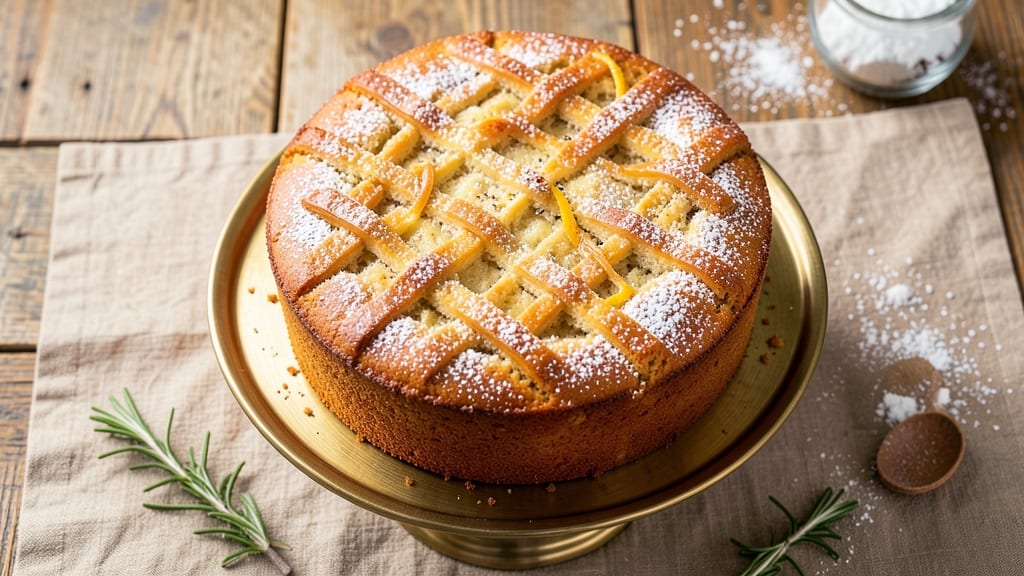
This 4-egg pound cake recipe delivers the signature buttery richness and moist texture that makes it a classic dessert staple. The secret lies in the precise balance of eggs, butter, and vanilla—creating a tender crumb that stays fresh for days.
I've perfected this version to eliminate dryness while keeping the preparation straightforward for home bakers.
The recipe begins with creaming butter and sugar until light and fluffy, then incorporates eggs one at a time for maximum volume. Vanilla extract infuses every bite with warm, aromatic depth, while the careful folding of dry ingredients preserves that signature pound cake tenderness.
Baking at the right temperature ensures even rise and golden edges without overbrowning.
What you'll end up with is a cake that's moist yet sturdy, with a delicate vanilla aroma that lingers in every slice. The texture remains tender for days, making it perfect for layering with whipped cream or fresh berries.
This is the kind of cake that satisfies cravings while still feeling special enough for company.
Whether you're serving it warm with ice cream or as a classic vanilla slice, this recipe delivers professional-quality results at home. The technique is straightforward, but the attention to detail makes all the difference in achieving that perfect pound cake texture. Let's get baking!
Ingredients for 4 egg pound cake
Eight simple ingredients create this legendary buttery, moist pound cake with perfect vanilla aroma.
| Ingredient | Amount | Notes |
|---|---|---|
| Unsalted Butter 🧈 | 1 cup | Room temperature, European preferred |
| Granulated Sugar 🍚 | 1 ½ cups | Superfine preferred for smoother texture |
| Large Eggs 🥚 | 4 whole | Room temperature, separated if preferred |
| Pure Vanilla Extract 🌿 | 2 tsp | Bourbon or Madagascar preferred |
| All-Purpose Flour 🌾 | 2 cups | Sifted, 4% protein preferred |
| Baking Powder 🧂 | 2 tsp | Aluminum-free for best results |
| Salt 🧂 | ½ tsp | Fine sea salt preferred |
| Whole Milk 🥛 | ½ cup | Room temperature for best mixing |
| Vegetable Oil 🫒 | ¼ cup | Light neutral flavor preferred |
The butter makes or breaks this cake—European-style has higher fat content for richer flavor. Plugrá or President brands are my go-to, but any good-quality unsalted works. Room temperature is critical; if it's too cold, the cake won't rise properly. For sugar, superfine dissolves faster and creates a smoother texture, but regular granulated works if you pulse it in a food processor. The eggs should be room temperature too—cold eggs can cause the batter to curdle. I always buy extra vanilla extract since it's used in so many desserts, and Madagascar bourbon has the most complex flavor profile.
No room temperature butter? Microwave it 40 seconds to just melt, then let it cool 10 minutes. Short on vanilla? Vanilla bean paste works beautifully—just use half the amount. The milk can be swapped for heavy cream if you want extra richness, but the texture will be slightly denser. For the flour, King Arthur or Gold Medal are reliable brands. If you're baking at high altitude, reduce baking powder to 1.5 teaspoons and add 1 tablespoon cornstarch to the flour. The oil prevents dryness, so don't skip it—light olive oil is a good substitute if you're out of vegetable oil.
This cake stays moist for 5 days wrapped in plastic at room temperature, or up to 1 week in the fridge. For longer storage, freeze slices wrapped individually—they thaw beautifully. I always bake two cakes and freeze one for special occasions. The vanilla flavor intensifies as it sits, so it actually tastes better the next day. Slice with a serrated knife for clean cuts, and dust with powdered sugar if serving immediately. Leftovers reheat beautifully in a 250°F oven for 10 minutes to restore freshness.
Why You'll Love This Recipe
- Here’s what sold me: that first bite of tender crumb with a whisper of buttery richness. The sugar isn’t just sweet—it caramelizes just enough to give it depth, while the eggs keep it moist without being heavy. (Yes, even on a Tuesday night.)
- Four Eggs, No Stress: I swear, this cake is the kind of recipe that makes you question why you ever baked anything else. Four eggs mean no fussing with yolks and whites—just crack, whisk, and fold. The butter and sugar get creamed in minutes, and the vanilla? That’s the secret handshake here.
- Butter-Sugar Magic: Here’s what sold me: that first bite of tender crumb with a whisper of buttery richness. The sugar isn’t just sweet—it caramelizes just enough to give it depth, while the eggs keep it moist without being heavy. (Yes, even on a Tuesday night.)
- Endless Second Acts: Between us, this cake is my go-to for breakfast, dessert, or a last-minute snack. Toast slices with jam, crumble it over yogurt, or serve it warm with ice cream—it’s the chameleon of cakes. Honestly, I’ve even used leftover pieces to make trifle.
Step-by-step instructions for 4-Egg pound cake
This method delivers a tender, rich pound cake with perfect crumb and moist texture every time.
Prepare Ingredients for Optimal Mixing
First, let the 1 cup unsalted butter and 4 whole large eggs come to room temperature. I place them in a bowl of warm water for 10 minutes—this ensures they blend smoothly without creating air pockets. Sift together the 2 cups all-purpose flour, 2 teaspoons baking powder, and ½ teaspoon salt in a separate bowl. This removes lumps and incorporates air for a lighter texture.
Measure the 1.5 cups granulated sugar into a medium bowl. The sugar should be superfine if possible—it dissolves more easily and creates a finer crumb. In another small bowl, combine the ½ cup whole milk and 2 teaspoons pure vanilla extract. Room-temperature milk blends better with the butter, preventing curdling. Keep all ingredients at room temperature for consistent results.
Cream Butter and Sugar to Lighten the Mixture
In a stand mixer fitted with the paddle attachment, beat the 1 cup unsalted butter on medium speed for 1 minute until completely smooth. Add the 1.5 cups granulated sugar and beat on medium-high speed for 3-4 minutes until the mixture is lightened and pale. You'll see it nearly double in volume—this incorporates air that creates the cake's signature tender crumb.
I press down on the butter-sugar mixture with a spatula to check for readiness. When it springs back immediately and leaves a clear print, it's properly aerated. Scrape down the sides of the bowl to ensure even mixing before proceeding. This step is critical—under-creaming leads to dense cake, while over-creaming adds too much gluten.
Add Eggs and Dry Ingredients Alternately
Add the 4 whole large eggs, one at a time, mixing on low speed after each addition until fully incorporated. Then add the ½ cup whole milk and 2 teaspoons vanilla extract, mixing just until combined. With the mixer on low speed, gradually add the sifted dry ingredients in three additions, mixing just until each is incorporated. This alternating method prevents dense layers and ensures even distribution.
After adding the dry ingredients, mix for an additional 30 seconds on low speed—just until no flour streaks remain. Overmixing develops gluten, which makes the cake tough. The batter should be smooth and thick, like pudding. If it looks too stiff, add 1 tablespoon of the vegetable oil to help with moisture. This is your last chance to adjust consistency before baking.
Fold in Oil for Extra Moisture
Remove the bowl from the mixer and use a silicone spatula to gently fold in the ¼ cup vegetable oil. This step ensures the cake remains moist for days. The oil coats the flour proteins, preventing them from absorbing too much moisture during baking. Fold just until evenly distributed—don't overmix or you'll deflate the air incorporated earlier.
Pour the batter into an ungreased 9-inch round cake pan lined with parchment paper. Tap the pan gently on the counter to remove any air bubbles. The batter should fill the pan about ⅔ full. Bake at 350°F for 50-60 minutes, or until a toothpick inserted in the center comes out clean. The cake is done when the top springs back when pressed lightly.
Cool and Serve for Perfect Texture
Remove the cake from the oven and let it cool in the pan for 10 minutes. Then transfer it to a wire rack to cool completely. I like to brush the warm cake with a simple syrup made from equal parts sugar and water, heated until dissolved. This keeps the cake moist and adds subtle sweetness. Serve slices at room temperature for the best texture.
The cake should have a fine, even crumb with a tender yet slightly dense texture—classic pound cake characteristics. For best results, store leftovers wrapped tightly at room temperature for up to 3 days or refrigerated for up to 5 days. This cake freezes beautifully too—wrap tightly and freeze for up to 3 months for fresh-baked flavor whenever you need it.
Pro Tips For Making 4 Egg Pound Cake
- Cream Butter Slowly: I learned this the hard way—dumping cold butter into sugar at once just makes a greasy mess. Use a hand mixer or stand mixer to beat the butter and sugar together for 3-5 minutes until it’s pale and fluffy. That light color means you’ve fully emulsified the fat and sugar, which keeps the cake tender instead of dense.
- Room-Temp Eggs Matter: Cold eggs from the fridge won’t blend smoothly and can cause streaks in your batter. Take them out 30 minutes before mixing—just enough time to warm up to room temperature. Trust me, your cake’s texture will thank you.
- Don’t Overmix the Flour: Once you fold in the flour, stop mixing the second everything’s just combined. Overmixing develops gluten, and that’s how you end up with a tough, chewy cake instead of a light, airy one. Use a spatula to gently fold until no dry spots remain—no more than 10-12 strokes.
- Bake Until Springy: The cake’s done when the top springs back when pressed, not when it’s golden. Overbaking dries it out, and underbaking leaves it gummy. Stick a toothpick in the center—it should come out clean but slightly moist, not wet or crumbly. If in doubt, pull it out a minute early.
Dietary considerations for 4 egg pound cake
Gluten-Free Adaptation
Swap the 2 cups all-purpose flour for a 1:1 gluten-free flour blend like Bob's Red Mill or King Arthur. Add 1 extra teaspoon xanthan gum to mimic gluten's binding properties.
Use ½ cup almond milk instead of whole milk to maintain moisture. The texture will be slightly denser but still delicious. 🌾
Dairy-Free Option
Replace the 1 cup unsalted butter with 1 cup dairy-free butter like Miyoko's or Earth Balance. Use ½ cup coconut milk instead of whole milk for creaminess.
The vanilla flavor remains intact, but the cake will have a subtle coconut aroma. Chill the batter for 15 minutes before baking to improve texture.
Lower-Sugar Version
Reduce sugar to 1 cup and add ¼ cup honey or maple syrup for natural sweetness. Use 1 teaspoon apple cider vinegar to help activate the baking powder. The cake will be slightly less rich but still moist. Pair with fresh fruit like berries to enhance natural sweetness.
Egg-Free Substitution
Replace eggs with ½ cup unsweetened applesauce or ¼ cup flaxseed meal mixed with 6 tablespoons water. Let the flax mixture sit for 5 minutes to thicken. The texture will be more tender but slightly less dense. Add ½ teaspoon extra vanilla extract to compensate for the egg's richness.
Nut-Free Considerations
For nut-free adaptations, use oat milk instead of almond milk and ensure your gluten-free flour blend is certified nut-free. Check labels on vanilla extract—some brands process in nut facilities. The cake remains safe for nut allergies while keeping the same moist texture. Always verify ingredient sources for cross-contamination risks. 🌱
Nutrition facts
Frequently asked questions
Why does this recipe use 4 eggs instead of the traditional 5?
Four eggs create a perfectly balanced texture—rich yet tender—without making the cake overly dense. The eggs provide structure and moisture while keeping the crumb fine. This version also bakes faster than traditional pound cakes while maintaining that signature buttery richness.
Can I bake this cake in a different pan size?
Yes, but adjust the baking time. For an 8-inch pan, bake 40-45 minutes, and for a 10-inch pan, bake 55-65 minutes. Always check with a toothpick—it should come out clean. The batter should fill the pan about ⅔ full for even baking.
What makes this pound cake stay moist for days?
The combination of vegetable oil and the careful creaming method locks in moisture. The oil coats flour proteins, while the butter-sugar mixture creates air pockets that keep the cake tender. Brushing with simple syrup after baking also helps maintain freshness for 5 days** at room temperature.
Do I need to grease the pan?
No, this recipe uses parchment paper lining for easy release. The batter's richness prevents sticking, but if you prefer, lightly grease the paper with butter. Never grease the pan directly—it can cause the cake to stick to the paper or develop a greasy texture.
How can I tell when the cake is fully baked?
Insert a toothpick into the center—it should come out clean with no wet batter. The cake should also spring back when pressed lightly and pull away from the pan edges. Golden edges don't always mean it's done, so always check with the toothpick test for accuracy.