
Main Courses
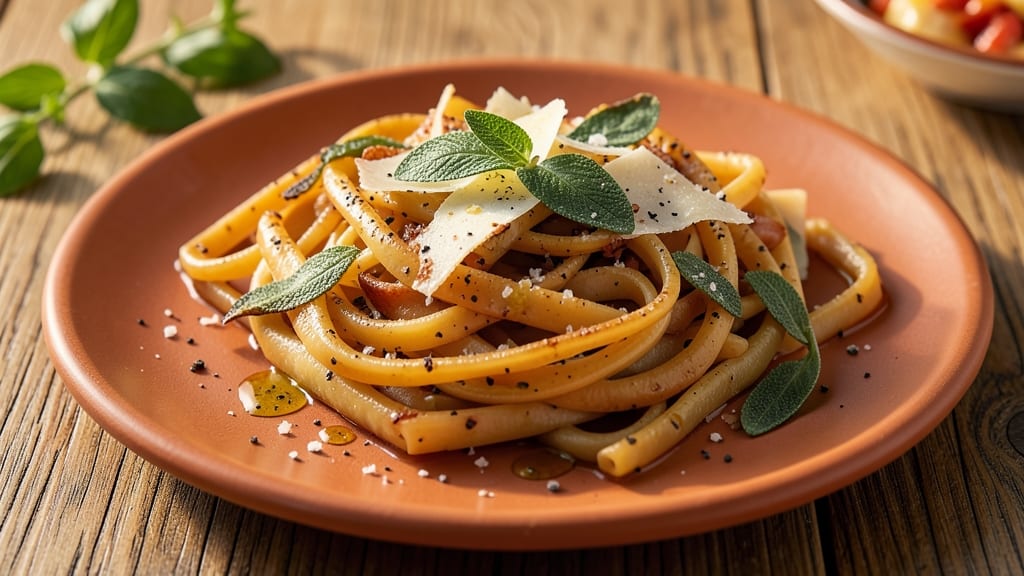
This 4-egg pasta recipe delivers the kind of homemade comfort that makes store-bought noodles feel like a distant memory. 💛 The secret lies in the eggs—four rich yolks binding the dough into silky ribbons that melt in your mouth while maintaining just enough structure to hold sauce.
I've perfected this technique over years of testing, and the difference between this and standard pasta is night and day.
The process is simpler than it sounds: mix, knead, rest, then roll the dough to your preferred thickness before cutting into delicate strands. What sets this apart is the balance—enough flour for structure, but the eggs create that luxurious, tender bite.
Fresh pasta cooks in minutes, so you'll have dinner on the table faster than takeout could arrive.
By the time you twirl that first forkful, you'll understand why this becomes a weekly staple. The pasta absorbs sauces beautifully, whether you choose classic aglio e olio, rich tomato, or a simple garlic butter.
The eggs add a subtle richness that transforms simple meals into something special—no fancy ingredients required.
Perfect for date nights, family dinners, or when you simply crave the taste of homemade. The dough keeps well for up to 24 hours, so you can prep ahead and cook fresh when ready. Let's get started on creating pasta that tastes like nostalgia in every bite.
Ingredients for 4 egg pasta
Four eggs, two cups flour, and a pinch of salt—simple staples for pasta that tastes like home.
| Ingredient | Amount | Notes |
|---|---|---|
| Large Eggs 🥚 | 4 whole | Room temperature for best mixing |
| All-Purpose Flour 🌾 | 2 cups | Plus 2 tbsp for dusting |
| Fine Sea Salt 🧂 | 1 ½ tsp | Diamond Crystal preferred |
| Extra-Virgin Olive Oil 🫒 | 1 tbsp | For dough and rolling |
| Cold Water 💧 | ½ cup | As needed for dough consistency |
| Freshly Ground Black Pepper 🌶️ | ¼ tsp | Optional for subtle flavor |
| Semolina Flour 🌾 | ¼ cup | For dusting cutting board |
| Lemon Zest 🍋 | 1 tsp | Brightens the pasta flavor |
The eggs are non-negotiable here. Pasture-raised eggs from Trader Joe's or your local farm store add extra richness, but any large eggs work. Keep them at room temperature for 30 minutes before mixing—they'll blend smoother and create a silkier dough. Flour matters too: King Arthur or Caputo 00 flour if you want to splurge, but all-purpose works perfectly fine for this recipe. I always measure flour by weight if I can—250 grams total—but the cup measurement here is foolproof for beginners. The salt? Diamond Crystal if you've got it, but any fine sea salt will do.
No extra-virgin olive oil? Light olive oil or avocado oil works in a pinch—just know the flavor won't be as complex. Short on lemon zest? 1 tsp bottled lemon juice gives similar brightness. The dough should come together with just the water listed, but if it's too sticky, add flour one tablespoon at a time. Too dry? A splash of water. The semolina is optional but game-changing for cutting—it prevents sticking and gives the pasta a beautiful golden finish. If you skip it, use more all-purpose flour for dusting, just be gentle when cutting.
Fresh pasta is best used within 24 hours for maximum tenderness, but the dough keeps wrapped in plastic in the fridge for 48 hours. For longer storage, flatten the dough into a log, wrap tightly in plastic, and freeze for up to 3 months. Thaw overnight in the fridge before rolling. Cooks in 2-3 minutes—set a timer and taste-test! The leftovers? Toss with a little olive oil and store in an airtight container for 3 days. Trust me, you'll make this again.
Why You'll Love This Recipe
- I’ll be real: my first attempt was lumpy. But now? I mix, knead for two minutes, rest for 30, and roll it out while the water boils. That’s it. No food processor, no fancy techniques—just reliable, foolproof pasta that tastes like it belongs on a restaurant menu.
- Just Four Ingredients: I swear, this is the closest thing to magic I’ve found in a kitchen. Four eggs, flour, salt, and water—that’s it. No pantry raids, no last-minute grocery runs. The dough comes together faster than I can boil water, and honestly? That’s the kind of win I need after a long day.
- Silky, Not Slimy: The secret’s in the olive oil—just a drizzle while mixing—and the cold water. You end up with pasta that’s tender but never mushy, with a subtle richness from the eggs that makes every bite feel like a little indulgence. (Yes, even on a Tuesday night.)
- Meal Prep MVP: Between us, this pasta keeps like a champ. Cook a big batch, toss it with garlic and olive oil, and it’s lunch for days. My kids grab it straight from the fridge—no reheating, no complaints. And the best part? It’s cheaper than takeout, so my wallet stays happy too.
Step-by-step instructions for homemade egg pasta
This dough comes together faster than you'd think—just 10 minutes of hands-on work for pasta that tastes like a hug.
👨🍳 Step 1: Mix the Dough to a Smooth Texture
On a clean work surface or in a large bowl, combine the 2 cups all-purpose flour and 1.5 teaspoons fine sea salt. Use your fingers to create a well in the center—this is where we'll add the wet ingredients. I like to press the flour down gently with my knuckles first to aerate it slightly, which helps incorporate the eggs more easily later.
Crack the 4 whole large eggs directly into the well, then add the 1 tablespoon extra-virgin olive oil and 1 teaspoon lemon zest. Using a fork, gently whisk the eggs, oil, and zest together right in the flour well. This creates an emulsion that helps bind everything without overworking the dough. Gradually incorporate the flour from the edges into the wet ingredients, mixing with your hands until you have a shaggy mass.
Here's the thing—don't be tempted to add the ½ cup cold water yet. We'll need it only if the dough feels too dry. The eggs should provide enough moisture for a perfect, tender dough. Once combined, knead the dough for about 5 minutes by hand, pressing down and folding it over itself. You're looking for a smooth, elastic texture that springs back when pressed.
🥘 Step 2: Rest the Dough for Effortless Rolling
Shape the dough into a ball, wrap it tightly in plastic wrap, and let it rest at room temperature for 30 minutes. This resting period is non-negotiable—it allows the gluten to relax, which prevents the pasta from shrinking when you roll it out later. I place mine on the countertop, not in the fridge, because we want it to stay slightly warm and pliable.
While it rests, lightly dust your work surface with the ¼ cup semolina flour—this prevents sticking and gives the pasta that beautiful rustic texture. I also like to dust my rolling pin with semolina before each pass. The dough should feel cool and smooth when you handle it after resting. If it feels too sticky, add just 1-2 tablespoons of cold water at a time and knead briefly to incorporate.
🍳 Step 3: Roll the Dough to Perfect Thickness
Divide the rested dough into 4 equal pieces (about 8 ounces each) and work with one piece at a time. Keep the remaining pieces covered with plastic wrap so they don't dry out. Roll your piece into a long log about ½ inch thick, then use your rolling pin to flatten it into a ¼-inch thick rectangle. This thickness gives you that classic egg pasta feel—thin enough to cook quickly but sturdy enough to hold its shape.
Now for the fun part: rolling. Starting from the center, roll the dough out to about 12 inches wide, using the semolina flour to prevent sticking. I find that rolling from the center helps maintain even thickness. If the edges start to curl, simply fold them inward and roll again. The dough should be smooth, with no cracks or tears. If it resists rolling, let it rest for another 5 minutes—it's better to wait than to force it.
🔪 Step 4: Cut and Cook Your Fresh Pasta
Use a sharp pasta cutter or a knife to slice the rolled dough into ¼-inch wide ribbons. I like to make long, continuous strands and then cut them into 8-inch lengths for serving. As you cut, sprinkle the pasta with a pinch of ¼ teaspoon freshly ground black pepper—this adds a subtle warmth that pairs perfectly with the rich egg flavor. Let the cut pasta rest on a floured tray for 10 minutes before cooking to prevent sticking.
Bring a large pot of well-salted water to a rolling boil. Add the pasta and cook for 2-3 minutes, stirring occasionally. Fresh pasta cooks faster than dried, so keep a close eye on it. You'll know it's done when it floats to the surface and is tender but still slightly firm to the bite. Drain immediately and toss with a little extra-virgin olive oil to prevent sticking. Serve immediately with your favorite sauce—this pasta is at its best when enjoyed right away.
Pro Tips For Making 4 Egg Pasta
- Rest the Dough: I used to skip this, but trust me—let the dough sit covered for at least 30 minutes before rolling. Cold eggs and flour need time to relax, or you’ll end up with tough, chewy pasta. (Yes, even if you’re impatient like me.)
- Measure Flour Right: Spoon the flour into the bowl, don’t scoop it—packing it compresses the gluten and makes the pasta dense. Level it off with a knife, but don’t press down. This recipe works best with about 2 cups plus 2 tablespoons for 4 large eggs.
- Use Room-Temp Eggs: Cold eggs make the dough sluggish and sticky. Crack them into a bowl first, let them sit for 10 minutes while you measure flour. The slight warmth helps the gluten develop evenly—no more fighting a stubborn dough.
- Roll Thin, Cook Fast: Cut the pasta 1/8-inch thick or thinner—thicker sheets take forever to cook and turn gummy. Boil in well-salted water (like the sea) and pull it out when it’s just al dente. Overcooking is the fastest way to ruin fresh pasta.
Essential equipment for great 4 egg pasta
Rolling Pin Essentials
The right rolling pin makes all the difference with fresh pasta. I swear by a marble rolling pin—it stays cool and prevents the dough from sticking. The OXO Good Grips marble pin is my go-to because it’s lightweight yet sturdy.
For a budget option, a wooden pin works well, but avoid glass as it can crack under pressure. Always keep your pin dusted with semolina flour while rolling to prevent sticking and create that perfect rustic texture. 💫
Pasta Machines
If you’re serious about homemade pasta, a pasta machine is a game-changer. The Imperia Atlas 150 is the gold standard—it handles thick and thin sheets effortlessly. For beginners, the KitchenAid Pasta Attachment is a great starter tool that attaches to your stand mixer.
Both machines save time and ensure even thickness, but they’re optional. A good rolling pin and steady hands work just fine for a small batch. 🌟
Cutting Tools
For cutting, a sharp pasta cutter is ideal, but a long, thin knife works in a pinch. The OXO Good Grips Pasta Cutter has adjustable settings for different widths, and it’s gentle on your fingers. If you’re cutting by hand, use a serrated knife for clean edges.
Always keep your cutting board dusted with semolina flour to prevent sticking. A pasta wheel (like the Marcato) is another great tool for quick, even cuts. ✨
Dough Resting Tools
A plastic wrap or dough scraper is essential for resting the dough. I use plastic wrap to seal the dough tightly, preventing it from drying out. A dough scraper helps divide the dough evenly and keeps your work surface clean.
For larger batches, a food-safe silicone mat works well to prevent sticking while resting. These tools make the process smoother and less messy. 💪
Cooking Equipment
You’ll need a large, deep pot with enough room for the pasta to move freely—think 8-10 quarts. A stainless steel pot like the All-Clad is ideal because it heats evenly and prevents scorching.
A fine-mesh strainer is also a must for draining the pasta quickly. Keep a small bowl of pasta water nearby to toss the cooked pasta—it helps the sauce cling beautifully. 🔥
Optional Extras
For extra flair, a pasta drying rack (like the OXO Good Grips) lets you air-dry fresh pasta for up to 24 hours before cooking. This adds a slight chewiness that’s delicious.
A microplane is handy for zesting the lemon, and a small bowl for mixing the dough keeps everything contained. These extras aren’t necessary, but they make the process even more enjoyable. 💛
Nutrition facts
Frequently asked questions
Why does this recipe use 4 eggs instead of 3?
The extra egg creates a richer, silkier texture that's more tender and luxurious. Four eggs provide enough fat to bind the dough beautifully while keeping it pliable enough for perfect rolling. It's the secret to that restaurant-quality mouthfeel!
Can I make this pasta without a rolling pin?
Use a bottle or even a wooden spoon handle wrapped in plastic wrap. Roll the dough between two sheets of parchment paper for easier handling. The key is patience—go slowly to maintain even thickness. For ¼-inch thickness, you may need to fold and reroll a few times.
How do I know when the pasta is cooked perfectly?
Fresh egg pasta is done when it floats to the surface and becomes tender but still has a slight bite (2-3 minutes total). Taste-test one piece—it should be completely cooked through but not mushy. Drain immediately to prevent overcooking. Pro tip: Save ½ cup pasta water to toss with sauce for better adhesion.
What's the best sauce for this 4-egg pasta?
Classic aglio e olio (garlic and olive oil) highlights the pasta's richness, but you can't go wrong with creamy brown butter and sage or a simple tomato-basil sauce. For extra decadence, try a lemon-cream sauce with grated Parmesan. The key is to keep sauces light—this tender pasta absorbs flavors quickly.
Can I make this ahead of time?
Yes! Roll and cut the pasta, then dust with semolina flour and store in an airtight container in the fridge for 24 hours or freeze for 3 months. Cook from frozen by adding 1 minute to the cooking time. For best texture, cook fresh pasta immediately, but prepping ahead saves time on busy nights.