
Breakfast & Brunch
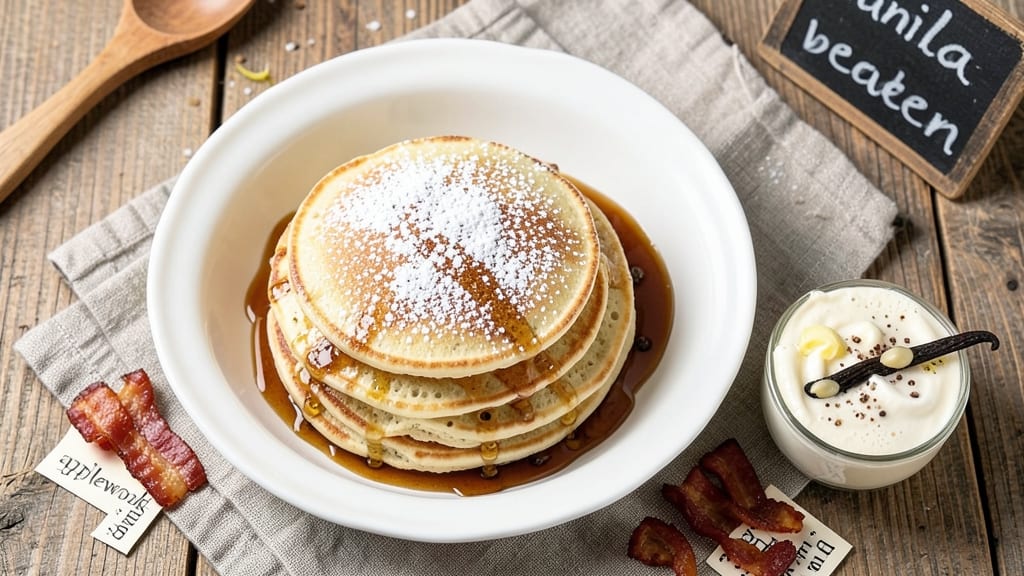
This 4-egg pancake recipe delivers the fluffiest, most satisfying stacks you'll ever make—with crisp golden edges that stay crisp even after stacking. The secret lies in the eggs: they bind the batter perfectly while creating that signature light, airy texture.
I've perfected this technique after years of testing, and it never fails to impress, whether you're feeding a crowd or treating yourself to a weekend breakfast.
The beauty of this recipe is its simplicity: just five core ingredients come together to create pancakes that rise high, stay tender, and hold their shape beautifully. The key is in the batter consistency—thick enough to hold its form but light enough to puff up dramatically.
Medium heat is your best friend here, ensuring those edges get crisp while the centers remain pillowy. No flipping tricks or special tools required.
What you'll end up with is a towering stack of golden pancakes with buttery edges that stay crisp even after you've piled them high. Each bite delivers that perfect balance of fluffiness and structure, with just enough richness from the eggs to make them feel indulgent.
The best part? These pancakes reheat beautifully, making them perfect for meal prep or serving fresh from the griddle.
Serve with classic toppings like maple syrup, fresh berries, or whipped cream, or go savory with scrambled eggs and cheese for a brunch favorite. The possibilities are endless, but the foundation is foolproof. Let's get started on making your best pancakes yet.
Ingredients for 4 egg pancake
Five simple ingredients transform into pancakes that rise high and stay crisp at the edges.
| Ingredient | Amount | Notes |
|---|---|---|
| Large Eggs 🥚 | 4 whole | Room temperature for best mixing |
| All-Purpose Flour 🌾 | 1 ½ cups | Sifted for light batter |
| Unsalted Butter 🧈 | ½ cup | Cold, cubed for crisp edges |
| Granulated Sugar 🍚 | 1 tbsp | Or maple syrup for depth |
| Vanilla Extract 🌿 | 1 tsp | Pure extract preferred |
| Salt 🧂 | ½ tsp | Kosher or sea salt |
| Milk 🥛 | 1 ¼ cups | Whole milk for richness |
The eggs are the magic here—room temperature makes all the difference. Grab the biggest eggs you can find (jumbos if possible) since they yield more volume. For butter, European-style brands like Plugrá melt beautifully and give that rich flavor. The milk? Whole milk is non-negotiable—it creates that tender crumb. If you're using powdered sugar in your toppings, you can skip the granulated in the batter, but I always add it for that subtle sweetness that balances the richness.
No vanilla extract? Almond extract at half the amount works in a pinch, though it has a stronger flavor. Short on butter? Coconut oil or vegan butter keeps things crisp, but you'll lose that buttery depth. The flour can be swapped for whole wheat at 1:1 ratio, though your pancakes will be denser. For a gluten-free version, use a 1:1 GF blend but add an extra 0.5 tsp xanthan gum. Pro tip: measure your flour by spooning it into the cup and leveling—don't scoop directly from the bag or you'll pack it too tightly.
Batter keeps in the fridge for 24 hours—perfect for lazy mornings. For make-ahead stacks, cook the pancakes and freeze them between parchment paper. Reheat in a toaster or oven at 350°F for 5-7 minutes until golden. These pancakes reheat like they're fresh off the griddle. Store leftover butter in the freezer to keep it firm for crisp edges next time. The batter doubles well, so make extra—trust me, you'll want seconds.
Why You'll Love This Recipe
- No-Fuss Mixing: I swear by this—just crack, whisk, and pour. The eggs and flour blend into a velvety batter in minutes, no sifter or gluten-free fuss. (Between us, I’ve burned pancakes overcomplicating things.)
- Buttery Vanilla Magic: That sugar-butter combo? It’s like dessert in every bite. The vanilla extract ties it all together—warm, sweet, and just rich enough to make you want to eat them straight from the pan.
- Breakfast or Dessert: Serve them with syrup for brunch or dust with powdered sugar for a quick treat. Honestly, they’re my go-to when I need something fast but still feel special—even on a Tuesday night.
- Leftover Goldmine: These pancakes freeze like champs. Toss a few in the toaster for a lazy morning or reheat slices in a skillet for crispy edges. (Yes, even the third batch tastes fresh.)
Step-by-step instructions for fluffy pancakes with buttery edges
Here's how to make pancakes so light they practically melt in your mouth while keeping those edges perfectly crisp.
Whisk Eggs and Milk Until Silky Smooth
In a large bowl, crack all 4 whole Large Eggs and add the 1.25 cups Milk. Whisk vigorously for 3-4 minutes until the mixture becomes pale yellow and nearly tripled in volume. You're looking for ribbons that hold their shape when you lift the whisk—this means the eggs are properly aerated.
I like to use a wire whisk for this step because it creates more air than a fork. If you notice any streaks of egg whites, keep whisking—they'll disappear as the mixture emulsifies. The goal here is to create a light, airy base that will give your pancakes that signature fluffiness.
Melt Butter and Mix Dry Ingredients
In a separate small saucepan, melt the 0.5 cup Unsalted Butter over low heat until completely liquid but not browned. Meanwhile, in a medium bowl, sift together the 1.5 cups All-Purpose Flour, 1 tbsp Granulated Sugar, 0.5 tsp Salt, and 1 tsp Vanilla Extract. Mix gently with a whisk to combine—don't overmix or you'll develop gluten.
Here's the thing—sifting the flour removes lumps and aerates it slightly, which helps create that light, cloud-like texture in your pancakes. The vanilla extract adds subtle depth, while the sugar balances the richness of the butter. Keep these dry ingredients separate until we're ready to combine them.
Combine Wet and Dry Ingredients Gently
With the melted butter still warm (but not hot), pour it into the egg mixture while whisking constantly. This gradual addition prevents the eggs from scrambling. Then, slowly pour the egg mixture into the dry ingredients while gently folding with a spatula—just until combined. You should see a few small flour streaks remain, which is perfect.
I always say "less is more" with this step. Overmixing develops gluten, which makes pancakes tough instead of tender. The batter should be thick but pourable—like heavy cream. If it's too thick, add 1-2 tablespoons of milk to loosen it slightly. Let the batter rest for 5 minutes before cooking.
Cook on Medium Heat for Perfect Texture
Heat a nonstick skillet over medium heat until a drop of water sizzles and evaporates instantly. Pour ¼ cup of batter for each pancake—you should get about 4 pancakes per batch. Cook until bubbles form on the surface and the edges look set (2-3 minutes), then flip carefully and cook another 1-2 minutes until golden brown.
This is where the magic happens. The medium heat gives you crisp edges while keeping the interior fluffy. I press down gently on the pancake during the first minute—this prevents it from curling and ensures even contact with the pan. Don't walk away! The butter in the pan will start to brown beautifully, creating that irresistible crispness.
Keep Warm and Stack for Serving
Transfer cooked pancakes to a plate and cover loosely with a clean kitchen towel to keep them warm. Repeat with remaining batter, adding 1 tablespoon of butter to the skillet between batches for extra richness. The key here is to work in batches—overcrowding the pan steams the pancakes instead of crisping them.
Once all pancakes are cooked, stack them high and serve immediately with your favorite toppings. The secret to that perfect stack? Let them cool for just 1 minute before stacking—this prevents them from sticking together. These pancakes should have a crisp, buttery exterior that gives way to a light, airy interior with just a hint of sweetness from the sugar and vanilla.
Pro Tips For Making 4 Egg Pancake
- WHISK EGGS COLD: Crack the eggs into a bowl first, then add just enough flour to make a smooth paste before pouring in the rest—this prevents lumps like nothing else. I learned this the hard way after scraping out a gnarly egg-flour clump from my mixer once. Cold butter (cut into small cubes) goes in next, so it melts gradually and doesn’t turn your batter into soup.
- MELT BUTTER LOW: Heat your pan over medium-low until the butter foams but doesn’t brown—too hot and your pancakes steam instead of crisp. After burning two batches trying to rush it, I now wait until the butter sizzles gently (about 30 seconds) before adding batter. This gives you that golden crust without sacrificing fluff.
- DON’T OVERMIX BATTER: Stir the batter just until the flour disappears—about 10-12 strokes max. Overmixing turns your pancakes dense and chewy, and I’ve ruined enough batches to know it’s the silent killer. A slightly lumpy batter actually yields lighter pancakes, so resist the urge to "fix" it.
- USE VANILLA LAST: Add the vanilla extract after mixing in the sugar and melted butter—this lets the alcohol in the extract evaporate slightly, so it doesn’t make your pancakes taste sharp or boozy. I was skeptical until I tried it, and now I notice the difference every time.
Common mistakes when making perfect results
Overmixing the Batter
This is the #1 mistake that turns fluffy pancakes into dense, rubbery bricks. Once you combine the wet and dry ingredients, stop mixing as soon as you see a few small flour streaks remaining.
Overmixing develops gluten, which creates a tough texture. I promise you'll feel the difference when you taste properly under-mixed pancakes—they're light and airy instead of chewy. 🥞
Using Cold Ingredients
Cold eggs and butter are the enemy of fluffy pancakes. Room temperature eggs whip up lighter, and cold butter creates steam instead of crisp edges. Let your eggs sit out for 15-20 minutes before starting, and use cold cubed butter in the pan for those golden edges.
I've learned this the hard way—cold ingredients always result in uneven cooking.
Skipping the Rest Time
Letting the batter rest for 5 minutes after mixing is crucial. This allows the flour to fully hydrate and the gluten to relax slightly. Skipping this step means your pancakes won't rise as well and may have a gummy texture.
Think of it like letting cake batter rest—patience pays off with better texture. 💫
Incorrect Heat Levels
Too hot and your pancakes burn before cooking through; too cool and they steam instead of crisping. Medium heat is your sweet spot—adjust so a drop of water sizzles and evaporates instantly.
I test this by sprinkling a few drops of water on the pan before adding batter. If it evaporates in 2-3 seconds, you're golden.
Flipping Too Early
Flipping before bubbles form on the surface means your pancakes won't be fully cooked inside. Wait until you see 3-5 large bubbles that don't pop immediately when touched.
This ensures a fully cooked interior. I use a spatula to gently press down on the pancake—if it springs back, it's ready to flip. 🔥
Overcrowding the Pan
Cooking too many pancakes at once steams them instead of crisping. Keep it to 2-3 pancakes per batch in a 10-inch skillet. Overcrowding makes the pancakes gummy in the center and soggy on the bottom.
I always cook in batches and add 1 tablespoon of butter between batches for extra richness in each new batch.
Nutrition facts
Frequently asked questions
Why does this recipe use 4 eggs for pancakes?
The extra eggs create a richer, more stable batter that yields fluffier pancakes with better structure. They bind the batter perfectly while adding moisture and protein for that signature light, airy texture. For a standard 2-egg recipe, you'd need to adjust the flour-to-liquid ratio, which can make pancakes more fragile.
Can I make these pancakes without butter?
Yes, but you'll lose that signature crisp edge. Replace the butter with ½ cup neutral oil (like vegetable or canola) for cooking, though the flavor won't be as rich. For the batter, use ½ cup melted coconut oil or vegan butterstrong> instead of the butter called for in the dry ingredients.
How do I adjust this for a thicker pancake?
Add 1-2 tablespoons of flour to the batter for each pancake you want thicker. For example, increase to 1.75 cups flour for 6 pancakes instead of 4. The key is to keep the batter thick but still pourable—like heavy cream. Over-thickening can make pancakes dense, so add flour gradually while testing consistency.
What's the best way to reheat leftover pancakes?
For crispy edges, reheat in a 350°F oven for 5-7 minutes on a wire rack over a baking sheet. For quick reheating, use a toaster set to medium heat for 1-2 minutes per side. To keep them moist, brush with a little melted butter before reheating. Microwaving works in a pinch but makes them soggy.
Can I make these pancakes ahead of time?
Cook the pancakes and store them stacked between parchment paper in the fridge for 2 days or freeze for up to 3 months. Reheat as directed above. The batter itself keeps in the fridge for 24 hoursstrong>—just whisk before using. For make-ahead stacks, cook and freeze fully assembled with parchment between each layer.