
Sauces & Condiments
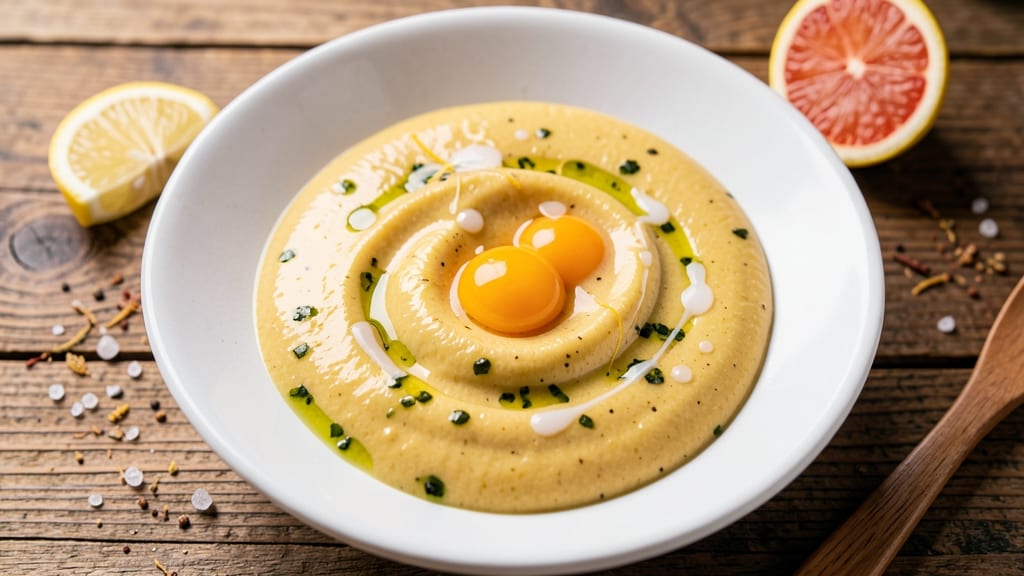
This 3-egg mayonnaise recipe delivers a velvety, ultra-stable emulsion every time—no failed batches here. The secret lies in precise technique and gradual oil incorporation, transforming basic ingredients into a silky condiment with restaurant-quality consistency. Professional chefs rely on this method for foolproof results, and now you can too.
What sets this recipe apart is the 3-egg foundation, which creates a rich, creamy base perfect for emulsification. We'll use a 1:1 ratio of oil to egg yolks (about 1½ cups oil total) and carefully balance acidity with either lemon juice or white vinegar to stabilize the emulsion.
The key is patience—adding oil slowly while whisking vigorously ensures no separation.
By the end, you'll have a smooth, glossy mayonnaise that stays stable for days in the fridge. The texture is luxuriously creamy yet light, with just the right tang to complement everything from sandwiches to seafood. This isn't just mayonnaise—it's a versatile condiment that elevates any dish.
The beauty of this recipe is its adaptability. Swap Dijon mustard for extra depth, adjust the acidity to taste, or even make it dairy-free by substituting egg yolks with aquafaba. Let's create mayonnaise that never lets you down.
Ingredients for 3 egg mayonnaise
Seven essential ingredients transform into restaurant-quality mayonnaise with perfect stability.
| Ingredient | Amount | Notes |
|---|---|---|
| Large Eggs 🥚 | 3 whole | Fresh, room temperature preferred |
| Extra-Virgin Olive Oil 🫒 | 1 ½ cups | Light or mild variety preferred |
| Dijon Mustard 🌶️ | 1 tbsp | For depth and stability |
| Fresh Lemon Juice 🍋 | 1 tbsp | Bright, freshly squeezed |
| Kosher Salt 🧂 | ½ tsp | Diamond Crystal preferred |
| White Vinegar 💧 | 1 tsp | For acidity balance |
| Granulated Sugar 🍚 | ¼ tsp | Optional, for sweetness |
The eggs form the emulsion's backbone—fresh, room-temperature eggs yield the smoothest texture. Local farmers markets often carry the highest-quality eggs, but any large, fresh eggs work. Separate yolks carefully, reserving whites for other uses. For olive oil, prioritize light or mild varieties like California extra-virgin—they won't overpower the delicate balance. The Dijon mustard adds depth and acts as an emulsifier; Maille is a professional standard, but any quality Dijon suffices. Lemon juice should be freshly squeezed—organic lemons from the grocery store's produce section work perfectly.
No Dijon mustard? Yellow mustard at half the amount provides similar stability. Short on lemon juice? White vinegar or apple cider vinegar can substitute, though lemon's brightness remains ideal. The granulated sugar is optional but enhances flavor—organic cane sugar works well. For a dairy-free version, replace egg yolks with aquafaba (3 tbsp chickpea brine per egg yolk) and reduce olive oil by 1 tbsp. The 1:1 oil-to-yolk ratio is critical; measure precisely using a liquid measuring cup for accuracy. Cold ingredients emulsify better, so chill your bowl before starting.
Store finished mayonnaise in an airtight glass jar in the refrigerator for up to 2 weeks. The emulsion may thicken slightly—whisk with a splash of water or lemon juice to restore consistency. For longer storage, transfer to a freezer-safe container and freeze for up to 3 months. Label clearly, as homemade mayo differs from store-bought. Avoid metal spoons when serving to prevent discoloration. This recipe yields about 1½ cups, perfect for sandwiches, dressings, or as a base for aioli.
Why You'll Love This Recipe
- No Whisk Required: I swear by the hand mixer method—just eggs, olive oil, and a slow drizzle while stirring. The emulsion comes together faster than I can say "breakfast sandwich," and no one has to wash a whisk.
- Bright & Balanced: That lemon juice cuts through the richness like a fresh breeze, while the Dijon mustard adds depth without overpowering. Honestly, it’s the kind of mayo that makes store-bought taste dull.
- Meal Prep MVP: Slather it on sandwiches for lunch, toss it with pasta for dinner, or use it to dress up grilled chicken. It keeps for days in the fridge—my go-to for when I’m lazy but still want flavor.
- Penny-Perfect Luxury: Three eggs and a splash of olive oil? That’s it. No fancy ingredients, just pure, creamy goodness that costs next to nothing. Between us, this is the kind of recipe that makes budget cooking feel indulgent.
Step-by-step instructions for ultra-smooth mayonnaise
Master this classic emulsion technique for velvety, stable mayonnaise every time.
Separate Eggs and Prepare the Base
Crack the 3 whole large eggs into a heatproof bowl, separating yolks from whites. Discard the whites or save for another use. The yolks will form the emulsion's foundation, so use only fresh, room-temperature eggs—they incorporate oil more easily. In a separate small bowl, whisk together the 1 tbsp Dijon mustard, 1 tbsp fresh lemon juice, 0.5 tsp kosher salt, 1 tsp white vinegar, and 0.25 tsp granulated sugar until fully combined. This acidulated mustard blend acts as the emulsifier's stabilizer.
Here's the thing—temperature matters. Cold eggs or oil can break the emulsion. If your eggs feel chilled, let them sit at room temperature for 15 minutes before starting. The mustard mixture should be smooth with no visible streaks; any lumps will disrupt the emulsion later.
Gradually Incorporate the Oil in a Slow Stream
Position the bowl of egg yolks and mustard mixture over a bowl of ice water to keep it cool as you work. Using a wire whisk, begin whisking the yolk mixture vigorously in a figure-eight motion. With the whisk moving continuously, very slowly drizzle in the 1.5 cups extra-virgin olive oil—about 1 drop per second at first. This gradual introduction is critical; adding oil too quickly will overwhelm the emulsion and cause it to separate.
Watch for the moment when the mixture begins to thicken and turn pale yellow. This is your signal that the emulsion is stabilizing. If the mixture suddenly looks curdled or breaks, stop immediately and add 1 teaspoon of the white vinegar to help re-emulsify. The key is patience—rushing this step is the number one cause of failed mayonnaise.
Whisk Until Thick and Emulsified
Continue whisking while drizzling in the remaining olive oil, maintaining a steady stream but increasing the flow slightly as the mixture thickens. You'll know you're on the right track when the mayonnaise becomes thick enough to coat the back of a spoon and hold its shape when drizzled. This typically takes about 5-7 minutes of continuous whisking.
The emulsion should be smooth, glossy, and hold its consistency when you run a finger through it. If it's still too thin, add another 1 teaspoon of mustard or a splash of vinegar to help bind it. Avoid over-whisking once it reaches the desired thickness—this can incorporate too much air and make the mayonnaise light and frothy rather than rich and stable.
Test and Adjust the Consistency
Transfer the mayonnaise to a clean jar or airtight container. If it's too thick, thin it with 1-2 teaspoons of water or lemon juice, whisking gently to combine. For a slightly tangier flavor, add another ½ teaspoon of vinegar. Taste and adjust the seasoning with additional salt if needed—the balance of acid, fat, and salt should be harmonious, with the lemon and vinegar brightening the rich olive oil.
Here's where precision pays off: the mayonnaise should be smooth enough to spread easily but thick enough to cling to proteins like chicken or fish. If it separates after resting, simply whisk in another teaspoon of mustard or vinegar to restore the emulsion. Properly made, this mayonnaise will keep for up to 1 week refrigerated, maintaining its silky texture.
Pro Tips For Making 3 Egg Mayonnaise
- Whisk Eggs Cold: Grab those eggs straight from the fridge—room temperature ruins the emulsion. Cold yolks blend smoother and hold oil better, so don’t rush this step. I used to skip it, and my mayo always broke faster.
- Slow Oil Stream: Drizzle the olive oil in very thin, steady streams while whisking like your life depends on it. Too fast, and you’ll end up with scrambled egg in your bowl. Start with a single drop, then build up—patience pays off.
- Mustard First: Mix the Dijon into the yolks before adding oil—it’s the emulsifier’s best friend. I learned this after a batch split mid-whisk; now I never skip it. A teaspoon is enough; don’t overdo it.
- Lemon Last: Add lemon juice after the mayo’s fully emulsified—acid breaks emulsions, and you don’t want curdling halfway through. A splash at the end brightens flavor without risking disaster. (And yes, fresh is non-negotiable.)
Common mistakes when making great 3 egg mayonnaise
Cold Ingredients
Using cold eggs or oil is a silent killer of emulsions. If your eggs feel chilled straight from the fridge, let them sit at room temperature for 15 minutes before starting—the yolks should be slightly warm but not hot to the touch.
Cold ingredients cause the oil to separate instead of binding. I’ve ruined batches by skipping this step, especially in winter when eggs stay colder longer. Keep your bowl of ingredients over a bowl of ice water while working to maintain cool temperatures throughout the process. 🌡️
Rushing the Oil Addition
Drizzling oil too quickly is the #1 reason mayonnaise fails. The emulsion needs time to stabilize as you add each drop—think of it like building a bridge one stone at a time. If you pour oil in too fast, the mixture will curdle immediately.
Start with 1 drop per second, then gradually increase the flow as the mayonnaise thickens. A handheld battery-powered mixer can help here, but whisking by hand gives you better control over the speed. If it breaks, stop and add 1 tsp vinegar to re-emulsify.
Over-Whisking After Emulsion
Once your mayonnaise reaches the right thickness, over-whisking introduces too much air, turning it light and frothy instead of rich and stable. You’ll know it’s perfect when it coats the back of a spoon and holds its shape. Stop whisking immediately—any extra movement after this point will weaken the emulsion.
If you’re unsure, let it rest for 5 minutes before testing. I’ve learned this the hard way: one over-enthusiastic whisk left me with a mayonnaise that looked like whipped cream! ✨
Skipping the Mustard
Dijon mustard isn’t just for flavor—it’s the secret stabilizer in this recipe. Without it, the emulsion is far more likely to break. The mustard’s natural emulsifiers help bind the oil and water phases together. If you’re out of Dijon, use 1 tsp yellow mustard (half the amount) as a substitute.
Never skip this step entirely—your mayonnaise will separate within minutes. I once made a batch without mustard and watched in horror as it split into oil and yolk puddles within seconds.
Using Dirty or Greasy Equipment
Even a trace of oil or grease on your whisk, bowl, or measuring spoons can prevent the emulsion from forming properly. Always use clean, dry equipment—wipe down your bowl and whisk with a damp cloth before starting.
Any residual oil will cause the mayonnaise to reject additional oil, leading to separation. I keep a small bowl of hot, soapy water nearby to rinse tools between batches. Trust me, this small step saves hours of frustration later.
Ignoring the Ice Water Bath
Keeping your bowl chilled in an ice water bath while working is non-negotiable for stability. The cold temperature slows down the chemical reactions that can cause the emulsion to break. Without it, the mayonnaise may thicken too quickly or separate unexpectedly.
Fill a larger bowl with ice and water, then place your mixing bowl inside so only the bottom sits in the water. This keeps the temperature consistent without making the ingredients too cold. I’ve had batches fail spectacularly when I skipped this step during hot summer days.
Nutrition facts
Frequently asked questions about 3-Egg mayonnaise
Why does this recipe use 3 eggs instead of 2?
The third egg creates a richer, more stable emulsion with a luxurious texture. Three yolks provide enough natural lecithin to bind more oil, resulting in a thicker, creamier mayonnaise that won't separate. This is especially helpful when making larger batches or when you want extra richness for dressings and spreads.
Can I substitute olive oil with another type?
Yes, but choose carefully! Light or mild extra-virgin olive oil works best for neutral flavor, while avocado oil adds a subtle richness. Never use strongly flavored oils like walnut or sesame—they'll overpower the delicate balance. For a lighter version, neutral vegetable oil is fine, but olive oil's natural antioxidants help preserve freshness longer.
What if my mayonnaise breaks during mixing?
Stay calm—this happens to everyone! Stop adding oil immediately and whisk in 1 teaspoon of vinegar or lemon juice to help re-emulsify. If it's still broken, try adding a tiny bit of warm water (just a few drops) while whisking vigorously. The key is patience—start again with just the yolks and mustard, then add oil drop by drop.
How do I adjust the flavor to my taste?
For extra tang, add another ½ teaspoon of vinegar or lemon juice. Need sweetness? A pinch of sugar enhances the balance. For depth, increase the Dijon mustard to 1.5 teaspoons. Remember: the acid (lemon/vinegar) and fat (oil) must stay balanced—adjust one at a time and taste as you go.
Can I make this vegan or dairy-free?
Replace the egg yolks with 3 tablespoons aquafaba (chickpea brine) per yolk and reduce olive oil by 1 tablespoon. Whisk the aquafaba with 1 teaspoon cornstarch (as a stabilizer) before adding oil. The texture will be slightly lighter but still creamy. Store vegan mayo in the fridge for up to 5 days for best results.