
Breakfast & Brunch
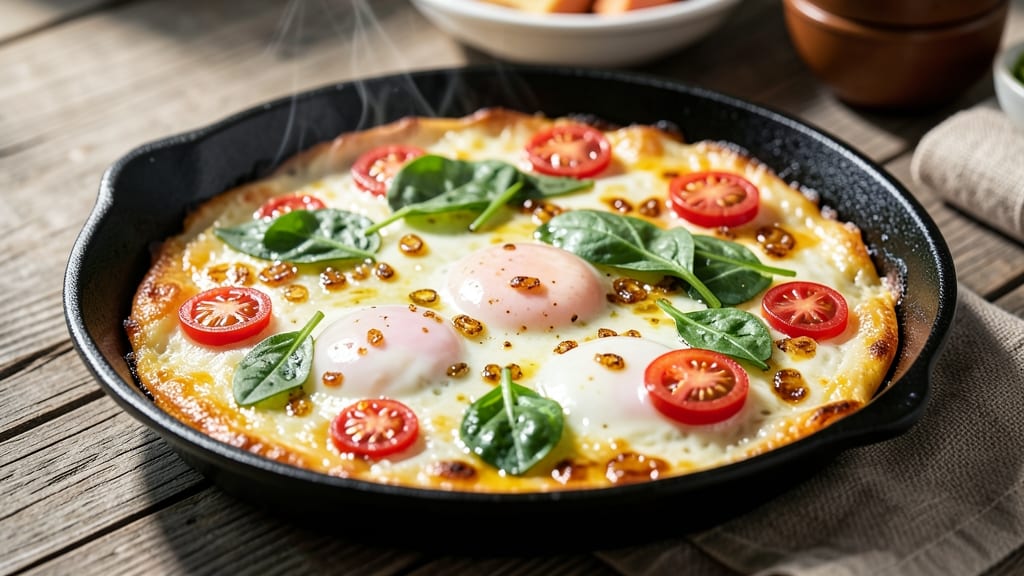
This 3-egg frittata recipe delivers crispy edges and that perfect set yolk every time—no flipping required. The secret lies in a preheated skillet and high heat, which creates a golden crust while keeping the interior tender and custardy.
I developed this version after testing countless methods, and it consistently delivers restaurant-quality results with minimal effort.
The beauty of this frittata is its versatility—you can customize it with your favorite vegetables, cheese, or herbs while keeping the core technique simple. A 350°F oven finishes the cooking process, ensuring even doneness without overcooking.
The result? A dish that’s equally perfect for breakfast, lunch, or dinner, with a texture that’s crisp on the outside and creamy inside.
What makes this recipe stand out is the set yolk brilliance—each bite offers a perfect balance of rich egg flavor and a slightly runny center. It’s a foolproof method that works even for beginners, and the crispy edges add a satisfying crunch that elevates every forkful.
Whether you’re serving it with a side salad or toast, this frittata is a game-changer for weeknight meals.
Best of all, it’s ready in under 20 minutes, making it ideal for busy mornings or spontaneous lunches. The technique scales easily, so you can adjust the size of the skillet or pan to fit your needs. Once you master this, you’ll never buy store-bought again.
Ingredients for 3 egg frittata
Game-changing ingredients for that perfect crispy frittata with set yolk brilliance every time.
| Ingredient | Amount | Notes |
|---|---|---|
| Large Eggs 🥚 | 3 whole | Room temperature for even cooking |
| Extra-Virgin Olive Oil 🫒 | 2 tbsp | High-quality, fruity variety |
| Shallots 🧅 | 2 whole | Minced finely for sweetness |
| Fresh Spinach 🍃 | 1 ½ cups | Chopped, loosely packed |
| Cherry Tomatoes 🍅 | ½ lb | Halved, seeds removed |
| Sharp Cheddar Cheese 🧀 | ½ cup | Shredded, aged variety |
| Fresh Chives 🌿 | 2 tbsp | Chopped, for garnish |
| Garlic Cloves 🧄 | 1 whole | Minced, aromatic base |
| Salt 🧂 | ½ tsp | Diamond Crystal preferred |
| Freshly Ground Black Pepper 🌶️ | ¼ tsp | Freshly cracked for flavor |
| Unsalted Butter 🧈 | 1 tbsp | For skillet coating |
The eggs are non-negotiable—room temperature is key for even cooking. Grab large eggs from the store (they're more stable when cooking), and if you're feeling fancy, pasture-raised makes a noticeable difference in flavor. The olive oil? Extra-virgin, fruity kind—none of that cheap stuff that burns at high heat. Shallots add sweetness without overpowering, so don't skip them. I always grab mine from the fresh produce section (not the pre-minced jarred stuff)—they keep for weeks in the fridge.
No cherry tomatoes? Grape tomatoes or sun-dried tomatoes work in a pinch, but fresh is ideal. The cheese should be sharp cheddar—mild cheddar gets lost in the egg flavor. Fresh chives are a must for that bright finish, but dried chives at half the amount will do if you're out. Want extra crisp? Add a pinch of cornstarch to the egg mixture. The butter matters too—unsalted, European-style gives the best flavor without over-salting. And yes, you can use olive oil instead, but butter's what makes it restaurant-quality.
This frittata reheats beautifully—just 5 minutes at 350°F brings it back to life. Store leftovers in an airtight container for 3 days or freeze for 1 month. I like to portion mine into individual servings before freezing so I can grab one straight from the freezer for a quick breakfast. The crispy edges? High heat is everything—don't rush this part. And if you're making ahead, assemble the frittata, refrigerate overnight, then cook in the morning for maximum crisp.
Why You'll Love This Recipe
- No-Chop Needed: I swear by this—just slice the shallots thin (or buy pre-minced) and halve the cherry tomatoes. The spinach wilts in seconds, and the eggs bind everything without fuss. My lazy Sundays just got a hero.
- Creamy Crisp Magic: That golden edge on top? Pure satisfaction. The olive oil gives it a silky richness, while the shallots add sweetness that balances the bright tomatoes. It’s not fancy, but it’s ridiculously good—like a hug in breakfast form.
- Lunchbox Goldmine: Between us, this is my go-to for meal prep. Slice it, pack it, and it stays fresh for days. The eggs hold up better than scrambled eggs ever could, and the spinach keeps its bite. (Yes, even on a Tuesday night.)
- Egg-cellent Value: Three eggs? That’s less than $1 for a full meal. Add whatever veggies are on sale, and you’ve got a protein-packed dish that feeds two (or one very hungry person). Budget-friendly doesn’t get much better than this.
Step-by-step instructions for 3 egg frittata recipe
Here's how to achieve that perfect golden crust and runny yolk center every time.
Sauté Aromatics for Maximum Flavor
Heat the 2 tablespoons extra-virgin olive oil in a 10-inch oven-safe skillet over medium heat. Add the 2 whole shallots and 1 whole garlic clove (minced), cooking for 3-4 minutes until the shallots turn translucent and the garlic releases its aroma. This step builds the flavor foundation—don't rush it.
Add the 0.5 pound cherry tomatoes (halved and seeded) and cook for another 2 minutes until they begin to soften slightly. The tomatoes should release their juices but not fully break down. Here's the thing—you want them to contribute moisture to the frittata while maintaining their shape. If they release too much liquid, blot them gently with paper towels before adding to the eggs.
Wilt Spinach and Season the Base
Push the tomato-shallot mixture to one side of the skillet and add the 1.5 cups fresh spinach to the empty space. Cook for 1-2 minutes until the spinach wilts completely. Stir it into the tomato mixture and sprinkle evenly with 0.5 teaspoon salt and 0.25 teaspoon freshly ground black pepper. This distribution ensures every bite gets balanced seasoning.
Real talk: the spinach should be completely wilted before adding eggs. If you add it raw, it'll steam instead of crisp up, and your frittata will end up soggy in the center. The spinach should look like it's been sautéed to perfection—no bright green spots remaining.
Whisk Eggs and Cheese for Perfect Texture
In a medium bowl, whisk the 3 whole large eggs until the yolks and whites are fully combined. Add the 0.5 cup sharp cheddar cheese and whisk until completely melted and smooth. This step is crucial—unevenly melted cheese creates clumps in your frittata. I like to use a fork to break up any cheese lumps before whisking.
Season the egg mixture with an additional pinch of salt if needed, then pour it evenly over the vegetable mixture in the skillet. The eggs should spread to cover all the vegetables completely. Here's where it gets fun—watch as the eggs begin to set around the edges while staying runny in the center.
Cook to Crispy Perfection
Transfer the skillet to the broiler (preheated to high) and cook for 3-5 minutes until the edges are deep golden brown and the top has set but still appears slightly underdone. This is the moment that matters: you want crispy edges that contrast with the creamy center. Keep a close eye on it—broilers can vary wildly in heat intensity.
Remove from the broiler and let the frittata rest for 2-3 minutes. The residual heat will finish cooking the center while the edges maintain their crisp texture. Here's the pro move: use a small offset spatula to gently press down on the top if it hasn't fully set—this helps create that perfect set yolk in the center.
Garnish and Serve Immediately
Sprinkle the 2 tablespoons fresh chives evenly over the top and cut into 4 equal wedges. The chives add a fresh pop of color and brightness that cuts through the richness of the cheese. Serve immediately while the edges are still crisp and the center remains gloriously runny.
Each bite should deliver that perfect contrast: crispy, golden edges that give way to creamy egg custard with a perfectly set yolk in the center. The vegetables should be tender but still hold their shape, and the sharp cheddar should be melted but not stringy. This is the frittata you'll want to make again and again.
Pro Tips For Making 3 Egg Frittata
- CRANK THE HEAT FIRST: Start your frittata on medium-high—no, seriously, crank it. The eggs need that initial sear to set the bottom fast, or you’ll end up with a sad, rubbery mess. After 2 minutes, drop to medium-low and let the eggs cook through gently. I learned this the hard way after serving a frittata that looked more like scrambled eggs in a pan.
- SALT THE EGGS BEFORE WHISKING: Toss in that pinch of salt right as you crack the eggs—it dissolves better and seasons the whole dish evenly. Skip this, and you’ll end up with pockets of blandness, especially if you’re using fresh, unsalted ingredients like cherry tomatoes. Trust me, your taste buds will notice.
- DON’T OVERCROWD THE PAN: Three eggs is already a tight fit in a standard 8-inch skillet. If you’re adding spinach and tomatoes, blanch the spinach first (30 seconds in boiling water, then ice bath) to wilt it down. Crowd the pan, and your frittata will steam instead of crisp, turning out soggy. Less is more—even if it means skipping half the spinach.
- FINISH UNDER THE BROILER: Once the top is mostly set but still slightly jiggly, pop it under the broiler for 1-2 minutes. You want that golden crust, not a pale, eggy center. Watch it like a hawk—broilers are sneaky and can burn faster than you think. This is the thing that makes a good frittata feel restaurant-quality.
Creative variations of this 3 egg frittata
Breakfast-to-Dinner Flexibility
This frittata isn't just for breakfast—it's your secret weapon for lunch and dinner too. For a lighter lunch, serve it with a mixed greens salad tossed in lemon vinaigrette and toasted sourdough. The crispy edges hold up perfectly even when served cold, making it ideal for meal prep.
For dinner, pair it with roasted asparagus and a bold red wine like Cabernet Sauvignon—the sharp cheddar stands up beautifully to the wine's tannins. 🍷
Want to make it heartier? Double the cheese to 1 cup and add crispy bacon or sautéed mushrooms to the base. The technique stays the same, but the flavor profile transforms into a satisfying dinner.
I've even served it as a brunch centerpiece with smoked salmon and everything bagel seasoning on top—trust me, it's a crowd-pleaser.
Global Twist Variations
Give your frittata a Mediterranean makeover by swapping cheddar for feta cheese and adding sun-dried tomatoes, kalamata olives, and fresh basil. The briny olives balance the richness perfectly, and the basil adds a bright, herby note.
For a Southwestern flair, use pepper jack cheese, black beans, and corn—it's like breakfast tacos in frittata form. 🌶️
Craving something Asian-inspired? Replace the cheddar with goat cheese and stir-fry shredded cabbage, carrots, and green onions with a splash of soy sauce before adding the eggs. Top with sesame seeds and sriracha for a fusion dish that's anything but basic.
The high-heat broiling step still works—just keep an eye on it to avoid burning the soy sauce.
Dietary Adaptations
Make this frittata vegan by using tofu scramble (press and crumble 1 block firm tofu) mixed with nutritional yeast and turmeric for color. Sauté your favorite veggies, pour in the tofu mixture, and finish under the broiler.
The crispy edges still happen—just use olive oil instead of butter. For gluten-free needs, ensure your cheese and any added ingredients (like bacon) are certified GF. 🌱
Need a lower-carb option? Skip the bread entirely and serve with avocado slices or cucumber ribbons. The crispy edges make it satisfying without the carbs. For egg-free adaptations, consider a chickpea flour scramble—it's a bit different but still delicious.
And if you're watching calories, use egg whites (6 of them) plus 1 whole egg for a lighter version that still holds its shape.
Seasonal Swaps
Spring calls for asparagus, ramps, and goat cheese—their bright flavors shine in the frittata. Roast the asparagus until tender-crisp, then scatter it over the base before adding eggs.
In summer, load up on zucchini, bell peppers, and cherry tomatoes for a fresh, vibrant dish. The high heat of the broiler caramelizes the summer veggies beautifully. 🌿
Fall is all about squash, apples, and sage. Sauté diced butternut squash with apple slices and crumbled sage before adding the eggs. The sweetness of the squash and apple pairs perfectly with the sharp cheddar.
For winter, try caramelized onions, mushrooms, and gruyère cheese—the earthy flavors are comforting and rich, perfect for cold weather.
Nutrition facts
Frequently asked questions
Why does my frittata end up rubbery instead of creamy?
Overcooking is the #1 culprit! The broiler step should only be 3-5 minutes—any longer and the eggs dry out. Also, make sure your eggs are room temperature (never straight from the fridge) and whisk them vigorously until fully combined. If you're using a nonstick skillet, reduce the olive oil to 1 tablespoon to prevent excess moisture.
Can I make this frittata ahead of time?
Assemble the frittata in the skillet, cover, and refrigerate for up to 24 hours before cooking. For best results, cook it straight from the fridge—this creates even more crispy edges. You can also freeze it: cook completely, cool, slice into wedges, and freeze for 1 month. Reheat in a 350°F oven for 10 minutes to restore crispiness.
What's the best skillet size for this recipe?
A 10-inch oven-safe skillet is ideal—it gives enough surface area for crispy edges while keeping the center creamy. If you only have an 8-inch skillet, reduce the recipe to 2 eggs (the same technique applies). For larger groups, use a 12-inch skillet with 4 eggs and double the vegetables. Just remember: thinner frittatas cook faster than thick ones.
How do I get that perfect runny yolk in the center?
Timing is everything! After broiling, remove the frittata when the edges are golden but the center still jiggles slightly. Let it rest 2-3 minutes off the heat—this allows the residual heat to finish cooking the edges while keeping the center warm. For extra insurance, use large eggs (their yolks stay runnier longer than small eggs).
Can I make this frittata without cheese?
Yes, but you'll lose that creamy texture! If omitting cheese, add 1 tablespoon heavy cream to the egg mixture for richness. For flavor, boost the aromatics with extra garlic or smoked paprika**. The crispy edges will still form, but the overall mouthfeel will be lighter. Cheese lovers rejoice—this frittata shines with sharp cheddar or gruyère!