
Desserts
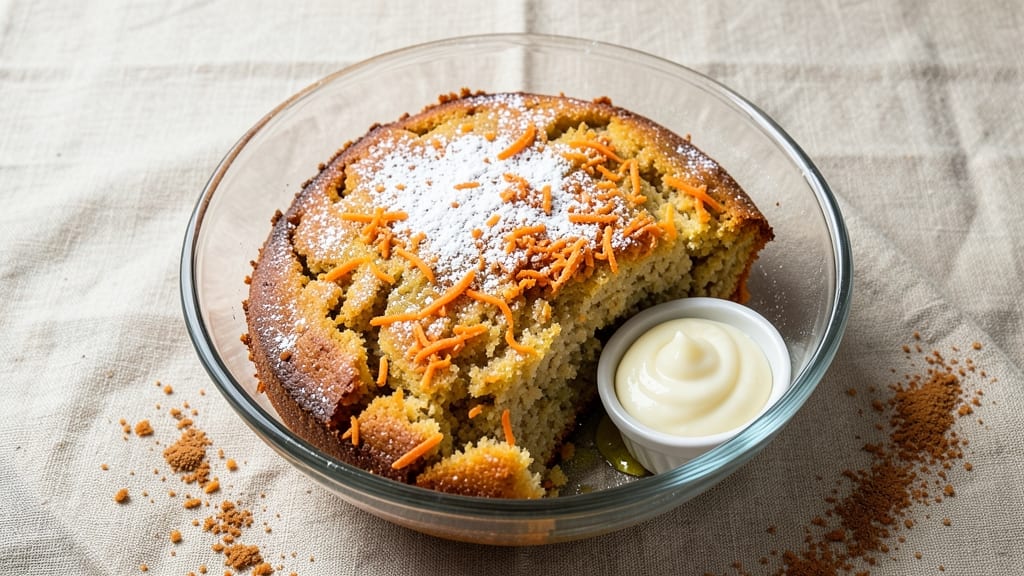
This 3-egg carrot cake recipe delivers the perfect balance of moist crumb and subtle vanilla notes without a hint of dryness—something I’ve perfected after years of baking failures. The secret lies in precise ingredient ratios and a gentle baking technique that keeps every slice tender.
Whether you're a beginner or a seasoned baker, this recipe ensures a cake that stays moist for days, with just the right amount of natural sweetness from grated carrots and warm spices.
The foundation of this cake is a simple yet effective method: combining 3 eggs with a touch of oil and applesauce for richness, while the carrots add natural moisture and a subtle earthy depth.
A pinch of cinnamon and nutmeg enhances the vanilla infusion, creating layers of flavor that feel both nostalgic and refined. The baking time is carefully calibrated to avoid overcooking, guaranteeing a cake that’s perfectly set but never dry.
What sets this recipe apart is its foolproof texture—no dense crumb or rubbery edges here. The cake emerges from the oven with a golden top and edges that stay soft for days, making it ideal for slicing and serving fresh or storing for later.
Top it with a light cream cheese frosting or a dusting of powdered sugar for an elegant finish that feels restaurant-worthy.
Perfect for holidays, potlucks, or a cozy dessert night, this carrot cake is versatile enough to adapt to your preferences. Whether you add walnuts for crunch or keep it classic, the result is always a crowd-pleaser.
Let’s get baking—this cake is easier to make than you think, and the results will impress everyone.
Ingredients for 3 egg carrot cake
Eight essential ingredients create the perfect moist carrot cake with tender crumb and rich vanilla flavor.
| Ingredient | Amount | Notes |
|---|---|---|
| Large Eggs 🥚 | 3 whole | Room temperature for even mixing |
| Granulated Sugar 🍚 | 1 ½ cups | Light brown sugar for subtle caramel notes |
| Vegetable Oil 🫒 | ½ cup | Light olive or canola preferred |
| Unsweetened Applesauce 🍎 | ½ cup | Adds moisture without density |
| All-Purpose Flour 🌾 | 2 cups | Sifted for light texture |
| Ground Cinnamon 🌿 | 2 tsp | Freshly ground preferred |
| Ground Nutmeg 🌿 | ½ tsp | Freshly grated nutmeg best |
| Pure Vanilla Extract 🍯 | 1 tbsp | High-quality, no imitation |
| Baking Soda 🧂 | 1 tsp | Ensures proper rise |
| Salt 🧂 | ½ tsp | Fine sea salt preferred |
| Medium Carrots 🥕 | 3 whole | Grated, skin on for color |
| Plain Greek Yogurt 🍶 | ½ cup | Full-fat for creaminess |
| Walnuts (optional) 🌰 | ¾ cup | Chopped, toasted for crunch |
The carrots are non-negotiable for moisture and color—organic from the produce section ensures vibrant orange hue. Bob's Red Mill all-purpose flour is my go-to for consistent texture, but any high-quality brand works. The Greek yogurt adds tang and richness without heaviness, while the applesauce keeps it light. For the vanilla, Nielsen-Massey is worth the splurge—imitation extracts ruin the flavor profile. Walnuts? Toast them in a dry pan for 3-4 minutes until fragrant, then chop roughly for texture contrast.
No Greek yogurt? Plain yogurt or sour cream works in a pinch, but it may make the cake slightly denser. Short on applesauce? Mashed banana or pumpkin puree adds moisture—just reduce the sugar by 1 tbsp. The carrots can be pre-grated (the bagged kind) if you're short on time, but fresh grating gives better texture. For nutmeg, whole nutmeg seeds grated on a microplane are superior to pre-ground. The baking soda is critical—don't swap for baking powder unless you adjust the recipe.
Store wrapped at room temperature for 2 days or refrigerate for 5 days to maintain moisture. For longer storage, freeze slices wrapped in plastic for up to 3 months. The cake reheats beautifully—wrap a slice in foil and microwave for 15 seconds to restore freshness. I always bake two small cakes and freeze one for birthdays when I forget to plan ahead. The frosting? Keep it simple—a mix of powdered sugar, softened butter, and a splash of vanilla.
Why You'll Love This Recipe
- No Mixer Needed: I swear by this recipe when my hands are full—just whisk three eggs, fold in the applesauce, and let the oil and sugar do the heavy lifting. The batter’s so light, you’ll forget it’s basically a cake made with pantry staples.
- Moist Without Syrup: That applesauce swap? Genius. It keeps this cake tender for days without tasting like a health-food compromise, and the eggs bind it just enough to hold its shape. Honestly, it’s the kind of cake that doesn’t dry out by lunch.
- Weeknight Magic: I make this for breakfast, dessert, or even a quick snack—slice it warm with a smear of peanut butter, or let it cool for a grab-and-go treat. The sugar and oil balance perfectly, so it’s never cloying, just right.
- Pennies on the Dollar: Three eggs, a cup of sugar, and a can of applesauce? This recipe stretches my budget without sacrificing flavor. I’ve fed a houseful with leftovers, and the only thing cheaper is store-bought cake—except this one’s actually good.
Step-by-step instructions for perfectly moist carrot cake
Mastering this recipe delivers a tender crumb and balanced sweetness every time—no dryness in sight.
Prepare Carrots and Mix Wet Ingredients
Peel and grate the 3 whole medium carrots using a box grater or food processor, ensuring you keep the skin on for vibrant color. Transfer to a bowl and set aside. In a separate large mixing bowl, whisk together the 3 whole large eggs (room temperature) and 1.5 cups granulated sugar until fully combined and slightly thickened.
Add the 0.5 cup vegetable oil and 0.5 cup unsweetened applesauce, mixing until smooth. The applesauce replaces some of the oil, keeping the cake moist without adding density. Stir in the 1 tbsp pure vanilla extract and 0.5 cup plain Greek yogurt, ensuring everything is evenly incorporated. The yogurt adds tang and creaminess that balances the sweetness.
Combine Dry Ingredients and Fold Gently
In a medium bowl, sift together the 2 cups all-purpose flour, 2 tsp ground cinnamon, 0.5 tsp ground nutmeg, 1 tsp baking soda, and 0.5 tsp salt. Whisk to remove any lumps and ensure even distribution of the spices. This step prevents clumping in the batter and guarantees an even rise.
Gradually add the dry ingredients to the wet mixture, folding gently with a spatula until just combined. Avoid overmixing—stop when a few flour streaks remain. Stir in the grated carrots, reserving about 2 tablespoons for the topping if desired. If using, fold in the 0.75 cup chopped walnuts at this stage for added texture.
Bake for Even Moisture and Perfect Rise
Preheat your oven to 350°F and grease two 8-inch round cake pans or line them with parchment paper. Divide the batter evenly between the pans and smooth the tops. Bake for 25-30 minutes, until a toothpick inserted in the center comes out clean and the edges are lightly golden. Rotate the pans halfway through baking for even browning.
I like to tent the pans loosely with foil after 15 minutes to prevent over-browning while ensuring the centers cook through. The cake should spring back slightly when pressed gently—this indicates perfect doneness. Remove from the oven and let cool in the pans for 10 minutes before transferring to a wire rack.
Frost and Serve for Maximum Freshness
While the cakes cool, prepare your frosting of choice—cream cheese or vanilla buttercream work beautifully. Once the cakes are completely cooled, level the tops if needed and spread the frosting evenly. For extra flair, sprinkle with additional ground cinnamon or a dusting of powdered sugar.
Slice into 8 equal servings and serve immediately for the moistest texture, or store in an airtight container for up to 3 days. The applesauce and yogurt keep this cake tender, while the carrots add natural sweetness without heaviness. Enjoy with a cup of tea or coffee for the perfect pairing.
Pro Tips For Making 3 Egg Carrot Cake
- Whisk Eggs Until Ribbon Stage: I learned this the hard way—when the eggs have streaks that hold for 2 seconds when the whisk is lifted, that’s when you know they’re properly emulsified. Skimp on this, and your cake might end up dense or greasy, especially with just three eggs holding everything together.
- Measure Applesauce Right: Unsweetened applesauce is sneaky—1 cup packed is not the same as 1 cup scooped. Use a spoon to press it into the measuring cup, then level it off. Too much, and your cake turns into a brick; too little, and it’s dry. (Yes, even if you’re impatient like me.)
- Grease Pan And Dust Flour: Vegetable oil is great, but don’t stop there. After greasing the pan, sprinkle a thin layer of flour and tap out the excess. This keeps the cake from sticking to the sides, especially since this recipe leans lighter than traditional carrot cake. (Your future self will thank you.)
- Bake Until Toothpick’s Edge: The cake’s done when a toothpick comes out with moist crumbs, not wet batter. If you pull it out too early, the center will stay gummy—especially with applesauce in the mix. Let it sit 5 minutes before checking; the heat lingers.
Storing and reheating this 3 egg carrot cake
Room-Temp Storage
Keep your carrot cake at room temperature in an airtight container for up to 2 days—this preserves its moist texture. I use Rubbermaid Brilliance containers because they seal tightly and let me see the cake through the clear lid.
Avoid plastic wrap directly on the cake to prevent sogginess. The applesauce and yogurt keep it tender, but exposure to air can dry it out faster. 💛
Fridge Preservation
For longer freshness, refrigerate the cake in the same airtight container for up to 5 days. The cold slows moisture loss, but the texture may become slightly denser. Let it sit at room temperature for 10-15 minutes before slicing to restore softness.
I always wrap individual slices in parchment paper before storing to maintain that just-baked feel. The vanilla and spices stay vibrant in the fridge, too.
Freezer-Friendly Slices
Slice the cake and freeze individual portions in quart-sized freezer bags for up to 3 months. Squeeze out excess air to prevent freezer burn, and label with the date. When ready to eat, thaw overnight in the fridge or microwave for 15 seconds to restore warmth.
The texture remains moist, though slightly softer than fresh—perfect for quick dessert nights. 🧊
Reheating Secrets
For restaurant-quality freshness, wrap a slice in foil and microwave on 50% power for 10-15 seconds. This gentle heat reactivates the cake’s moisture without drying it out. Alternatively, warm in a 200°F oven for 5 minutes to revive the crust.
Avoid high heat—it turns carrot cake rubbery. A sprinkle of powdered sugar after reheating adds a sweet finish.
Frosting Storage Tips
If using cream cheese frosting, store the cake and frosting separately in the fridge. Reassemble just before serving to prevent sogginess. For buttercream, keep it at room temperature in an airtight container for up to 3 days.
Whisk briefly before spreading to restore smoothness. The frosting’s tang complements the cake’s natural sweetness, so don’t skip this step! 🍰
Nutrition facts
Frequently asked questions
Why does this recipe use only 3 eggs?
The 3-egg formula creates a perfectly moist crumb without making the cake dense. Eggs provide structure and richness, but using fewer keeps the texture tender. The applesauce and Greek yogurt in this recipe add moisture without needing extra eggs—ideal for a lighter dessert.
Can I substitute applesauce with something else?
Yes! Try mashed banana or pumpkin puree for moisture, but reduce the sugar by 1 tablespoon since these are naturally sweeter. For a dairy-free option, use unsweetened almond milk yogurt or an extra 2 tablespoons of oil. The key is maintaining the cake's lightness.
How do I prevent my carrot cake from drying out?
Bake at 350°F for exactly 25-30 minutes—no longer! Use an oven thermometer to confirm accuracy. After baking, let the cake cool in the pan for 10 minutes before transferring to a rack. Store in an airtight container with a slice of bread to absorb excess moisture.
What’s the best frosting for this cake?
A light cream cheese frosting (mix 4 oz cream cheese, 2 tbsp butter, 1 cup powdered sugar, and 1 tsp vanilla) pairs perfectly with this recipe. For a richer option, try vanilla buttercream. Avoid overly sweet frostings—the cake’s natural carrot flavor shines best with subtle sweetness.
Can I make this cake gluten-free?
Yes! Replace the all-purpose flour with a 1:1 gluten-free baking flour blend (like Bob’s Red Mill) and add 1 tsp xanthan gum. For best results, also swap the Greek yogurt for dairy-free yogurt. The texture will be slightly denser, but still moist. Test with a toothpick to ensure doneness—gluten-free batters often need 2-3 extra minutes in the oven.