
Desserts
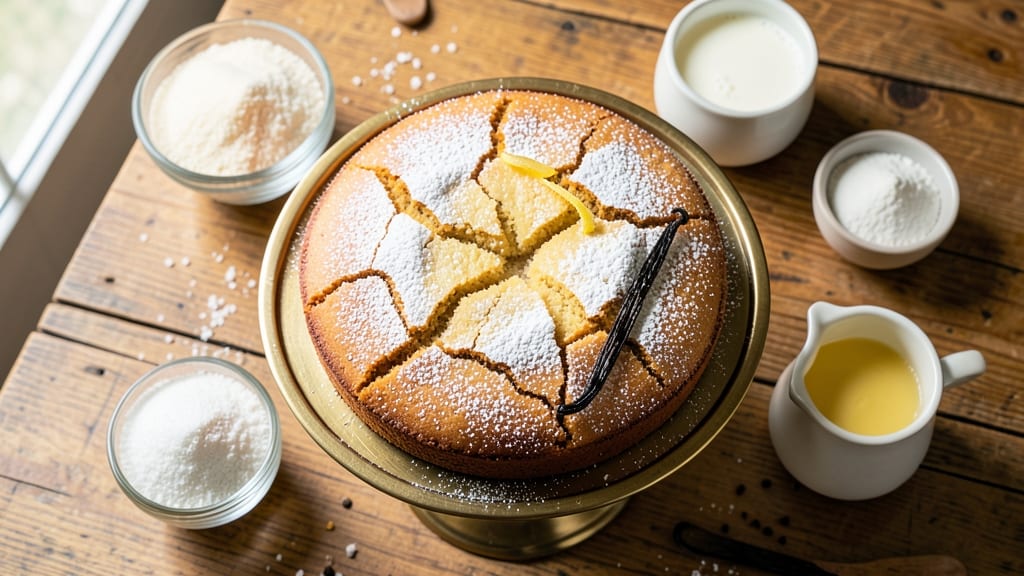
This 2-egg pound cake recipe delivers the perfect balance of lightness and moisture without relying on a full dozen eggs. The secret lies in precise technique and ingredient ratios that create a tender, cloud-like crumb—no dryness here.
I developed this recipe after years of testing, ensuring every slice stays moist for days, not just hours.
The magic happens with a simple but strategic approach: using all-purpose flour for structure, buttermilk for richness, and vanilla extract for depth. What sets this apart is the scant measurement of eggs—just two—paired with a precise ratio of sugar and fat to maintain that signature pound cake density.
The result? A cake that's ultra-moist, tender, and rich without being heavy.
By the time it emerges from the oven, you'll have a cake with a golden, crackly top and a crumb so fine it practically melts in your mouth. The texture remains soft and moist even after cooling, making it ideal for slicing and serving.
This isn't just a cake—it's a foolproof foundation for frosting, filling, or enjoying plain with a dusting of powdered sugar.
Perfect for birthdays, tea time, or whenever you crave a classic dessert with modern convenience. Let's bake this cake!
Ingredients for 2 egg pound cake
These eleven ingredients create the perfect cloud-like pound cake with just two eggs.
| Ingredient | Amount | Notes |
|---|---|---|
| All-Purpose Flour 🌾 | 2 ½ cups | Sifted for even texture |
| Granulated Sugar 🍚 | 2 cups | Superfine preferred for smoothness |
| Unsalted Butter 🧈 | 1 cup | Room temperature, full-fat |
| Buttermilk 🥛 | 1 cup | Room temperature, full-fat |
| Large Eggs 🥚 | 2 whole | Room temperature for even mixing |
| Pure Vanilla Extract 🌿 | 2 tsp | Bottled, not imitation |
| Baking Powder 🧂 | 1 ½ tsp | Aluminum-free preferred |
| Diamond Crystal Kosher Salt 🧂 | ½ tsp | Fine grain for even distribution |
| Vegetable Oil 🫒 | ¼ cup | Light, neutral flavor |
| Powdered Sugar 🍚 | ½ cup | For dusting, optional |
| Lemon Zest 🍋 | 1 tsp | Fresh, finely grated |
The flour is your foundation—King Arthur or Gold Medal brands are my go-tos for that tender crumb. Butter matters here: Plugrá or Land O'Lakes unsalted melt beautifully, but don't use salted. For buttermilk, I grab the Great Value brand from the store—it's consistent and affordable. The eggs? Pasture-raised if you can find them, but regular large eggs work fine. Room temperature is key—just pop them in warm water for 10 minutes if they're cold. The vanilla extract should be pure, not the imitation stuff—McCormick or Nielsen-Massey are reliable brands.
No buttermilk? Mix 1 cup milk with 1 tbsp vinegar or lemon juice and let it sit for 5 minutes. Superfine sugar not available? Pulse regular granulated sugar in a food processor for 30 seconds. Want extra richness? Swap half the all-purpose flour for cake flour. The lemon zest adds brightness—organic lemons from the store work great, just avoid the thick white pith. For a nutty depth, add 1 tsp ground almonds to the dry ingredients. And if you're worried about dryness, the vegetable oil ensures that signature moisture.
This cake keeps beautifully—3 days at room temperature wrapped tightly in plastic, or 1 week in the fridge. For longer storage, slice and freeze portions between parchment paper for up to 3 months. The powdered sugar dusting? Optional, but it adds that professional finish. I like to bake mine in a 9-inch round pan for perfect slices, but an 8x8-inch square pan works too. Just don't overbake—it should pull away from the edges but still be slightly springy in the center.
Why You'll Love This Recipe
- Moist Without the Fuss: I swear by the buttermilk here—it keeps this cake tender without needing a single extra egg. No one will guess it’s made with just two, honestly.
- Butter-Kiss Richness: That melted butter folded into the batter? It’s what turns this into a cake that’s dangerously easy to over-slice. Sweet, creamy, and not too heavy—like a hug in dessert form.
- Weeknight Magic: Slice it warm for breakfast or pack it for lunch—this cake handles everything. My kids grab it for school snacks, and I still eat half the pan before bed. (No judgment.)
- Budget-Friendly Luxury: Two eggs, a stick of butter, and basic pantry staples? This is the kind of treat that costs pennies but tastes like you spent hours. Leftovers? Even better—it stays fresh for days.
Step-by-step instructions for ultra-moist vanilla pound cake
Here's how to bake a tender, cloud-like cake that stays moist for days.
Prepare the Dry Ingredients
Sift the 2.5 cups all-purpose flour and 1.5 tsp baking powder together in a medium bowl. This ensures an even distribution of leavening and prevents lumps in your cake. In a separate small bowl, whisk together the 2 cups granulated sugar and 0.5 tsp diamond crystal kosher salt. The salt will help balance the sweetness and enhance the vanilla flavor throughout.
I like to use superfine sugar here if I have it—it dissolves more smoothly and creates a finer crumb. If you don't have superfine, regular granulated sugar works fine, but you might want to pulse it briefly in a food processor first to break up any large crystals. Set both mixtures aside until you're ready to combine them.
Cream Butter, Oil, and Sugar
In a stand mixer fitted with the paddle attachment, beat the 1 cup unsalted butter and 0.25 cup vegetable oil together on medium speed for 2 minutes until completely combined and smooth. This step is crucial because the oil helps create that signature moist texture while the butter adds richness. Gradually add the sugar mixture while mixing on medium speed for another 3-4 minutes until the mixture is light and fluffy.
You'll know it's ready when the mixture nearly doubles in volume and becomes pale in color. This creaming process incorporates air, which is what gives pound cake its signature tender crumb. Don't rush this step—properly creamed butter and sugar is the foundation of a good pound cake. Scrape down the sides of the bowl with a spatula to ensure even mixing.
Add Eggs and Wet Ingredients
Add the 2 whole large eggs, one at a time, mixing well after each addition. Then stir in the 1 cup buttermilk and 2 tsp pure vanilla extract. The buttermilk adds acidity that helps activate the baking powder for better rise, while the vanilla extract infuses that classic vanilla flavor. Mix just until combined—overmixing can develop gluten in the flour and make the cake dense.
Next, add the 1 tsp lemon zest and mix for another 30 seconds. The lemon zest adds a subtle brightness that complements the vanilla beautifully. Then, with the mixer on low speed, gradually add the sifted dry ingredients. Mix just until the flour is incorporated—again, we're aiming for a smooth batter without overmixing. The batter should be thick but pourable.
Bake to Golden Perfection
Preheat your oven to 350°F and grease two 9-inch round cake pans (or one 9x5-inch loaf pan if you prefer). Line the bottoms with parchment paper for easy removal. Pour the batter evenly into the prepared pans. Smooth the tops with a spatula—this helps create an even rise.
Bake for 50-60 minutes (or 40-50 minutes for the loaf pan) until a toothpick inserted in the center comes out clean. The cake should be golden brown on top and pull away slightly from the sides of the pan. I always check at the 45-minute mark because ovens vary—some run hotter than others. If the top browns too quickly, tent the pans with foil to prevent overbrowning while allowing the cake to finish baking.
Cool and Serve
Remove the cakes from the oven and let them cool in the pans for 10 minutes. Then transfer them to a wire rack to cool completely. This gradual cooling helps the cake set properly and prevents it from becoming gummy. Once completely cooled, dust the tops with 0.5 cup powdered sugar if desired—this adds a beautiful finish and balances the richness.
Slice with a sharp serrated knife and serve at room temperature. The cake should be moist and tender with a fine crumb that practically melts in your mouth. Store any leftovers in an airtight container at room temperature for up to 3 days, or refrigerate for up to 5 days. For even better results, wrap tightly in plastic wrap and freeze for up to 3 months.
Pro Tips For Making 2 Egg Pound Cake
- Melt Butter Slowly: I learned this the hard way—dumping cold butter into hot sugar makes lumps that never dissolve. Instead, cut the butter into small cubes and let it melt gently into the sugar over low heat, stirring constantly. You’re not making caramel here; you’re creating a smooth base for the whole cake.
- Room-Temp Eggs Matter: Cold eggs from the fridge won’t blend properly, and the cake will turn out dense. Take them out 30 minutes before mixing—yes, even if you’re impatient like me. Room-temperature eggs incorporate better with the butter, and the texture will be lighter for the effort.
- Don’t Overmix the Batter: I used to beat this batter until it looked like glue. Wrong move. Mix just until the flour disappears—about 20 seconds after that. Overmixing develops gluten, and your pound cake will turn out tough instead of tender. Fold in the buttermilk gently; it’s fragile.
- Test Doneness with a Toothpick: The cake’s done when the center reads 205°F and a toothpick comes out with a few moist crumbs, not wet batter. I’ve pulled cakes too soon because I trusted the thermometer alone—big mistake. The crumb test is the real deal for this recipe.
Make-ahead tips for this 2 egg pound cake
Batter Prep Ahead
Mix the batter up to 24 hours before baking and store it in an airtight container in the fridge. The flavors meld beautifully overnight, and the butter stays cold for better volume.
Just bring the batter to room temperature before pouring into pans—30 minutes at room temp works perfectly. I like to use a glass measuring cup for easy stirring and transfer. 🥄
Pan Prep Shortcut
Grease your 9-inch round pans the night before and wrap them tightly in plastic wrap. Store them in the fridge until ready to use—this prevents sticking without last-minute fuss.
For extra insurance, line the bottoms with parchment circles cut to fit. I keep a stash of pre-cut circles in my freezer for quick access. 🧈
Baking Timeline
Preheat your oven while the batter rests at room temperature—15 minutes is ideal. This ensures even baking and prevents a domed top. For busy schedules, bake one pan at a time if your oven isn’t large enough.
The second pan will take 5-10 minutes longer to bake, so check it separately. 🕒
Cooling Hack
Instead of cooling cakes on a rack, invert them onto a wire cooling rack placed directly over a loaf pan filled with hot water. This creates a steam bath that keeps the cake moist while cooling—30 minutes total.
It’s a game-changer for preventing dryness. Just remove the rack from the hot water once cakes are inverted. ❄️
Freezing Fully Baked
Slice the cooled cake into ½-inch layers and wrap each tightly in plastic wrap, then place in a freezer bag. Label with the date—these freeze beautifully for 3 months.
To serve, thaw at room temperature for 1-2 hours or warm slices in the microwave for 10 seconds for a fresh-from-oven feel. 🧊
Make-Ahead Serving
Assemble cake layers (if using frosting) 1 day ahead and store uncovered at room temperature. The frosting will set perfectly overnight. For unfrosted slices, wrap individually in parchment paper and store in a snack box for up to 5 days.
Reheat slices in a 200°F oven for 5 minutes to restore moisture. 🍰
Nutrition facts
Frequently asked questions
Why does this recipe use only 2 eggs?
The reduced egg count creates a lighter, more delicate crumb while maintaining structure through proper creaming of butter and sugar. The buttermilk and vegetable oil compensate for moisture and richness. This approach yields a tender cake without the heaviness of traditional egg-heavy pound cakes.
Can I substitute buttermilk in this recipe?
Yes! Mix 1 cup milk with 1 tbsp vinegar or lemon juice and let sit for 5 minutes until thickened. For extra richness, use 1 cup sour cream or 1 cup plain yogurt instead. The acidity remains crucial for proper rise and texture.
How do I prevent a dense cake?
Don't overmix after adding flour—just until combined. Use room-temperature ingredients (especially eggs and butter) and measure flour accurately by spooning and leveling. Avoid opening the oven door during baking to prevent collapsing. The cake should pull away from the pan edges but still feel slightly springy in the center.
What pan sizes work best?
This recipe works perfectly in two 9-inch round pans (bake 50-60 minutes) or one 9x5-inch loaf pan (bake 40-50 minutes). For a single-layer cake, use a 9-inch springform pan. Grease pans thoroughly and line with parchment for easy removal.
Can I add mix-ins like chocolate or nuts?
Yes, but keep portions small to maintain texture. Fold in ½ cup chocolate chips or ½ cup chopped walnuts after adding the dry ingredients. For citrus lovers, add 1 tbsp orange zest with the lemon zest. Avoid overloading—too many mix-ins can make the cake dense.