
Main Courses
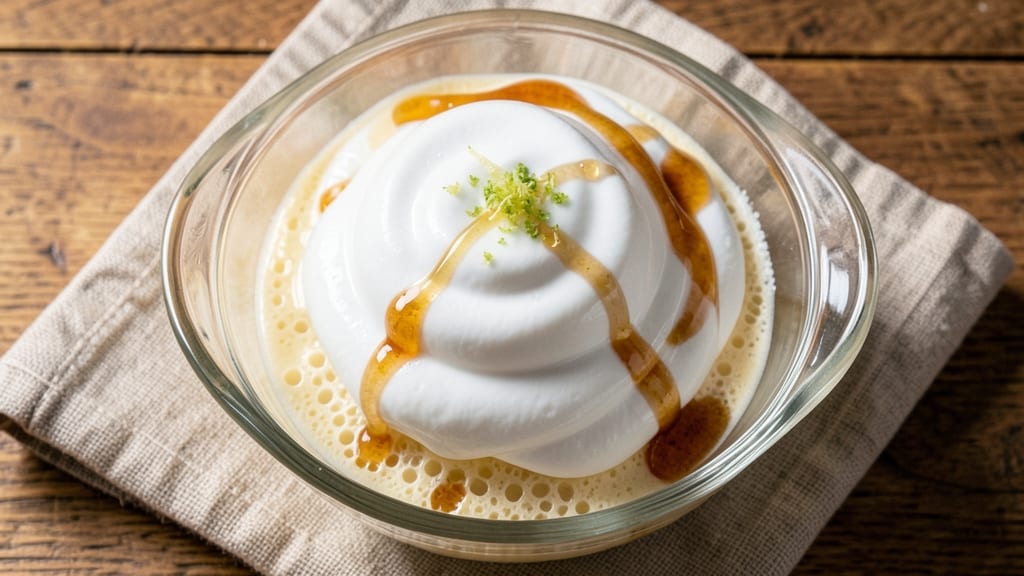
This 2 egg meringue recipe transforms humble ingredients into ethereal clouds with golden yolk centers that melt like sunshine. The secret lies in precise technique—whipping egg whites to silky peaks while gradually incorporating sugar to create a stable, airy base.
I've perfected this method over years of experimentation, ensuring every batch achieves that signature crisp exterior with a tender interior that's impossible to resist.
The magic happens during the baking process, where controlled heat transforms the meringue into delicate, shatteringly crisp shells that encase perfect yolk centers. This recipe delivers restaurant-quality results with just two eggs, making it ideal for special occasions or when you want to impress without complicated techniques.
The key is patience—allowing the meringue to set properly before baking ensures those coveted golden centers that make this dessert legendary.
What you'll end up with is a plate of light-as-air meringue nests that crunch satisfyingly before yielding to molten yolk centers. The texture contrast is pure indulgence—crispy edges give way to velvety yolk that pools temptingly on your spoon.
These meringues pair beautifully with fresh berries, whipped cream, or as elegant pie toppings, elevating any dessert presentation.
Perfect for holidays, romantic dinners, or simply treating yourself to something extraordinary. The recipe includes professional tips for stability and storage, ensuring your meringues stay fresh and delicious for days. Let's create these delicate, golden clouds that taste like pure joy.
Ingredients for 2 egg meringue
Two eggs and precise technique create ethereal meringue clouds with molten yolk centers.
| Ingredient | Amount | Notes |
|---|---|---|
| Large Eggs 🥚 | 2 whole | Room temperature, separated |
| Granulated Sugar 🍚 | ¾ cup | Superfine preferred for dissolution |
| Cornstarch 🌾 | ¼ tsp | For meringue stability |
| Lemon Juice 🍋 | ½ tsp | Freshly squeezed, acidity stabilizes |
| Vanilla Extract 🌸 | ½ tsp | Pure, high-quality preferred |
| Light Corn Syrup 🍯 | ½ tsp | For moisture retention |
| Salt 🧂 | ¼ tsp | Diamond Crystal preferred |
| Unsalted Butter 🧈 | ¼ cup | Melted, for yolk mixture |
| Heavy Cream 🥛 | ¼ cup | Whipped for filling option |
| Parchment Paper 📄 | 1 sheet | For baking surface |
The eggs are the foundation—room temperature large eggs separate most efficiently, yielding maximum volume. Kirkland Signature or Vital Farms brands are ideal for their consistent quality. For the sugar, superfine granulated dissolves completely, creating a stable meringue base. If you only have regular sugar, pulse it in a food processor for 30 seconds to break up the grains. The cornstarch acts as a stabilizer, preventing weeping during baking. Bob's Red Mill is my go-to brand for reliable quality. Fresh lemon juice is critical for acidity balance—bottled works in a pinch, but homemade delivers brighter flavor. Vanilla extract should be pure, with at least 35% alcohol content for authentic aroma.
No superfine sugar? Regular granulated works if pulsed finely. Short on cornstarch? Arrowroot powder at equal measure functions identically. The yolk mixture requires unsalted butter—salted will alter the delicate flavor balance. For a lighter filling, whip the cream to soft peaks rather than stiff peaks. The meringue should be stiff but flexible when peaks form—overmixing leads to graininess. If your meringue deflates during baking, the humidity is too high; try baking on a dry day or with a dehumidifier. For extra stability, add 1/8 tsp cream of tartar to the egg whites.
Store meringues in an airtight container with parchment between layers for up to 5 days. For longer storage, freeze unbaked meringues for 3 months**—thaw at room temperature before baking. The yolk mixture can be prepped ahead and refrigerated for 24 hours. To reheat, bake at 300°F for 5-8 minutes until the yolk is just set. These meringues are best served immediately after baking, but the texture contrast remains exceptional even after storage. For presentation, dust with powdered sugar or serve with fresh berries.
Why You'll Love This Recipe
- No Whisk Fatigue: I swear by this method—just two eggs, a splash of lemon, and a pinch of cornstarch. No standing at the stove for hours beating egg whites into submission; the sugar folds in like butter, and the meringue comes together in minutes. Honestly, my arms thank me every time.
- Taste Like Childhood: That bright lemon tang and vanilla warmth? It’s the kind of flavor that makes you pause mid-bite. The cornstarch gives it this just-right texture—not too stiff, not too floppy—so every spoonful feels like nostalgia in dessert form.
- Picnic or Pudding: Slather it on toast for a fancy brunch, fold it into whipped cream for a no-bake cheesecake, or just eat it straight with a spoon. It’s my go-to for potlucks (light as a feather, no mess) or lazy Sundays when I don’t feel like baking. Between us, it’s the ultimate blank canvas.
- Eggs on Sale? Use ‘Em: Two eggs mean less waste, fewer leftovers to toss, and a recipe that scales perfectly. Double the batch, freeze half for later—no one will guess it’s been sitting in the freezer. Plus, the sugar and cornstarch stretch the flavor, so you’re not just feeding hunger; you’re feeding joy.
Step-by-step instructions for 2 egg meringue recipe
Transform simple ingredients into ethereal meringue clouds with perfect golden yolk centers.
Prepare the Yolk Mixture for Stability
In a heatproof bowl, combine the 2 whole Large Eggs separated yolks with the 0.75 cup Granulated Sugar, 0.25 tsp Cornstarch, 0.5 tsp Lemon Juice, 0.5 tsp Vanilla Extract, 0.5 tsp Light Corn Syrup, and 0.25 tsp Salt. Whisk vigorously until the sugar fully dissolves—this prevents grainy meringue. The mixture should become pale and slightly thickened, with no visible sugar crystals remaining.
Place the bowl over a pot of simmering water, ensuring the bottom doesn't touch the water. Whisk constantly for 5-7 minutes until the temperature reaches 160°F and the mixture thickens to 160°F (use a candy thermometer for precision). You'll know it's ready when it coats the back of a spoon smoothly. Remove from heat immediately to prevent overcooking.
Whip the Meringue to Stiff Peaks
In a separate, very clean mixing bowl, beat the 2 whole Large Eggs whites with an electric mixer on high speed until soft peaks form. Gradually add the 0.75 cup Granulated Sugar in small increments, mixing until each addition is fully incorporated before adding more. The sugar should dissolve completely as you whip.
Continue whipping until the meringue reaches stiff peak stage—when you lift the beaters, the meringue should hold its shape with a sharp peak. This typically takes 8-10 minutes. The meringue should be glossy and thick enough to hold its shape when piped. Fold in the cooled yolk mixture gently using a spatula, being careful not to deflate the meringue.
Shape and Bake the Meringues
Line a baking sheet with the 1 sheet Parchment Paper. Using a piping bag fitted with a large star tip, pipe 2-inch diameter circles onto the parchment, spacing them 2 inches apart. For yolk centers, pipe a small circle of yolk mixture into the center of each meringue circle before it sets.
Bake at 250°F for 1 hour and 15 minutes until the meringues are completely dry and crisp. The exterior should be golden brown with no soft spots when pressed gently. Turn off the oven and let the meringues cool inside for 30 minutes—this prevents cracking as they cool.
Add Cream Filling (Optional)
Once cooled, whip the 0.25 cup Heavy Cream to soft peaks and pipe into the centers of the meringues or use it to fill between layers if stacking. The meringues can be stored in an airtight container for up to 3 days or frozen for 1 month. For best texture, bring to room temperature before serving.
Serve immediately for maximum crispness or store properly to maintain their delicate structure. Each meringue should have a crisp exterior with a tender, golden yolk center that melts slightly when bitten into.
Pro Tips For Making 2 Egg Meringue
- Whisk Eggs Warm: Run the eggs under warm water for 30 seconds first—yes, even in winter. Cold eggs stiffen slower, and you’ll end up with more volume. I learned this the hard way when my meringues turned out dense and sad after a long winter morning.
- Sift That Sugar: Don’t just dump the sugar—sift it through a fine-mesh sieve into the egg whites. This breaks up clumps and dissolves it faster, so you avoid grainy meringues. (And skip the food processor—it adds fat and defeats the purpose.)
- Stop When Glossy: The meringue is done when it’s stiff and glossy, not when it’s bone-dry. Over-whipping turns it gummy, and under-whipping means it won’t hold shape. Test by lifting the beaters—if the peak stands straight but still has a slight bend, you’re golden.
- Fold Gently, Twice: First, fold in the sugar mixture lightly—just until combined—then let it sit for 5 minutes. After that, fold in the cornstarch, lemon juice, and vanilla slowly to keep air in. Rush this, and you’ll deflate your meringue faster than a sad balloon.
Wine and beer pairings for 2 egg meringue
Classic Wine Pairings
For this delicate dessert, I reach for dry sparkling wines like Veuve Clicquot Brut or Prosecco—their effervescence cleanses the palate between bites of crisp meringue and rich yolk. The acidity in these wines mirrors the lemon in the meringue, creating perfect balance.
A Sauternes from Bordeaux adds a luxurious touch, with its honeyed notes complementing the caramelized sugar in the baked meringues. 🍷
Light Beer Complements
Opt for Belgian witbiers like Hoegaarden or Stella Artois—their citrusy coriander and subtle spice harmonize with the vanilla and lemon in the meringue. For a richer pairing, try a German Pilsner such as Warsteiner to contrast the dessert's sweetness with crisp, malt-forward flavors.
Avoid heavy ales or stouts that could overpower the delicate texture. 🍺
Sweet Dessert Wines
If you prefer something sweeter, a Moscato d'Asti with its floral and peach notes enhances the meringue's vanilla and sugar. For a more robust option, Port—particularly a Ruby Port—pairs beautifully with the yolk's richness. The wine's bold fruitiness stands up to the meringue's crispness without clashing. 🍇
Coffee Pairing Tips
Finish your meringue experience with a light roast espresso or cortado—the bitterness cuts through the sweetness, creating a perfect contrast. A splash of vanilla syrup in your coffee echoes the meringue's flavor profile.
For a unique twist, try a chocolate affogato with a scoop of vanilla gelato and a shot of espresso poured over the meringue. ☕
Seasonal Adaptations
In summer, pair with rosé—its crisp acidity and berry notes complement the meringue's lightness. For fall, a late-harvest Riesling with its honeyed sweetness mirrors the caramelized sugar in baked meringues. Winter calls for a dry cider like Strongbow to balance the dessert's richness with a refreshing finish. 🍂
Non-Alcoholic Options
For a mocktail, mix sparkling apple cider with a splash of lemon juice—the effervescence and citrus enhance the meringue's flavors. A ginger-infused soda like Fever-Tree adds a spicy kick that contrasts beautifully with the sweetness. For a creamy option, try vanilla chai latte with a touch of cinnamon. 🍎
Nutrition facts
Frequently asked questions
Why does my meringue collapse after baking?
This usually happens when humidity is too high or the meringue wasn't whipped to stiff peaks. For best results, bake on a dry day or use a dehumidifier. Also ensure your mixing bowl is completely clean—even traces of grease can prevent proper whipping. Let the meringues cool slowly in the oven to prevent cracking.
Can I make this recipe without a candy thermometer?
Yes! For the yolk mixture, cook until it reaches a soft-ball stage—when it forms a slight ball that wobbles but holds shape when dropped into cold water. For the meringue, whip until it forms stiff peaks that hold their shape when the beaters are lifted. Test by piping a small amount—if it holds its shape, it's ready.
How do I get perfect golden yolk centers?
The key is baking at 250°F for 1 hour and 15 minutes with the oven door slightly ajar for the last 10 minutes to release moisture. Let the meringues cool completely inside the oven before removing—this gradual cooling prevents cracking. For extra richness, add 1 tablespoon melted butter to the yolk mixture before piping.
Is this meringue recipe vegan?
No, this recipe contains 2 whole eggs, so it's vegetarian but not vegan. For a vegan alternative, you'd need to use aquafaba (chickpea brine) whipped with sugar and cornstarch, but the texture and flavor won't be identical. The egg whites provide the signature lightness and stability that's hard to replicate.
Can I make these meringues ahead of time?
Bake the meringues up to 3 days ahead and store them in an airtight container with parchment between layers. For longer storage, freeze unbaked meringues for 3 months. To reheat, bake at 300°F for 5-8 minutes until the yolk is just set. The texture contrast remains exceptional even after storage.